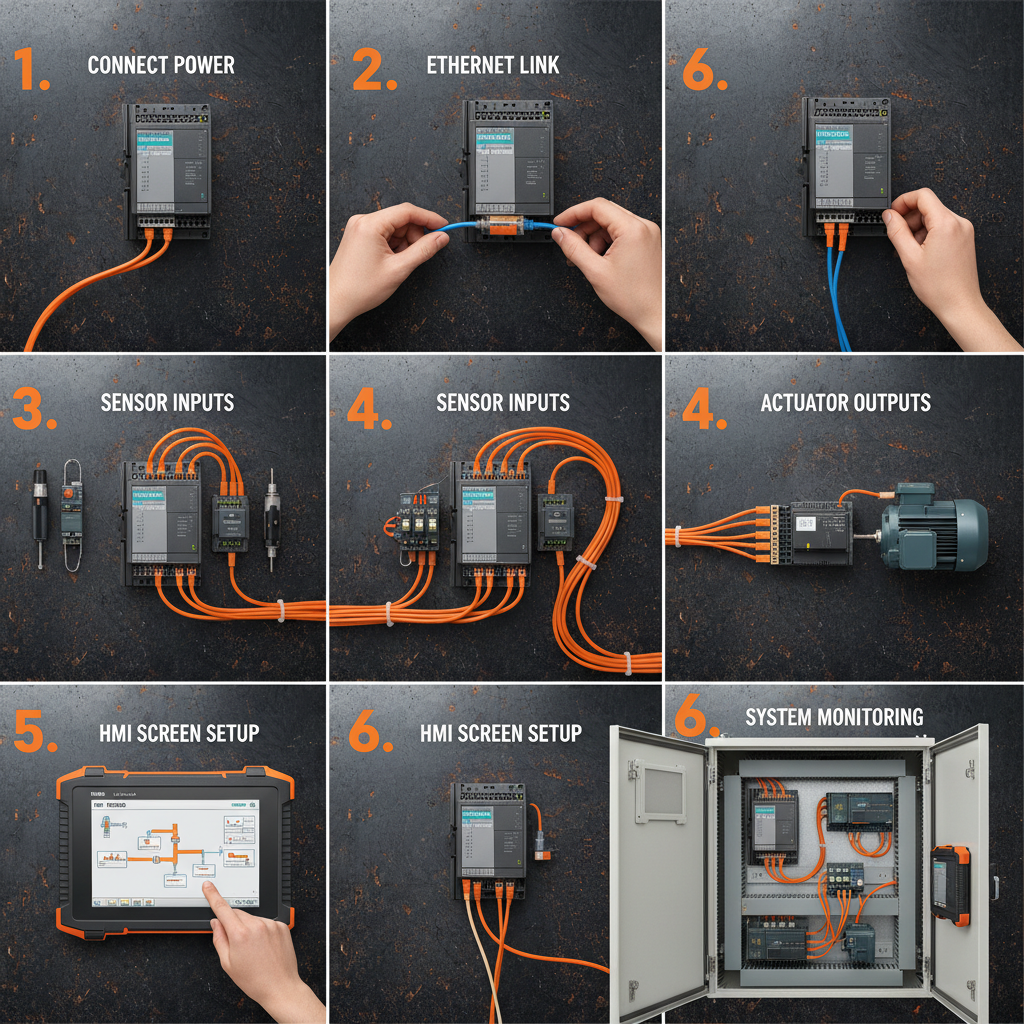
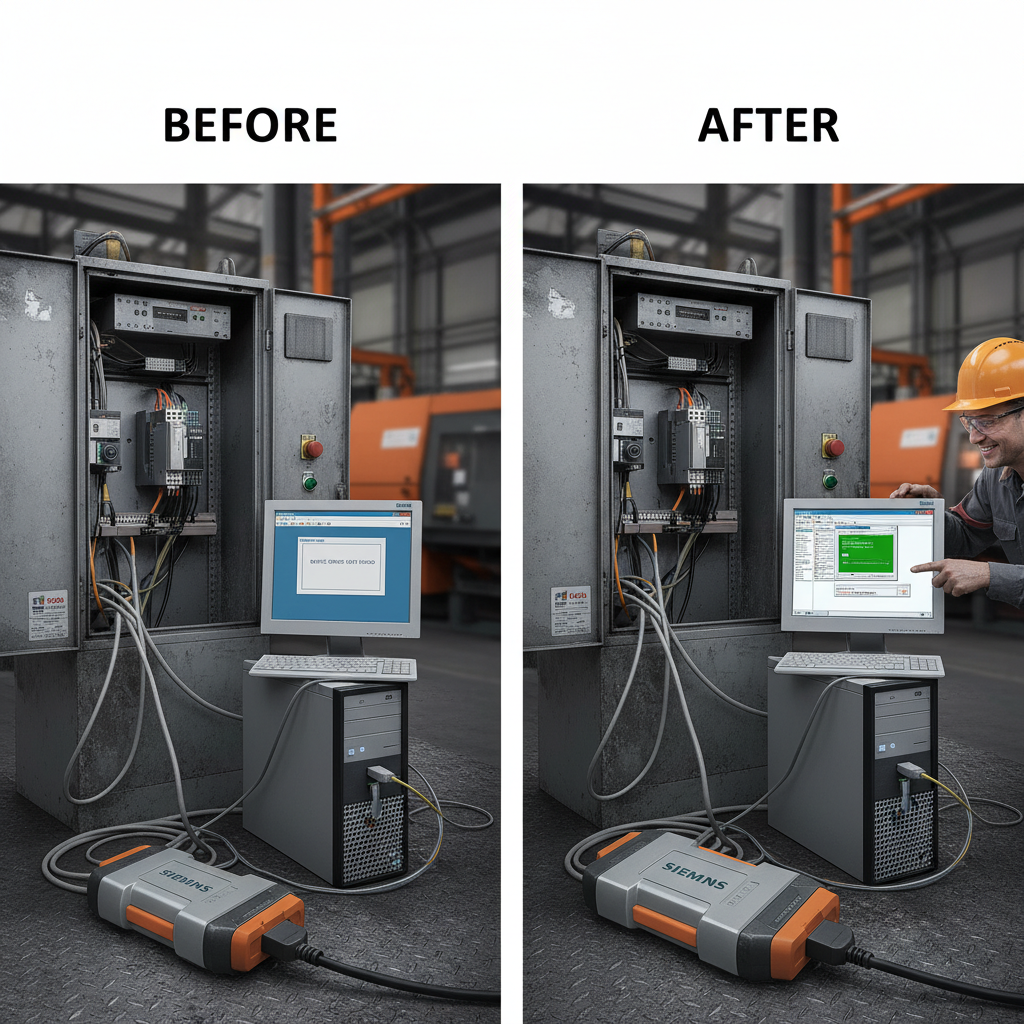
What is VFD Mechanical? Benefits, Applications & Future Trends
Understanding VFD Mechanical: The Heartbeat of Modern Industrial Efficiency
If you’ve ever wondered how factories regulate motor speeds so precisely or how energy usage is optimized in massive plants, you’re getting close to appreciating vfd mechanical technologies. At its core, VFD stands for Variable Frequency Drive, and when paired with mechanical systems, it creates an incredibly versatile and efficient method to control motors across various industries. Globally, this matters more than you might think—energy consumption is a massive concern worldwide, and VFD mechanical controls are quietly helping reduce waste and costs while enhancing performance.
Why does this topic matter? Well, as nations across the globe strive for sustainability goals and industries look to smart, adaptive solutions, vfd mechanical systems play a pivotal role. Understanding them is key to unlocking efficiency improvements that reverberate through energy grids, reduce carbon footprints, and improve operational safety.
Global Context: Why VFD Mechanical is Changing the Game
The industrial sector contributes to approximately 25% of global energy usage (according to the International Energy Agency). Traditionally, fixed-speed motors dominated factories, pumping out constant power regardless of demand. This inefficiency results in wasted energy and unnecessary wear and tear. Enter vfd mechanical technology — a solution allowing variable speed control tailored to real-time operational needs.
For instance, ISO standards recognize the importance of energy efficiency in motor-driven systems (ISO 50001). With such frameworks driving global industry regulation, the adoption of vfd mechanical systems is set to grow exponentially.
However, the real challenge lies in retrofitting or integrating these systems where infrastructure may lag behind, such as in emerging markets or older facilities. These hurdles make understanding the technology even more critical.
Defining VFD Mechanical: What Is It Exactly?
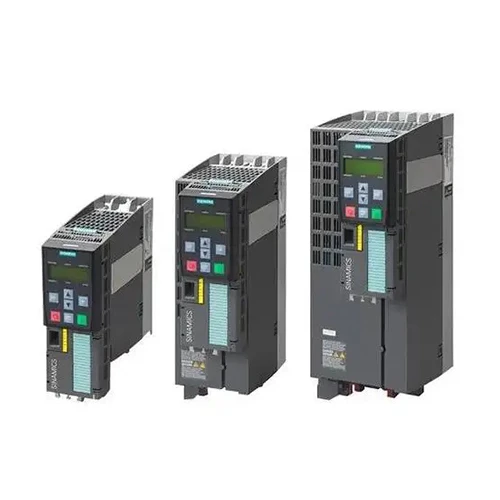
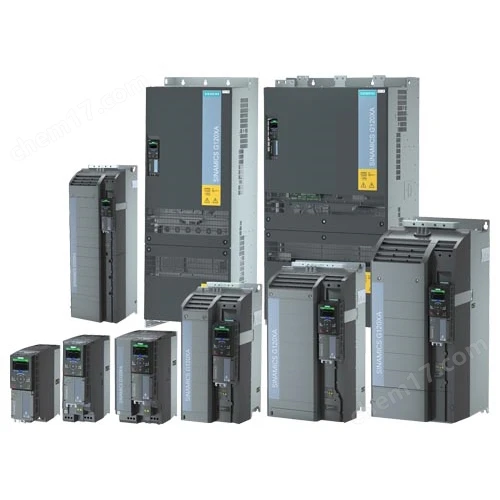
At its simplest, a Variable Frequency Drive modifies the frequency and voltage supplied to an electric motor. This adjustment controls the motor speed and torque mechanically connected to equipment like pumps, fans, or conveyors. It avoids running the motor at full speed when unnecessary, avoiding wasted energy.
The “mechanical” part refers to the physical systems—shafts, gearboxes, and mechanical linkages—that receive the motor’s movement. The synergy of electrical input modulation and mechanical output controls processes smoothly and efficiently.
Oddly enough, the beauty of vfd mechanical systems lies in their deceptively simple principle combined with sophisticated electronics and mechanical design, enabling smart, responsive machines.
Key Factors of VFD Mechanical Systems
1. Energy Efficiency
By adapting motor speed to demand, vfd mechanical solutions conserve electricity, which reduces operational costs dramatically. Thoughtful implementation can slice energy use in pumps by up to 50%, some studies show.
2. Durability & Reliability
These systems must withstand harsh environments: temperature changes, vibration, dust. Mechanical components coupled with electronic controls must be robust; otherwise, breakdowns negate benefits.
3. Scalability & Integration
VFD mechanical products should scale from small machines to full industrial plants seamlessly. Integration with existing automation systems and control protocols like Modbus or Ethernet/IP is critical.
4. Cost Efficiency
Though initial costs may seem steep, the long-term savings in energy and maintenance quickly pay off. Of course, the best solutions balance upfront expense with expected operational lifetime.
5. Maintainability
Easy access to parts and straightforward diagnostics ensure downtime stays minimal. Many engineers I’ve spoken with stress maintainability as key for real-world success.
6. Safety Features
Overload protection, fault detection, and emergency stop functions are important given the mechanical risks of motorized equipment.
Sample VFD Mechanical Product Specs
| Specification | Value |
|---|---|
| Input Voltage | 380-480 V AC |
| Output Frequency Range | 0-400 Hz |
| Power Rating | 0.75 kW to 500 kW |
| Control Type | V/Hz, Sensorless Vector Control |
| Operating Temperature | -10°C to 50°C |
| IP Rating | IP54 standard |
Global Use Cases & Applications for VFD Mechanical
It’s fascinating how widespread vfd mechanical systems are, touching everything from urban waterworks in Europe to remote mining operations in Australia. For example:
- Water and Wastewater Management: Pump speed control prevents pipe surges and energy waste.
- HVAC Systems: Fans and compressors adjust for building load, promoting sustainability in commercial structures.
- Manufacturing Plants: Conveyors and mixers utilize these to fit varying production speeds, increasing throughput.
- Renewable Energy: Wind turbines often employ vfd mechanical units for pitch and yaw control.
- Disaster Relief & Humanitarian Aid: Portable power units with vfd mechanical controls enable quick deployment of essential utilities, promoting resilience in crisis zones.
Oddly enough, in developing regions, where resource efficiency is critical, VFD mechanical tech is quietly empowering progress, often via partnerships with NGOs and industry leaders.
Vendor Comparison Table: Leading VFD Mechanical Solutions
| Vendor | Cost Range | Application Focus | Warranty | Support & Service |
|---|---|---|---|---|
| Vendor A | $$$ | Industrial Manufacturing | 3 Years | 24/7 Global Support |
| Vendor B | $$ | Water & Wastewater | 2 Years | Regional Support |
| Vendor C | $$$$ | Renewables & Smart Grids | 5 Years | Dedicated Account Managers |
Advantages & Long-Term Value of VFD Mechanical Systems
The benefits? They’re not just fiscal, though cost savings often headline the list. VFD mechanical drives enable businesses to cut energy bills by substantial margins. This doesn’t just help the bottom line; it also advances environmental stewardship—a synergy that modern companies retrofit their strategies around.
Another plus is operational safety. Motors that don’t run at full throttle unnecessarily tend to generate less heat and mechanical stress, lowering the risk of unexpected failures and workplace hazards. Plus, smoother startups and stops protect connected equipment.
On a more human note, deploying these systems in humanitarian projects respects the dignity of affected populations by providing reliable infrastructure that doesn’t break down when it’s most needed.
Emerging Trends & Innovations
The frontier includes the rise of vfd mechanical units with IoT connectivity, enabling remote monitoring and predictive maintenance. This digital transformation allows for smarter asset management and quicker response times.
Green energy integration is also accelerating, with drives optimized for solar and wind to handle fluctuating power inputs smoothly. Materials science improvements promise more compact, heat-resistant components, pushing boundaries on longevity.
Automation combined with AI algorithms adapts motor control dynamically in response to real-time production data, leading to increased productivity and quality.
Common Challenges & How to Overcome Them
Naturally, no tech is without hurdles. Complexity in retrofits, electromagnetic interference, and initially high capital costs often deter enterprises. Moreover, insufficient training for maintenance personnel can lead to neglect or misuse.
But these issues aren’t insurmountable. Partnering with experienced vendors, investing in thorough training, and designing modular, user-friendly systems alleviate many pain points. Also, phased implementations allow measurable ROI demonstration before full-scale rollouts.
Frequently Asked Questions About VFD Mechanical
- Q: How does a VFD improve energy efficiency compared to traditional motors?
A: By adjusting motor speed to match load demands, VFDs significantly reduce wasted energy from over-speeding motors. This tailored operation translates directly into lower electricity use and costs. - Q: Can VFD mechanical systems be retrofitted onto existing equipment?
A: Yes, many VFD units are designed for retrofit applications, though compatibility assessments are essential. Proper integration also requires attention to mechanical coupling and control interfaces. - Q: Are VFDs suitable for all types of motors?
A: VFDs best suit three-phase AC induction motors, but models for permanent magnet and synchronous motors exist. Selection depends on the motor type and intended application. - Q: What maintenance is needed for VFD mechanical systems?
A: Routine checks include ensuring ventilation is unobstructed, inspecting mechanical linkages, verifying electrical connections, and updating firmware if applicable. Preventive maintenance prolongs lifespan significantly. - Q: How do international organizations source VFD mechanical solutions?
A: NGOs and agencies often work with global suppliers who understand logistical challenges, including customs, installation support, and technical training, to ensure smooth deployment in the field.
Conclusion
Ultimately, the promise of vfd mechanical solutions lies in transforming the way industry approaches motor control—turning fixed-speed, energy-intensive systems into intelligent, adaptable machines. The advantages ripple through cost savings, sustainability, safety, and even humanitarian impacts. If you want to explore these technologies further or consult for your operations, be sure to visit our website: https://www.tianjinyongkai.com.
Mini takeaway: Embracing VFD mechanical technology is not just an upgrade—it’s a strategic move toward a smarter, greener industrial future.