Comprehensive Guide to 7.5 hp Single Phase VFD – Applications, Benefits, and Innovations
Understanding the 7.5 hp Single Phase VFD: A Technical and Practical Overview
If you’re in the industrial or manufacturing sector, chances are you’ve come across the term 7.5 hp single phase VFD. But what exactly is it, and why does it matter so much on a global scale? Well, variable frequency drives (VFDs) like these are at the heart of modern energy-efficient motor control. With a power rating of 7.5 horsepower, this particular VFD plays a pivotal role in managing motors powered by single phase electricity – which is still predominant in many countries and regions. Globally, efficient use of electricity and reduction of wasteful power consumption is front and center for businesses and governments alike, with organizations like the International Energy Agency (IEA) highlighting that motor-driven systems consume almost half the world’s electricity.
Understanding and deploying a 7.5 hp single phase VFD not only improves industrial reliability, it directly cuts energy costs and supports sustainability goals. So let’s dive deeper — what is it, what does it do, and why might it just make your operations a bit smarter?
Why the 7.5 hp Single Phase VFD Matters Globally
Single phase power is common in residential and smaller commercial buildings worldwide, especially in regions without three-phase supply infrastructure. According to the United Nations’ Sustainable Development Goals (SDG 7) on affordable and clean energy, adopting energy-efficient technologies like VFDs in such environments is critical.
Industries ranging from agriculture in rural Asia to small-to-medium manufacturing plants in Latin America rely on motors that can benefit from the precise control and power saving a 7.5 hp single phase VFD offers. However, without these drives, many motors run at full speed no matter the load, leading to excessive energy use, mechanical wear, and downtime — real headaches for any operation.
Defining the 7.5 hp Single Phase VFD
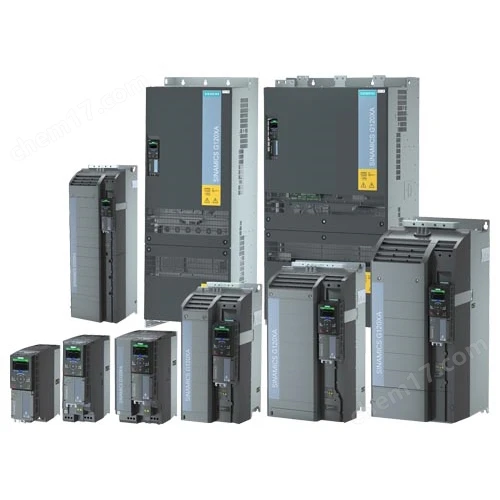
In simple terms, a variable frequency drive is an electronic device that controls the speed and torque of an electric motor by varying the supply voltage and frequency. Specifically, a 7.5 hp (about 5.6 kW) single phase VFD is designed to manage motors around this power rating, optimized to run on single phase input power, which usually comes from typical household or small commercial outlets (commonly 230V).
This device is like the “brain” that adjusts motor speed in real time, offering flexibility that traditional fixed-speed motor systems simply can’t match. It’s indispensable for applications like pumps, fans, compressors, and conveyor belts where load varies and efficiency is key. The connection to modern industry? Well, it’s foundational to smarter manufacturing, resource conservation, and even humanitarian projects where power reliability is patchy, but demand is steady.
Core Components & Key Factors of the 7.5 hp Single Phase VFD
1. Durability
VFDs are often placed in harsh environments – think dusty factories or humid agricultural settings. The 7.5 hp single phase VFD usually features rugged enclosures and hardened electronics built to withstand temperature swings and voltage spikes. Durability means long operation without expensive downtime or repairs.
2. Scalability
Although 7.5 hp seems niche, these drives often scale well within systems, connecting via communication protocols such as Modbus or CAN bus, aligning with Industry 4.0 standards. That’s great when you want to remotely monitor or optimize motors across a site.
3. Cost Efficiency
The initial investment in a single phase VFD can be offset quickly through energy savings, especially when motors frequently operate below full load. Lower electricity bills, fewer maintenance calls, and longer motor life add up to significant operational savings.
4. User Interface & Control Options
Modern VFDs offer digital displays, easy parameter setting, and interfaces for external controls or sensors. This flexibility helps operators fine-tune motor performance per specific process needs, enhancing productivity.
5. Power Quality and Protection
These drives include built-in protections against overcurrent, voltage fluctuations, and short circuits. They also help reduce harmonics and power surges on the supply line—important both for the equipment itself and for grid stability.
Product Specifications at a Glance
| Specification | Detail |
|---|---|
| Power Rating | 7.5 hp (5.6 kW) |
| Input Voltage | Single Phase, 220-240V AC |
| Output Voltage | 0 – Input Voltage (variable frequency) |
| Frequency Range | 0.1 Hz – 400 Hz adjustable |
| Control Methods | V/F control, sensorless vector control |
| Protection Features | Overload, short-circuit, undervoltage, overvoltage |
Mini Takeaway: The 7.5 hp single phase VFD packs durable build quality, adaptable control, and smart protections into a compact unit designed for energy-conscious motor management.
Vendor Comparison: Leading 7.5 hp Single Phase VFD Models
| Feature | Brand A | Brand B | Brand C |
|---|---|---|---|
| Price | $450 | $520 | $490 |
| Warranty | 2 years | 3 years | 2 years |
| Communication | Modbus RTU | CAN bus | Modbus TCP/IP |
| Cooling | Fan cooled | Convection cooled | Fan cooled |
| Programmability | Basic | Advanced | Intermediate |
Global Applications & Real-World Use Cases
- Developing Regions: Small-scale irrigation pumps in Southeast Asia use 7.5 hp single phase VFDs to maintain water flow efficiently despite uneven power availability.
- Manufacturing: Factories in Latin America replace fixed-speed fan motors with VFD-controlled versions, cutting energy costs by up to 25%.
- Humanitarian Efforts: In post-disaster scenarios where power is limited, portable systems with single phase VFDs manage water supply and ventilation safely.
- Residential & Commercial Buildings: HVAC systems benefit from smoother operation and reduced noise due to motor speed controlling via these drives.
Mini Takeaway: The 7.5 hp single phase VFD proves itself valuable wherever single phase power predominates and efficiency / control challenges arise.
Advantages & Long-Term Value
Investing in a 7.5 hp single phase VFD isn’t just a technical decision; it’s a long-term business and environmental strategy. Energy consumption reduces, which lowers electricity bills and carbon footprints — two things increasingly scrutinized at board levels and by regulators worldwide.
The device also improves motor lifespan by soft-starting and avoiding mechanical shocks. Safety improves with better control, potentially lowering workplace incidents. Emotionally, it gives operators confidence knowing their equipment won't fail unexpectedly, supporting organizational resilience. Frankly, there’s a reliability and innovation element that feels good too.
Looking Ahead: Future Trends & Innovations
Several notable developments are shaping the future of 7.5 hp single phase vfd technology:
- Integration with IoT & Predictive Maintenance: Devices will increasingly self-monitor and communicate performance data, alerting teams ahead of faults.
- Green Energy Compatibility: Optimizing operation alongside solar or wind power, especially in off-grid setups.
- Improved Power Quality: Advanced electronics further reducing harmonics and improving supply stability.
- Compact and Modular Designs: For easier installation and scalability in small plants or remote sites.
Common Challenges and Pragmatic Solutions
Sure, adopting 7.5 hp single phase VFDs isn’t without challenges. Common issues include harmonic distortion affecting the power grid, difficulty tuning the drives for specific motors, and upfront costs.
To address these, experts recommend:
- Employing harmonic filters or using newer drive topologies that lower distortion.
- Training or support services for precise drive parameter optimization tailored to each application.
- Calculating return on investment carefully to justify upfront expenditure via energy and maintenance savings.
FAQ: Your 7.5 hp Single Phase VFD Questions Answered
- Q: Can a 7.5 hp single phase VFD run a 3-phase motor?
- A: Typically no. These VFDs are designed for single phase motors. Running a 3-phase motor would require a VFD designed for three phase output or a phase converter.
- Q: What kind of maintenance does a single phase VFD need?
- Generally minimal – periodic cleaning of cooling fans, checking for loose connections, and firmware updates. Proper environment (dust and temperature control) extends life.
- Q: How much energy can I realistically save using a 7.5 hp single phase VFD?
- Energy savings vary by load variability but typically range from 15-30% compared to fixed-speed runs, given appropriate application.
- Q: Are these VFDs compatible with renewable energy systems?
- Yes, especially when paired with inverters and battery management systems for solar or wind integration, enhancing power stability.
Conclusion
To sum it up, 7.5 hp single phase VFDs are more than just industrial components — they’re efficiency enhancers, cost savers, and enablers of sustainable progress across a variety of sectors and regions worldwide. For anyone looking to optimize motor control on single phase power supplies, exploring these drives is an intelligent move.
Curious to explore top-quality solutions or see detailed specs for your specific needs? Visit our website: 7.5 hp single phase vfd and start taking control of your motor energy today.
Quick Takeaway: Embracing 7.5 hp single phase VFDs is a smart step towards operational efficiency and sustainability without breaking the bank.
References:
1. Wikipedia - Variable frequency drive
2. UN Sustainable Development Goal 7
3. IEA report on Electric Motors