Comprehensive Guide to Fan VFDs – Benefits, Applications, and Future Trends
Why Fan VFDs Matter More Than Ever in Today's Industrial World
If you’ve ever worked around large industrial fans or HVAC systems, you might have heard a faint buzz or felt a dull vibration as these beasts turn on and off. But what if you could control their speed with finesse, saving energy and money? That’s exactly where the fan VFD (Variable Frequency Drive) steps in. This marvel of modern control technology adjusts the speed of fan motors, making processes more efficient and cutting down on waste.
Globally, energy consumption from motors alone accounts for about 45% of all electricity use in industrial sectors (according to the International Energy Agency). Fans are a significant chunk of this. Using fan VFDs to optimize operations isn’t merely a tech fad—it’s a serious move towards sustainability and cost-cutting on a global scale. Plus, when you consider how electricity prices keep fluctuating and the constant pressure on companies to reduce carbon footprints, understanding fan VFDs becomes an essential skill for plant engineers, facility managers, and even environmental policy advocates.
Seeing the Big Picture: Fan VFDs in Global Industry
Here’s a quick data point that should grab your attention: the UN’s Sustainable Development Goals call for substantial reductions in energy intensity by 2030. This is a big challenge, especially for industries relying heavily on ventilation and air handling. Fan VFDs emerge as quiet champions here, offering up to 50% energy savings by adjusting motor speeds instead of running fans at full throttle all the time.
Power grids in many parts of the world are under stress. In fast-growing economies, it’s not just about having electricity—it’s about using it smartly. Fan VFDs address this by reducing peak energy demand and smoothing out electricity consumption curves.
Takeaway:
- Fan VFDs are crucial for reducing industrial energy consumption worldwide.
- They support global sustainability goals and help companies cut operational costs.
What Exactly is a Fan VFD? A Simple Explanation
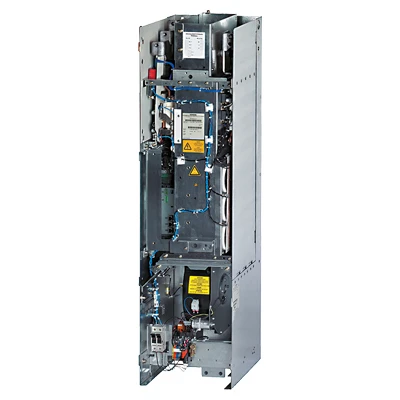
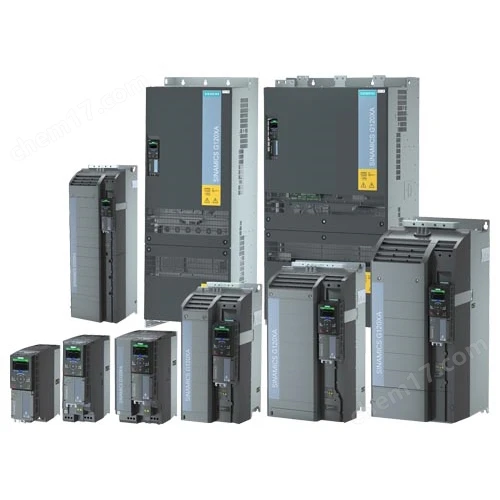
Think of a fan VFD as a speed dial for your industrial fan motors. Traditional motors run at fixed speeds—usually full blast—which is often unnecessary. A variable frequency drive adjusts the voltage and frequency delivered to the motor, allowing it to run slower or faster depending on demand.
In modern industries, from manufacturing lines to data centers requiring precise cooling, fan VFDs enable better process control and efficiency. Even in humanitarian contexts, say post-disaster shelters or field hospitals, properly managed air circulation via VFDs can mean healthier environments and lower power needs—sometimes in places where powering equipment is a challenge.
Takeaway:
- A fan VFD changes motor speeds by varying electrical frequency and voltage.
- It’s an essential tool for both industrial precision and energy-friendly applications.
Core Components and Key Factors of Fan VFDs
1. Energy Efficiency
This is the headline benefit. Fan VFDs allow motors to run only as fast as needed, leading to significant energy savings especially when full speed isn’t required constantly.
2. Scalability and Compatibility
A solid VFD works seamlessly with a range of motor sizes, from small HVAC fans to industrial air handlers. Scalability ensures the technology can grow with operational needs.
3. Durability and Reliability
Many engineers stress that fan VFDs must withstand harsh environments: dust, humidity, temperature swings. The best units include protective enclosures and advanced cooling systems to keep them going.
4. Precision Control
Adjustable speeds aren’t enough; feedback mechanisms and sensors help VFDs maintain stable airflow despite changing conditions—this is critical in data centers or pharmaceutical plants.
5. Cost Efficiency
While initial costs may be higher than traditional starters, payback often occurs within months through energy savings—and that’s before factoring in maintenance and system longevity.
Product Specification Table
| Feature | Description | Typical Range |
|---|---|---|
| Input Voltage | Three-phase AC supply | 380V - 480V |
| Output Frequency | Adjustable frequency for speed control | 0 - 400 Hz |
| Power Capacity | Power systems for different motor sizes | 1 kW - 500 kW |
| Protection Features | Overload, short circuit, overheating protections | Standard |
| Communication Protocols | Integration with industrial controls | Modbus, Profibus, Ethernet/IP |
Real-World Applications of Fan VFDs
Oddly enough, fan VFDs pop up in some unexpected places. In remote mining operations, where power is limited and maintenance crews sparse, VFDs keep ventilation fans running just right to protect workers without wasting energy. In massive data centers, precise cooling is a must to avoid overheating expensive servers, and VFDs provide that steady but variable airflow.
In urban infrastructure, fan VFDs optimize air circulation in subway systems and office towers, cutting energy usage—sometimes by millions of dollars annually. Even humanitarian organizations implementing rapidly deployable field hospitals or shelters rely on fan VFDs to maintain breathable air while minimizing power consumption, which can be a critical constraint in emergency zones.
Takeaway:
- Fan VFDs are versatile, serving industries from mining to data centers to humanitarian aid.
- They enhance safety, sustainability, and operational economy in a variety of settings.
Advantages and the Long-Term Value of Fan VFD Implementation
Besides the hard numbers on energy savings, there’s a softer side to fan VFD benefits. Operators feel more in control and can respond quickly to changing conditions—no more guesswork with fixed-speed fans that run flat out or not at all. There’s also the social dimension: better air quality and noise reduction contribute to workplace well-being, and the reduced carbon footprint fits nicely in corporate social responsibility portfolios.
Maintenance cycles stretch further with fan VFDs, because running motors at optimum speed reduces mechanical wear. That means less downtime and a better overall bottom line.
What’s Next? Future Trends in Fan VFD Technology
The future looks quite bright for fan VFDs. Integrating smart sensors and IoT connectivity allows continuous real-time monitoring and predictive maintenance, cutting corners before problems snowball. Advances in power electronics mean more compact, efficient drives capable of handling larger loads with less heat generation. Plus, as green energy sources like solar and wind get integrated into industrial grids, fan VFDs will play a pivotal part in adapting motor operation for variable power input.
Some vendors are already exploring ultra-wide voltage range VFDs and models with built-in AI to optimize operations automatically. It feels like we’re just at the beginning of what’s possible.
Addressing Common Challenges with Fan VFDs
No technology is without hiccups. Fan VFDs sometimes face initial installation complexity and higher upfront costs, which can intimidate smaller businesses. Harmonics generated by drives can interfere with other equipment if not properly mitigated. Some older motors aren’t always fully VFD-compatible, leading to reduced lifespan or performance.
However, smart engineering solutions like input/output filters, dedicated grounding, and thorough motor testing can handle most issues. Plus, many vendors now offer turnkey solutions with training and support—which makes adoption smoother than a few years ago.
Vendor Comparison: Popular Fan VFD Brands
| Brand | Power Range | Unique Features | Price Indicator |
|---|---|---|---|
| Delta Electronics | 0.4 kW–200 kW | High-efficiency cooling; compact design | Mid-range |
| Siemens | 0.5 kW–500 kW | Advanced diagnostics; robust communication protocols | High-end |
| Schneider Electric | 0.37 kW–250 kW | Integrated safety functions; eco-designed packaging | Mid to high |
| Yaskawa | 0.5 kW–400 kW | Energy-saving algorithms; extensive motor compatibility | Mid-range |
FAQs About Fan VFDs
Q1: How much energy can I realistically save by installing a fan VFD?
A: Energy savings depend on your operation but generally range from 20% to 50%. Fans running at less than full speed for a good portion of the time benefit most, making payback periods often under two years.
Q2: Are fan VFDs compatible with all types of motors?
A: Most modern motors are compatible, but some older single-speed induction motors might face issues. It’s always best to consult with the VFD supplier or have motors tested for compatibility.
Q3: Can I control multiple fans with one VFD?
A: Typically, one VFD controls one motor. However, in certain setups with motors wired in parallel and running identically, single control may be feasible but is generally not recommended due to control and protection complexities.
Q4: What maintenance do fan VFDs require?
A: Routine cleaning, checking cooling fans and filters, and software updates suffice. Predictive maintenance technologies are also emerging to reduce unexpected downtime.
Q5: How do fan VFDs impact noise levels?
A: Running fans at reduced speeds cuts mechanical noise significantly, contributing to a quieter work environment.
Wrapping Up: Why Invest in Fan VFD Technology Today?
Choosing the right fan VFD system pays off in tangible ways—lower energy bills, improved equipment lifespan, and a greener industrial footprint. In a world where efficiency and sustainability are no longer optional, fan VFDs offer a practical, proven way to optimize fan operations. Don’t just take my word for it, though—check out industry leaders and see how they champion this technology fan vfd.
Whether you’re upgrading an existing system, building new infrastructure, or exploring innovations in air handling, fan VFDs deserve a spot on your radar. The technology evolves daily, but the core benefits remain solid.
Final Thoughts:
It’s exciting to see how even a small device like a fan VFD can ripple through business economics, environmental health, and worker comfort. Energy efficiency sometimes feels like a slow grind, but this is one tool that delivers powerfully and immediately.