Efficient 2.2 kW Variable Frequency Drives for Smart Motor Control | Tianjin Yongkai
Understanding the 2.2 kW Variable Frequency Drive: Why It Matters
The 2.2 kW variable frequency drive (VFD) is a small but mighty player in modern electrical motor control. For those unacquainted, it’s essentially the tech behind controlling motor speeds efficiently and precisely. But why does this gadget hold global importance? In an era where energy efficiency is king and sustainability initiatives are rapidly expanding, the role of VFDs in industrial and commercial settings is huge. Not only do they reduce wasted energy, but they extend equipment life and enhance process control — benefits that resonate worldwide as industries strive to meet environmental targets and cut operational costs.
Exploring the nuances of the 2.2 kW VFD means tapping into a piece of technology that’s quietly transforming how factories, HVAC systems, and pumps operate. Whether it’s factories in Germany optimizing assembly lines or remote water treatment plants in India reducing power consumption, this specific size and power range offers versatility and cost-effectiveness that few can ignore.
Mini takeaway: The 2.2 kW variable frequency drive is a workhorse in energy management, supporting global moves toward cleaner, smarter industrial processes.
The Global Context of 2.2 kW Variable Frequency Drive Usage
Globally, electrical motor-driven systems consume almost 45% of the electricity used in industry (source: Wikipedia). That’s a staggering amount — and VFDs are central to optimizing that consumption. According to the International Energy Agency, widespread implementation of VFDs could reduce industrial electricity use by up to 30%, significantly cutting emissions.
Yet, the challenge remains: many regions still rely on conventional motor control methods — like simple on/off starters — which waste power and stress machinery. The 2.2 kW VFD, which typically controls smaller motors around 3 horsepower, fits perfectly in small-to-mid-size applications worldwide, balancing initial investment costs and energy savings quite well. For emerging economies pushing towards industrialization, it’s often a sweet spot: tech that’s advanced enough but not too complicated or expensive.
Mini takeaway: The 2.2 kW VFD addresses the global dilemma of industrial energy waste, making efficient motor control accessible for a wide range of uses.
What Exactly Is a 2.2 kW Variable Frequency Drive?
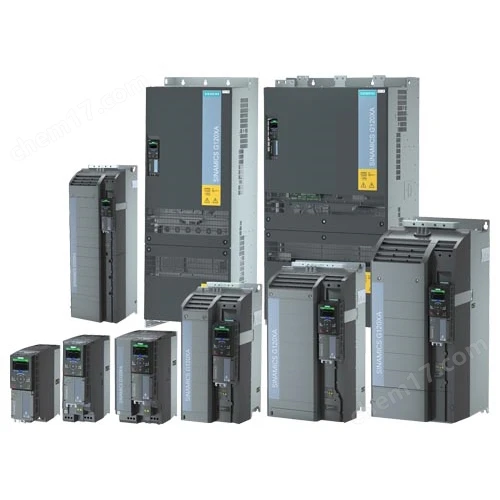
Put simply, a variable frequency drive is an electronic controller that adjusts the speed and torque of an AC motor by varying the supply frequency and voltage. The "2.2 kW" specification indicates the power rating — this drive controls motors that consume roughly 2.2 kilowatts (~3 HP).
Think of it as a volume knob for motor speed — instead of just on or off, it modulates output smoothly, saving energy and fine-tuning operations. Because many industrial processes need variable speeds (pumps, fans, conveyors), VFDs have become essential. They also reduce mechanical wear since machines don’t have to start and stop abruptly.
From a humanitarian perspective, reliable motor control in water supply systems or renewable energy installations can bolster infrastructure resilience in remote or disaster-prone areas — a detail sometimes overlooked when discussing this tech.
Key Components and Features of the 2.2 kW Variable Frequency Drive
1. Durability and Build Quality
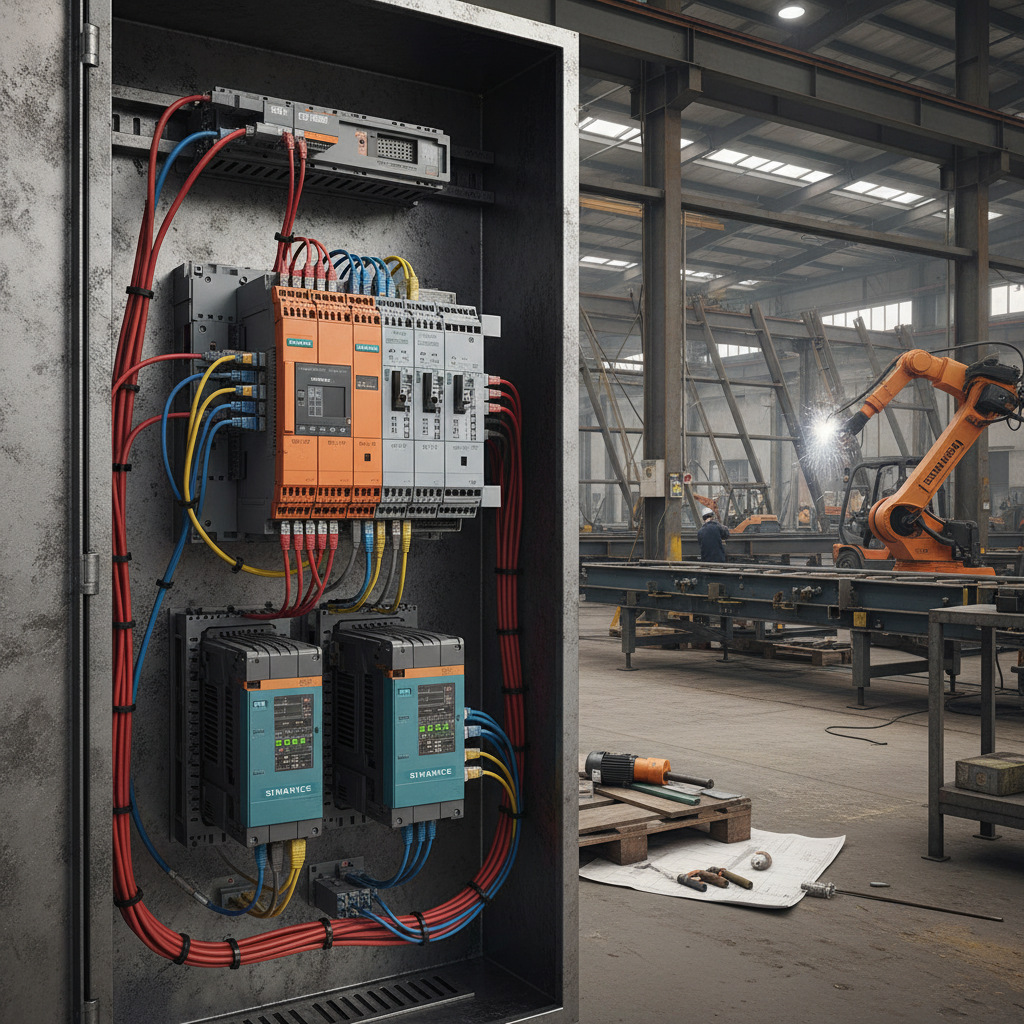
Many engineers note that a reliable VFD, such as those used in rough industrial environments, must tolerate temperature swings, dust, and electrical disturbances. The 2.2 kW models usually come with protective enclosures and advanced cooling mechanisms — helping them thrive where others would falter.
2. Scalability and Flexibility
These drives offer adjustable operating parameters, allowing integration with various motor types and load conditions. This adaptability means one device can fit many tasks — from pumping systems to small conveyor belts.
3. Energy Efficiency
At its core, the reason industry swears by VFDs is energy savings. By running motors at only the speed needed, a 2.2 kW VFD can reduce energy consumption dramatically compared to fixed-speed operation.
4. Cost Efficiency and ROI
While the upfront cost may be higher than traditional starters, the savings on electricity and maintenance often pay back the investment within months or a couple of years, especially with frequent operation cycles.
5. User Interface and Control Features
Modern drives often include programmable settings, remote monitoring capability, and fault diagnostic tools — features that make managing a whole fleet of motors easier.
6. Compliance with Standards
For international users, adherence to safety and electromagnetic compatibility requirements (e.g., IEC or UL standards) is essential, ensuring no nasty surprises during installation and operation.
Product Specification Table: Typical 2.2 kW VFD Features
| Specification | Details |
|---|---|
| Power Rating | 2.2 kW (3 HP) |
| Input Voltage | Single-phase 220V or Three-phase 380V |
| Output Frequency | 0–400 Hz adjustable |
| Control Mode | V/f control, Sensorless vector control |
| Communication Protocols | Modbus, CANopen (optional) |
| Protection Features | Overcurrent, Overvoltage, Thermal, Short-circuit |
| Dimensions (L×W×H) | 150 × 110 × 75 mm (typical) |
| Weight | About 1.2 kg |
Comparing Vendors: Which 2.2 kW Variable Frequency Drive Stands Out?
| Vendor | Price Range (USD) | Features | Warranty | Technical Support |
|---|---|---|---|---|
| Vendor A (Global Brand) | $450–600 | Advanced sensors, built-in Modbus | 3 years | 24/7 Worldwide |
| Vendor B (Chinese Manufacturer) | $250–350 | Basic functions, compact design | 1 year | Online Chat Support |
| Vendor C (European Specialist) | $400–550 | Energy-saving modes, eco compliant | 2 years | Business hours support |
Global Applications & Use Cases of 2.2 kW Variable Frequency Drives
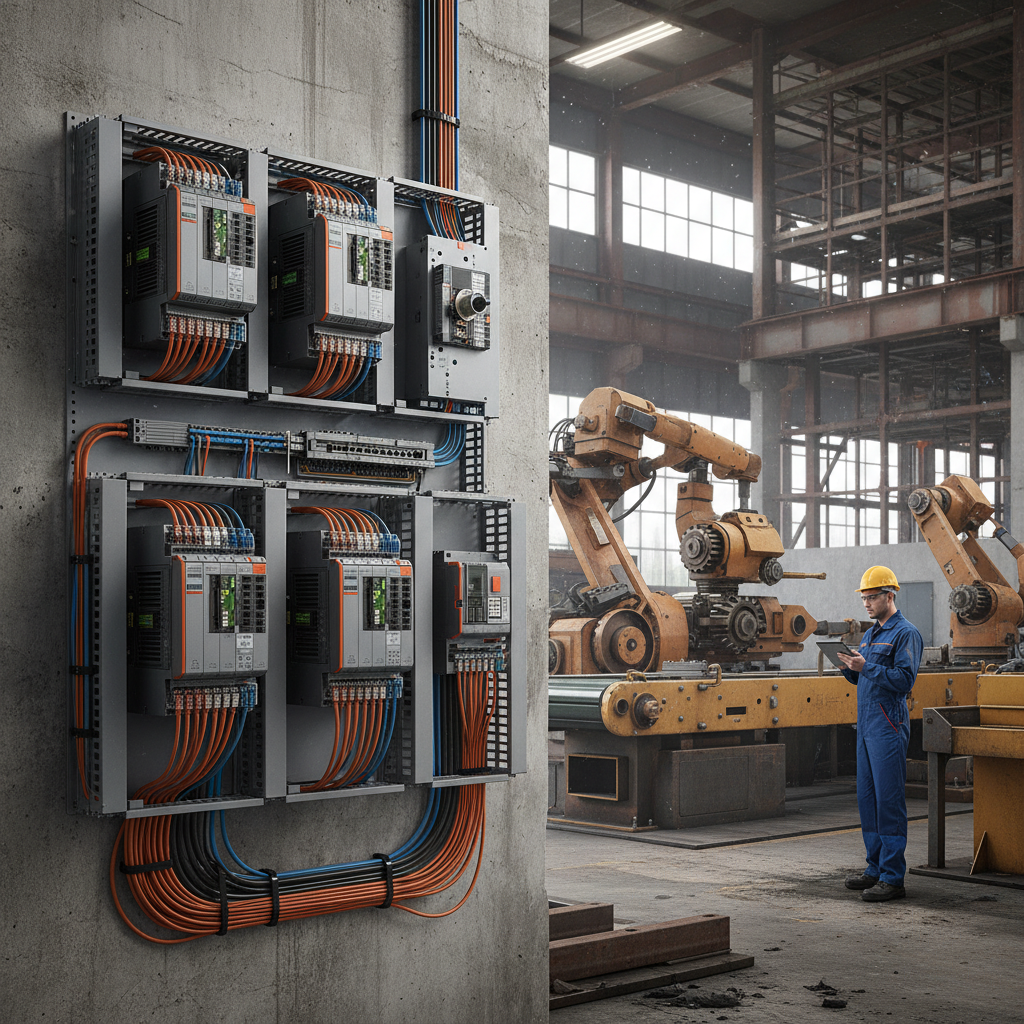
Oddly enough, these drives turn up where you'd least expect them. In European green buildings, they flawlessly regulate HVAC fan speeds to ensure optimal air quality without wasting energy. In remote African villages, smaller water pumping stations rely on 2.2 kW VFDs to adapt output based on demand — crucial when power supplies fluctuate.
In fact, many NGOs integrating solar-powered water systems have started specifying 2.2 kw variable frequency drive units to stabilize motor performance despite inconsistent energy inputs. Industrial zones in Southeast Asia — particularly those embracing automation for conveyors or packaging machines — also report significant ROI improvements by switching to these drives from older motor starters.
Mini takeaway: This specific VFD serves as a versatile solution worldwide, from industrial automation to humanitarian infrastructure, making otherwise unstable or inefficient motor control practical and accessible.
Advantages and Long-Term Value
- Cost savings: Reductions in electricity bills and maintenance downtime add up quickly.
- Sustainability: Lower energy waste means fewer emissions and better compliance with regulations.
- Reliability: Extended motor lifespan and fewer breakdowns foster trust in processes.
- Social impact: Improved infrastructure performance supports safety and dignity — especially where water or ventilation systems are involved.
- Innovation: The tech encourages smarter facilities, preparing them for Industry 4.0 roles.
The emotional angle is subtle but real — whether you run a factory or a community water project, knowing your motors won’t derail unexpectedly feels reassuring. It’s trust built through technology.
Emerging Trends and Innovations on the Horizon
Technologies like IoT-enabled VFDs, cloud-based monitoring, and AI-driven predictive maintenance are rapidly converging with 2.2 kW drives. These advancements help operators pre-empt failures and optimize performance remotely — a game changer especially for facilities in hard-to-reach locations.
Additionally, the trend towards greener energy sources dovetails with VFD upgrades. Drives capable of handling regenerative braking or interfacing efficiently with solar inverters are becoming more common. The standards themselves evolve, pushing for even lower electromagnetic interference and improved energy profiles.
Challenges and How Today’s Experts Overcome Them
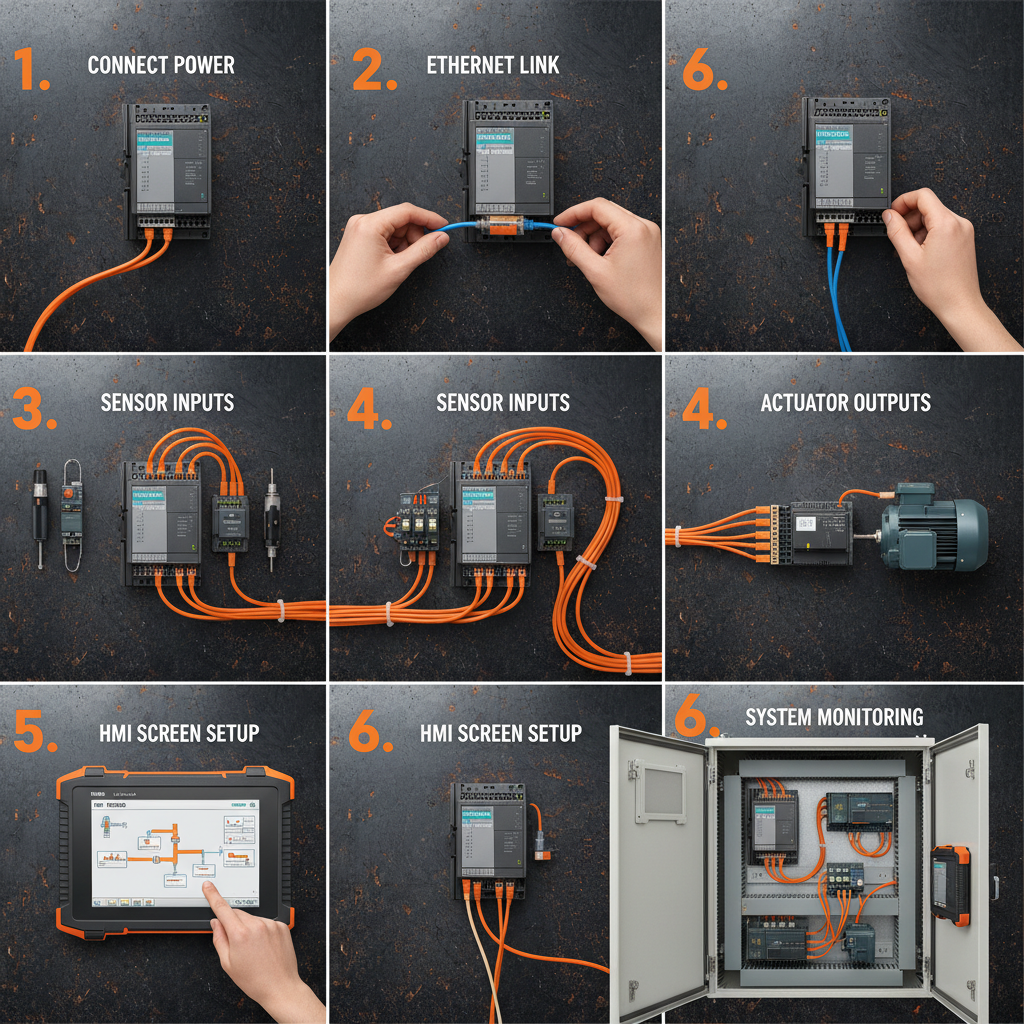
Of course, it’s not all smooth sailing. Installation complexity and proper parameter tuning can be tricky for newcomers. Harmonics generated by VFDs may also require additional filters in sensitive power grids.
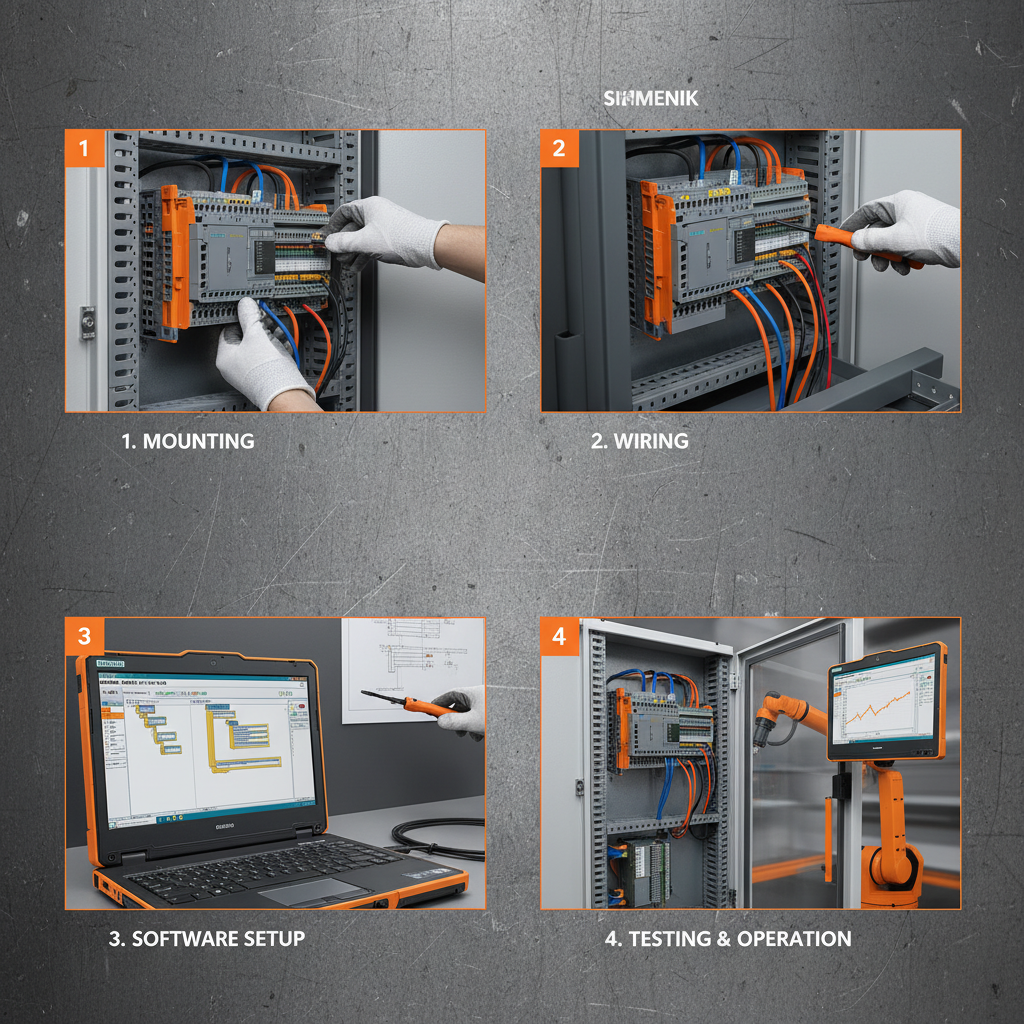
However, these problems have prompted smarter product designs with user-friendly interfaces, auto-tuning features, and better integration tools. Industry veterans often recommend comprehensive testing and training as best practices — it feels like a small price to pay for the long-term gains.
FAQ: Common Questions About 2.2 kW Variable Frequency Drives
- Q: Can a 2.2 kW VFD be used with both single-phase and three-phase motors?
- A: Typically, 2.2 kW VFDs are designed for three-phase motors, but some models convert single-phase input to three-phase output to run three-phase motors from single-phase supply — though efficiency may vary.
- Q: How much energy can I realistically save by installing a 2.2 kW variable frequency drive?
- Energy savings depend on the application, but generally, VFDs can reduce motor energy consumption by 20–50% compared to direct-on-line starters, especially in variable load processes such as pumps and fans.
- Q: Are 2.2 kW VFDs suitable for harsh industrial environments?
- Yes, many are designed with protective enclosures (IP20–IP54 ratings) and can operate within wide temperature ranges. Always choose a model rated for your specific environmental conditions.
- Q: What maintenance is required for these drives?
- Routine visual inspections and keeping cooling pathways clear are usually enough. Software diagnostics help detect issues early, minimizing downtime.
- Q: Can the 2.2 kW VFD be remotely monitored or controlled?
- Many models now support communication protocols like Modbus, enabling integration with building management or SCADA systems for remote control and monitoring.
Wrapping It Up: Why 2.2 kW Variable Frequency Drives Deserve Attention
In sum, the 2.2 kW variable frequency drive may seem modest in power, but its impact is anything but. Balancing energy efficiency, cost, and flexibility, it’s a cornerstone for companies and organizations worldwide that demand smarter motor control — from bustling urban factories to remote water pumping stations.
If you’re in the market for a reliable 2.2 kW variable frequency drive, why not explore trusted providers such as 2.2 kw variable frequency drive? It’s definitely a step towards smarter, greener, and more sustainable operations.
References:
1. Motor Drive - Wikipedia
2. International Energy Agency, Energy Efficiency 2023 Report
3. IEC Standards for Variable Frequency Drives