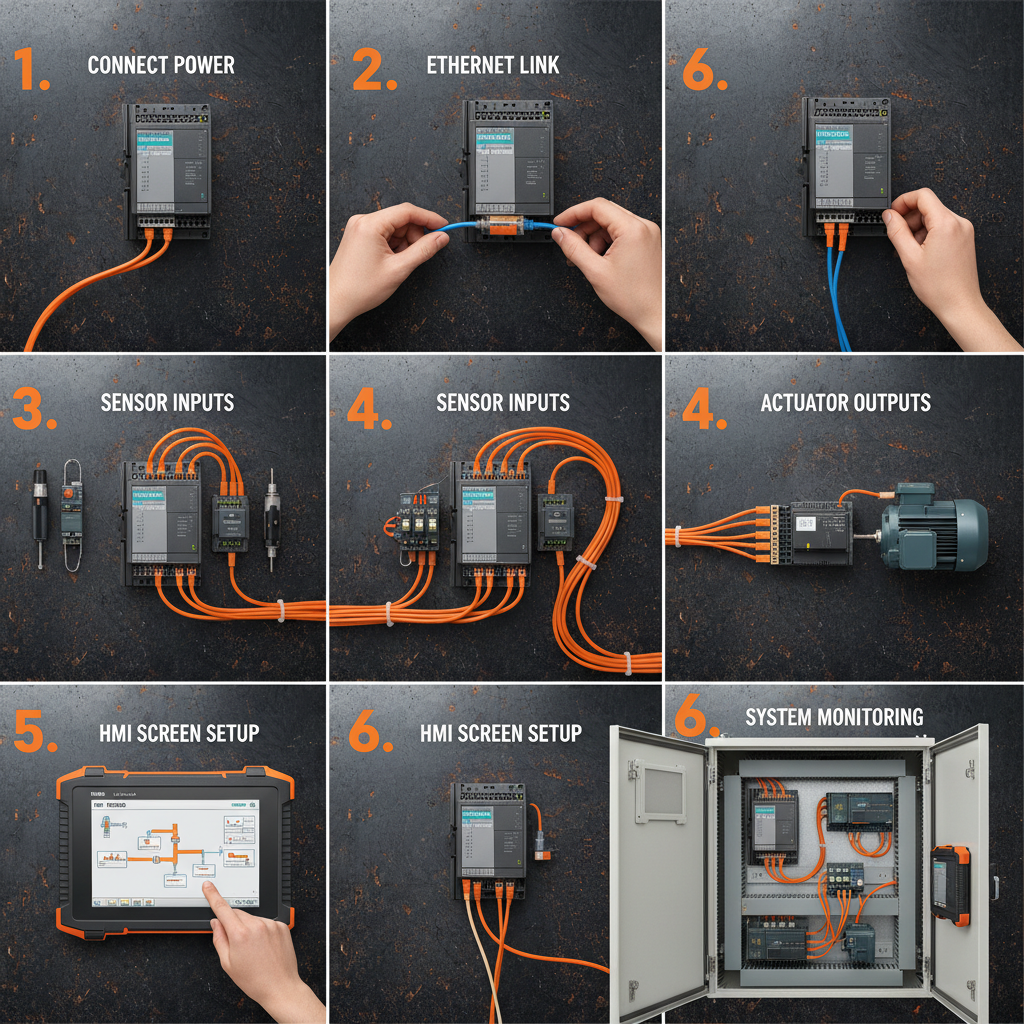
Leading VFD Manufacturers: High-Performance Variable Frequency Drives
Navigating the Landscape of Advanced VFD Manufacturing
The industrial sector's increasing demand for energy efficiency, precise process control, and robust automation solutions has placed vfd manufacturers at the forefront of innovation. Variable Frequency Drives (VFDs) are indispensable for optimizing motor-driven systems, offering substantial energy savings and enhanced operational flexibility. This article delves into the intricate world of VFD manufacturing, exploring the critical processes, technical advancements, and strategic considerations for B2B decision-makers seeking reliable variable frequency drive suppliers.
Understanding the core competencies of leading vfd manufacturers is paramount for selecting solutions that meet stringent industry standards and application-specific requirements. From intricate component sourcing to rigorous testing protocols, every step in the VFD production lifecycle contributes to the final product's performance and longevity. We will examine the key aspects that define excellence in this specialized field, providing insights into what distinguishes a market-leading variable frequency drive supplier.
Industry Trends Shaping Variable Frequency Drive Manufacturing
The landscape for variable frequency drives manufacturers is dynamic, driven by several overarching trends. Key among these is the escalating focus on energy conservation and decarbonization across industries. Modern VFDs are engineered for higher efficiencies, often exceeding 98% in optimal conditions, leading to significant reductions in operational costs and carbon footprint. The integration of advanced control algorithms, such as vector control and direct torque control (DTC), allows for unprecedented precision in motor speed and torque management, critical for complex industrial processes.
Another prominent trend is the adoption of Industrial Internet of Things (IIoT) and Industry 4.0 paradigms. Leading vfd manufacturers are incorporating smart functionalities into their products, enabling remote monitoring, predictive maintenance, and seamless integration with broader automation systems. This connectivity not only enhances operational visibility but also allows for data-driven optimization of industrial processes. Furthermore, the push towards compact designs and modularity is addressing space constraints in modern facilities, while the development of drives with enhanced cybersecurity features safeguards critical infrastructure from evolving digital threats.
Materials science also plays a crucial role. Advances in semiconductor technology, particularly with Silicon Carbide (SiC) and Gallium Nitride (GaN) power devices, are paving the way for VFDs that operate at higher switching frequencies, reduce losses, and tolerate higher temperatures, pushing the boundaries of what is possible in power electronics.
Detailed Manufacturing Process of VFDs
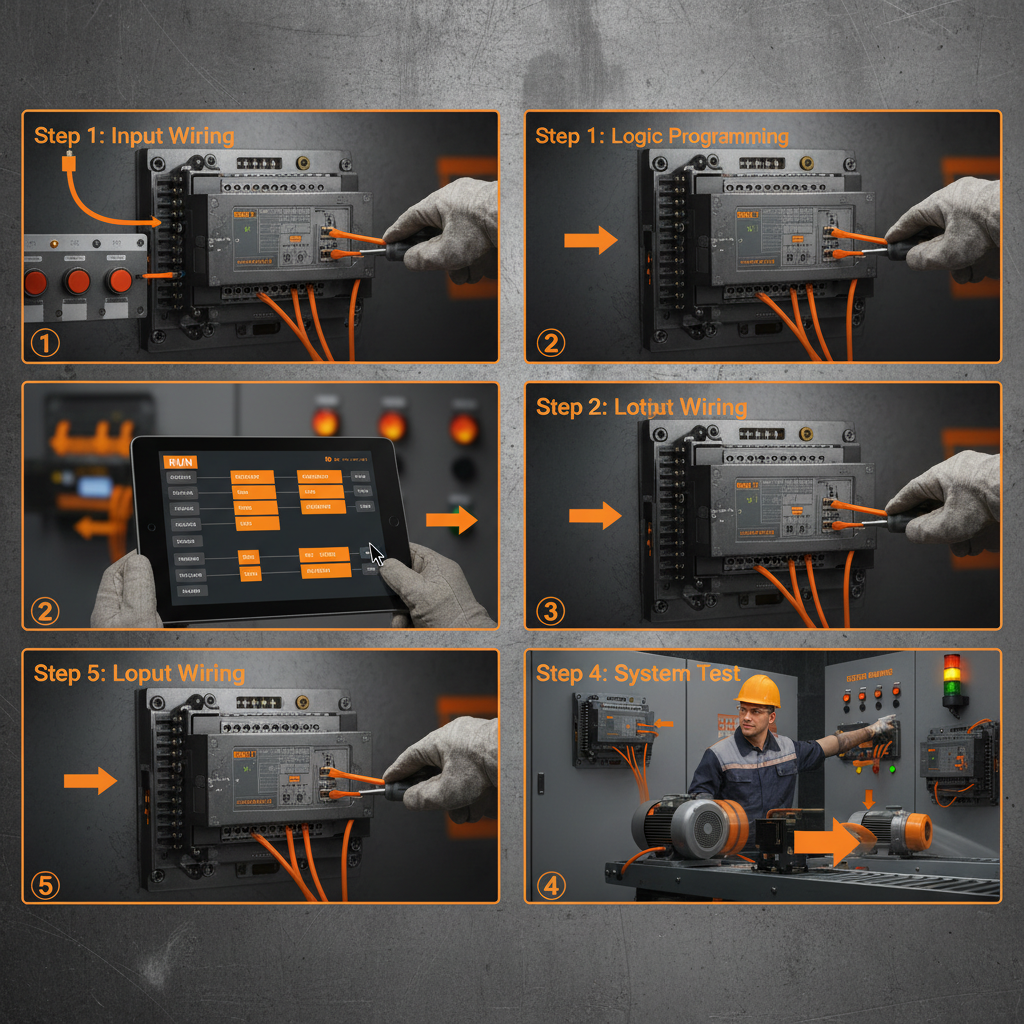
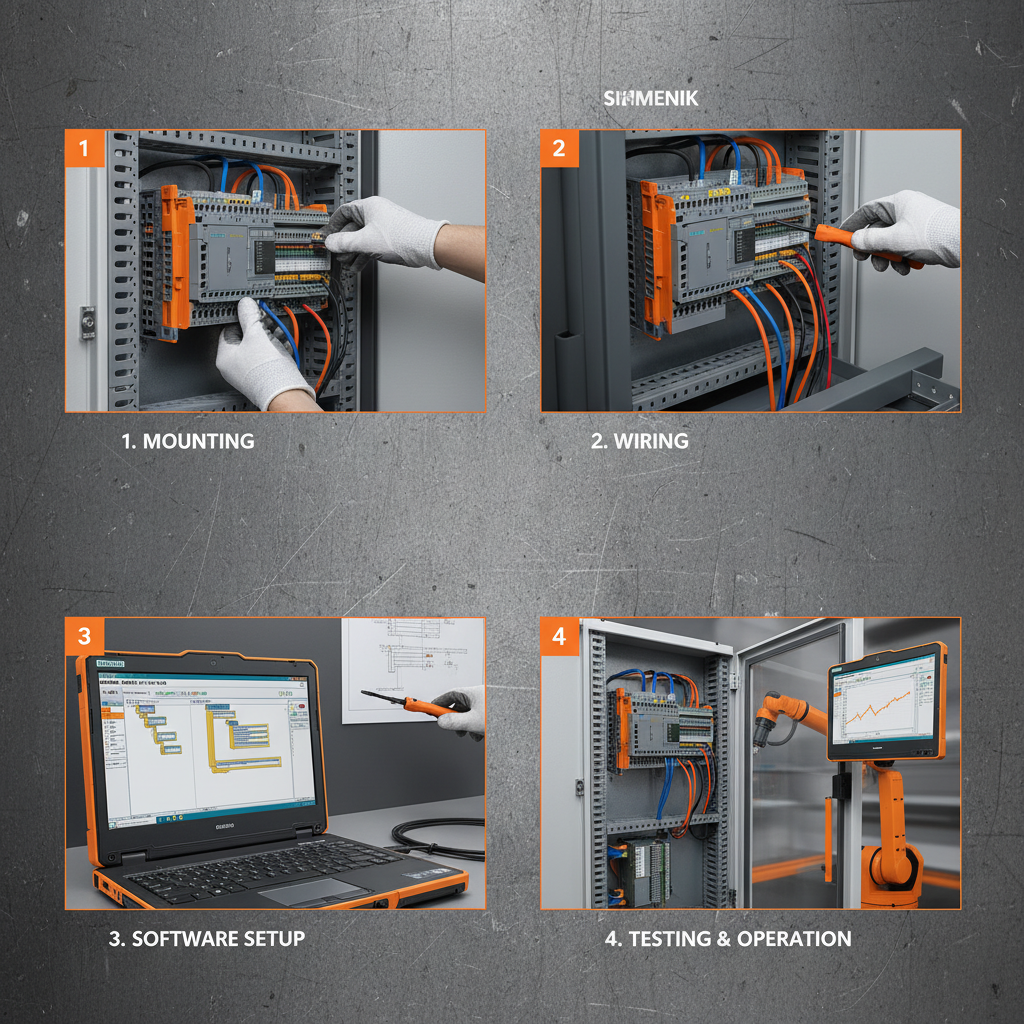
The creation of a high-performance VFD is a multi-stage process, demanding meticulous attention to detail and adherence to stringent quality controls. Reputable vfd manufacturers follow a comprehensive process flow to ensure product reliability and efficiency.
-
1. Research & Development (R&D) and Design:
This initial phase involves conceptual design, circuit simulation, firmware development, and mechanical design. Engineers utilize advanced CAD/CAE tools to optimize layouts, thermal management, and electromagnetic compatibility (EMC). Material selection is critical, focusing on components like high-grade copper for busbars, specialized capacitors with extended lifespans (e.g., film or electrolytic capacitors rated for 100,000+ hours), and robust insulated-gate bipolar transistors (IGBTs) or MOSFETs for power switching.
-
2. Component Sourcing and Quality Control:
Raw materials and electronic components are procured from certified suppliers. This includes microcontrollers, gate drivers, power semiconductors, printed circuit boards (PCBs), enclosures (often sheet metal or impact-resistant plastics), and cooling solutions (fans, heatsinks). Strict Incoming Quality Control (IQC) procedures verify components against specifications, often using automated optical inspection (AOI) and X-ray analysis for critical parts.
-
3. PCB Fabrication & Assembly (PCBA):
PCBs are manufactured to precise specifications. Assembly involves automated Surface Mount Technology (SMT) for smaller components and through-hole technology for larger, power-handling components. Automated soldering, often using wave or reflow soldering techniques, ensures reliable electrical connections. Post-assembly, PCBs undergo further AOI and in-circuit testing (ICT).
-
4. Enclosure Manufacturing:
VFD enclosures are typically made from steel, aluminum, or engineering plastics, chosen for durability, thermal conductivity, and environmental protection (e.g., IP20 for general use, IP66 for harsh environments). Processes like laser cutting, CNC punching, bending, welding, and powder coating are employed to create precise, robust housings that meet NEMA or IEC protection standards. Anti-corrosion treatments are essential for VFDs destined for petrochemical or marine applications.
-
5. Final Assembly & Power Module Integration:
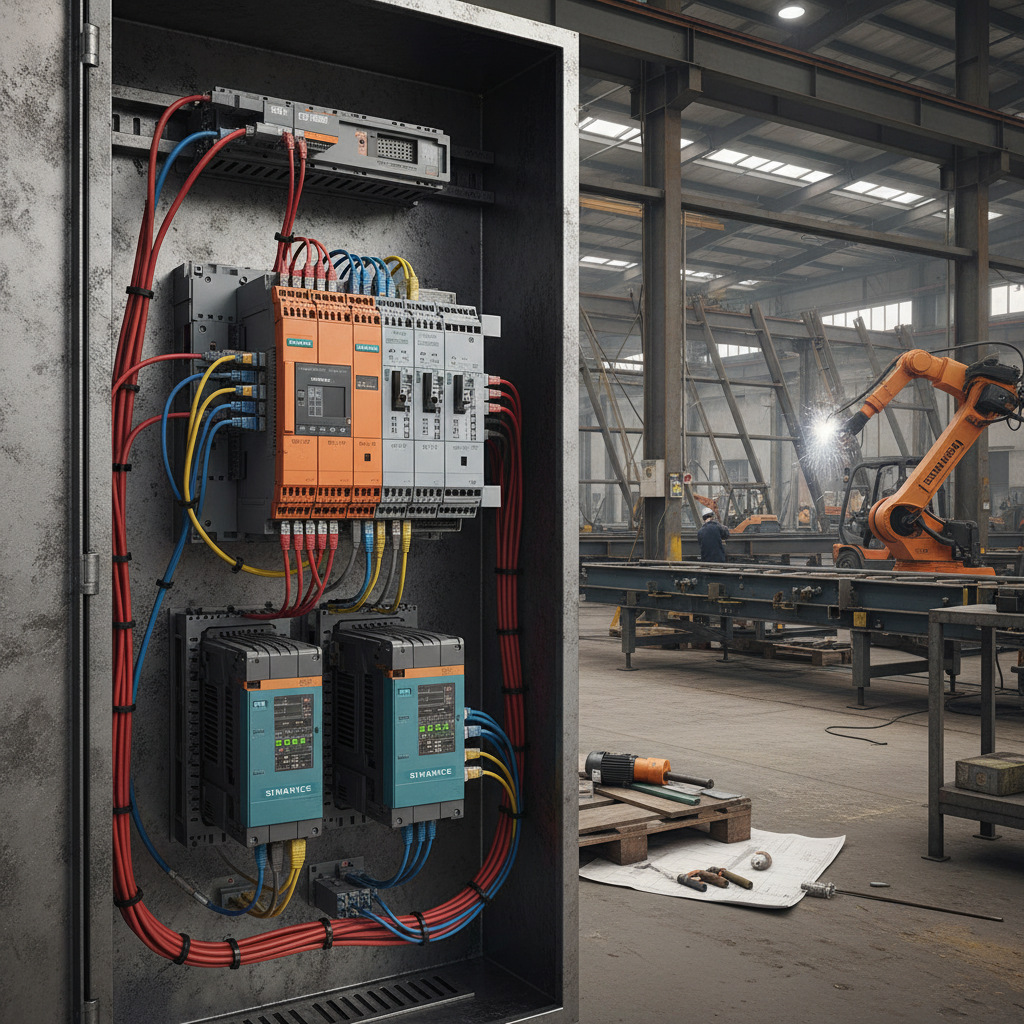
The assembled PCBs, power modules (including IGBTs and DC-link capacitors), heatsinks, fans, and input/output terminals are meticulously integrated into the enclosure. Wiring harnesses are routed and secured, ensuring optimal electrical isolation and thermal pathways.
-
6. Software Flashing & Initial Parameterization:
The VFD's firmware is loaded and configured. Initial functional tests are performed to ensure all control circuits, communication interfaces, and safety features are operational.
-
7. Rigorous Testing & Quality Assurance:
This is a critical phase. VFDs undergo a series of comprehensive tests:
- Functional Testing: Verifying control modes, speed accuracy, torque response, and protection features under various load conditions.
- Burn-in Testing: Operating the VFDs at elevated temperatures and loads for extended periods (e.g., 24-72 hours) to identify early component failures, significantly enhancing the service life (typically 10-15 years for industrial-grade VFDs).
- Environmental Testing: Simulating extreme conditions like high/low temperatures, humidity, vibration, and shock to ensure performance in target industries such as petrochemical, metallurgy, and water supply & drainage.
- EMC/EMI Testing: Ensuring compliance with standards like IEC 61800-3 to prevent electromagnetic interference with other equipment.
- Safety Standard Compliance: Verification against standards such as ISO 13849 (functional safety), UL, and CE directives.
-
8. Final Inspection & Packaging:
A final visual inspection and packaging according to international shipping standards, with appropriate shock absorption and moisture protection.
Advantages in typical application scenarios: The meticulous manufacturing process ensures advantages such as superior energy saving (e.g., 20-50% in pump/fan applications), exceptional corrosion resistance for drives in harsh chemical environments, and enhanced motor life due to soft starts and precise control.
Key Technical Specifications of Modern VFDs
Understanding the technical parameters is crucial for selecting the appropriate VFD for industrial applications. Leading variable frequency drive suppliers offer a range of products tailored to different power ratings, control requirements, and environmental conditions. Below is a representative table of common VFD specifications.
| Parameter | Description | Typical Range/Value |
|---|---|---|
| Input Voltage | AC power supply voltage | 200-240V (single/three-phase), 380-480V (three-phase), 525-690V (three-phase) |
| Output Power Range | Motor power capacity | 0.1 kW - 1.5 MW |
| Output Frequency Range | Adjustable output frequency to motor | 0 - 500 Hz (Standard), up to 1500 Hz (High Speed) |
| Control Method | Technique for motor control | V/f control, Sensorless Vector Control (SVC), Closed-loop Vector Control (FVC), Direct Torque Control (DTC) |
| Overload Capacity | Ability to handle temporary current peaks | 150% for 60s, 180% for 3s (Heavy Duty); 120% for 60s (Light Duty) |
| Efficiency | Energy conversion efficiency | >97% (typically 98-99% at rated load) |
| IP Rating (Enclosure) | Ingress Protection against solids and liquids | IP20 (open panel), IP54 (dust & splash proof), IP66 (dust tight & powerful jet proof) |
| Communication Interfaces | Protocols for external communication | Modbus RTU/TCP, Profibus DP, PROFINET, EtherNet/IP, CANopen, DeviceNet |
| Operating Temperature | Ambient temperature range for operation | -10°C to +50°C (derating above 40°C) |
These specifications underscore the technical sophistication offered by top vfd manufacturers. The ability to precisely manage motor speed and torque allows for significant energy savings, especially in variable load applications like pumps and fans, where energy consumption is proportional to the cube of the speed. Furthermore, soft-start capabilities extend motor and mechanical system lifespan by reducing mechanical stress.
Application Scenarios Across Diverse Industries
VFDs are integral to modern industrial operations, enhancing efficiency and control across a multitude of sectors. The versatility offered by experienced variable frequency drive suppliers means tailored solutions for specific challenges.
- Petrochemical Industry: VFDs control pumps, compressors, and mixers, critical for precise flow control and process optimization. Their robust design, often with explosion-proof or harsh-environment ratings, ensures reliable operation in hazardous areas. For instance, controlling large refinery pumps with VFDs can yield 30-40% energy savings.
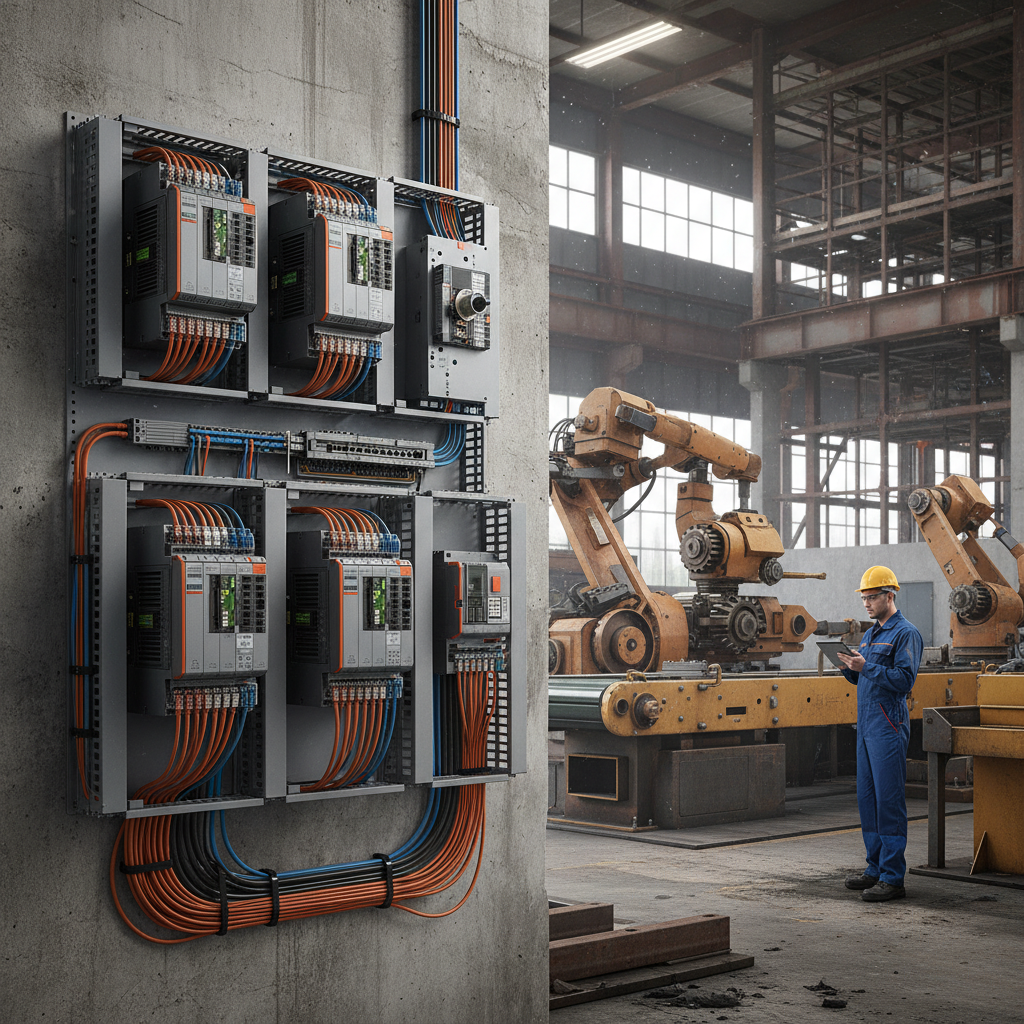
- Metallurgy: In steel mills and metal processing plants, VFDs are used for controlling rolling mills, conveyors, and crane hoists. They provide the necessary torque and speed control for heavy loads and rapid acceleration/deceleration, improving product quality and reducing mechanical wear.
- Water Supply & Drainage: VFDs are extensively used in municipal water treatment plants and pumping stations. By precisely matching pump speed to demand, they eliminate the need for throttling valves, significantly reducing energy consumption and water hammer effects, thus extending pump and pipe network life. A typical large pumping station can achieve 25-50% energy savings by implementing VFDs.
- HVAC Systems: In commercial and industrial buildings, VFDs regulate the speed of fans and pumps in heating, ventilation, and air conditioning systems. This optimizes airflow and water circulation based on real-time demand, leading to substantial energy savings and improved occupant comfort.
- Food & Beverage: For conveyors, mixers, and bottling lines, VFDs offer precise speed control, crucial for maintaining product consistency and throughput. Stainless steel enclosures and wash-down ratings are often required.
- Mining: Heavy-duty VFDs are deployed in conveyors, crushers, and ventilation fans, where they provide high starting torque, robust operation in dusty environments, and energy efficiency for large motor loads.
These varied applications highlight the critical role of robust and adaptable VFD technology, provided by innovative vfd manufacturers, in driving industrial progress and sustainability.
Technical Advantages and Customization Options
Beyond basic speed control, modern VFDs offer a suite of technical advantages that contribute to their widespread adoption:
- Energy Efficiency: As discussed, VFDs drastically reduce energy consumption in variable torque applications by adjusting motor speed to actual load requirements. This is arguably their most significant advantage.
- Process Optimization: Precision control over motor speed and torque allows for fine-tuning of industrial processes, leading to improved product quality, reduced waste, and increased throughput.
- Extended Equipment Life: Soft starting and stopping capabilities eliminate mechanical shock and stress on motors, gearboxes, and connected machinery, significantly extending their operational lifespan and reducing maintenance costs.
- Power Factor Correction: Many advanced VFDs incorporate features to improve the power factor, reducing reactive power consumption and avoiding utility penalties.
- Harmonic Mitigation: Modern VFDs are designed with built-in or external harmonic filters (e.g., active front ends) to comply with IEEE 519 standards, preventing distortion of the electrical grid.
- Diagnostic Capabilities: Integrated diagnostics and fault logging provide valuable insights into motor and drive performance, facilitating troubleshooting and predictive maintenance.
Customized Solutions from VFD Manufacturers:
Recognizing that no two industrial applications are identical, leading variable frequency drives manufacturers offer extensive customization options:
- Application-Specific Firmware: Tailoring control algorithms for specialized machinery like cranes, extruders, or multi-motor systems.
- Enclosure Modifications: Custom IP ratings (e.g., NEMA 4X for wash-down, NEMA 7 for hazardous locations), corrosion-resistant materials (e.g., stainless steel), or integrated cooling solutions.
- Integrated PLCs/Controllers: Embedding programmable logic controller (PLC) functionality directly into the VFD for compact, integrated automation solutions.
- Communication Protocol Integration: Support for specific fieldbus or industrial Ethernet protocols not standard in off-the-shelf units.
- Braking Options: Dynamic braking resistors or regenerative braking units for applications requiring rapid deceleration or energy recovery.
- Retrofit Solutions: Designing VFDs to seamlessly integrate into existing motor control centers or legacy systems with minimal disruption.
This level of customization is a hallmark of an expert variable frequency drive supplier, demonstrating deep industry knowledge and engineering capabilities.
Vendor Comparison: Selecting the Right VFD Manufacturer
Choosing among the many vfd manufacturers requires careful consideration of several factors beyond just initial cost. Evaluating technical capabilities, support infrastructure, and industry reputation is crucial.
| Feature/Criteria | Manufacturer A (Premium) | Manufacturer B (Mid-Range) | Manufacturer C (Value-Oriented) |
|---|---|---|---|
| Product Range | Comprehensive (LV, MV, HV, specialized drives) | Broad (primarily LV, some MV) | Focused (standard LV drives) |
| Advanced Control Features | DTC, Adaptive Control, Integrated Safety (SIL3) | SVC, FVC, Basic Safety Functions | V/f control, Basic SVC |
| IIoT & Connectivity | Extensive cloud integration, all major protocols | Standard Ethernet/fieldbus options, some remote monitoring | Modbus RTU/TCP often standard |
| Environmental Ratings | Wide range (IP20-IP66), NEMA 4X, specialized certifications | Common (IP20, IP54), some NEMA 1/12 | Mostly IP20, some IP54 |
| Global Support & Service | Extensive global network, 24/7 support, training | Regional support centers, online resources | Local distributors, limited direct support |
| Warranty Period | 2-3 Years Standard, extended options | 1-2 Years Standard | 1 Year Standard |
| Lead Time (Avg.) | 2-4 Weeks (standard), 6-12 Weeks (custom) | 1-3 Weeks (standard), 4-8 Weeks (custom) | Immediate to 2 Weeks (standard) |
This table illustrates that while all variable frequency drive manufacturers provide functional products, the depth of features, support, and customization varies significantly. For mission-critical applications or those requiring specialized environmental protection, investing in a premium supplier often yields greater long-term reliability and lower total cost of ownership (TCO).
Application Case Study: Energy Optimization in a Water Treatment Plant
Client: Major Municipal Water Authority
Challenge: A large municipal water treatment plant faced escalating energy costs due to fixed-speed pumps operating continuously, even during periods of low water demand. The system relied on throttling valves to regulate flow, which is inherently inefficient and leads to premature wear of pumps and valves. The authority sought a solution to reduce energy consumption, extend equipment lifespan, and improve overall operational efficiency without compromising water supply reliability.
Solution: After a comprehensive energy audit and system analysis, the water authority partnered with a leading variable frequency drive supplier. The solution involved retrofitting existing fixed-speed centrifugal pumps (ranging from 50 kW to 200 kW) with advanced VFDs featuring integrated pump control functionalities. These VFDs were equipped with sensorless vector control for optimal motor efficiency and Modbus TCP communication for seamless integration into the plant's SCADA (Supervisory Control and Data Acquisition) system.
Implementation: The installation was meticulously planned to minimize downtime, occurring in phases. Each VFD was commissioned with application-specific parameters, including PID loops for pressure control and pump alternation logic to ensure even wear on the pump array. Our experienced engineers provided on-site training to the plant's maintenance staff on VFD operation, troubleshooting, and preventive maintenance practices. The solution also included an extended 3-year warranty and a commitment to 24/7 technical support.
Results & Customer Feedback:
- Energy Savings: The plant achieved an average energy reduction of 35% across the pumping stations, translating to an annual saving of over $250,000 in electricity costs. This surpassed the initial projection of 30%.
- Extended Equipment Life: The soft-start and soft-stop features of the VFDs significantly reduced mechanical stress on pumps and piping, leading to a 20% estimated increase in pump lifespan and reduced maintenance requirements.
- Improved Control: Water pressure fluctuations were virtually eliminated, ensuring consistent supply and reducing pipe bursts. The SCADA integration provided real-time performance data, allowing operators to optimize pump schedules dynamically.
- Environmental Impact: The reduction in energy consumption led to a significant decrease in the plant's carbon footprint, aligning with the municipal authority's sustainability goals.
The client provided positive feedback, noting, "The VFDs provided by [Supplier Name - omitted as generic] have transformed our pumping operations. The energy savings are substantial, and our equipment is running smoother than ever. The support from their team was exceptional, making the transition seamless." This case demonstrates the tangible benefits derived from partnering with expert vfd manufacturers.
Frequently Asked Questions (FAQ)
- Q: What is the typical lifespan of a VFD?
- A: With proper installation, environmental conditions, and maintenance, industrial-grade VFDs typically have a service life of 10 to 15 years. Key components like DC link capacitors are often the limiting factor, but modern VFDs use long-life components and advanced thermal management to extend this. Regular cleaning of heatsinks and fan replacement can significantly contribute to longevity.
- Q: How do VFDs save energy?
- A: VFDs save energy primarily by adjusting the motor's speed to match the load requirement. In variable torque applications (like pumps and fans), reducing motor speed by a small percentage can lead to significant energy savings, as power consumption is proportional to the cube of the speed (affinity laws). For example, a 20% speed reduction can result in nearly 50% energy savings.
- Q: Are VFDs compatible with all motor types?
- A: VFDs are primarily designed for controlling standard AC induction motors. They can also control permanent magnet (PM) motors, synchronous reluctance motors, and sometimes DC motors with appropriate drive configurations. It's crucial to select a VFD that matches the motor type and ensures proper motor insulation for VFD operation to prevent premature motor failure due to voltage spikes.
- Q: What environmental considerations are important when installing a VFD?
- A: Key considerations include ambient temperature (VFDs generate heat, so adequate cooling/ventilation is vital), humidity, dust, corrosive gases, and altitude. Ensure the VFD's IP rating matches the environmental conditions (e.g., IP66 for outdoor or wash-down areas) and that derating guidelines are followed for high temperatures or altitudes.
- Q: What are the typical lead times for custom VFD solutions?
- A: Standard VFD models typically have lead times ranging from immediate stock availability to 2-4 weeks. For highly customized VFD solutions, involving specific enclosures, software modifications, or integrated systems, lead times can extend from 6 to 12 weeks, depending on complexity and component availability. Reputable vfd manufacturers will provide clear timelines during the quotation phase.
Lead Time & Fulfillment
Our commitment as a leading variable frequency drive supplier is to ensure timely delivery and efficient fulfillment. For standard configurations, we maintain a robust inventory to support rapid deployment, often allowing for shipment within 1-2 business days. For larger orders or projects requiring specific power ratings and features, typical lead times are 2-4 weeks from order confirmation.
Customized VFD solutions, encompassing specialized enclosures, application-specific firmware, or integrated control panels, are subject to detailed project planning. Our engineering team collaborates closely with clients to define specifications, and custom lead times are provided based on design complexity, material sourcing, and production schedules, typically ranging from 6 to 12 weeks. We utilize advanced logistics and supply chain management to ensure transparency and efficiency throughout the fulfillment process.
Warranty & After-Sales Support
We stand by the quality and reliability of our VFD products. All our VFDs come with a standard 2-year warranty from the date of purchase, covering manufacturing defects and component failures under normal operating conditions. Extended warranty options, up to 5 years, are available for critical applications or specific project requirements, offering enhanced peace of mind.
Our after-sales support is designed to provide comprehensive assistance throughout the product lifecycle. This includes:
- 24/7 Technical Support: Our team of expert engineers is available around the clock to assist with installation, commissioning, troubleshooting, and application queries.
- On-site Services: For complex issues or large-scale installations, we offer on-site support, including diagnostics, repairs, and preventative maintenance services.
- Training Programs: We provide comprehensive training courses for client personnel, covering VFD operation, programming, and maintenance best practices.
- Genuine Spare Parts: A readily available inventory of genuine spare parts ensures quick replacements and minimal downtime.
- Software Updates: Access to the latest firmware and software updates to ensure optimal performance and access to new features.
This robust support infrastructure ensures that our clients receive the highest level of service, reinforcing our position as a trusted variable frequency drive supplier committed to long-term partnerships.
Conclusion
The selection of the right vfd manufacturers is a strategic decision that directly impacts operational efficiency, energy consumption, and equipment longevity across industrial applications. From the intricate manufacturing processes and rigorous testing standards to the provision of tailored technical solutions and comprehensive after-sales support, the expertise of a reputable variable frequency drive supplier is invaluable. As industries continue to evolve towards greater automation and sustainability, the demand for advanced, reliable, and energy-efficient VFDs will only grow, underscoring the critical role played by innovative manufacturers in this sector.
By prioritizing factors such as technical prowess, customization capabilities, and long-term support, B2B decision-makers can ensure they invest in VFD solutions that not only meet current operational demands but also future-proof their industrial infrastructure.
References:
- International Electrotechnical Commission (IEC) Standards for Adjustable Speed Electrical Power Drive Systems.
- Institute of Electrical and Electronics Engineers (IEEE) Standard 519 for Harmonic Control in Electric Power Systems.
- U.S. Department of Energy (DOE) publications on Motor and Drives Energy Savings.
- ISO 9001:2015 Quality Management Systems – Requirements.
- ABB Drives Technical Guides and White Papers on VFD technology.