Tianjin Yongkai International Trade Co., Ltd.

Get In Touch
Optimize Energy Use with a 3 HP VFD Drive – Features, Benefits & Trends
What Is a 3 HP VFD Drive and Why Should We Care?
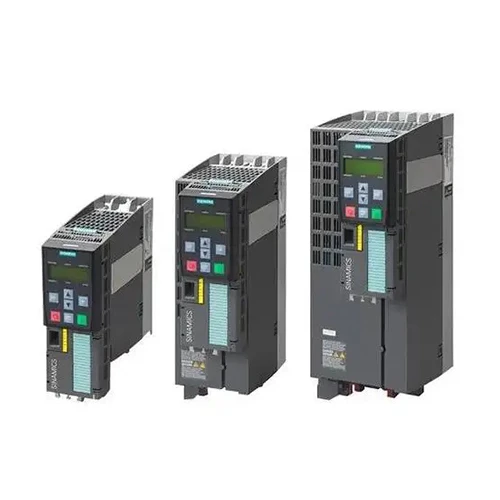
A "3 hp VFD drive" — or a 3-horsepower variable frequency drive — might sound like jargon tossed around mainly by engineers, but it’s far more than just that. It’s a tiny tech pivot that’s quietly but steadily reshaping industries worldwide—from manufacturing plants in Germany to water pumping stations in remote African villages. At its core, a VFD controls the speed and torque of electric motors, helping machines run smarter, cheaper, and cleaner. In a world where energy efficiency isn’t just nice-to-have but a mandate (thanks, climate change and rising costs), understanding how devices like the 3 hp VFD drive operate can mean the difference between throwing away thousands in wasted electricity or saving enough to fund critical projects. Simply put, these drives help machines adapt to actual demand rather than just running flat out all the time. Mini takeaway: If you ever thought a small motor controller is just a detail, think again. 3 hp VFD drives are the subtle workhorses powering efficiency gains globally.Global Industry Context: Why 3 HP VFD Drives Matter Now
Energy consumption in industry accounts for roughly 54% of global electricity use, according to the International Energy Agency (IEA). And here's the kicker: electric motors consume up to 70% of industrial electricity worldwide. That’s a massive opportunity to cut costs and emissions just by optimizing motor speed. A 3 hp VFD drive fits perfectly into this landscape because it’s a common motor size in many industrial and commercial applications—think pumps, fans, conveyors, and HVAC systems. Their global adoption is growing thanks to rising energy prices and stricter environmental regulations pushed by bodies like the United Nations and ISO standards on energy management (ISO 50001). Yet many facilities still keep motors running at full speed, wasting energy and incurring avoidable maintenance costs. The problem? Either lack of awareness or upfront investment hurdles. Mini takeaway: The 3 hp VFD drive might just be one of the easiest energy-saving wins still underexploited worldwide.Understanding the 3 HP VFD Drive: Definition and Industrial Relevance
Simply put, a variable frequency drive (VFD) controls the frequency and voltage supplied to an electric motor. The "3 hp" denotes that the drive is sized to control motors rated around three horsepower (~2.2 kW). By adjusting the motor’s speed to the actual load rather than running at full speed all the time, VFDs increase efficiency and extend equipment life. This is pivotal in industries relying on motors with variable workloads — for example: - HVAC systems adjusting airflow based on demand. - Pumps controlling water flow precisely. - Conveyors adapting to variable production speeds. Oddly enough, this technical tweak also supports humanitarian needs in places with erratic power supply, enabling resilient, controllable pump systems for clean water. Mini takeaway: A 3 hp VFD drive is both an efficiency and reliability tool bridging industrial performance and real-world challenges.Key Attributes of 3 HP VFD Drives That Make a Difference
1. Energy Efficiency
By matching motor speed to exact requirements, these drives can cut motor energy consumption by 20-50%, depending on load variations.2. Durability and Reliability
Many units are engineered for tough environments, including dust, humidity, and voltage fluctuations — vital for both industrial plants and remote installations.3. Scalability and Flexibility
3 hp drives find use across various applications — from small factory conveyors to commercial HVAC fans — making them incredibly versatile.4. Cost-effectiveness
While upfront cost exceeds a simple motor starter, energy-saving pays back within a few years, sometimes faster — plus, reduced mechanical wear lowers maintenance.5. Advanced Digital Features
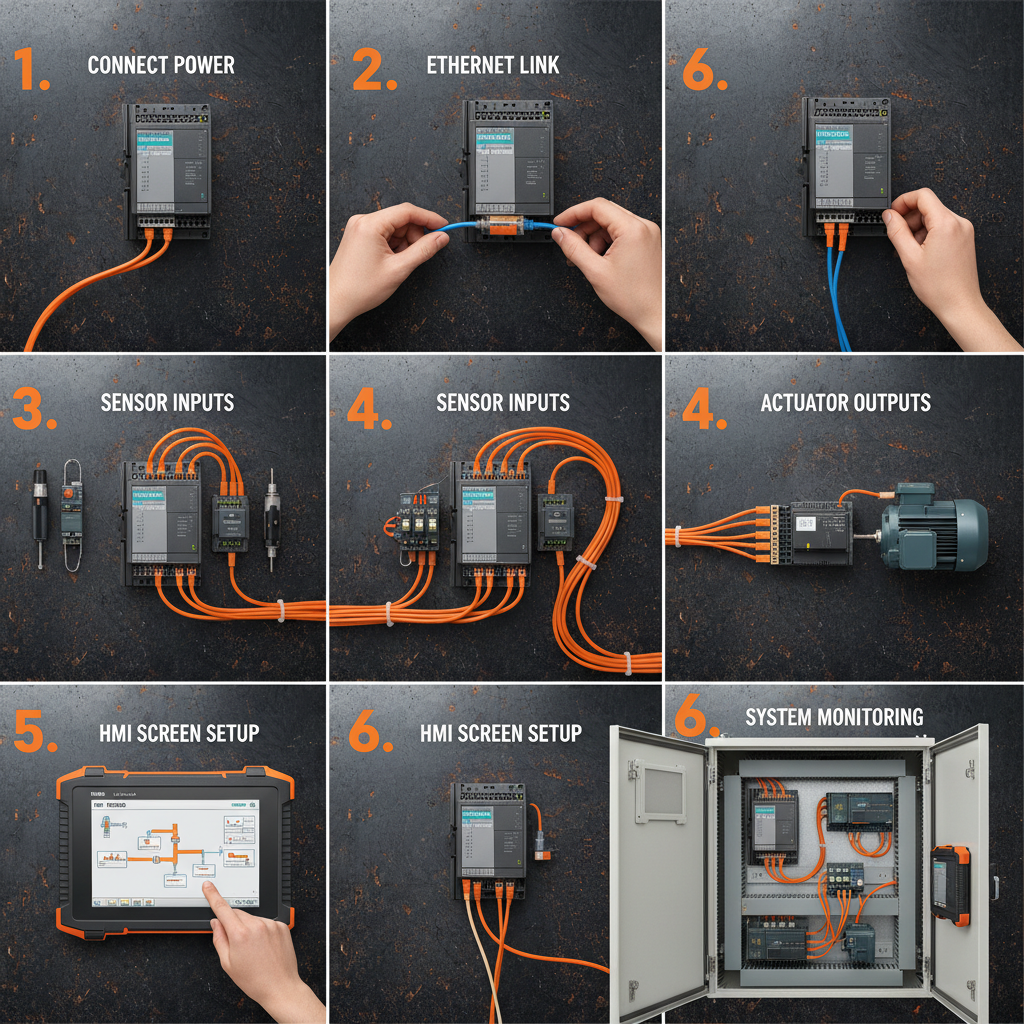
Modern VFDs include interfaces for remote monitoring, integration with smart factory systems, and adaptive control algorithms.6. Safety and Compliance
Certified drives meet global safety and electromagnetic compatibility standards, reducing risk and ensuring smooth integration. Mini takeaway: It’s a package deal—energy savings, robustness, and intelligence rolled into a compact device.How 3 HP VFD Drives Are Changing the Game Globally
Across continents, their impact is visible in various cases: - Asia’s manufacturing hubs: Factories in China and South Korea retrofit older motors with VFDs to meet strict emission targets while boosting productivity. - Water utilities in Africa and South America: VFDs power variable-speed pumps that adapt to erratic power sources, ensuring steady water delivery. - European HVAC systems: Smart buildings use these drives to reduce energy waste, sometimes fully integrating them into IoT ecosystems. - Agricultural operations in Australia: Solar-powered irrigation systems managed with 3 hp VFD drives optimize water usage under changing conditions. In real terms, plants have reported up to 40% energy savings just by switching from standard motor starters to VFDs — not counting maintenance and operational reliability benefits. Mini takeaway: Different industries, different environments — yet the 3 hp VFD drive proves its worth everywhere it lands.Product Specification Table: Typical 3 HP VFD Drive Features
| Specification | Typical Value | Notes |
|---|---|---|
| Rated Power | 3 hp (2.2 kW) | Compatible with 3 hp motors |
| Input Voltage | 200–240 VAC, single or three-phase | Varies by model |
| Output Frequency | 0.01–400 Hz | Wide speed control range |
| Control Method | V/f, vector, sensorless vector | Options for precision control |
| Protection Features | Overload, short circuit, overheating | Extends device longevity |
| Communication | Modbus, CAN, Ethernet (optional) | For factory automation integration |
Vendor Comparison: Leading 3 HP VFD Drive Providers
| Feature/Brand | Brand A | Brand B | Brand C |
|---|---|---|---|
| Energy Efficiency | High (95%) | Medium (92%) | High (94%) |
| Digital Interface | Advanced touchscreen | Basic keypad | Mobile app support |
| Warranty | 3 years | 2 years | 5 years |
| Price | $$$ | $$ | $$$$ |
| Global Support | Yes | Limited | Yes |
The Long View: Advantages and Value Over Time
The benefits of a 3 hp VFD drive extend beyond just lower electricity bills. Many plant managers say the decreased mechanical stress from gradual motor ramp-ups prolongs equipment life — and that’s a huge plus when downtime costs thousands per hour. Sustainability-wise, cutting energy consumption fits neatly with corporate social responsibility goals, something increasingly scrutinized by both customers and investors. There’s also a subtle emotional payoff: operators trust machinery that responds predictably and safely, reducing the stress of unexpected failures. In humanitarian settings, reliable motor control means access to essentials is uninterrupted. That trust translates to preserved dignity, especially in sensitive contexts like disaster relief. Mini takeaway: The 3 hp VFD drive is as much about peace of mind as the numbers on the electric meter.Future Trends: What’s Ahead for 3 HP VFD Drives?
The evolution of drives is leaning heavily into digitalization and green tech. Expect to see: - Integration with IoT Platforms: Real-time motor health monitoring and predictive maintenance alerts. - Enhanced Energy Regeneration: Feeding energy back into the grid during slowing or braking. - New Materials: Silicon carbide (SiC) semiconductors that reduce losses and heat generation. - Solar & Battery Compatibility: Drives optimized for fluctuating power sources, supporting off-grid installations. - AI-Driven Adaptivity: VFDs learning optimal speed settings dynamically for even better efficiency. It feels like each year, “smart” and “connected” get redefined in the motor drives space...Challenges and How Experts Overcome Them
Despite the perks, some hurdles remain: - Initial Cost: Smaller operators sometimes balk at upfront expenses. - Complexity: Proper setup and programming require technical know-how. - Harmonics and Interference: VFDs can introduce electrical noise if not properly filtered. - Environmental Limits: Extreme conditions might limit standard units. Solution? Many companies offer simple commissioning tools and service packages, and harmonic filters have become standard add-ons. Plus, education efforts are climbing — I’ve noticed more online tutorials and user-friendly interfaces easing these issues all the time.FAQs About 3 HP VFD Drives
Q1: Can I retrofit a 3 hp VFD drive onto my existing motor?Yes, most motors can be retrofitted with VFD drives as long as motor insulation and sizing meet the drive’s specifications. It often requires a brief downtime but is generally straightforward. Q2: How much can I really save on electricity using a 3 hp VFD?
Savings vary widely based on load patterns but typically range from 20% to 50% compared to full-speed operation. Facilities with variable workloads see the biggest returns. Q3: Are these drives compatible with solar power systems?
Absolutely. Many modern 3 hp VFDs are designed to work with DC solar inverters or battery-backed power supplies, making them excellent for off-grid or renewable energy setups. Q4: What kind of maintenance does a 3 hp VFD require?
Periodic cleaning and checking for firmware updates usually suffice. Since there are fewer mechanical parts, failures are less frequent compared to traditional starters. Q5: Where can I find reliable 3 hp VFD drives?
Consider vendors with proven track records in energy efficiency and global support. Check product certifications and user reviews. If you want to start with a solid option, see 3 hp vfd drive for models worth exploring.