What Does a Variable Speed Drive Do? Explained Simply
What Does a variable speed drive do?
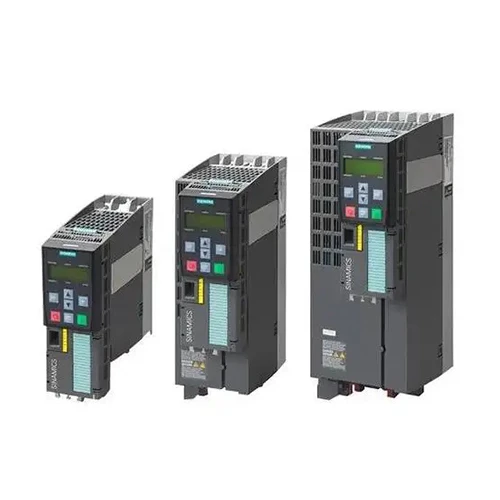
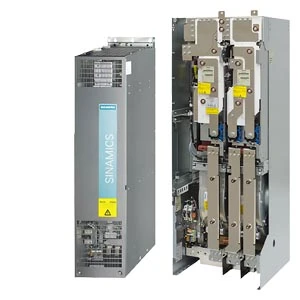
Having spent more than a decade knee-deep in the industrial equipment trenches, I’ve seen firsthand how variable speed drives (VSDs) quietly reshape the way machines work, save energy, and even extend equipment life. So, what does a variable speed drive actually do? Simply put, it adjusts the speed and torque of electric motors, allowing for precise control rather than just an all-or-nothing on/off operation.
Back in the day, many industrial processes relied on motors running at a fixed speed. It’s an approach as old as the belt drives themselves — you either had full throttle or nothing. But that kind of rigidity isn't just inefficient, it can stress mechanical parts unnecessarily. Enter the variable speed drive. It’s like giving motors a dimmer switch instead of a light bulb that’s either blazing or extinguished.
Now, you might ask, why bother with controlling motor speed so precisely? In real terms, it comes down to energy savings and process optimization. For example, a pump doesn’t always need to run full blast; slowing it down slightly often cuts energy use drastically. Many engineers I've talked to swear by the “soft start” feature of VSDs, which gradually ramps up motor speed, reducing mechanical wear and preventing power surges.
From a design standpoint, these drives rely on power electronics that convert fixed-frequency AC power into variable frequency and voltage output—meaning smoother control. And oddly enough, despite the technical complexity inside, installing a VSD isn't usually a huge headache. Sure, you have to do some tuning to match the motor and load, but once it’s set, the benefits start stacking almost immediately.
Here's a snapshot of typical specs for a reliable variable speed drive model often used in industries:
| Specification | Value |
|---|---|
| Input Voltage | 380V - 480V AC |
| Power Range | 0.75 kW to 500 kW |
| Control Method | PWM (Pulse Width Modulation) |
| Frequency Range | 0 - 400 Hz |
| Overload Capacity | 150% for 60 seconds |
| Communication Protocols | Modbus, CANopen, Ethernet/IP |
If you’re weighing different providers or tech, a quick comparison might come in handy. Here's a simple rundown of three top vendors for VSDs that I’ve worked with or seen regularly in the field:
| Vendor | Power Range | Special Features | Price Level |
|---|---|---|---|
| Tianjin Yongkai | 0.75 - 500 kW | Robust design, multi-protocol comms, easy integration | Mid-range |
| Siemens | 0.37 - 600 kW | Advanced diagnostics, broad configurability | Premium |
| Yaskawa | 0.4 - 450 kW | High efficiency, user-friendly panels | Mid to High |
Oddly enough, some of the best feedback I’ve collected isn’t about the specs but about everyday ease of use. One maintenance engineer told me that switching to a VSD from Tianjin Yongkai cut their motor failures dramatically — partly thanks to the soft start and, frankly, the build quality. It feels like the motor “breathes” easier, fewer mechanical shocks, you know?
Frankly, for industrial operators looking to reduce energy bills but avoid downtime, these drives often pay for themselves in less than two years. Customization options also abound, so if you need particular functionality—like integrated braking or tailored communication systems—you can usually get it without significant headaches.
In closing, a variable speed drive isn’t just a fancy gadget. It’s a practical workhorse that improves performance, saves energy, and even helps maintain equipment health over time. For anyone in the industrial gear game, understanding and utilizing variable speed drives is a sensible move—no question.
So, whether you’re replacing old motors or designing a new automated line, these drives deserve a close look. And if you want to explore options, you might as well start with a trusted name.
—John D., Industrial Equipment Specialist
References:
- IEEE Industry Applications Magazine: Energy Savings with Variable Frequency Drives
- “Motor VSDs: Fundamentals and Applications,” Electric Power Research Institute Report, 2021
- Tianjin Yongkai Official Product Documentation (tianjinyongkai.com)