Tianjin Yongkai International Trade Co., Ltd.

Get In Touch
230v Single Phase VFD – Efficient Motor Control and Energy Savings Worldwide
Understanding 230v Single Phase VFDs: Why They Matter Globally
When you hear “230v single phase VFD,” it might sound like a jumble of super technical words, but it’s actually a device that quietly plays a huge role in making the industrial and even humanitarian world tick smoothly. VFD stands for Variable Frequency Drive, and these little (or not so little) gadgets regulate the speed and boost efficiency of electric motors powered by single-phase 230-volt supplies — the kind used in homes, small factories, and many industrial zones worldwide. Globally, energy efficiency and control have skyrocketed in importance, especially as industries seek to cut costs, reduce carbon footprints, and get precise motor control to improve machinery lifespan. According to the International Energy Agency (IEA), motors consume about 45% of the total electricity used in industrial sectors worldwide, so better motor control is a real game changer. A 230v single phase VFD grants that control right at the source, offering not only energy savings but reduced mechanical wear, quieter operation, and versatile speed management. In simple terms, understanding and adopting these drives can lead to smarter energy use and smoother, more reliable motor operation — something industries and even humanitarian agencies, especially in regions struggling with unstable power grids, deeply appreciate.Mini takeaway: The 230v single phase VFD is a key innovation helping industries and communities save energy, boost efficiency, and manage motor-driven equipment smarter than ever.
Why 230v Single Phase VFDs Are Becoming Essential Worldwide
Power grids and energy demands differ a lot around the globe, but the story is almost always the same: energy costs are rising, and sustainability goals are growing stricter. The United Nations and ISO are pushing for better energy-efficient technologies across all industries, so tools like the 230v single phase variable frequency drive aren’t a luxury anymore — they’re essential. Take small and medium enterprises (SMEs) in rural or semi-urban areas where only single-phase 230-volt power is available. Without a VFD, motors run full speed 100% of the time, wasting energy and strain. A 230v single phase VFD lets these businesses tailor motor speed to the immediate need, cutting downtime, emissions, and maintenance costs. Oddly enough, despite their clear benefits, these drives are often underutilized simply because of cost- or knowledge barriers in developing regions. But once introduced, they become indispensable.Definition: So What Exactly Is a 230v Single Phase VFD?
A 230v single phase variable frequency drive is an electronic device designed to control the speed and torque of an AC motor supplied by a single-phase 230-volt power line. By converting the input to direct current (DC) and then inverting it back to controlled-frequency AC power, the VFD effectively manages motor speed — rather than having motors blindly run at full throttle. For factories, agricultural equipment, water pumps, HVAC systems, even disaster relief setups relying on machinery, these VFDs deliver precision and energy savings, feeding into larger sustainability efforts. It’s fascinating how one device connects basic electrical engineering with modern-day innovation and social impact.Core Components and Key Factors of 230v Single Phase VFDs
1. Energy Efficiency and Cost Savings
Controlling motor speed lowers energy consumption, often by 20-50%, which directly slashes electricity bills. I noticed from manufacturers’ specs that over the motor’s lifetime, the savings equal or exceed the purchase price of the drive itself — a no-brainer for many businesses.2. Durability and Reliability
Many engineers argue that a good VFD improves mechanical longevity by soft-starting motors and preventing sudden current surges — which traditional starters can’t do. This protects fan bearings, pump shafts, conveyor belts, etc., making downtime less frequent and costly.3. Scalability and Compatibility
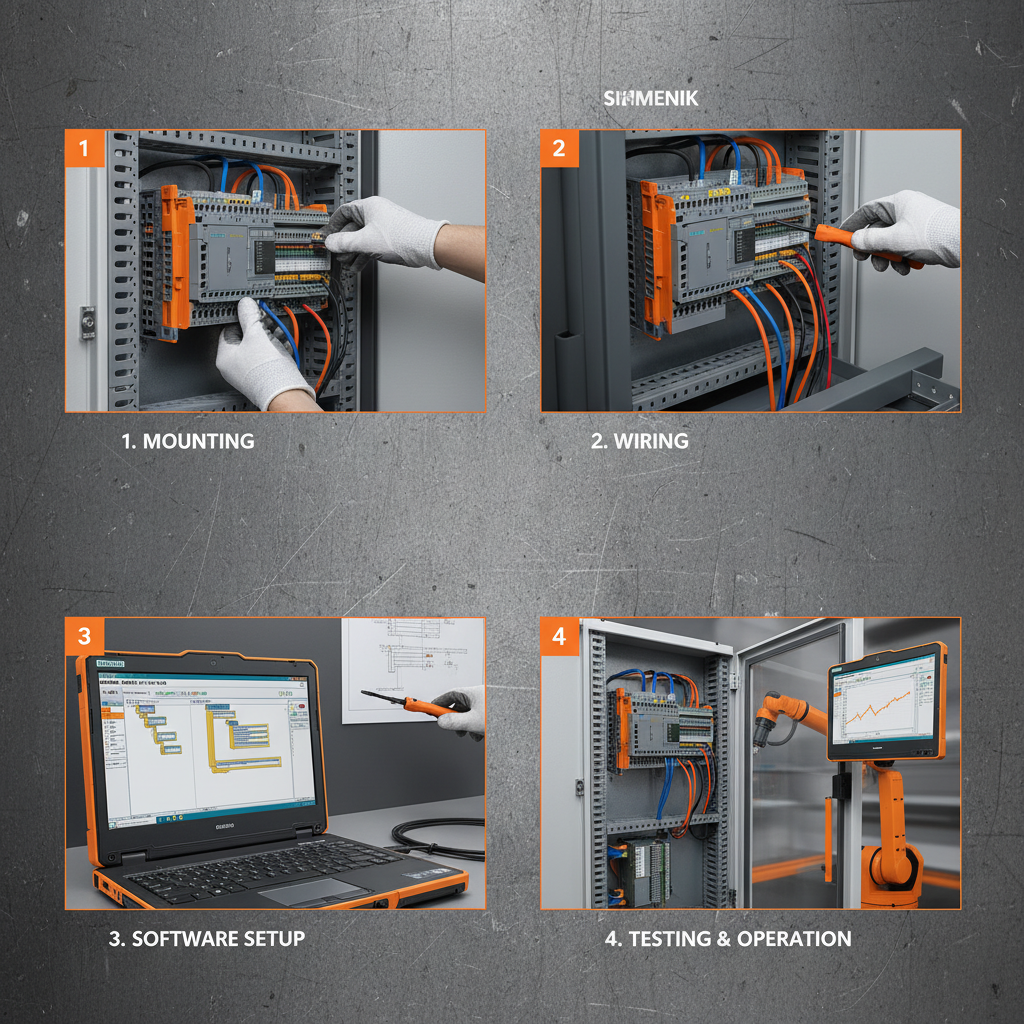
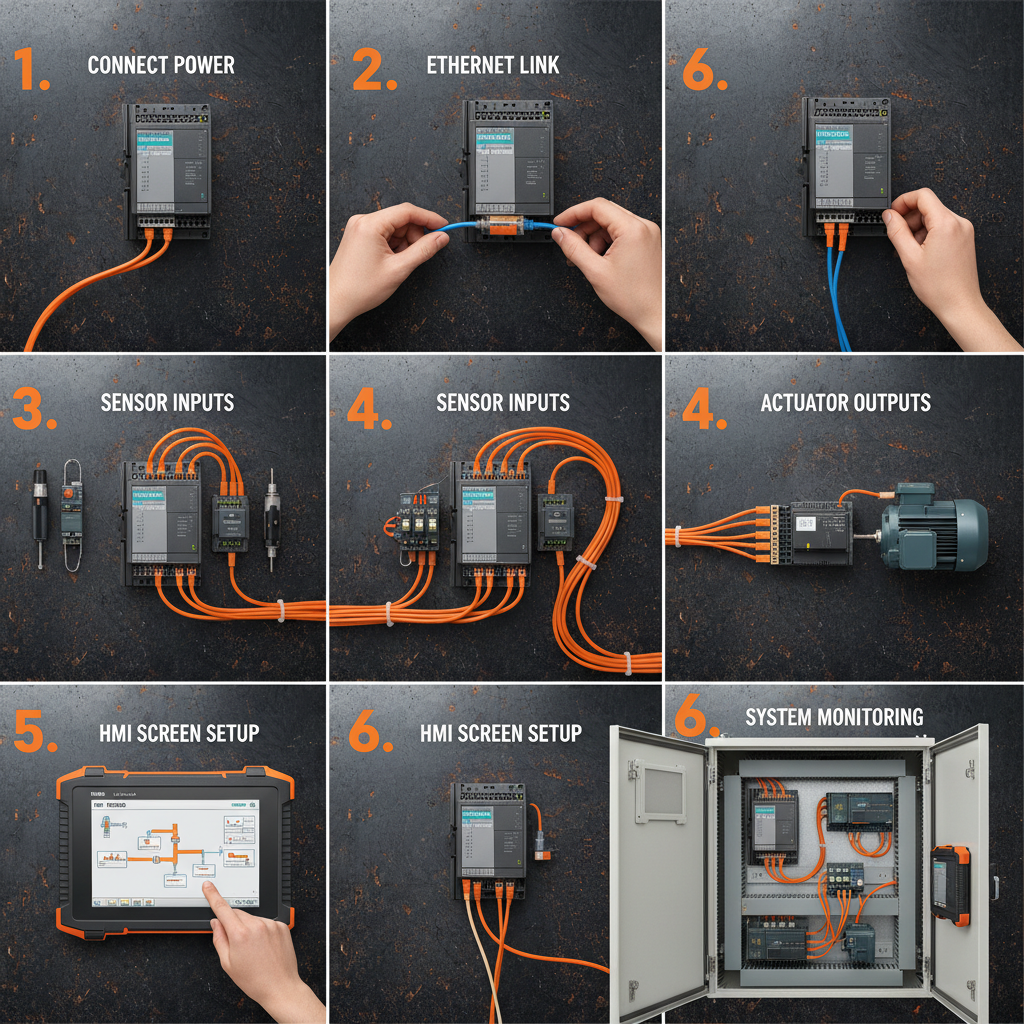
Whether you’re running a small workshop or a mid-sized factory, a 230v single phase VFD often supports different motor ratings. Plug-and-play designs with user-friendly interfaces mean less time fiddling and more time producing.4. Compactness and Installation Ease
Because these drives are relatively compact and lightweight, they fit tight spaces and can be retrofitted without major rewiring or plant modifications — big plus in older plants or temporary setups.5. Protection Features
Over-voltage, overload, under-voltage, and temperature safeguards keep things running safe. These smart protections extend equipment lifetime and protect costly machinery from electrical faults.Product Specification Table
| Specification | Typical Value / Detail |
|---|---|
| Input Voltage | 230V Single Phase (±15%) |
| Output Voltage | 0 – 230V Adjustable |
| Output Frequency | 0 – 400 Hz |
| Motor Compatibility | Single Phase Induction Motors |
| Protection | Overload, Overvoltage, Undervoltage, Thermal |
| Control Method | V/F Control, Sensorless Vector Control |
| Dimensions (HxWxD) | Approx. 150 x 90 x 130 mm |
Mini takeaway: These drives are engineering marvels wrapped in compact bodies, balancing control, protection, and efficiency — all at once.
Global Applications and Diverse Use Cases
From Australia’s irrigation pumps to manufacturing lines in Southeast Asia or Europe’s precise HVAC systems, 230v single phase VFDs find a home wherever single-phase power is the norm. For example: - In remote agricultural zones: Farmers use VFD-driven pumps to precisely adjust water flow, conserving electricity and adapting to changing water needs. - Post-disaster relief: Field hospitals or temporary shelters benefit from quiet, efficient operation of essential equipment running on often unstable single-phase supplies. - Small factories and workshops: Many SMEs retrofit VFDs to reduce wear on conveyors and fans, squeezing out cost savings without major infrastructure upgrades. A standout case I came across: A mid-sized bakery in Eastern Europe reduced power spikes and noise complaints by switching to VFDs on their mixers, improving product consistency and employee comfort at the same time. A win-win.Comparing Leading Vendors
| Vendor | Price Range | Key Features | Warranty |
|---|---|---|---|
| Tianjin Yongkai | $150 - $300 | Compact, Easy Installation, Multi-Protection, Energy Saving | 2 Years |
| Siemens | $250 - $450 | Advanced Vector Control, High Efficiency, Global Support | 3 Years |
| Schneider Electric | $220 - $400 | Robust Build, User-Friendly Interface, Energy Management | 2 Years |
What Makes 230v Single Phase VFDs a Long-Term Investment?
Beyond the immediate savings on power bills, these VFDs offer better machine lifespan, reducing breakdown headaches and unplanned expenses. People working in plants tell me it’s also about peace of mind — knowing your motors won’t suddenly seize or burn out. Socially, the drives contribute to global sustainability goals by minimizing wasteful energy consumption and prompting industries to be more mindful. In some ways, it feels like a small but steady nudge towards a cleaner, more reliable energy future.Looking Ahead: Innovations and Emerging Trends
The future of 230v single phase VFDs is intertwined with digital transformation and green energy. We’re seeing: - Integration of IoT sensors for remote monitoring and predictive maintenance. - Drives designed to work seamlessly with solar microgrids or battery storage systems. - Smarter algorithms that better optimize energy use based on real-time data. - Lighter, more environmentally friendly materials reducing the carbon footprint of production. Just imagine a remote pump station managed automatically to minimize power draw during peak demand hours, seamlessly sliding into a smart grid. That’s not sci-fi — it’s arriving now.Challenges on the Road and How Experts Solve Them
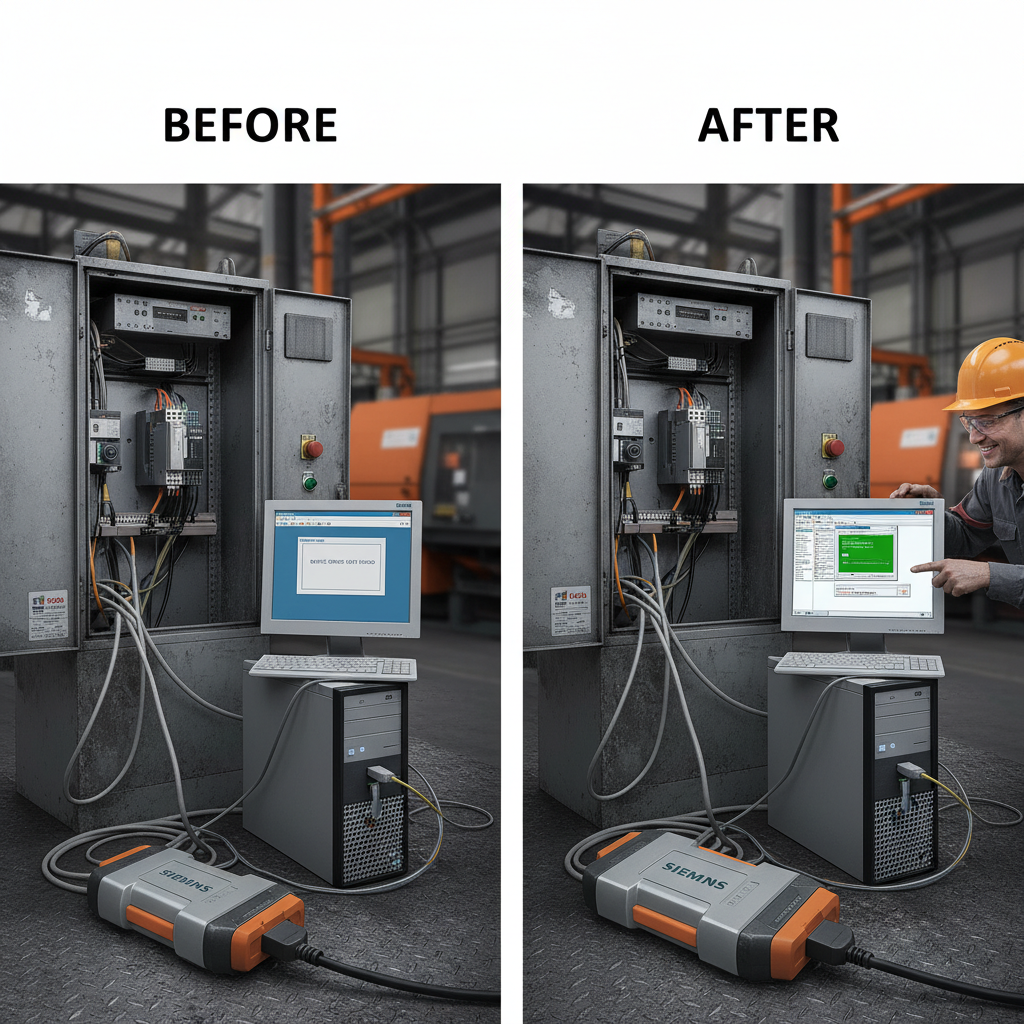
A common challenge is voltage fluctuation in many areas using single-phase supply — which can trip drives or degrade performance. Manufacturers are now incorporating wider input voltage tolerances and advanced protection circuits to prevent downtime. Another wrinkle is the knowledge gap. Installing and programming VFDs can be intimidating without proper training. Many vendors, such as Tianjin Yongkai, offer tutorials, support, and plug-and-play options to ease adoption. Lastly, harmonics and electrical noise sometimes complicate installation, but filters and surge protectors are easy fixes when applied thoughtfully.Frequently Asked Questions About 230v Single Phase VFD
- Q: Can a 230v single phase VFD control different types of motors?
A: They’re primarily designed for single-phase induction motors, common in many industrial and household applications. Some models may support shaded-pole or capacitor-run motors but always check specs. - Q: How much energy can I realistically save by using a VFD?
A: Depending on the application, savings typically range from 20% to 50% compared to motors running at fixed full speed continuously. - Q: Are 230v single phase VFDs difficult to install?
A: Installation usually requires basic electrical skills, but many models come with clear manuals or professional support. Plug-and-play options have also increased in availability. - Q: Can these drives protect motors from electrical faults?
A: Yes, most include protections like overload, overvoltage, undervoltage, and thermal cutoff to safeguard both the drive and the motor. - Q: Is it possible to retrofit existing motor systems with a VFD?
A: Absolutely. Retrofitting is common and often much cheaper than replacing entire motor systems.
Wrapping Up: Why 230v Single Phase VFD Is a Must-Know Tech
The 230v single phase VFD is no longer just an industrial niche device but a cornerstone in modern energy management, especially for regions relying on single-phase power. By enhancing motor control, reducing energy waste, and improving machine longevity, these drives deliver real value — economically, sustainably, and practically. If you’re involved in manufacturing, agriculture, or even humanitarian power solutions, getting acquainted with this tech is a smart move. It’s not just “tech for tech’s sake,” but a real lever for lowering operational headaches and environmental impact. Ready to explore? Visit our website for detailed product info and support: 230v single phase vfd.References: