Benefits and Applications of 1.5 hp Variable Frequency Drives in Industrial Settings
Understanding the 1.5 hp Variable Frequency Drive: Why It Matters More Than Ever
If you’ve ever tinkered with electric motors or managed an industrial setup, you’re probably familiar with variable frequency drives (VFDs). But why single out the 1.5 hp variable frequency drive? This seemingly modest unit packs a surprising punch—offering precise motor control, energy savings, and longer equipment life. Globally, the push for energy efficiency and reliable machinery has thrust VFDs — especially around this power range — into the spotlight.
To put things into perspective, the International Energy Agency (IEA) estimates that industrial motors consume roughly 45% of all global electricity used in industry. Since many motors run pumps, fans, and compressors rated near 1.5 hp, updating to variable frequency drives is a straightforward way to trim energy use and emissions. For manufacturing plants from Germany to India, and even in humanitarian projects requiring mobile power solutions, understanding this tech is key to staying efficient and competitive.
Mini takeaway: The 1.5 hp variable frequency drive is more than just a gear in the machine — it’s a crucial lever for sustainable, cost-effective industrial progress worldwide.
A Quick Dive Into 1.5 hp Variable Frequency Drives: What Are They, Really?
Put simply, a 1.5 hp variable frequency drive is an electronic controller that adjusts the rotational speed of an AC motor by varying the frequency and voltage supplied. The "1.5 hp" part indicates its suitability for motors delivering approximately 1.5 horsepower, a common size in many industrial and commercial setups.
By offering granular speed control, these drives reduce wear and tear compared to motors running at constant speed, significantly improving system longevity. Their impact reaches beyond manufacturing floors — in water treatment plants, HVAC systems, agricultural machinery, and even disaster relief power units, where efficiency and reliability can’t be compromised.
Oddly enough, the rise of VFDs is somewhat a quiet revolution — their ability to reduce power consumption and provide flexible operation is quietly reshaping industries without flashy headlines.
Core Features of the 1.5 hp Variable Frequency Drive
1. Durability and Reliability
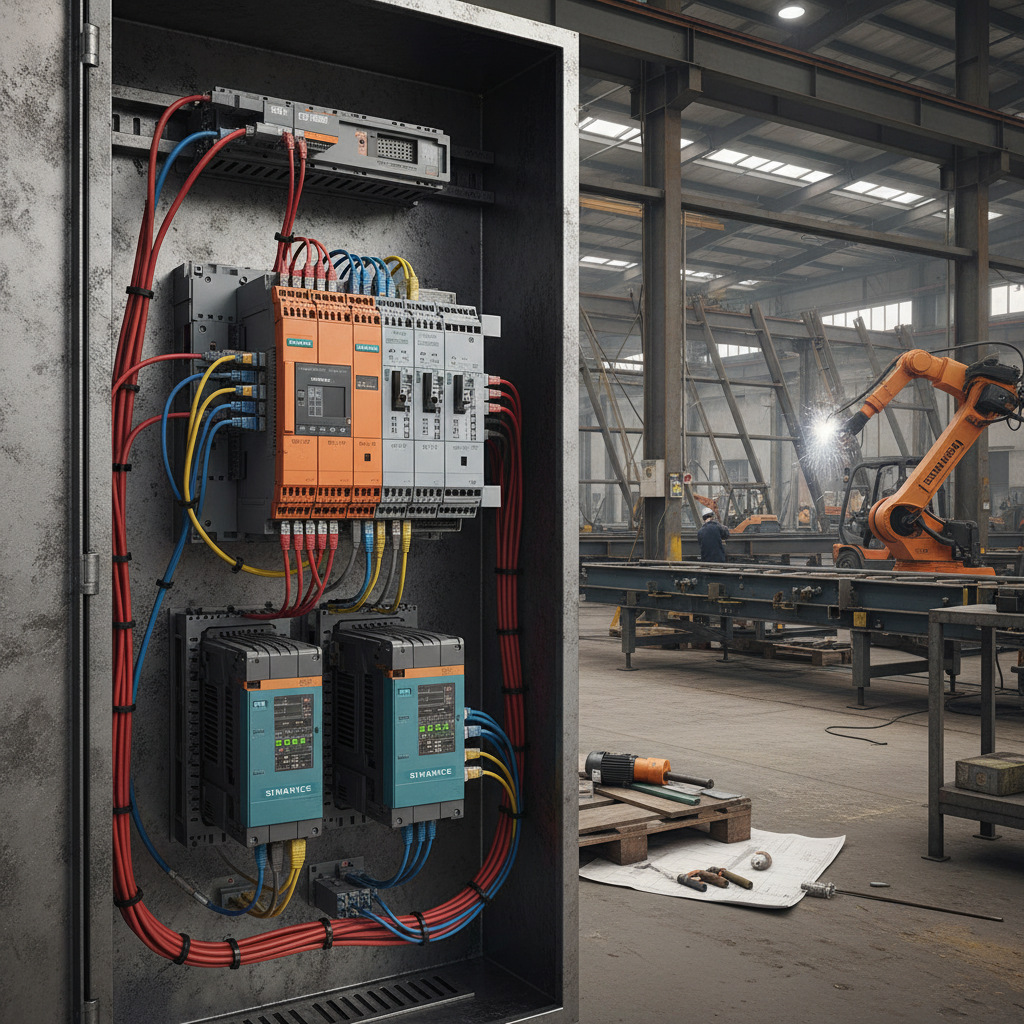
Many engineers I’ve spoken to emphasize how the best 1.5 hp VFDs resist harsh environments. Their design often focuses on thermal management and robust circuitry that can handle voltage spikes, dust, and humidity — essential for sectors like mining and wastewater treatment.
2. Scalability and Compatibility
These drives can typically adapt to a variety of motor types and control schemes. That means whether you’re upgrading an older system or designing new, a 1.5 hp VFD fits nicely into the mix without needing a total overhaul.
3. Energy Efficiency
By tailoring speed to real-time load demands, these controllers avoid wasting power. The U.S. Department of Energy points out VFDs can cut motor energy use by 20-50%, which is quite significant over years of round-the-clock operation.
4. User Interface and Control Options
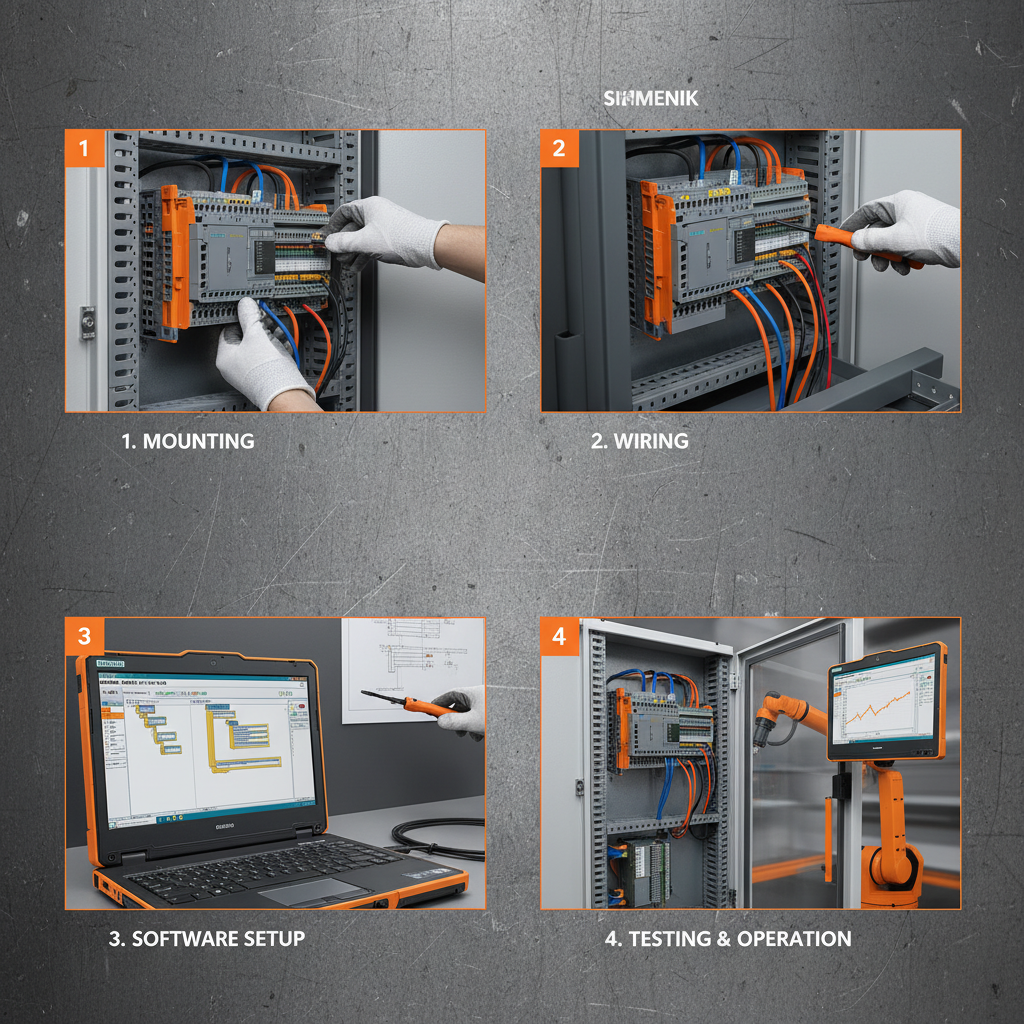
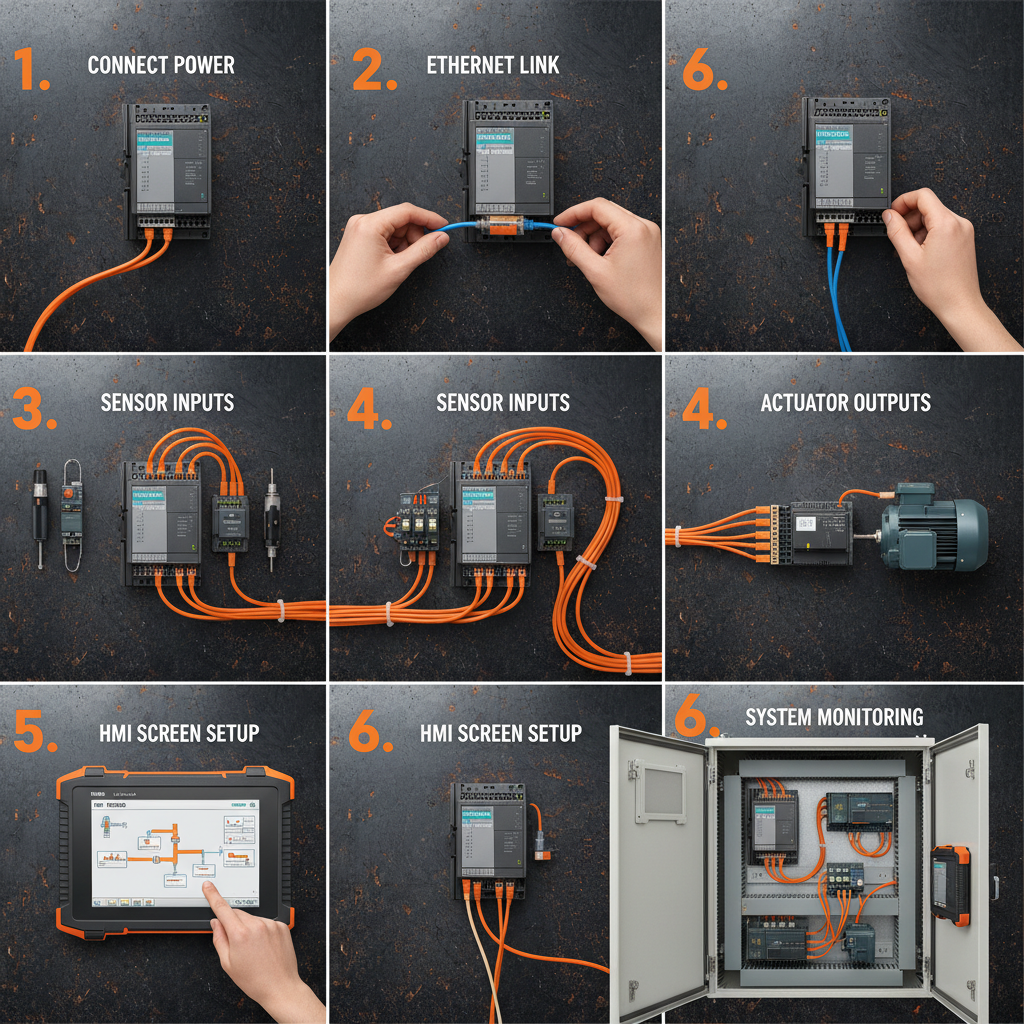
Modern 1.5 hp variable frequency drives often come with user-friendly interfaces — digital displays, programmable logic, and connectivity options for integration into automation systems. It feels like they’re designed with the end user in mind, making commissioning and troubleshooting more straightforward.
5. Cost-Effectiveness
While the initial investment might look steep compared to standard starters, the long-term savings in energy and maintenance costs quickly justify the outlay. Plus, some jurisdictions offer tax incentives and rebates for installing energy-saving drives.
Mini takeaway:
- Durability, scalability, efficiency, ease of use, and cost savings form the backbone of a good 1.5 hp variable frequency drive.
Where in the World Are 1.5 hp Variable Frequency Drives Making a Difference?
The applications are incredibly diverse:
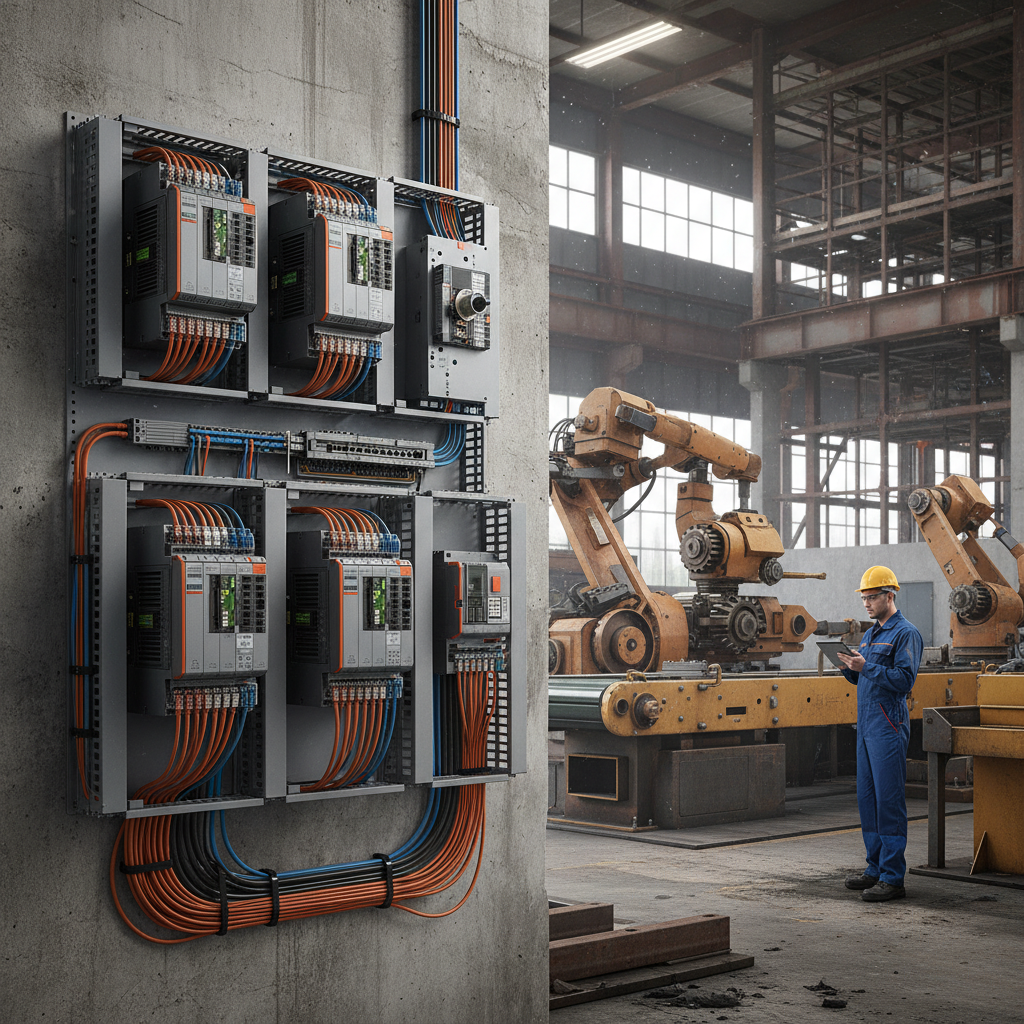
- Manufacturing Plants in East Asia: Factories rely on 1.5 hp VFDs to optimize conveyor belt speeds or pump fluid at varied rates. In high-volume environments, even small efficiency gains ripple into massive savings.
- Water Treatment in Africa: Reliable pump control is vital for clean water access. VFDs help reduce energy use, lowering operational costs which is crucial for community-run plants with limited budgets.
- Agriculture In Australia and the U.S.: Variable speed control optimizes irrigation pumps, enhancing crop watering precision while cutting power bills.
- Disaster Relief in Southeast Asia: Portable generators fitted with 1.5 hp VFDs ensure consistent power for mobile hospitals and communications equipment, directly impacting response effectiveness.
If you imagine these drives as the unsung heroes powering diverse sectors, it’s clear their value transcends economic growth — they improve lives.
Examining Specifications: A Typical 1.5 hp Variable Frequency Drive
| Specification | Details |
|---|---|
| Power Rating | 1.5 horsepower (approx. 1.1 kW) |
| Input Voltage | 220–240 VAC single phase or 3-phase options |
| Control Method | V/f control, sensorless vector control |
| Output Frequency | 0-400 Hz (adjustable) |
| Protection Features | Overcurrent, thermal overload, short circuit, phase loss |
| Communication | Modbus RTU, CANopen, Ethernet (optional) |
Comparing Vendors: Choosing the Right 1.5 hp Variable Frequency Drive
| Vendor | Price Range (USD) | Key Features | Ideal Use Cases |
|---|---|---|---|
| Brand A | $250–$350 | Robust build, basic interface, Modbus | Manufacturing, HVAC, basic automation |
| Brand B | $300–$400 | Advanced vector control, Ethernet, energy monitoring | Water treatment, precision pumps, Industry 4.0 |
| Brand C | $200–$300 | Cost-effective, simple programming, compact size | Basic pump control, HVAC upgrades |
Advantages & Long-Term Value: Why Businesses Keep Choosing 1.5 hp Variable Frequency Drives
There’s a real emotional and practical dimension to investing in a quality VFD around this size.
- Cost Savings: Reduced energy bills mean more money for innovation or other business needs.
- Reliability: Less mechanical stress decreases downtime and maintenance headaches — exactly the kind of thing managers dream of.
- Sustainability: Helping companies meet emission targets can boost reputation and compliance with global standards, like ISO 14001.
- Control & Safety: Soft starting reduces dangerous spikes that can trip breakers or damage equipment.
- Innovation & Trust: Staying current with tech signals to clients and partners that your operation is forward-looking and reliable.
So it’s not just the nuts and bolts, but the bigger story of growth, safety, and respect for the environment that these drives enable.
Looking Ahead: Trends Shaping the Future of 1.5 hp Variable Frequency Drives
In real terms, we’re seeing three main waves of innovation:
- Green Integration: VFDs paired with renewable energy sources like solar-powered pumps, cutting fossil fuel reliance.
- Digitalization & IoT: Embedded sensors and cloud connectivity for predictive maintenance — fewer surprises, smarter repairs.
- Compact Designs & Materials: Using new electronic components that reduce heat and size, while increasing durability in harsh environments.
Finally, as regulations push harder on energy targets, I suspect VFDs will become a baseline requirement, not a luxury, even for smaller motors.
Common Challenges & How Experts Recommend Overcoming Them
- Noise & EMI: Electromagnetic interference is a known nuisance with VFDs but can be tackled with proper shielding and grounding.
- Initial Costs: A common hangup — yet considering rebates, and lifecycle cost analysis helps justify the investment.
- Complexity: For operators without deep technical skills, vendor training and intuitive software are game changers.
In practice, working closely with vendors who understand your industry specifics can smooth out adoption bumps immensely.
Frequently Asked Questions About 1.5 hp Variable Frequency Drive
- Q: Can a 1.5 hp VFD work with both single-phase and three-phase motors?
- A: Yes, but it depends on the model. Many drives support either or both, but you should verify the specifications. Single-phase VFDs tend to be less common and may offer reduced performance compared to three-phase drives.
- Q: How much energy can I realistically save by installing a 1.5 hp variable frequency drive?
- A: Energy savings vary by application and usage patterns. Typically, savings range between 20-50% when motors operate under variable loads or speeds, thanks to the precise control the drive offers.
- Q: Is it difficult to program and install a 1.5 hp VFD?
- Installation usually requires a qualified electrician. Programming is user-friendly on modern units but may need training. Many drives come with presets for common applications to simplify this step.
- Q: Are there any maintenance considerations specific to these drives?
- Generally, VFDs are low maintenance but should be inspected for dust, moisture, and overheating regularly. Cooling fans and filters may need periodic cleaning or replacement.
- Q: Can these drives integrate with existing building management systems?
- Most modern 1.5 hp VFDs feature communication protocols like Modbus or Ethernet that allow integration, making them a good fit for smart facilities.
Wrapping Up: Investing in Efficiency for the Long Haul
It’s clear the 1.5 hp variable frequency drive is a powerful tool in the quest for smarter energy use, safer environmental impact, and better machinery control. Whether you’re upgrading pumps in a factory or ensuring reliable power in remote regions, these drives pay dividends far beyond their size.
Want to explore the latest models and tailored solutions? Visit our website at 1.5 hp variable frequency drive for detailed specs, vendor options, and expert advice.
After all, efficiency isn’t just smart — it’s the future.