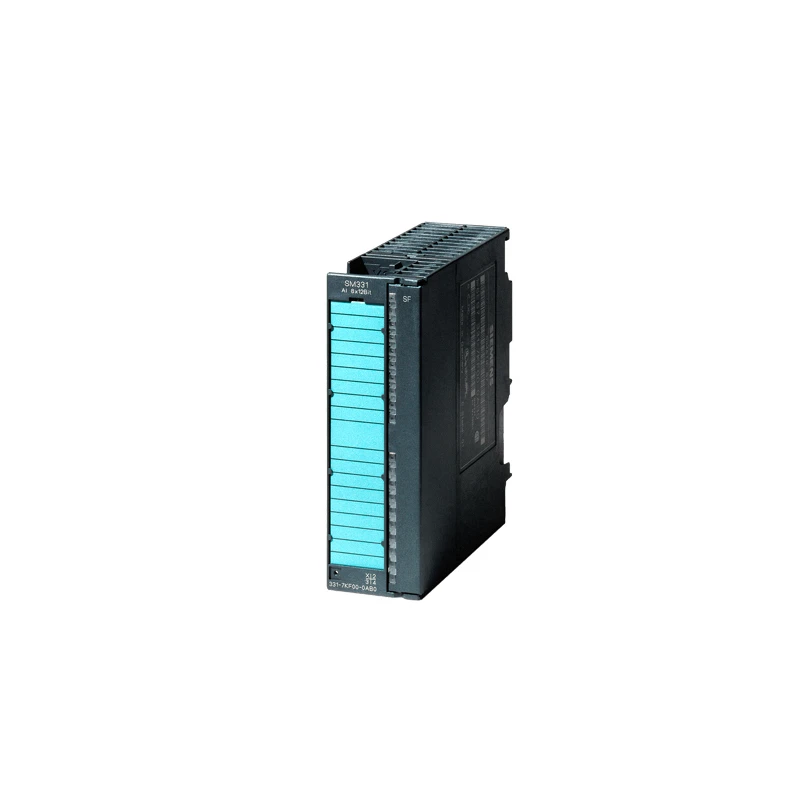
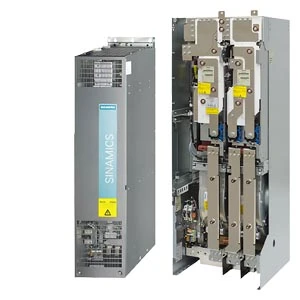
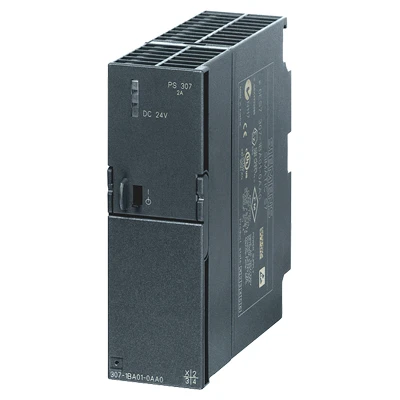
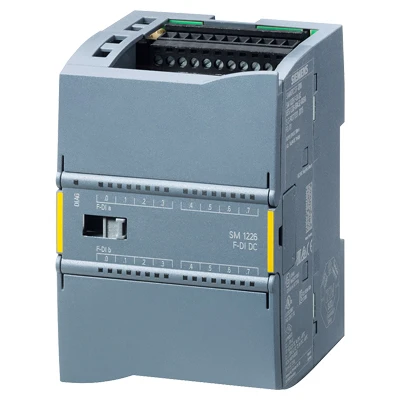
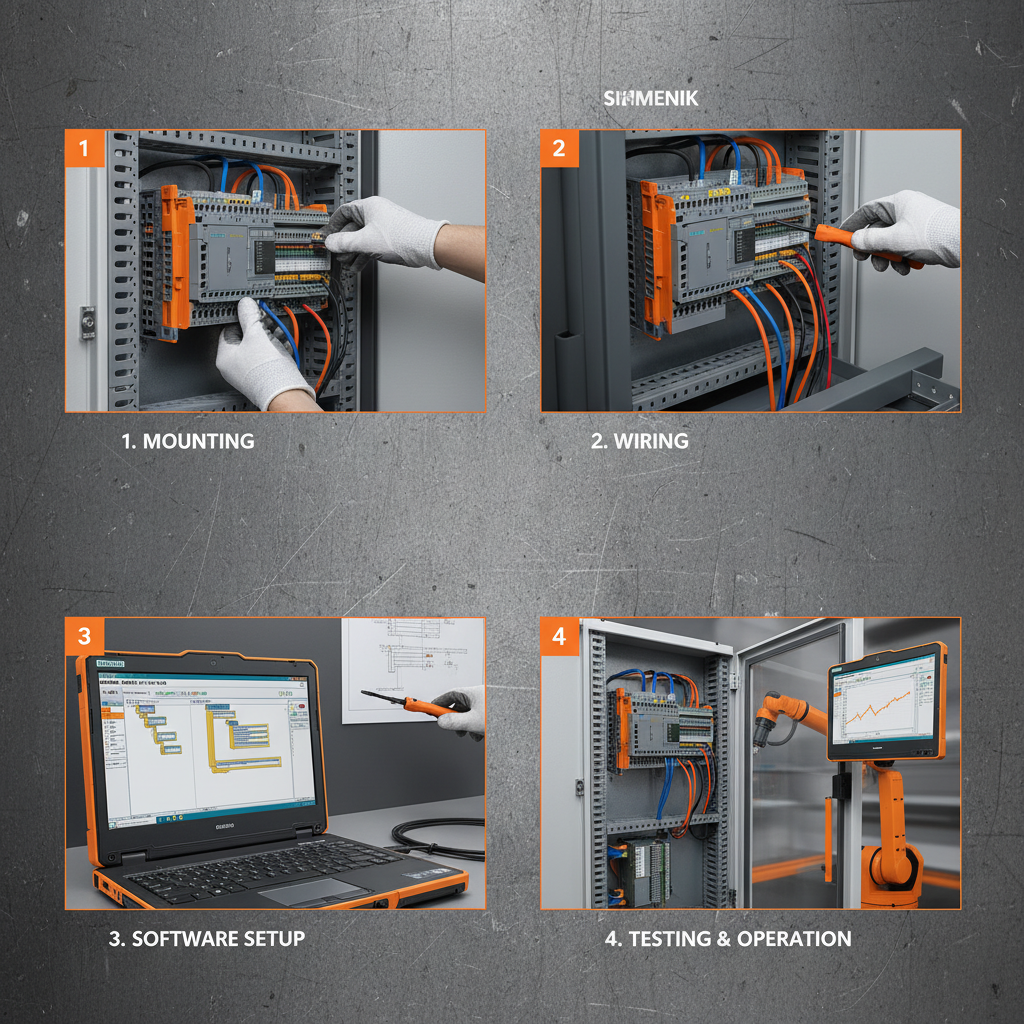
Efficient & Reliable VFD Motor Drive Systems | Energy Saving Solutions
Understanding the Impact of VFD Motor Drives in Today’s Industry
Variable frequency drives, commonly known as vfd motor drives, are quietly revolutionizing how industries manage electric motors across the globe. From heavy manufacturing plants in Asia to building automation in Europe, these systems optimize power consumption, reduce wear, and enable smarter control — which, frankly, is a big deal in a world increasingly focused on energy efficiency and sustainability.
Given that electric motors consume roughly 45% of total industrial electricity worldwide (Wikipedia), understanding and applying vfd motor drives is not just a technical curiosity; it’s an economic and environmental imperative. They cut down energy waste, reduce greenhouse gas emissions, and extend equipment life. So we’re not just talking about better machines — it’s about smarter resource management on a global scale.
The Global Context: Why VFD Motor Drives Matter Now More Than Ever
Industrial energy demand keeps climbing, and with emerging economies ramping up production, the strain on power grids grows heavier. The International Energy Agency estimates that up to 30% of motor-driven energy in industry could be saved through efficient controls like vfd motor drives. Yet, many older facilities still run motors at constant speed, wasting vast amounts of energy.
There’s also a modernization angle. Digital transformation and Industrial Internet of Things (IIoT) make variable frequency drives smarter and more connected, allowing companies to optimize performance remotely and preemptively. For countries striving to meet the UN's Sustainable Development Goals (SDGs) around affordable, clean energy and industrial innovation, this technology is a practical tool.
But the catch: retrofitting existing infrastructure and managing the upfront cost can be daunting. Besides, technical know-how is unevenly spread, especially in remote or developing regions, which can slow adoption despite obvious benefits.
What Exactly Is a VFD Motor Drive?
Put simply, a vfd motor drive is a device that controls the rotational speed of an electric motor by varying the frequency and voltage of its power supply. Traditional motors run at a fixed speed based on power frequency (usually 50 or 60 Hz), but VFDs adjust that speed dynamically.
This flexibility means motors no longer have to spin at full throttle all the time, saving energy and reducing mechanical stress. It’s like giving a car variable gears instead of a fixed-speed engine.
Industries use them to improve process control — say, regulating conveyor belts’ speeds, pumps’ flow rates, or ventilation fans — which translates directly to better product quality and energy savings.
In humanitarian terms, this technology can also support critical infrastructure such as clean water systems or emergency power in humanitarian zones, making operations leaner and more reliable.
Key Elements of VFD Motor Drives You Should Know
1. Energy Efficiency
The core value proposition of a vfd motor drive is reducing energy use. By matching motor speed to actual load requirements, the drive prevents wasteful overconsumption, which can reduce electrical bills by 30-50% in some applications.
2. Durability and Reliability
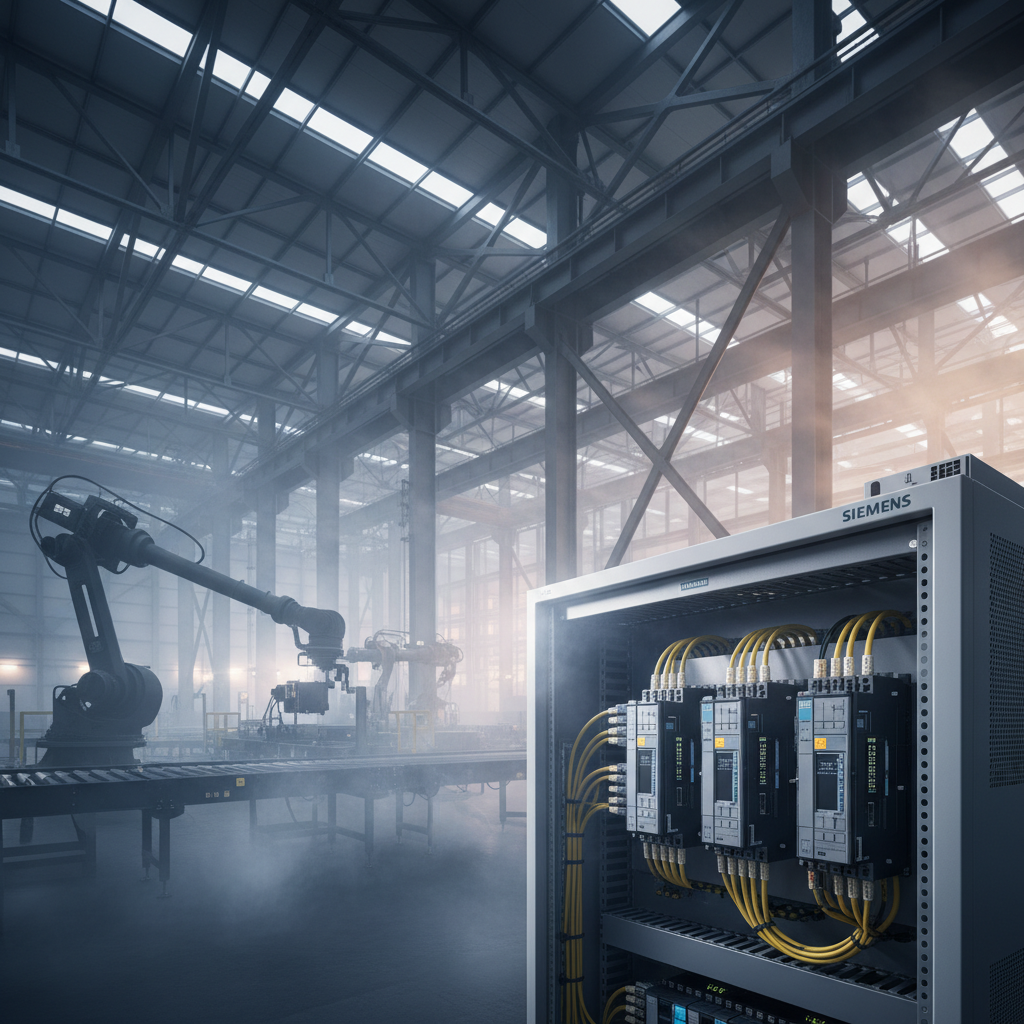
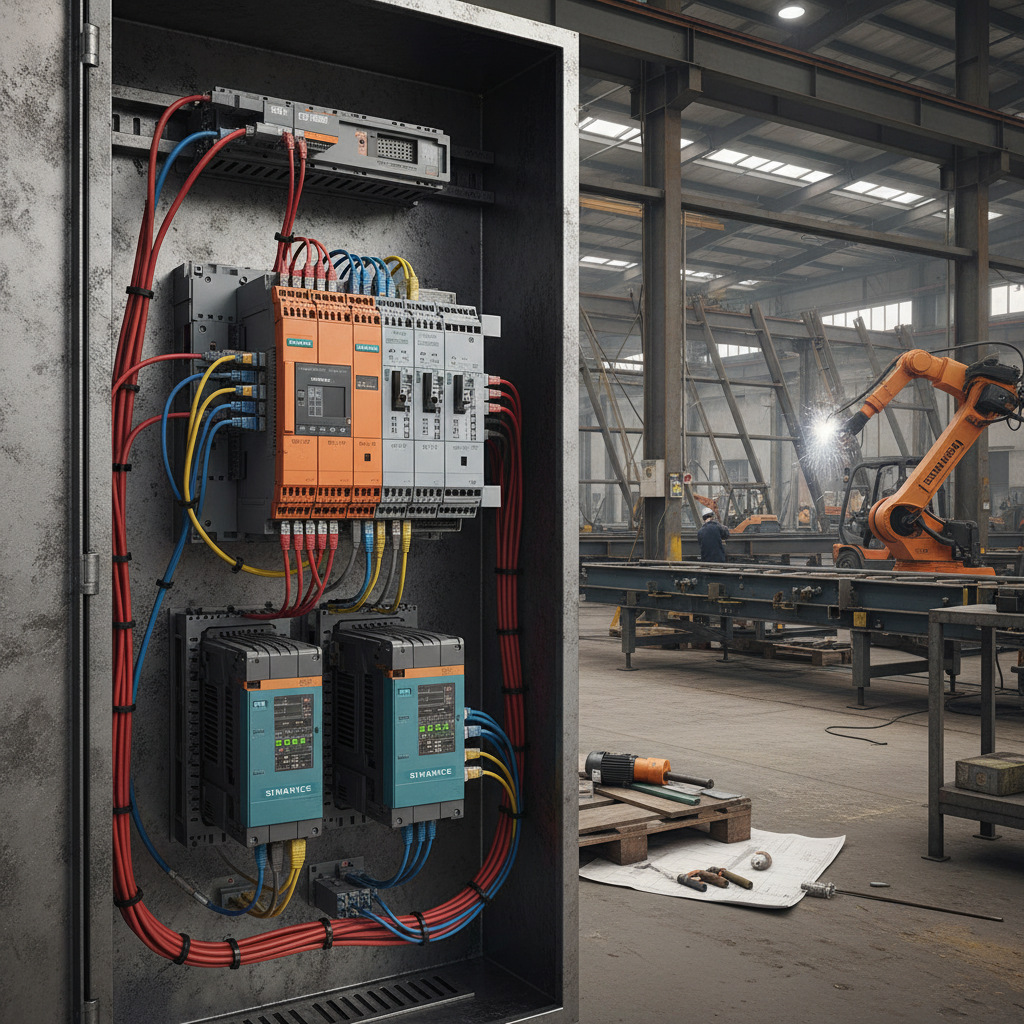
Modern VFDs are designed to withstand harsh industrial conditions: heat, dust, vibration, you name it. This durability means less downtime and fewer maintenance headaches. Plus, soft starting capability reduces mechanical wear on motors, extending lifespan.
3. Scalability and Control
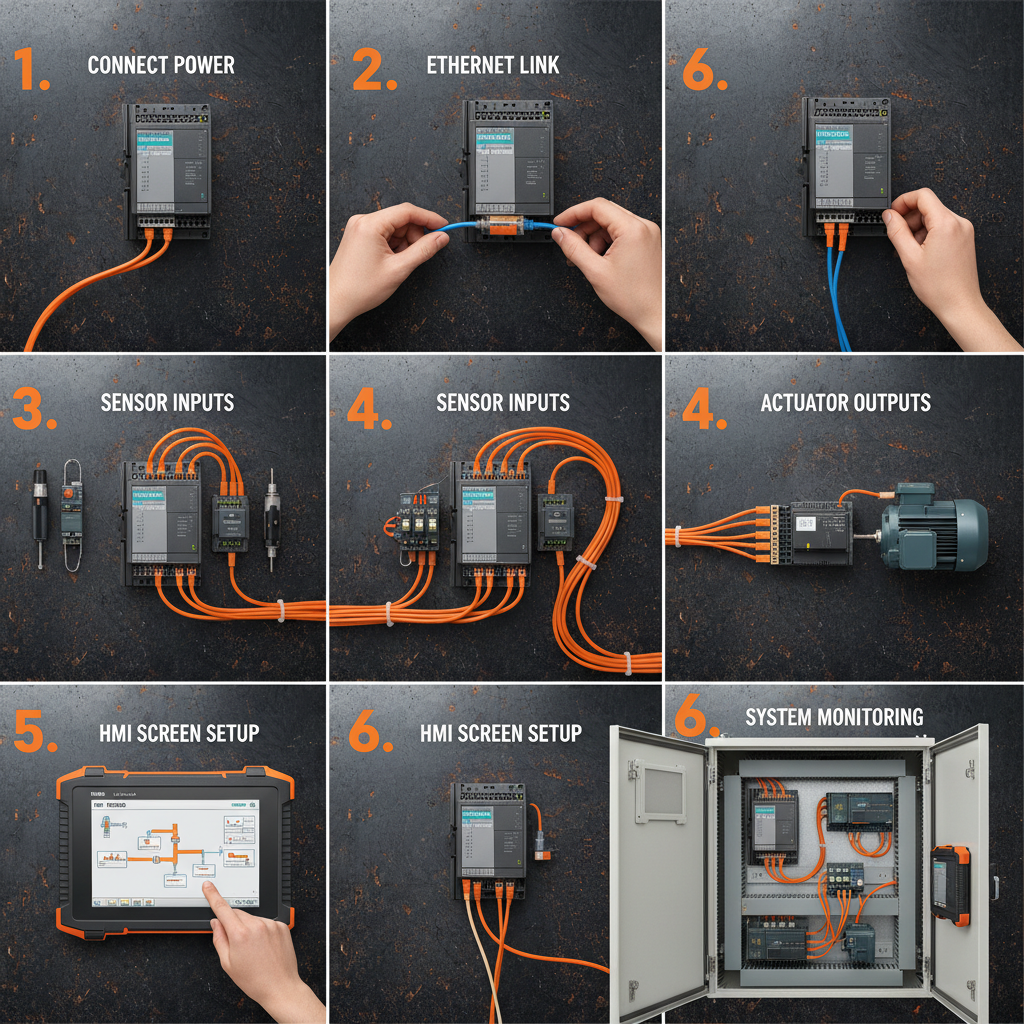
Whether you’re operating a single pump or a network of motors across a plant, VFDs can be integrated with PLCs and SCADA systems for centralized, automated control — enabling real-time adjustments and remote monitoring.
4. Cost Efficiency
Initial costs can be higher than basic starters, but payback times are often less than two years due to energy savings and reduced maintenance. That makes them a smart long-term investment for any enterprise.
5. Compact Design and Easy Installation
Newer drives are designed to be plug-and-play, with smaller footprints—critical in retrofits and space-constrained environments.
Mini takeaway: VFDs are not magic boxes but thoughtfully engineered tools that balance performance, efficiency, and operational durability. They serve technical, economic, and even social goals simultaneously.
Real-World Applications of VFD Motor Drives
VFD motor drives have found their way into nearly every corner of industrial and infrastructure sectors:
- Water and Wastewater Treatment: Controlling pumps' flow rates saves energy and allows for smoother pressure control, important in urban and remote areas alike.
- HVAC Systems: VFDs regulate fan speeds, reducing electrical consumption in commercial buildings and hospitals, particularly in Europe and North America.
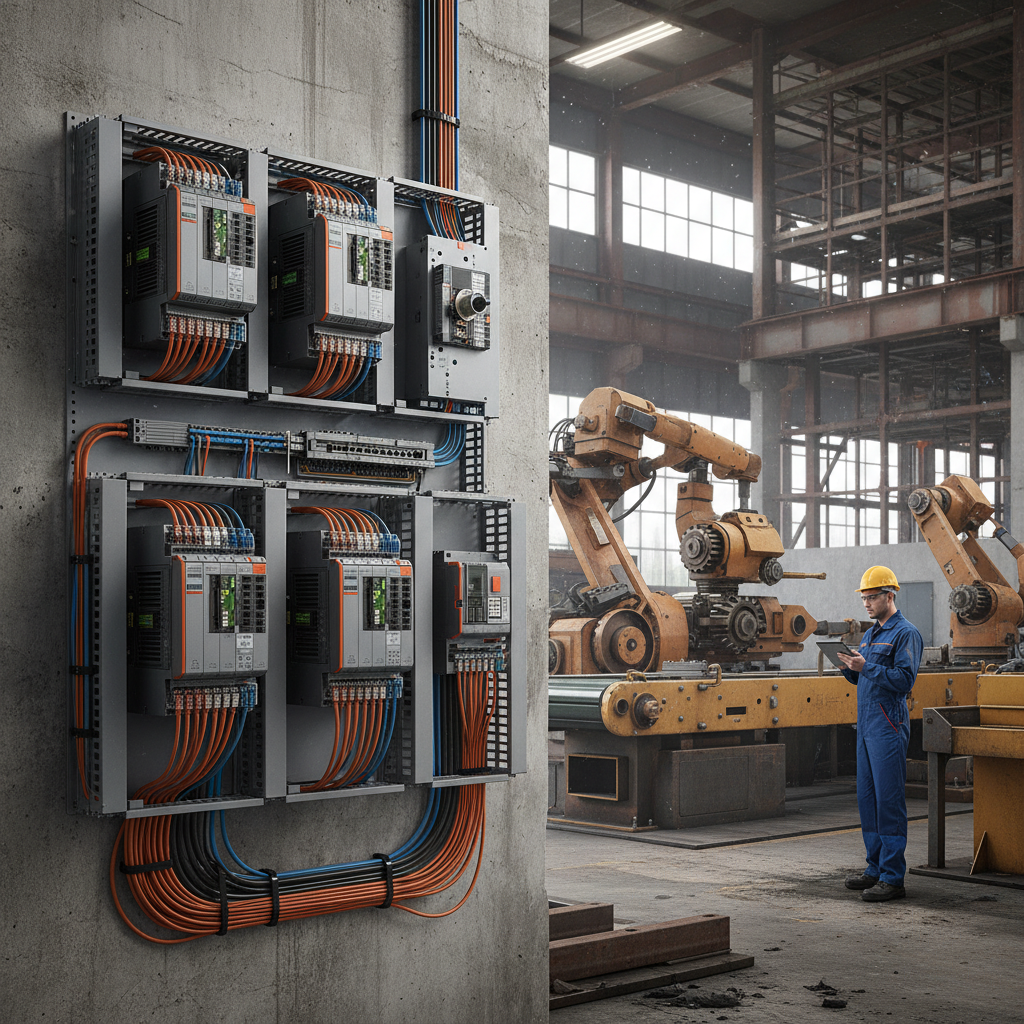
- Manufacturing and Processing: In Asia, rapid industrial growth means massive motor fleets; VFDs enable factories to boost efficiency and remain globally competitive.
- Renewable Energy Integration: Wind turbines and solar-powered pump stations often require variable speed drives to handle fluctuating inputs effectively.
- Emergency Infrastructure: In disaster relief settings, VFD-controlled motors make temporary installations more energy-efficient and adaptable to variable loads.
Oddly enough, despite widespread availability, adoption gaps persist, especially in Africa and parts of Latin America, highlighting the need for better training and affordable technology transfer.
Typical Specifications of a VFD Motor Drive
| Feature | Description |
|---|---|
| Input Voltage | 200-480 V AC, 3-phase |
| Output Frequency | 0 - 400 Hz |
| Power Range | 0.5 kW to 500 kW |
| Communication Interface | Modbus, Profibus, Ethernet/IP |
| Protection Features | Overvoltage, overload, short circuit |
| Cooling Method | Fan or natural convection |
Comparing Top Vendors for VFD Motor Drives
| Vendor | Power Range | Key Features | Price Range | Support & Warranty |
|---|---|---|---|---|
| ABB | 0.37 kW – 6,000 kW | High efficiency, robust design, IoT ready | $$$ | 3-5 years with global service network |
| Siemens | 0.12 kW – 5,000 kW | Flexible integration, energy monitoring | $$$ | 5-year warranty, expert technical support |
| Danfoss | 0.25 kW – 800 kW | Compact design, user-friendly interface | $$ | 2-4 years warranty, regional support |
| Yongkai Electric | 0.75 kW – 220 kW | Cost-effective, energy-saving technology | $ | 1-3 year warranty, focused customer care |
Benefits and Lasting Value of Using VFD Motor Drives
Besides the obvious operational gains, the ripple effects of vfd motor drives reach further. For example:
- Cost savings: Reduced energy bills and maintenance lead to faster ROI.
- Reduced carbon footprint: Lower energy usage equals fewer emissions — a win for corporate social responsibility.
- Safety and Comfort: Precise control of motors in ventilation or pumping systems improves workplace safety and environment.
- Innovation-friendly: Easily adapts to evolving digital factory trends and green energy requirements.
In real terms, plant managers often report smoother workflows and reduced emergency repairs after installing VFDs. It feels like the equipment breathes easier, you know?
Emerging Trends and Innovations
Looking ahead, expect vfd motor drives to become:
- More intelligent: AI and machine learning will let drives optimize performance autonomously, adapting to fluctuating conditions on the fly.
- Eco-friendly materials: With rising attention to sustainability, manufacturers are improving component recyclability and reducing hazardous substances.
- Grid-interactive: Drives will increasingly support smart grids, feeding back data and even energy storage integration.
- Smaller and modular: Designs will shrink further to suit compact applications and easier installation.
Addressing Common Challenges
Sure, VFD technology isn’t without hurdles. You’ll encounter:
- Harmonic distortion: Electrical noise that can interfere with other equipment. Solutions include filters and improved design.
- Upfront cost and complexity: Many hesitate to invest without clear volume savings or skilled staff.
- Compatibility issues: Older motors and system components sometimes don’t pair well with modern drives.
But many engineers advocate phased upgrades, staff training, and choosing vendors (hint: like Yongkai Electric) that provide integrated support services to smooth these bumps. It’s rarely a show-stopper — more like a speed bump on the efficiency highway.
FAQ: Your Top Questions About VFD Motor Drives Answered
Q1: How does a vfd motor drive reduce energy costs compared to standard motor controls?
A: By adjusting motor speed to actual demand, vfd drives eliminate unnecessary full-speed operation, which typically wastes energy. For example, slowing down a fan or pump by 20% can reduce energy use by almost 50%, thanks to the affinity laws of fluid mechanics.
Q2: Can VFDs be installed on any type of electric motor?
A: Mostly yes, VFDs typically work best with three-phase induction motors, which are common in industry. Some special motors may need dedicated drives or may not be compatible.
Q3: What maintenance do VFD motor drives require?
A: They usually need minimal maintenance beyond keeping cooling vents clean and ensuring electrical connections are tight. Firmware updates and occasional inspections are good practice to prolong life.
Q4: Are there environmental benefits beyond just energy savings?
A: Absolutely. Lower energy consumption results in fewer greenhouse emissions, and extending equipment lifetime reduces material waste. Many VFDs are also designed with recyclable materials.
Q5: How do vfd motor drives integrate with industrial IoT systems?
A: Most modern drives offer communication protocols like Modbus or Ethernet/IP, allowing them to be monitored and controlled remotely via SCADA or cloud platforms — a boon for predictive maintenance and efficiency.
Wrapping It Up: Why VFD Motor Drives Deserve Your Attention
Whether you're an engineer, plant operator, or decision-maker, embracing vfd motor drive technology is a clear step toward smarter energy use and operational resilience. They offer practical, proven ways to cut costs, support sustainability, and future-proof industrial assets.
Curious to explore the latest in energy-efficient drive technology? Visit our website for detailed product specs, expert advice, and support to help your business thrive.
References: