Understanding Frequency Inverter Working Principle: Industrial Applications & Benefits
Frequency Inverter Working Principle is a key solution in the industry, specifically within power electronics and motor control sectors. This article explores how https://www.tianjinyongkai.com supports professionals with durable, high-performance products, and explains why this product is an ideal choice for businesses in these sectors.
Table of Contents
- Frequency Inverter Working Principle Overview
- Benefits & Use Cases of Frequency Inverter Working Principle
- Cost, Maintenance & User Experience
- Sustainability & Market Trends
Frequency Inverter Working Principle Overview
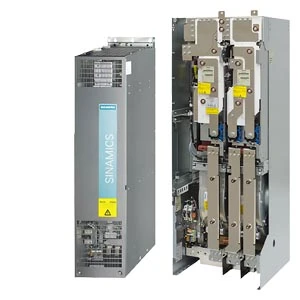
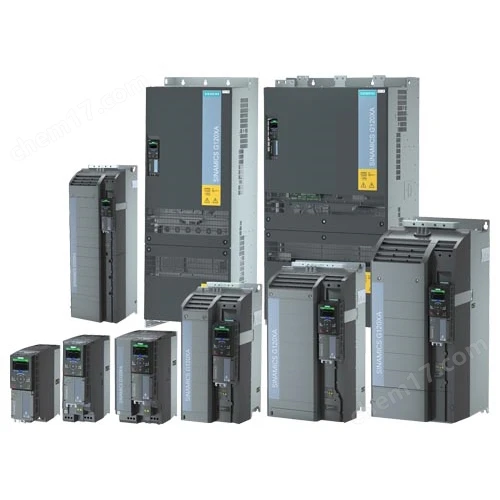
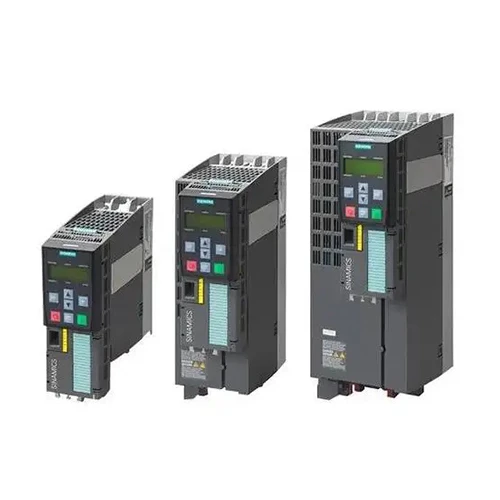
Simply put, a frequency inverter is a device that controls the speed and torque of an AC motor by varying the frequency and voltage of its power supply. This is a cornerstone technology in sectors such as manufacturing, HVAC, and automation. Instead of running motors at a fixed speed, frequency inverters offer precise control, energy savings, and flexibility depending on load demands.
The core Frequency Inverter Working Principle revolves around converting incoming AC power to DC through a rectifier, smoothing it with a DC bus, and then converting it back to AC at variable frequencies using an inverter circuit. This modulation is usually accomplished with insulated-gate bipolar transistors (IGBTs) or similar semiconductor switches. One interesting tidbit: high-end models also incorporate intelligent control algorithms to optimize motor performance dynamically.
| Specification | Details |
|---|---|
| Input Voltage | 380-480V AC |
| Output Frequency Range | 0.1Hz – 400 Hz |
| Power Range | 0.75 kW to 315 kW |
| Control Method | V/F Control, Vector Control |
| Communication | Modbus, CANopen, Profibus (optional) |
Benefits & Use Cases of Frequency Inverter Working Principle
The beauty of frequency inverters is in their versatility. Industries like water treatment, textile manufacturing, and assembly lines rely heavily on these devices to tailor motor speeds to exact needs, which often means substantial energy savings and improved process control. For example, a pump system equipped with a frequency inverter can adjust flow rates in real-time, avoiding wear and tear from sudden starts and stops.
Competitive advantage comes from features like built-in protections against overload, overheating, and voltage spikes, plus extended programmability for specific industrial protocols. Many users appreciate the modular design of products from Tianjin Yongkai, which makes integration and upgrading smooth rather than a headache. Plus, their frequency inverters support multiple control modes—sort of a one-size-fits-all framework for different motor types and demands.
Cost, Maintenance & User Experience
Here’s the thing: frequency inverters might look like a bigger upfront investment compared to conventional motor starters, but their total cost of ownership tells a different story. Companies report ROI within months, thanks to energy savings and reduced mechanical stress on motors—which means fewer replacement parts and downtime. Plus, units from Tianjin Yongkai boast rugged build quality proven in harsh environments.
User feedback often highlights the intuitive user interface and reliability. For instance, one manufacturing plant shared how switching to Yongkai’s frequency inverters decreased their maintenance intervals by nearly 30%. That’s not just luck — it’s a sign of solid engineering and user-centered design. Their support team is also praised for responsiveness, which frankly makes a big difference when your operations can’t afford to pause.
Sustainability & Market Trends
Sustainability is more than a buzzword here; it's part of why frequency inverters are gaining such traction worldwide. They enable energy-efficient operation, reducing carbon footprints in large industrial setups. Regulations in many regions push for technologies that limit energy waste; frequency inverters fit this bill perfectly.
Oddly enough, industry growth continues even as automation and smart manufacturing evolve. Many new frequency inverters include IoT-enabled features, providing real-time monitoring that helps operators predict failures before they happen, reducing waste and improving uptime. Tianjin Yongkai stays on top by blending these trends into their designs, so businesses can both comply with regulations and progress technologically.
| Vendor | Product Range (kW) | Communication Options | Ruggedness | Typical Price Level |
|---|---|---|---|---|
| Tianjin Yongkai | 0.75 - 315 | Modbus, CANopen, Profibus | IP54 / IP65 (optional) | Mid-range |
| Competitor A | 1 - 250 | Modbus only | IP20 | Low-end |
| Competitor B | 0.5 - 200 | Profinet, EtherCAT | IP54 | High-end |
Frequently Asked Questions about Frequency Inverter Working Principle
- What is Frequency Inverter Working Principle and how does it work?
- In essence, it’s a method of varying the frequency supplied to an electric motor to adjust its speed. The inverter converts AC to DC and back to AC at the desired frequency and voltage, allowing precise motor speed control and better energy use.
- What are the main benefits of using Frequency Inverter Working Principle in industrial applications?
- Major benefits include energy savings, extended motor lifespan due to softer starts and stops, improved process control, and flexibility in adapting to varying load conditions.
- How does Frequency Inverter Working Principle compare to traditional alternatives?
- Traditional fixed-speed motor starters run motors at full speed which can cause high energy consumption and mechanical stress. Frequency inverters bring variable speed control, reducing wear and improving efficiency.
- What industries can benefit most from Frequency Inverter Working Principle implementation?
- Water treatment, HVAC, automotive manufacturing, textiles, and conveyor systems are typical beneficiaries, often reporting improved operational efficiency and reduced energy costs.
Conclusion on Frequency Inverter Working Principle from china
In conclusion, the Frequency Inverter Working Principle takes center stage in modern industrial motor control, delivering noticeable benefits in energy efficiency, versatility, and longevity. If your operations demand robust, adaptable motor management, this technology is hard to beat. Curious to see how Tianjin Yongkai’s solutions can fit your business? They provide reliable, cutting-edge frequency inverters that many decision makers trust worldwide. Visit our website: https://www.tianjinyongkai.com and take a closer look.
The evolution of frequency inverters continues to shape smarter industries — and frankly, it’s exciting to watch it unfold.
- IEA Energy Efficiency Reports, 2023
- Journal of Electrical Engineering, Vol. 68, 2022
- Tianjin Yongkai Product Literature, 2024