Use of VFD Drives for Energy Efficiency and Industrial Innovation
Use of VFD Drives: Unlocking Efficiency in Modern Industry
Variable Frequency Drives, or VFD drives, might not be headline news, but their use is quietly revolutionizing industry worldwide. From manufacturing plants in Asia to water treatment facilities in Europe, the ability to control motor speed and torque precisely is helping businesses and utilities cut energy consumption, reduce costs, and improve process flexibility. But why exactly are VFD drives growing in global importance? And what makes them so indispensable in sectors ranging from petrochemicals to humanitarian infrastructure?
Simply put, understanding the use of VFD drives means tapping into one of the most effective levers for energy efficiency in electric motor operations—motors that account for nearly 45% of global energy use, according to the International Energy Agency [1]. Given the urgent worldwide push for sustainability and cost containment, VFD technology is more than just a convenience; it's becoming a necessity.
Global and Industry Context
Worldwide, industrial processes consume an estimated 54% of electricity generated, with electric motors driving a significant portion of this demand (IEA, 2023). The UN’s Sustainable Development Goals also emphasize sustainable industrial innovation, and VFD drives align well with these ambitions by enabling precise motor control and cutting waste.
Energy costs continue to rise, and environmental regulations are tightening. In heavy industries, this spells urgency to adopt technologies that can modulate motor speed and avoid running motors at full throttle when unnecessary. VFD drives solve these challenges head-on by offering customized speed control which avoids energy drain without sacrificing performance.
What Is the Use of VFD Drives?
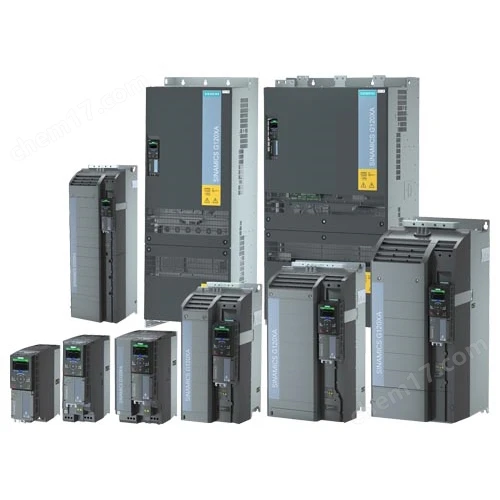
In plain language, a Variable Frequency Drive is an electronic device that adjusts the frequency and voltage supplied to an electric motor, allowing variable speed control. Traditional motors without VFDs run at a fixed speed regardless of load requirements, leading to inefficiencies. But with a VFD, you can tune the motor speed dynamically to meet actual demand.
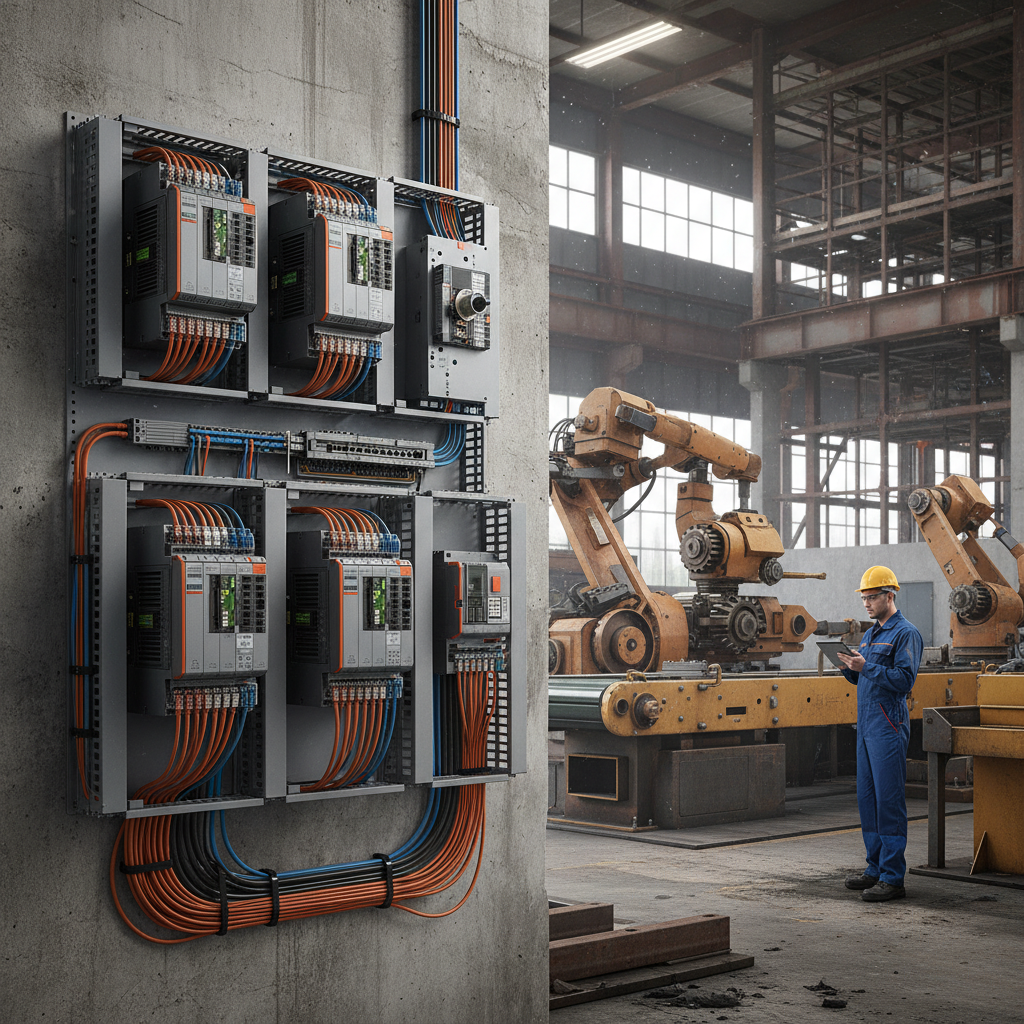
Industries rely on VFD drives to optimize motors in HVAC systems, conveyors, pumps, fans, compressors, and mixers, essentially anywhere precise motor speed control can translate to tangible energy savings and process improvements.
Core Components of VFD Usage
1. Energy Efficiency
By adjusting motor speed to the load, VFD drives can reduce energy consumption by 20–50% in many applications. This is especially critical in processes with variable demand, like pumping or ventilation.
2. Process Control and Precision
VFD drives enable smooth ramp up/down of motor speeds, protecting mechanical components from sudden shocks and prolonging equipment lifespan.
3. Cost Effectiveness
Initial installation might seem pricey, but energy savings and reduced maintenance often pay back the investment within a couple of years.
4. Integration and Scalability
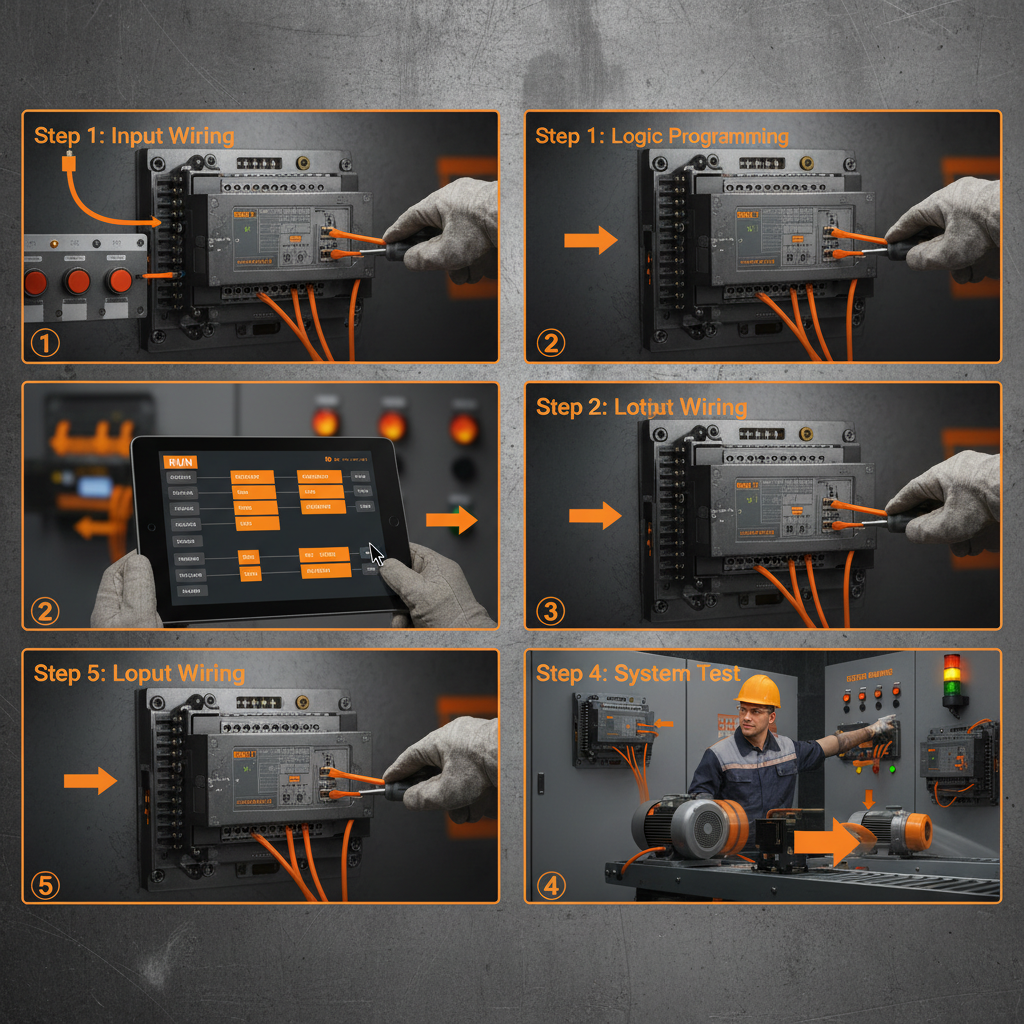
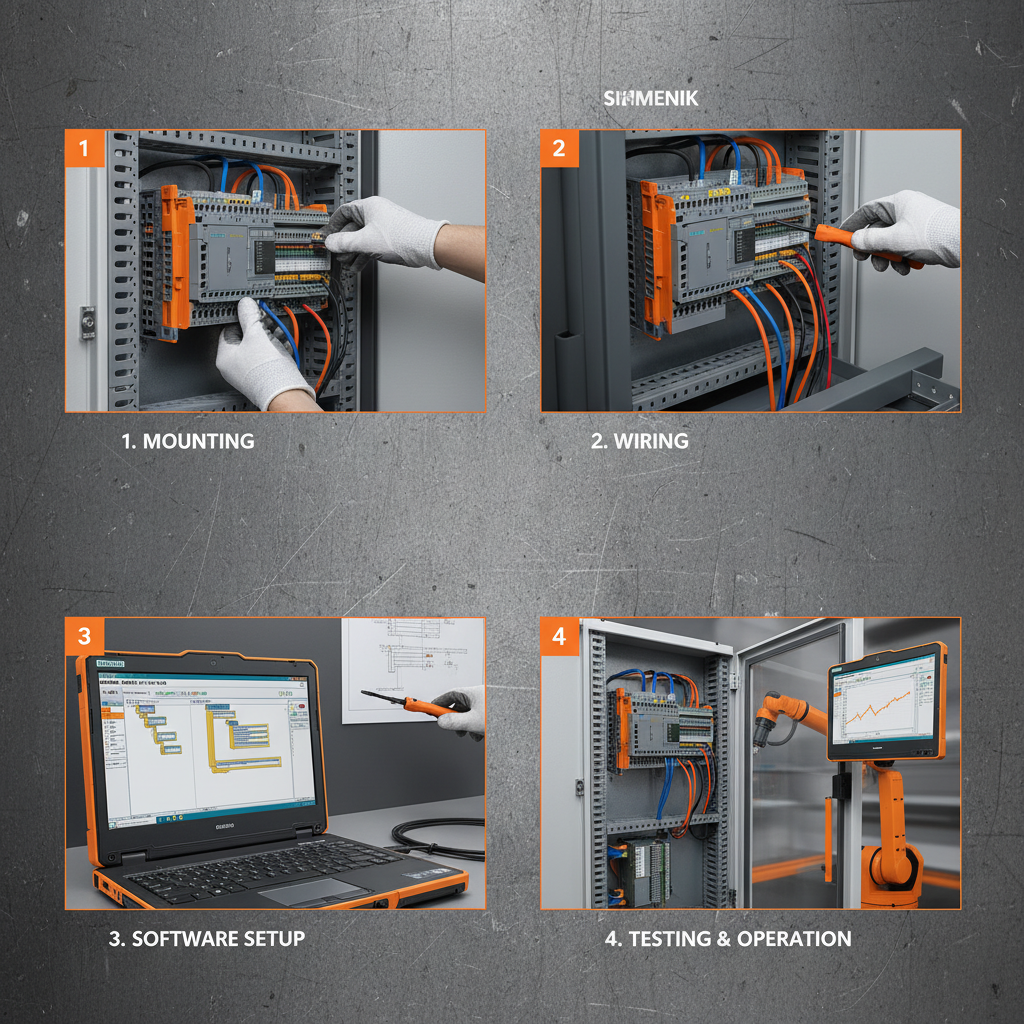
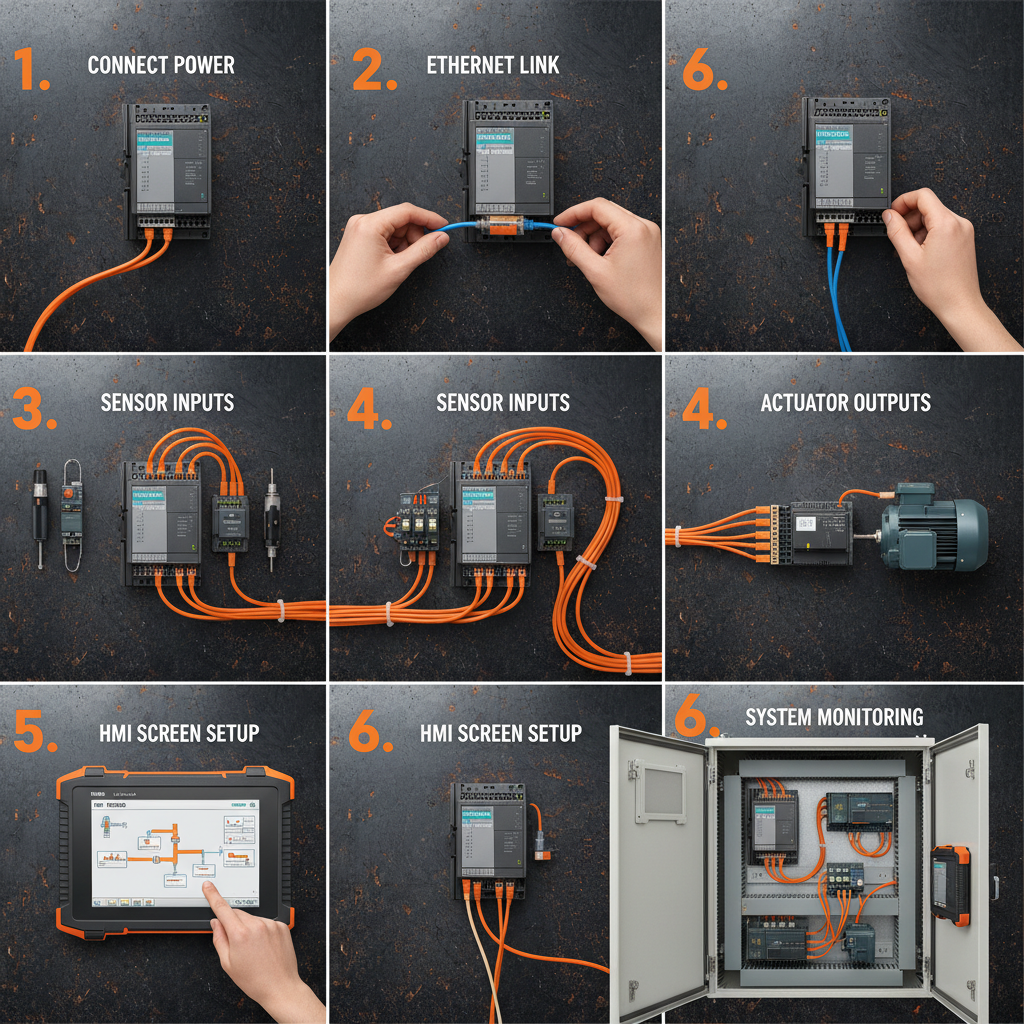
Modern VFDs come with smart control features compatible with industrial control systems, allowing seamless data collection and remote adjustments.
5. Reliability and Durability
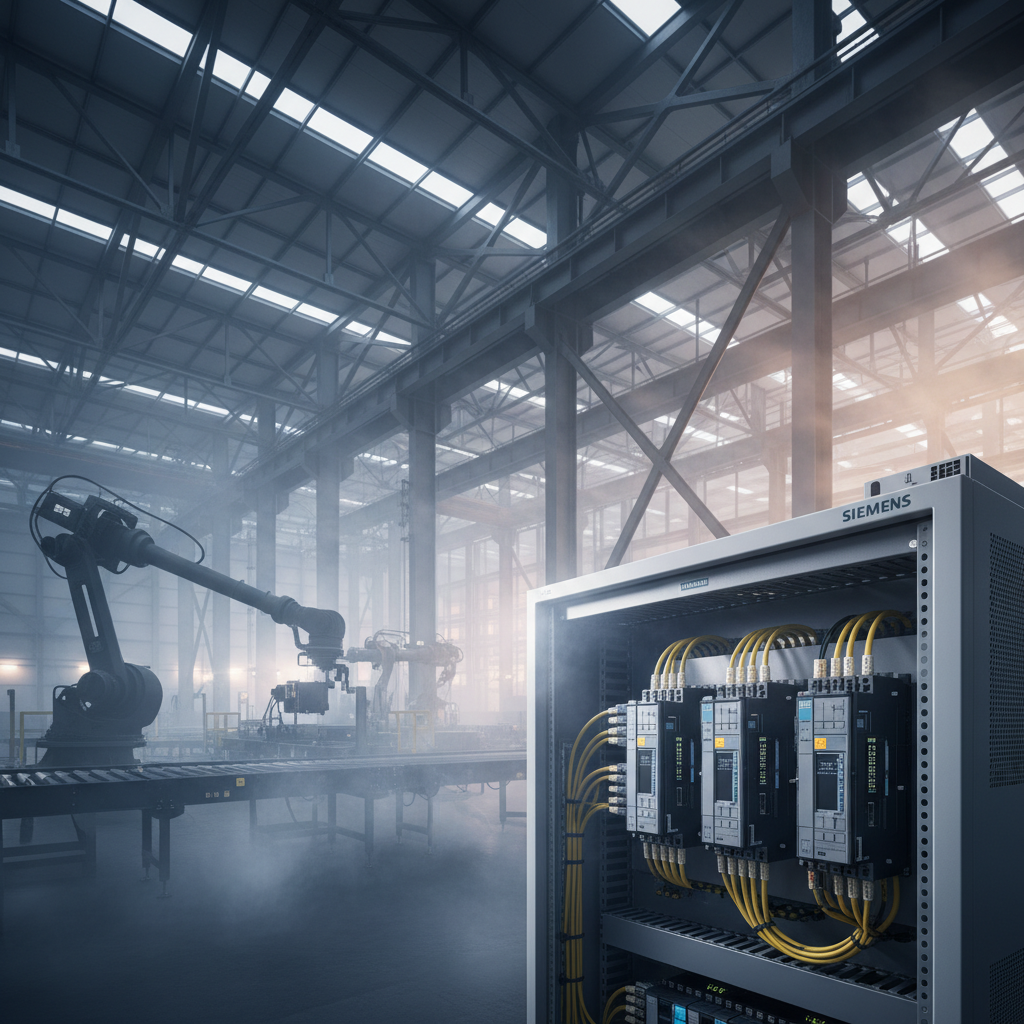
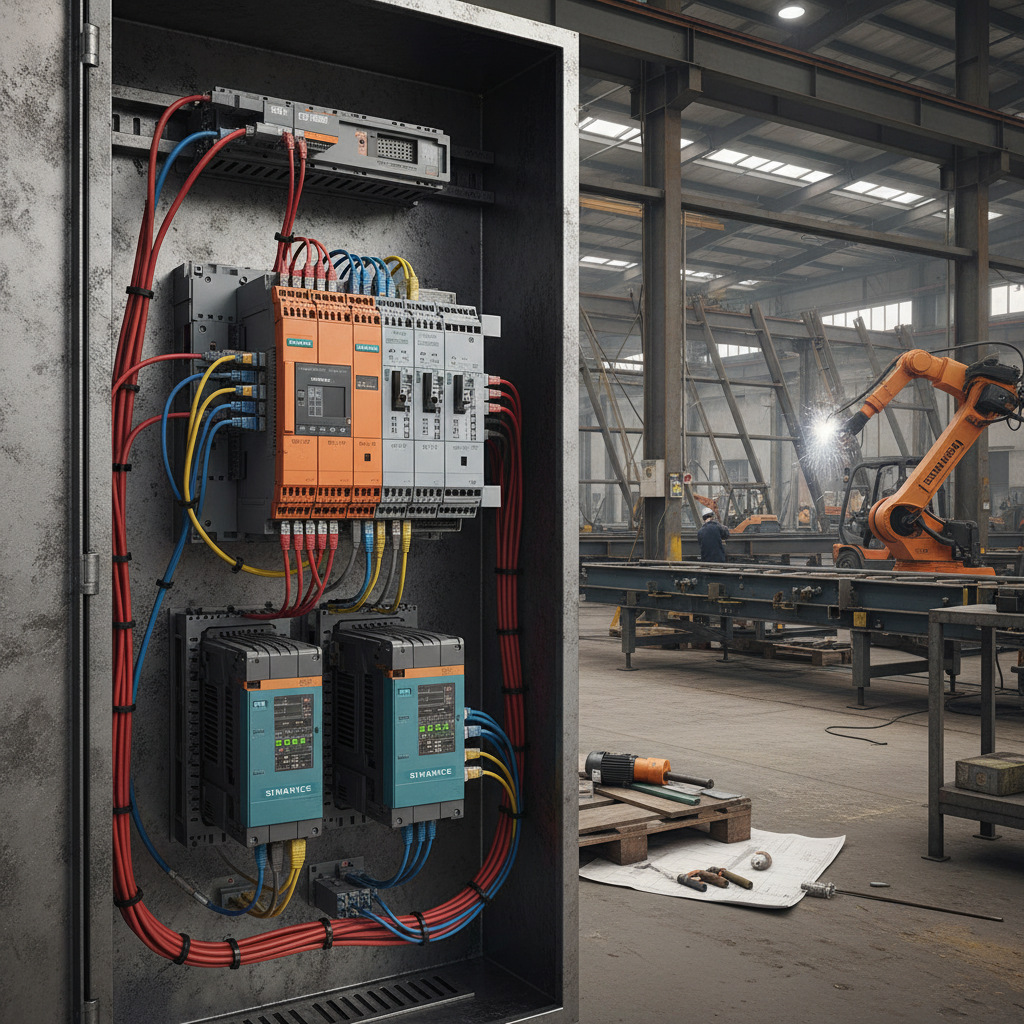
VFD drives designed for industrial use are built to withstand harsh environments — from high humidity to dust — ensuring long operational life.
| Specification | Typical Value | Industry Example |
|---|---|---|
| Input Voltage | 380-480 V AC | Manufacturing, Mining |
| Power Range | 0.75 kW to 5000 kW | Oil & Gas, Water Pumping |
| Control Type | Vector Control / V/F Control | HVAC, Conveyors |
| Protection Rating | IP54 / IP66 | Outdoor installations, Marine |
| Communication Protocols | MODBUS, PROFIBUS, Ethernet/IP | Smart Factories, Automation |
Global Applications & Practical Use Cases
The use of VFD drives is widespread and diverse. In Europe, they’re extensively applied in municipal water treatment plants to modulate pumps, saving significant energy during low-demand periods. In Asia’s rapidly growing manufacturing sector, VFDs improve conveyor belt controls, reducing downtime and mechanical wear.
Oddly enough, humanitarian organizations have also seen benefits: in post-disaster relief camps, VFD-powered pumps maintain clean water supply efficiently—even when electrical grid stability is questionable.
Places like the Middle East’s oil refineries rely on VFDs to fine-tune compressor speeds, directly impacting operational efficiency and emissions compliance.
Advantages & Long-Term Value
- Energy Savings: The headline benefit, often yielding 20-50% reductions in power use.
- Equipment Longevity: Smooth starts/stops cut down mechanical stress.
- Lower Carbon Footprint: Meets environmental standards by lowering emissions indirectly.
- Operational Flexibility: Easily programmable adjustments allow for process optimization.
- Safety and Comfort: In HVAC, improved motor control enhances indoor climate and worker wellbeing.
Future Trends & Innovations in VFD Technology
Looking ahead, VFD technology is integrating tighter with IoT and AI – predictive maintenance alerts, remote optimization, and adaptive control are becoming standard. Renewable energy integration means frequency converters are increasingly designed to handle variable power inputs from solar and wind. Green policies are also encouraging more industries to adopt VFDs as part of their decarbonization strategies. On the materials front, advances in semiconductor components like SiC (Silicon Carbide) promise even greater efficiency and heat tolerance.
Challenges & Solutions
Still, hurdles exist. Installation costs and complexity may deter smaller firms. Plus, VFD-induced harmonics can interfere with power quality if not mitigated. However, experts advise using filters and proper system design. Education and training remain vital—many operators underestimate VFD capabilities or misuse settings, defeating the energy-saving potential.
| Vendor | Power Range | Communication Protocols | Typical Industries | Global Reach |
|---|---|---|---|---|
| Siemens | 0.12 kW to 6300 kW | PROFINET, MODBUS, EtherNet/IP | Manufacturing, Infrastructure | Worldwide |
| ABB | 0.25 kW to 10,000 kW | MODBUS, PROFIBUS, Ethernet/IP | Oil & Gas, Mining | Global |
| Schneider Electric | 0.18 kW to 4000 kW | MODBUS, Ethernet/IP | Water, Food & Beverage | Global |
| Yaskawa | 0.4 kW to 3000 kW | MODBUS, Profibus | Automotive, Robotics | Asia, Americas, Europe |
FAQ About Use of VFD Drives
-
Q: How do VFD drives improve energy efficiency compared to traditional motor setups?
A: VFD drives allow motors to run only at the speed needed, reducing electricity wastage inherent in full-speed-on operation. This results in energy savings of up to 50% in variable load conditions. -
Q: Are VFD drives compatible with all types of electric motors?
A: Most three-phase AC induction motors are compatible with VFDs. However, permanent magnet and synchronous motors require specific considerations. Consulting the drive and motor specifications is essential. -
Q: What is the typical payback period after installing a VFD system?
A: Depending on the application and energy costs, payback can range from 1 to 3 years, thanks mostly to reduced energy bills and maintenance savings. -
Q: Can VFDs help reduce mechanical wear and tear on equipment?
A: Yes, by enabling soft starts/stops and eliminating sudden speed changes, VFDs protect mechanical components, extending their lifespan. -
Q: Is integrating VFDs into an existing industrial system complicated?
A: It varies by system complexity. Modern VFDs offer flexible communication protocols to ease integration; however, professional assessment and setup are recommended.
Conclusion and Call to Action
In summary, the use of VFD drives offers compelling benefits in efficiency, cost reduction, and operational control across industries worldwide. As sustainability challenges intensify and industrial innovation accelerates, embracing VFD technology is a smart move for any organization serious about future-proofing their operations.
For more insights on effectively deploying VFD drives and exploring tailored solutions, visit our website: https://www.tianjinyongkai.com
Mini takeaway: Whether in energy-intensive industries or emerging infrastructure projects, the flexible use of VFD drives is rapidly becoming an industrial staple, marrying efficiency with innovation.