What VFD Means: Understanding Variable Frequency Drives in Industry
What VFD Means: A Veteran's Take on Variable Frequency Drives
Working in the industrial equipment sector for over a decade, I’ve come across countless acronyms. But VFD is one that really stands out in terms of impact and versatility. You might have heard it thrown around in discussions about motor controls or energy savings, but what does it truly mean, practically speaking?
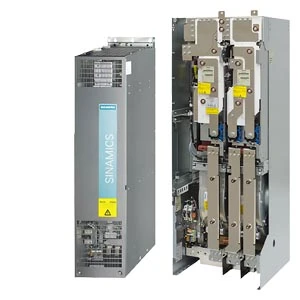
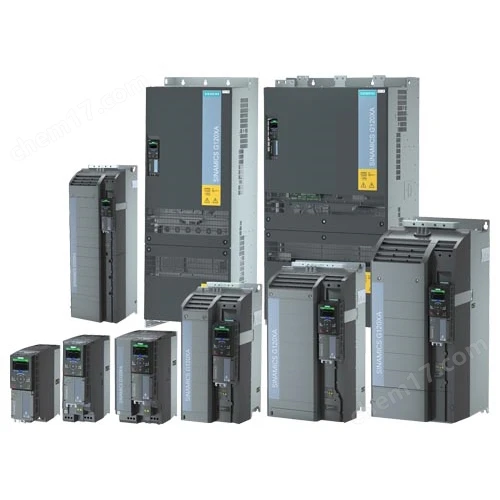
Simply put, VFD stands for Variable Frequency Drive. It’s a type of motor controller that drives an electric motor by varying the frequency and voltage of its power supply. This might sound technical, but in real terms, it’s what allows industrial motors to run at different speeds instead of just full throttle or off. That kind of control is a game changer.
Back when I first started, industries mostly ran motors at constant speeds regardless of load. This meant wasted energy and unnecessary wear and tear — not exactly what you'd call efficient. But with VFDs, the ability to fine-tune motor speed means processes can be optimized, energy use reduced, and downtime minimized. Frankly, for any manager or engineer looking to trim costs while boosting longevity of equipment, VFDs are a smart investment.
Now, the design of most VFD units involves power semiconductors, microprocessors, and control algorithms that precisely adjust output frequency. Typically, VFDs take the incoming AC power, convert it into DC, and then invert it back into AC with variable frequency — kind of like digitally remixing the power supply to suit the motor’s needs. The tech behind it can range from simpler scalar control methods to more advanced vector and sensorless vector controls. Each level of sophistication reflects in cost and performance.
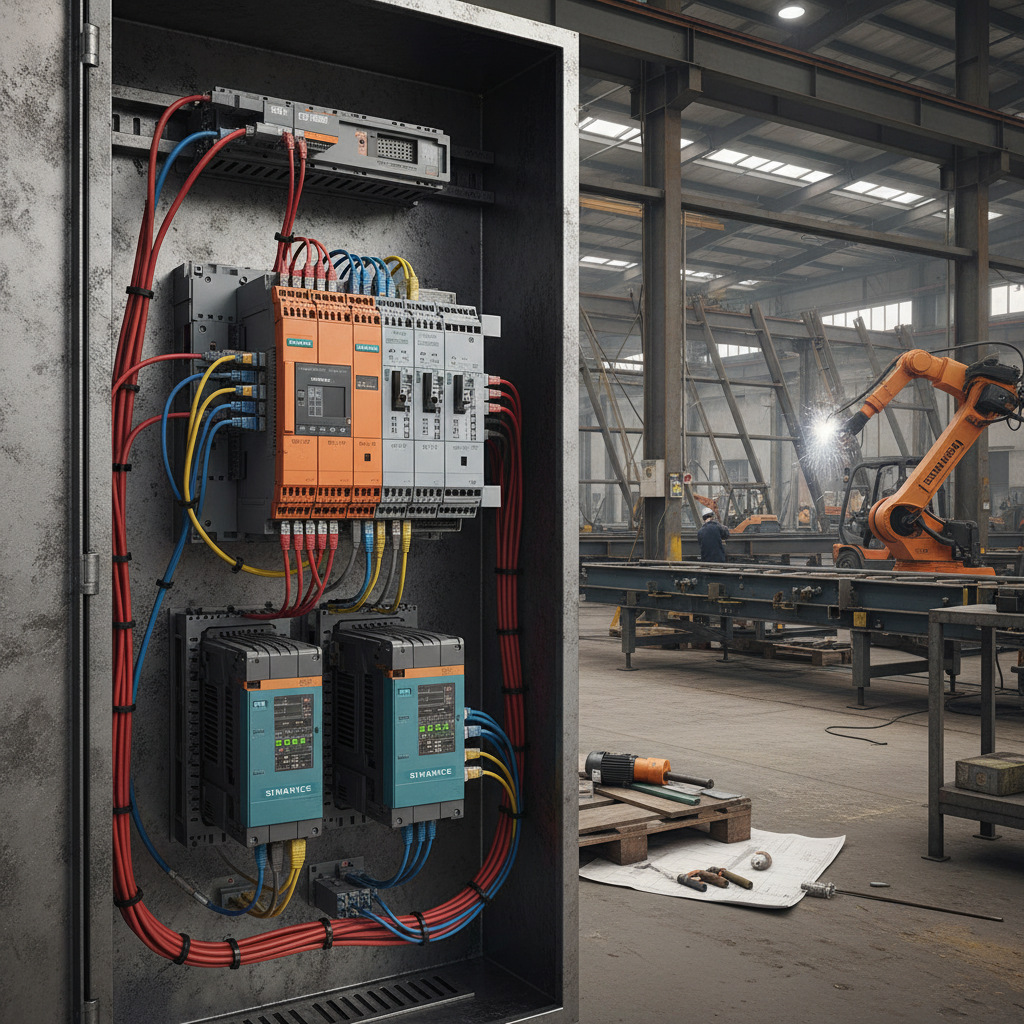
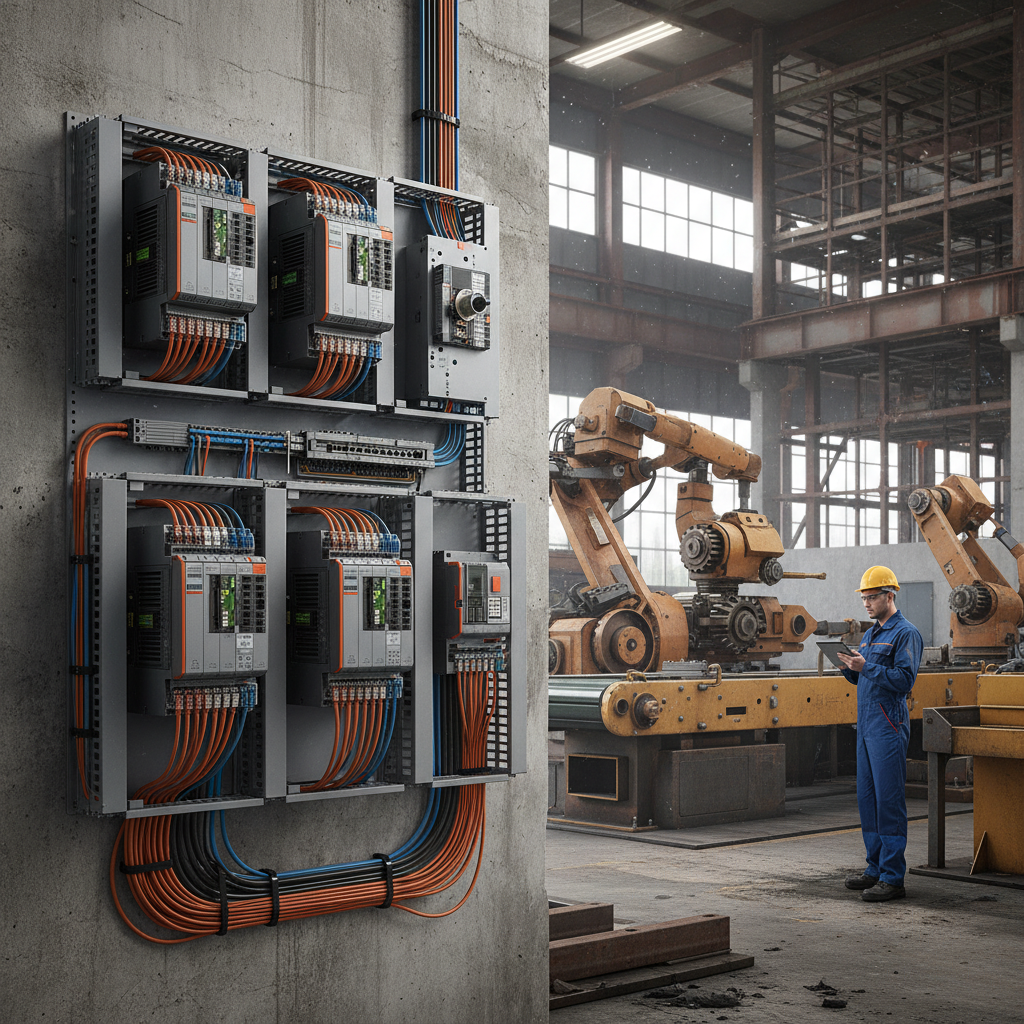
Materials and build quality are another angle. From my experience visiting factories, I noticed some drives designed for harsh environments feature industrial-grade sealing, heat sinks, and robust enclosures to deal with dust and vibration — pretty much a necessity in, say, mining or chemical plants.
Here’s a quick look at typical specs for a mid-range industrial VFD:
| Specification | Typical Value |
|---|---|
| Input Voltage Range | 200V - 480V AC |
| Output Frequency | 0 - 600 Hz |
| Power Ratings | 0.5 kW - 500 kW |
| Control Method | Scalar, Vector, or Sensorless Vector |
| Enclosure Rating | IP20 - IP65 |
When it comes to vendors, one quickly learns that not all VFDs are created equal. Different manufacturers bring subtle variations in reliability, support, and features. I once spoke with a plant manager who switched vendors after repeatedly dealing with communication errors and inconsistent motor performance. It's odd how a manufacturer’s quality assurance and firmware updates can directly impact day-to-day operations.
To help shed light on this, here’s a simple comparison of popular VFD suppliers:
| Feature | Vendor A | Vendor B | Vendor C |
|---|---|---|---|
| Range of Power | 0.5 kW - 250 kW | 1 kW - 500 kW | 0.75 kW - 350 kW |
| Advanced Control Support | Vector Control | Sensorless Vector | Scalar Only |
| Communication Protocols | Modbus, CANopen | Ethernet/IP, Profibus | Modbus |
| Warranty | 3 Years | 5 Years | 2 Years |
| Typical Price Range | $$$ | $$$$ | $$ |
Honestly, I often encourage clients to think beyond just purchase price. Look at service, firmware upgrade paths, and compatibility with existing systems. Many engineers say it’s those “intangible” factors that make all the difference, especially over the lifespan of industrial equipment, which we all know can be several years or even decades.
In a memorable case, a paper mill used VFDs to regulate their large motors driving the rollers. Previously, torque spikes were common, disrupting production and causing maintenance headaches. Once VFDs were installed and finely tuned, not only did energy consumption drop by about 15%, but maintenance intervals extended. It felt like watching years of frustration just melt away.
To wrap this up: VFDs, surprisingly enough, blend solid electrical engineering with clever software algorithms to make motors smarter and plants more efficient. If you are working anywhere with electric motors, understanding VFDs isn’t just jargon—it’s practical knowledge that can save time, money, and a lot of headache.
VFD technology is here to stay and only getting better. And frankly, from what I’ve seen, it’s worth diving into whether you’re buying your first VFD or upgrading a hundred.
- By an industrial equipment veteran
References:
- IEEE Industry Applications Society, Variable Frequency Drives Guidelines, 2021
- Manufacturer Datasheets & Practical Case Studies, 2015-2023
- Personal field notes and client feedback from 2008–2024