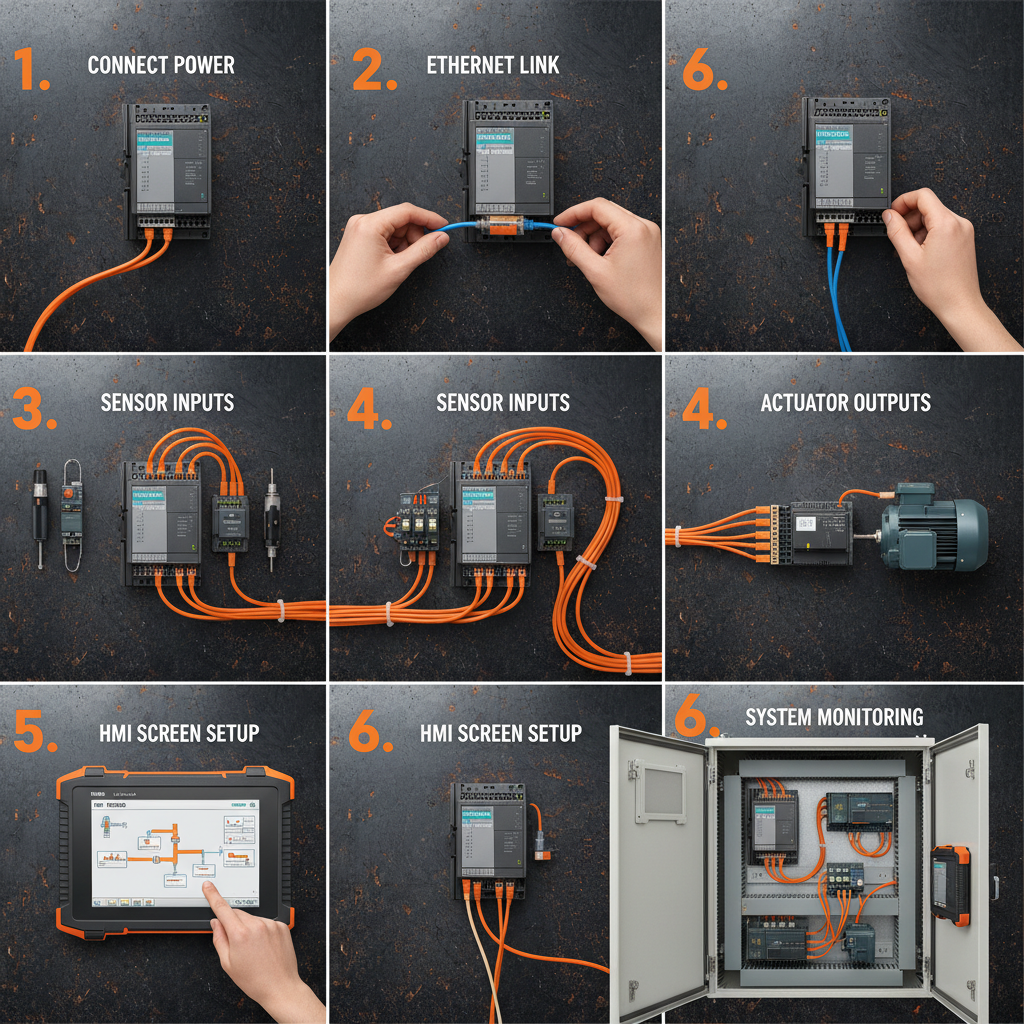
1.5 hp Motor with VFD: Efficient Industrial Motor Controls Explained
Understanding the 1.5 hp Motor with VFD: Efficiency Meets Control
In today’s world of industrial automation and energy efficiency, few components are as pivotal — and frankly as unnoticed — as the 1.5 hp motor with VFD. These systems blend mechanical power with electronic finesse, transforming the way industries operate from manufacturing floors to water pumping stations. Why should we care? Because with increasing energy regulations globally and a push toward sustainability, understanding the mechanics and benefits of a 1.5 horsepower motor paired with a Variable Frequency Drive (VFD) can unlock significant operational savings, reduce carbon footprints, and enhance equipment lifespan.
Global Context: Why Does This Matter Now?
Power motors are the backbone of industrial applications worldwide. According to the International Electrotechnical Commission, industrial electric motors consume more than 40% of global electricity production. The integration of VFDs with moderate-power motors like the 1.5 hp variety addresses pressing challenges such as energy waste and system inefficiencies. In countries grappling with industrial expansion alongside energy scarcity, efficient motor control isn’t just a preference; it’s a necessity.
Take this: The UN estimates that improving energy efficiency in industries could cut up to 25% of global energy consumption by 2030. Variable Frequency Drives, paired with standard motors, are central to that push.
What Exactly is a 1.5 hp Motor with VFD?
Simply put, a 1.5 horsepower motor is an electric machine outputting roughly 1,119 watts of mechanical power. When paired with a Variable Frequency Drive, it gains the ability to precisely control speed and torque by varying the motor’s input frequency and voltage.
Think of it as a car with adjustable acceleration, rather than a simple on/off engine. This level of control matches the motor’s output to actual load demands, drastically cutting unnecessary energy use. In sectors from HVAC to agricultural irrigation, this translates to smarter, leaner operations.
Core Components and Key Factors
1. Durability
Industrial motors endure harsh environments—dust, moisture, heat. The 1.5 hp motors with VFDs often come with enhanced insulation and sealed housings, prolonging their working life.
2. Energy Efficiency
By modulating speed, the VFD prevents wasted energy from fixed-speed motors running at full throttle unnecessarily. This can reduce energy usage by up to 30% depending on application.
3. Cost Effectiveness
Although initial investments are higher than traditional motors, the lifetime cost savings from reduced energy bills and maintenance more than compensate. You get better return on investment over time.
4. Versatility
This motor comes packaged to work in various sectors—pumps, conveyors, fans, compressors. It’s a kind of “jack of all trades” in power machinery.
5. Ease of Integration
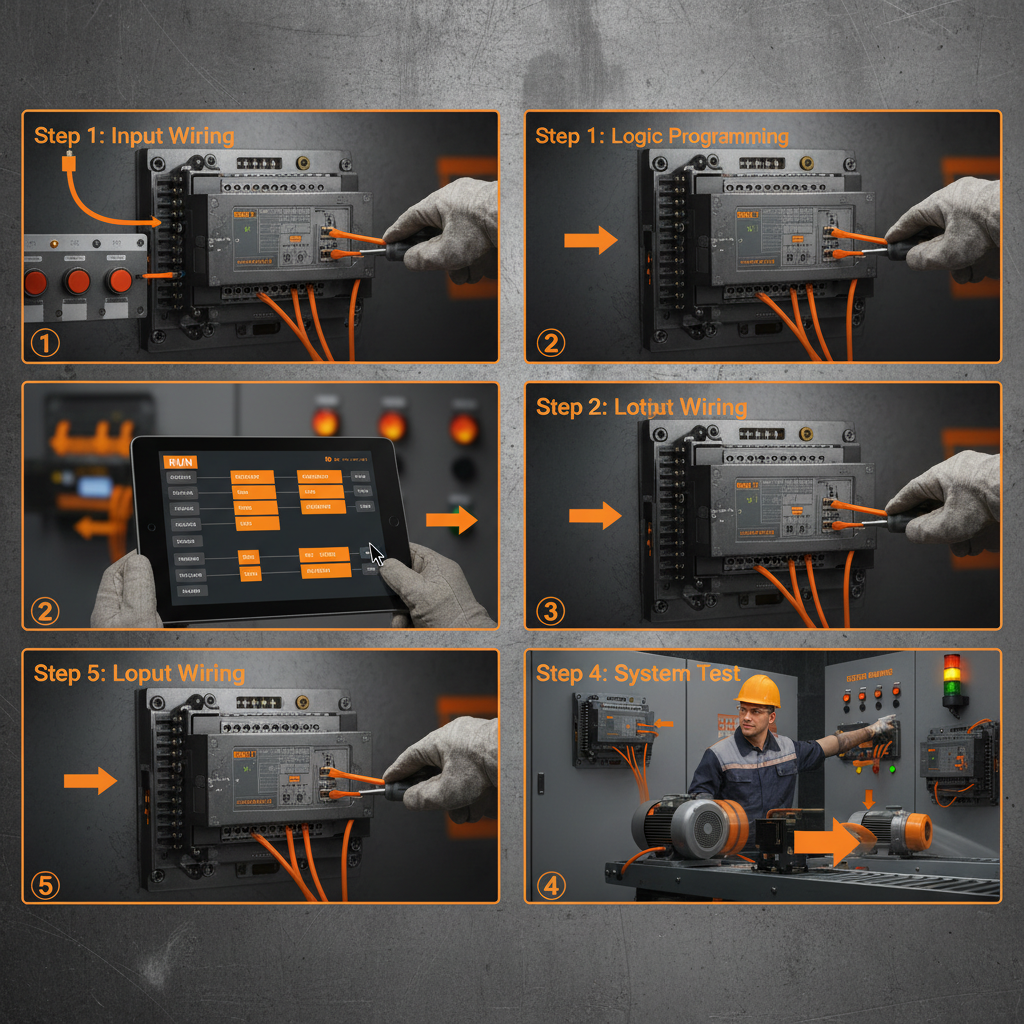
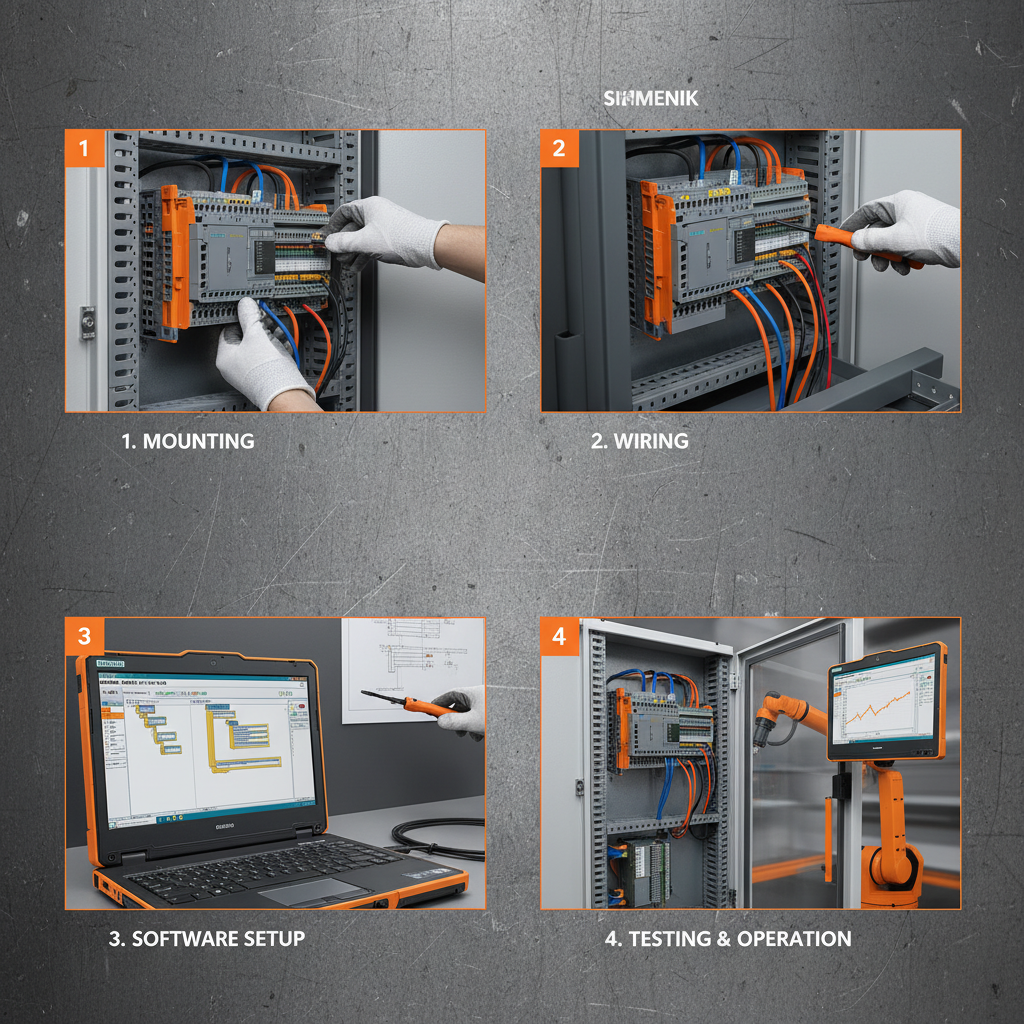
Modern VFDs support communication protocols compatible with smart factory systems, simplifying automation setup and remote monitoring.
Product Specification Snapshot
| Feature | Specification |
|---|---|
| Motor Output | 1.5 horsepower (1,119 Watts) |
| Voltage Rating | 230/460 VAC (3-phase) |
| Speed Range | 0 - 3600 RPM (variable by VFD) |
| Efficiency Rating | IE3 / Premium Efficiency |
| Cooling Method | TEFC (Totally Enclosed Fan-Cooled) |
| VFD Compatibility | Standard PWM drives with PID control features |
Global Applications & Use Cases
It’s intriguing how this blend of motor and electronic controls plugs into so many applications worldwide. In the Middle East, where water scarcity demands efficient irrigation systems, 1.5 hp motors with VFDs keep pumps running just enough—no more, no less—to conserve precious resources. In European HVAC systems, these motors manage fan speeds to maintain comfort while minimizing power bills.
Oddly enough, in disaster relief contexts—where power supply can be erratic—portable 1.5 hp motor units with VFDs offer adaptable pumping and ventilation solutions essential for temporary field hospitals or mobile shelters.
Vendor Comparison: A Quick Overview
| Vendor | Efficiency | Price Range | Warranty | Global Availability |
|---|---|---|---|---|
| Vendor A | IE3 Premium | $600 - $750 | 3 years | Worldwide |
| Vendor B | IE2 Standard | $450 - $600 | 2 years | Regional (Asia, Europe) |
| Vendor C | IE3 Premium | $700 - $850 | 5 years | Worldwide |
Advantages and Long-Term Value
Investing in a 1.5 hp motor with VFD isn’t just a technical upgrade; it’s a way to build resilience into systems. The immediate energy savings—up to 30%—are critical in tight-margin operations. But beyond that, there is a social and emotional dimension: reduced noise, smoother operation, and fewer breakdowns mean safer work environments and greater dignity for operators.
Plus, the environmental angle can’t be overstated. Energy-efficient motors reduce greenhouse gas emissions, aligning operations with global climate targets — a factor increasingly scrutinized by consumers, regulators, and investors alike.
Future Trends & Innovations
Digital transformation is rewriting how VFD-enabled motors operate. Smart drives now integrate IoT connectivity for predictive maintenance, performance analytics, and cloud-based control systems. Also, advances in semiconductor tech mean more compact, efficient VFDs that generate less electrical noise and can handle harsher environments.
Green energy integration is another exciting frontier. As solar and wind power find their way into industrial settings, VFDs enable motors to operate flexibly with variable power input, enhancing grid stability and reliability.
Challenges & Solutions
Of course, no tech solution is without its quirks. Harmonics generated by VFDs can cause electrical interference, and not all legacy motors handle variable frequency well, sometimes overheating or losing torque. However, modern VFDs with harmonic filters and “vector control” algorithms greatly mitigate these issues.
Moreover, training for operators and maintenance staff must evolve. Experts recommend investing in comprehensive education programs to ensure reliability — you can’t just plug and play these systems without some degree of skill.
FAQ: Frequently Asked Questions About 1.5 hp motor with VFD
- Can I retrofit a 1.5 hp motor with a VFD on an existing system?
- Absolutely, many industrial setups retrofit existing motors with VFDs to enhance control and reduce energy consumption. However, compatibility depends on the motor’s design; consulting a specialist is recommended to avoid overheating or performance issues.
- How much energy can I realistically save using a 1.5 hp motor with VFD?
- Savings vary by application but typically range between 10-30%. Load variability and motor usage patterns heavily influence this, with frequent startups and partial load operation benefiting the most.
- Are 1.5 hp motors with VFDs suitable for explosive or hazardous environments?
- Some models are designed with explosion-proof enclosures and meet relevant certifications (like ATEX). Always verify the motor’s certification status before deployment in hazardous locations.
- How often should maintenance be performed on these systems?
- Regularly scheduled inspections every 6 to 12 months are advised to check for overheating, insulation wear, and VFD diagnostics. Predictive maintenance enabled by smart VFDs is becoming standard to reduce downtime.
In Conclusion
The 1.5 hp motor with VFD embodies a smart fusion of mechanical and electronic engineering, unlocking efficiency, flexibility, and sustainability that modern industries desperately need. If you’re considering upgrading your systems or exploring energy-saving options, this motor-drive combo is a worthy candidate to investigate.
To learn more and explore specific product offerings, do check out the detailed resources and technical specs available at https://www.tianjinyongkai.com. Your path to smarter operations might just start there.
Oddly enough, it’s the smaller horsepower motors—like this 1.5 hp workhorse—that often get overlooked in favor of their bigger cousins, yet they quietly power a huge chunk of the world’s industrial productivity.
Summary Takeaway: Investing in a 1.5 hp motor with VFD is a smart step for industries prioritizing energy efficiency, operational control, and sustainability — a trifecta that’s hard to beat in today’s evolving industrial landscape.