Efficient VFD for 30 HP Motor | Energy Savings & Industrial Control
Understanding the Role of a VFD for 30 HP Motor: Why It Matters
Sometimes, the technology that quietly hums inside industrial settings can make an outsized difference. A variable frequency drive (VFD) for a 30 HP motor might sound like a niche piece of electrical equipment — and, well, it is, on the surface. But its impact? That’s a bigger story. Controlling motor speed and torque electrically, a VFD helps save energy, reduce wear-and-tear, and allows flexible operation in everything from water treatment plants to manufacturing lines. Globally, as industries push for smarter energy use and sustainability, understanding VFDs becomes crucial.
With energy consumption rising worldwide — the International Energy Agency reports motor-driven systems account for nearly 45% of global electricity use — the impact of an efficient VFD for a 30 HP motor is not just a technical trivia but a meaningful step in reducing carbon footprints and operational costs.
A Snapshot: What Exactly Is a VFD for 30 HP Motor?
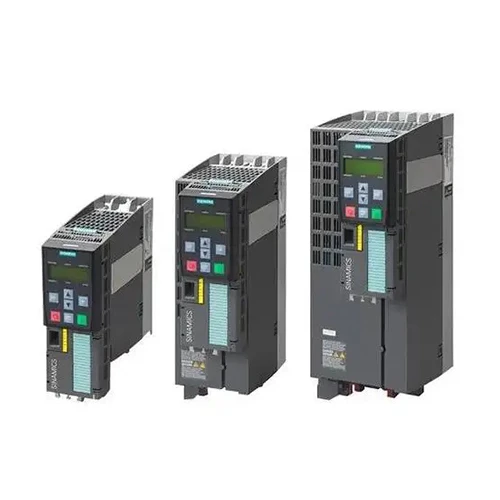
Put simply, a vfd for 30 hp motor is an electronic controller that manages the speed and torque of a 30-horsepower electric motor by varying the frequency and voltage of its power supply. Instead of running a motor at full speed all the time (and wasting energy), a VFD lets you dial down or ramp up the speed as needed.
Think about a pump that doesn’t need to run at full blast 24/7 — using a VFD means less power consumed, resulting in better system reliability and sustainability. In modern industry, where precision and energy use are scrutinized closely, VFDs have become indispensable.
Core Components Influencing Performance & Practical Use
1. Durability & Build Quality
Many engineers say the real test is how a VFD handles heat and dust. Durable enclosures and quality internal components ensure that the VFD can run hard in harsh conditions without frequent breakdowns.
2. Scalability & Integration
The ability to upgrade or integrate VFDs into wider automation systems matters. Modern units communicate with PLCs and edge devices, letting operators monitor and adjust performance remotely.
3. Cost Efficiency
Choosing a VFD for a 30 HP motor is often a balance between upfront cost and operational savings. It’s less about the initial sticker price and more about energy savings and reduced maintenance over time.
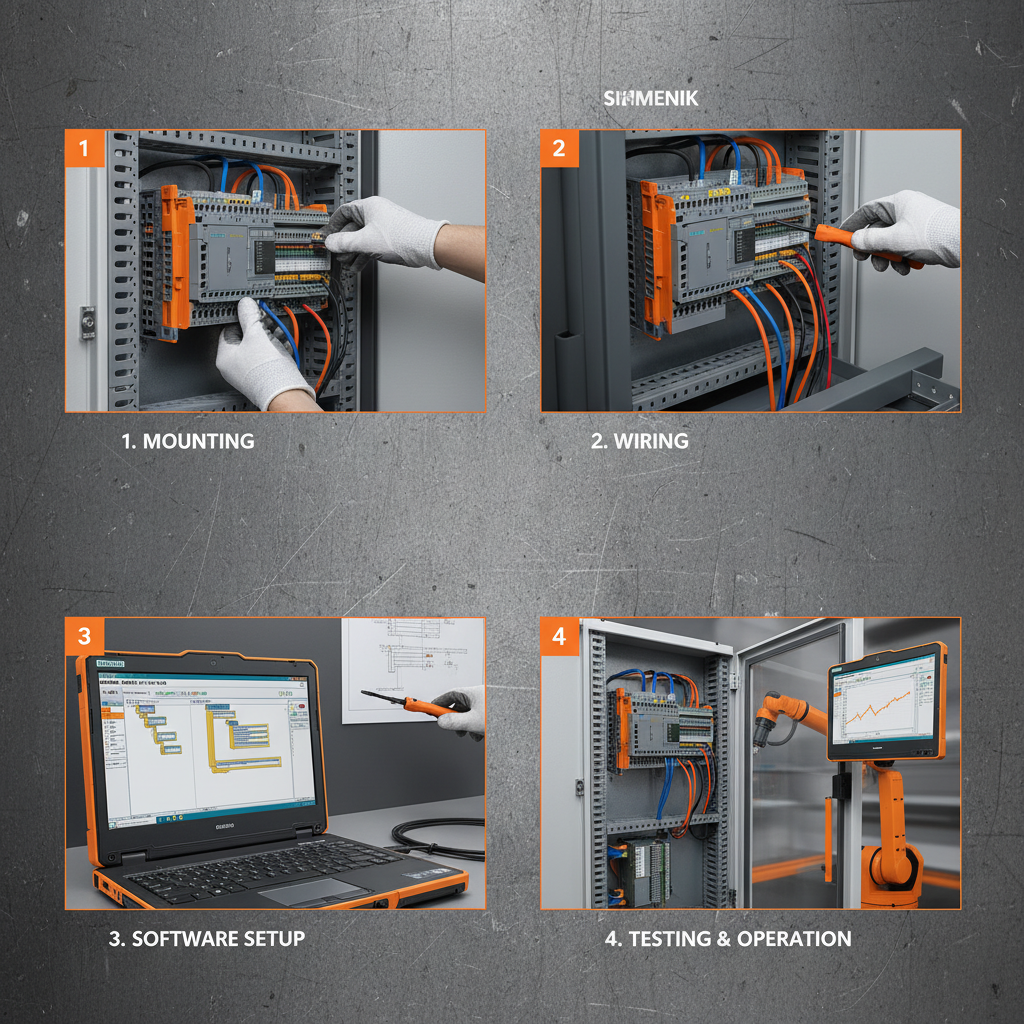
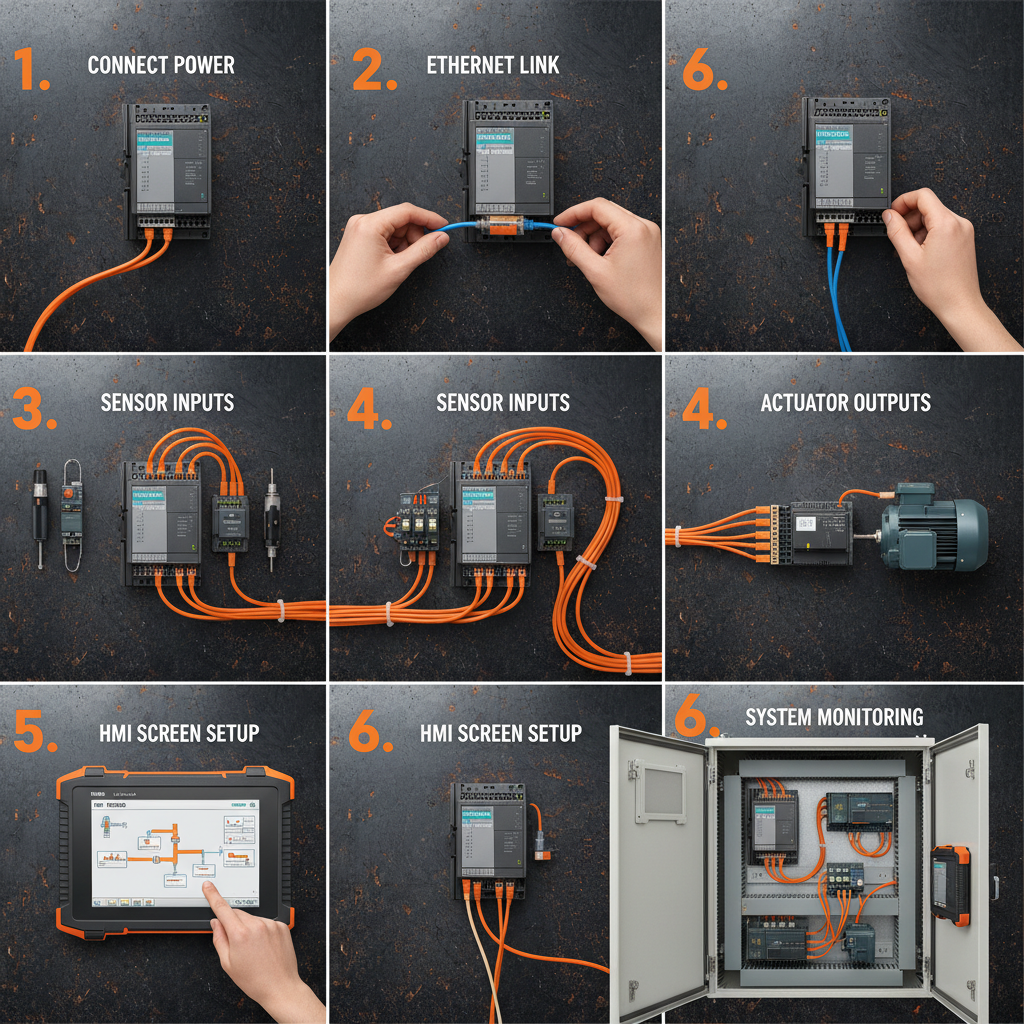
4. Ease of Installation & Use
Plug-and-play options or user-friendly interfaces save time on setup and troubleshooting, minimizing downtime—a huge advantage in fast-paced industrial environments.
5. Safety Features
Modern VFDs include overload protection, fault detection, and fail-safe mechanisms to protect both machinery and employees. These safeguards help maintain continuous operation and reduce risks.
Real-World Applications Around the Globe
VFDs for 30 HP motors find homes in many industries:
- Municipal water treatment plants: Precise flow control saves enormous amounts of power.
- HVAC Systems: Regulating air handlers and pumps for efficient climate control.
- Manufacturing and processing: Controlling conveyor belts, mixers, and compressors for smooth operation and reduced wear.
- Agricultural irrigation: Adjusting pump speeds according to water demand, crucial for sustainable farming.
In regions like Europe and North America, regulatory pressure has propelled adoption, while developing countries increasingly see VFDs as a way to improve infrastructure in post-disaster recovery or remote industrial sites where energy efficiency can’t be ignored.
Product Specification Table: Typical VFD for 30 HP Motor
| Feature | Specification |
|---|---|
| Power Rating | 30 HP / 22.4 kW |
| Input Voltage | 380-480 V (3 phase) |
| Output Frequency | 0 – 60 Hz |
| Control Method | V/F Control, Vector Control |
| Communication Protocols | Modbus, Profibus, Ethernet/IP |
| Operating Temperature | -10°C to +50°C |
| Enclosure Rating | IP55 |
How Do Vendors Stack Up? A Quick Comparison
| Vendor | Price Range | Warranty | Key Features | Support & Integration |
|---|---|---|---|---|
| Vendor A | $1,200 - $1,500 | 3 years | Robust design, user-friendly panel | Strong software ecosystem |
| Vendor B | $1,000 - $1,300 | 2 years | Compact, energy-efficient | Basic communication options |
| Vendor C | $1,500 - $1,800 | 5 years | Advanced vector control, IoT ready | 24/7 expert support |
Why Are VFDs with 30 HP Motors a Long-Term Win?
I often tell colleagues that the best investments usually pay off quietly behind the scenes. VFDs make motors smarter — lowering power wastage and extending equipment life. Organizations benefit financially by shaving off peak electricity demands and cutting maintenance costs. On the green side, they reduce carbon emissions, contributing to global sustainability goals such as those outlined by ISO 50001 for energy management systems.
From a human perspective, reliable and efficient motors mean safer workplaces — fewer sudden shutdowns, less overheating, and a degree of automated protection against failures. For engineers, it’s the kind of innovation that builds trust and confidence.
Trends on the Horizon: The Future of VFDs for 30 HP Motors
Frankly, the industry is moving towards smarter, greener, and more connected drives. For example, innovations include:
- Integration with AI and IoT: Predictive maintenance alerts and real-time performance tracking.
- Wide bandgap semiconductors: Devices employing silicon carbide (SiC) for higher efficiency and thermal resilience.
- Eco-friendly designs: VFDs that minimize harmonic distortion and noise emissions.
Oddly enough, these advances make what was once a fairly simple motor controller into a sophisticated node in the industrial internet of things (IIoT), boosting flexibility and reducing downtime.
Common Challenges and How to Tackle Them
Despite all their perks, VFDs aren’t a magic switch. Some of the common hurdles include:
- Harmonic distortion: Can cause power quality problems, but using filters or advanced designs reduces this.
- Initial cost barriers: Even if cost-effective in the long run, the upfront price deters some adopters.
- Heat management: High environmental temperatures demand good ventilation or special enclosures.
Technicians and designers often recommend tailored solutions — like integrating line reactors or custom cooling setups — along with thorough upfront planning to ensure the best results for specific applications.
Frequently Asked Questions About VFD for 30 HP Motor
- Q1: How does a VFD improve the lifespan of a 30 HP motor?
- A: By reducing mechanical stress during startup and allowing smooth control of motor speed, a VFD minimizes wear, lowers heat generation, and prevents abrupt load changes, thereby extending motor life.
- Q2: Is it difficult to retrofit an existing 30 HP motor with a VFD?
- A: Retrofitting is generally straightforward, especially with modern VFDs designed for plug-and-play use. It requires matching the motor specs and sometimes minor electrical modifications, but many find it cost-effective and worthwhile.
- Q3: Can VFDs save energy with a 30 HP motor running at constant load?
- A: Less so. VFDs are best for variable load applications where part-speed operation reduces power. Running constantly at full speed doesn't yield much energy saving, though VFDs can enhance process control.
- Q4: What maintenance is involved with VFDs for 30 HP motors?
- A: Maintenance includes periodic cleaning of cooling fans and heat sinks, checking electrical connections, and firmware updates. Proper maintenance ensures reliability and longer service life.
- Q5: Are there any industry standards to consider when using a VFD?
- A: Yes, standards like IEC 61800 cover adjustable speed drives, and ISO 50001 supports energy management related to motor systems. Compliance ensures safety and efficiency.
Wrapping Up: The Value Proposition of VFDs for 30 HP Motors
In a nutshell, a vfd for 30 hp motor isn’t just a technical accessory — it is a decisive enabler for energy savings, operational flexibility, and longevity of electric motors. For industries aiming to cut costs, improve reliability, and meet modern sustainability goals, the case for VFDs has never been clearer.
If you’re in the market or simply want to explore how a VFD can transform your motor setup, I recommend browsing through options and vendor comparisons, and of course, checking out our offerings here. It’s one of those upgrades where the benefits unfold quietly but continuously, like a well-kept secret in efficient industry.