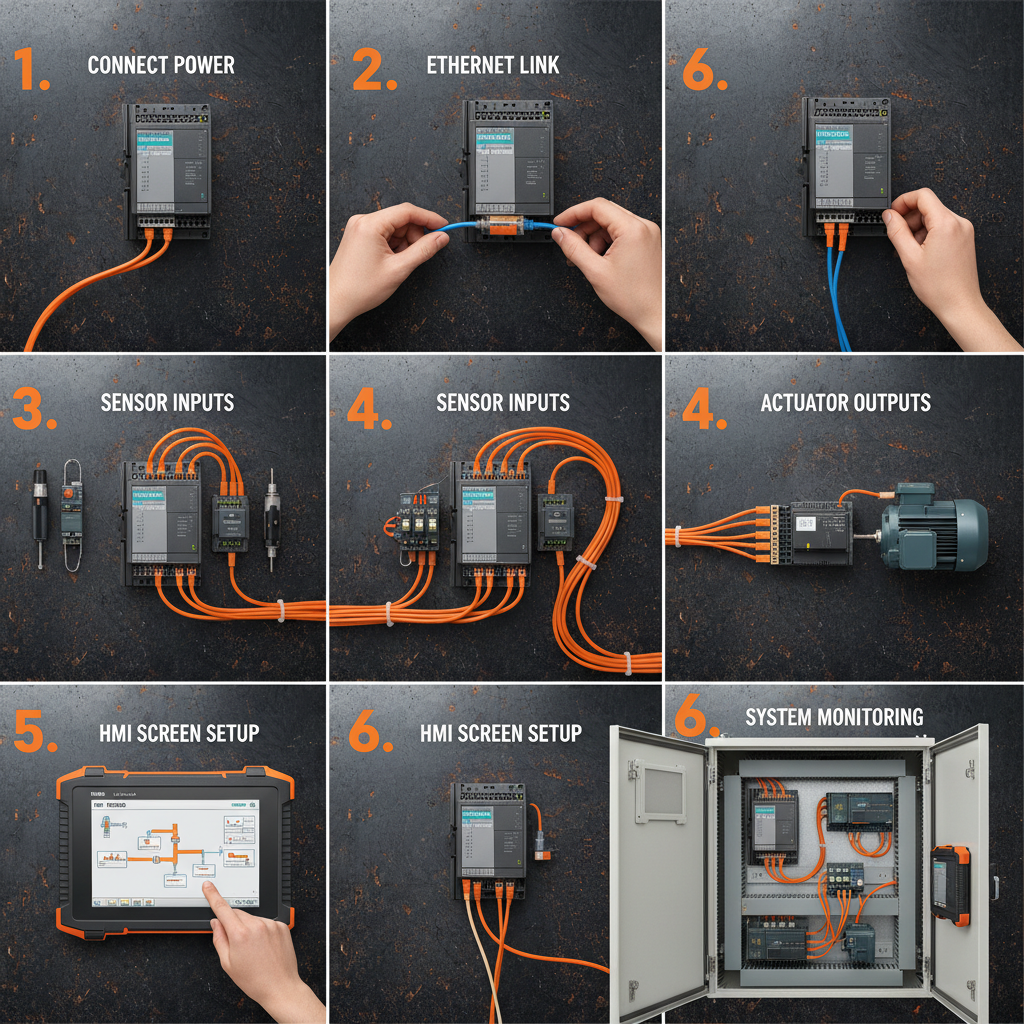
Industrial Automation Guide for High Performance plc sinumerik
Mastering Industrial Automation with PLC Sinumerik
In the rapidly evolving landscape of smart manufacturing, the integration of high-performance control systems is essential for maintaining a competitive edge. The plc sinumerik represents a pinnacle of CNC and PLC synergy, offering unmatched precision and flexibility for complex machining tasks. Whether you are upgrading a legacy system or designing a new automated production line, understanding the nuances of this technology is key to optimizing throughput and reducing downtime. This guide explores how the Sinumerik ecosystem empowers engineers to achieve superior accuracy and operational efficiency in demanding industrial environments.
The Architecture of PLC Sinumerik Systems
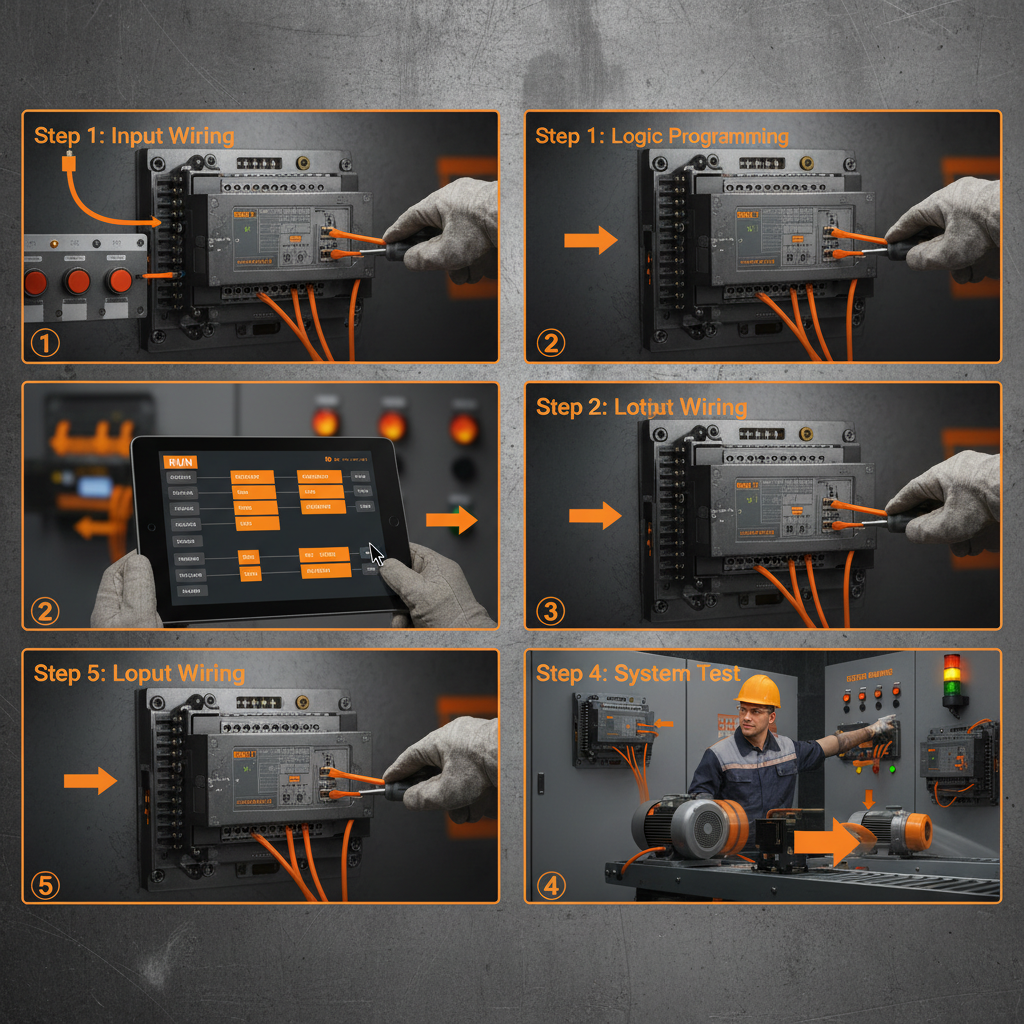
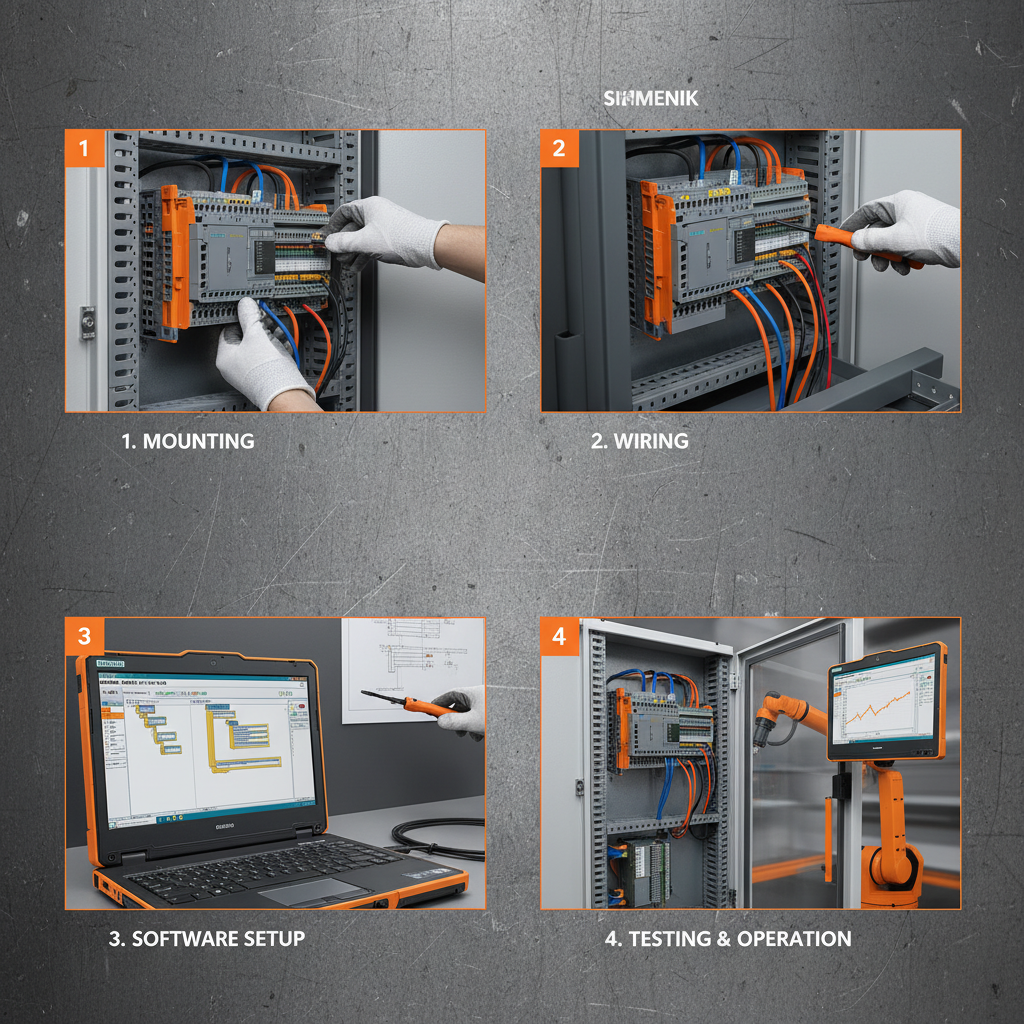
The core strength of the plc sinumerik lies in its hybrid architecture. Unlike standalone controllers, it seamlessly blends the logical processing of a Programmable Logic Controller (PLC) with the high-speed interpolation of a CNC system. This allows for the simultaneous management of auxiliary functions—such as tool changers and coolant systems—while maintaining micron-level precision in axis movement. The integration ensures that the machine tool reacts in real-time to sensor inputs, minimizing errors and enhancing safety protocols across the shop floor.
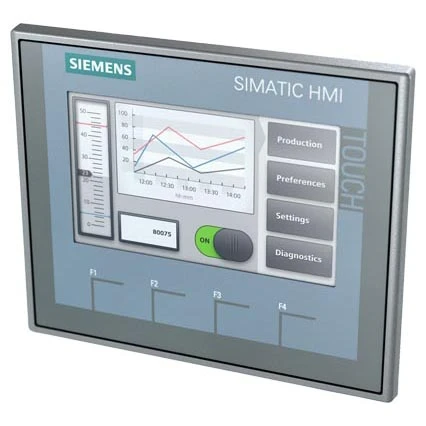
System Synergy: By combining logic and motion control into a single interface, the system reduces wiring complexity and streamlines the communication between the HMI (Human Machine Interface) and the hardware actuators.
Optimizing Performance with PLC Sinumerik Integration
To maximize the ROI of your equipment, the plc sinumerik provides advanced diagnostic tools and parametric programming. This allows operators to adjust machining parameters on the fly without rewriting the entire core logic. Furthermore, the support for high-speed bus systems ensures that data packets move between the controller and the drive systems with virtually zero latency. This is particularly critical for 5-axis milling where synchronization between axes is non-negotiable for surface quality.
Comparing PLC Sinumerik with Standard Industrial PLCs
While a standard industrial PLC is excellent for general automation (like conveyor belts or packaging), the plc sinumerik is specialized for motion control. The primary difference lies in the look-ahead capability and the ability to process complex G-code. In a standard PLC, movement is often point-to-point; however, in a Sinumerik system, movement is curved and continuous, which is essential for high-precision mold and die manufacturing.
Application Scenarios for PLC Sinumerik
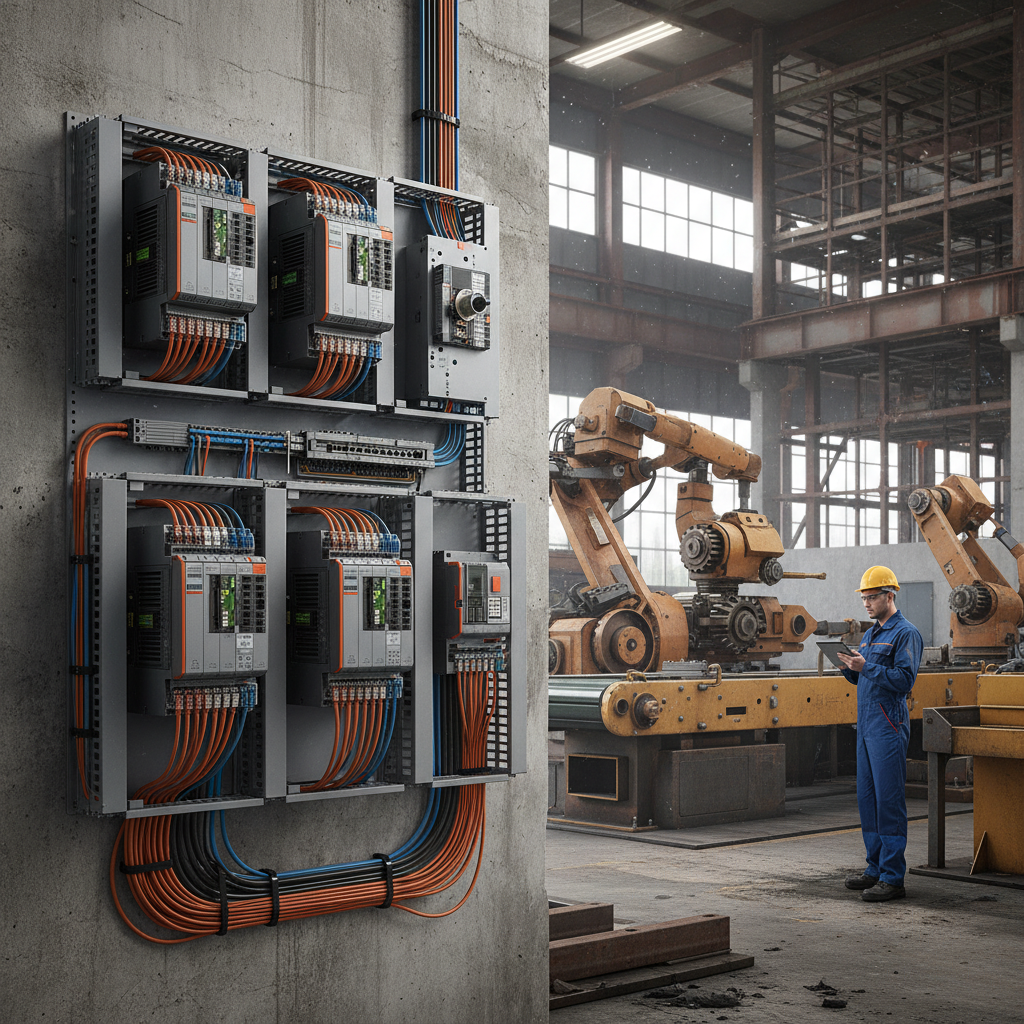
The versatility of the plc sinumerik makes it the preferred choice for industries where precision is non-negotiable. In the aerospace sector, it is used to mill complex turbine blades with tight tolerances. In the automotive industry, these systems power the robotic arms and CNC lathes that produce engine components with high repeatability. Additionally, the medical device industry relies on this technology for creating surgical implants that require absolute geometric accuracy.
Technical Specifications of PLC Sinumerik Modules
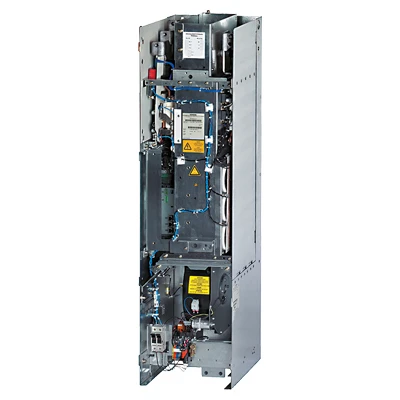
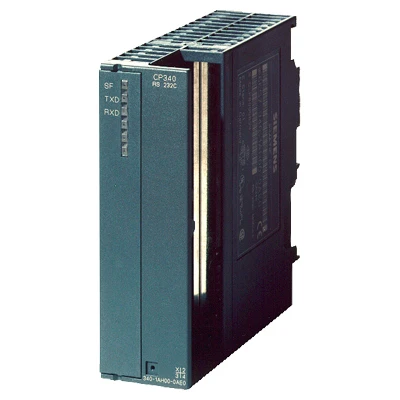
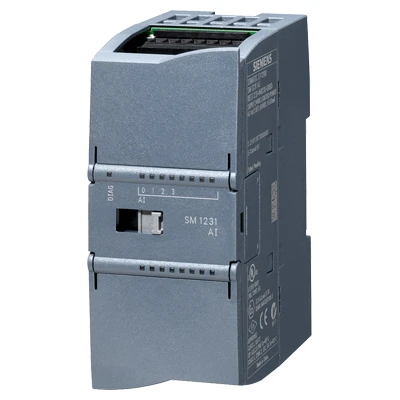
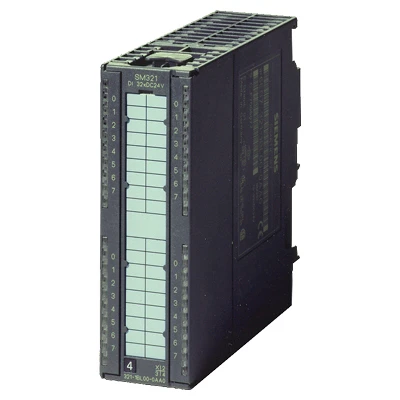
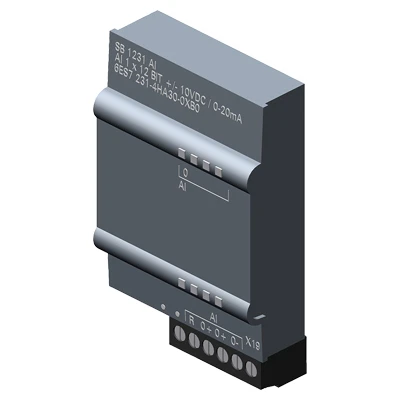
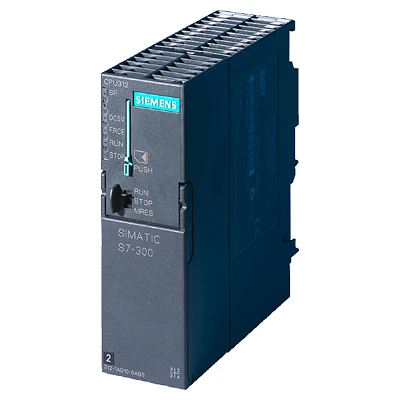
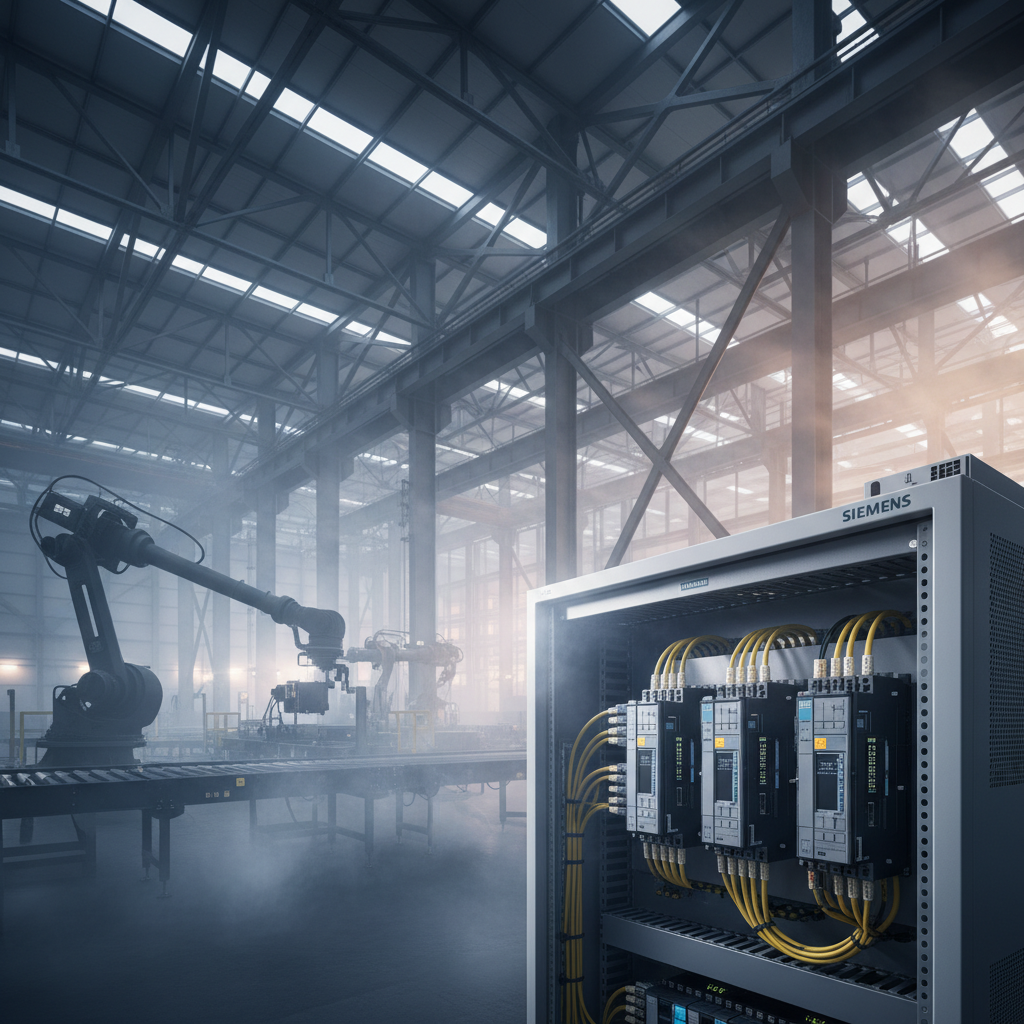
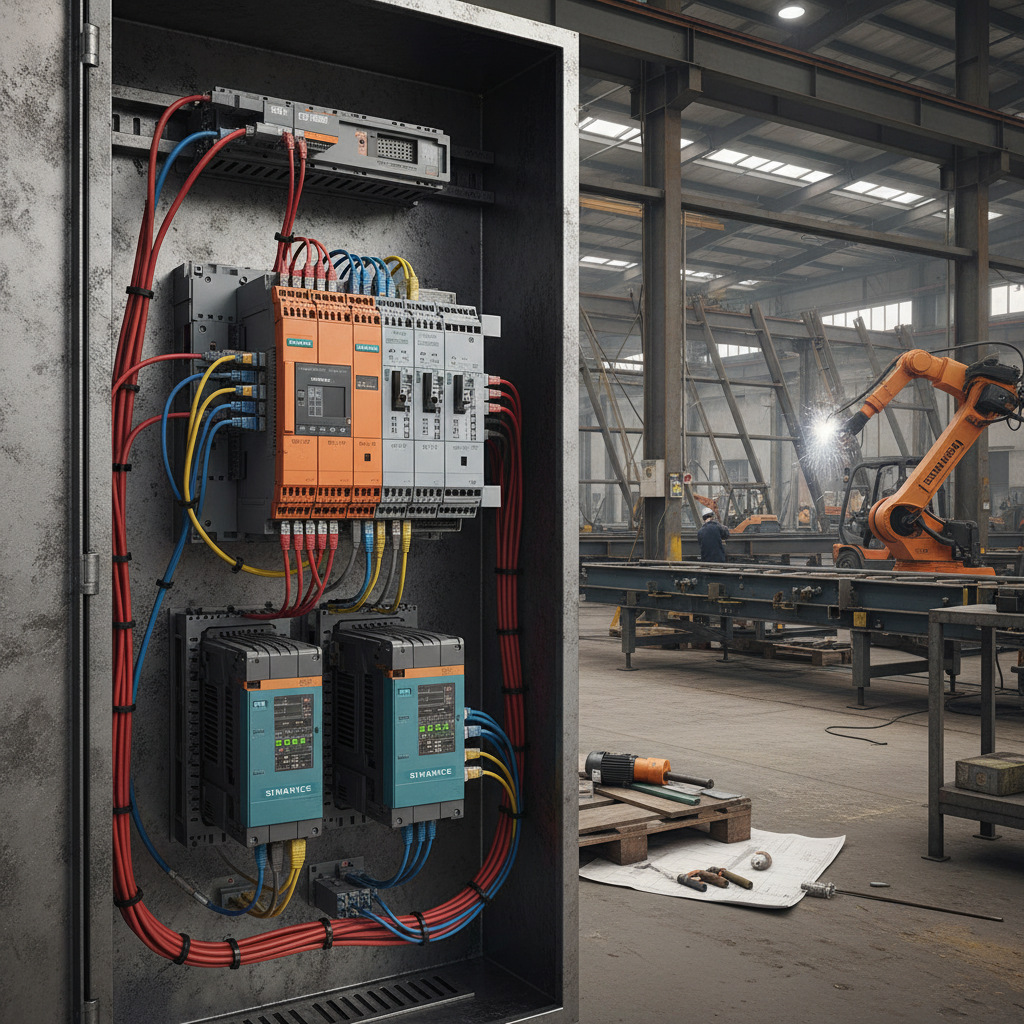
Selecting the right hardware module is critical for system stability. A typical plc sinumerik setup includes a central processing unit, various I/O modules for sensor integration, and high-resolution encoders for feedback. The hardware is designed to operate in harsh industrial environments, featuring high electromagnetic compatibility (EMC) to prevent signal interference from heavy machinery.
Maintenance and Troubleshooting for Long-term Stability
To ensure the longevity of your plc sinumerik, a proactive maintenance schedule is vital. Regular backups of the PLC program and CNC data are the first line of defense against hardware failure. Operators should monitor the system logs for early warnings of axis deviation or overheating. By implementing predictive maintenance, companies can schedule repairs during planned shutdowns, avoiding the catastrophic costs of unplanned production halts.
Conclusion: Future-Proofing Your Shop with PLC Sinumerik
The plc sinumerik is more than just a controller; it is the brain of the modern machine tool. Its ability to synthesize logic and motion allows for unprecedented levels of precision and flexibility. By investing in this technology and following rigorous maintenance protocols, manufacturers can significantly increase their efficiency and product quality. Embrace the power of integrated automation to lead your industry into the era of Industry 4.0.
Frequently Asked Questions (FAQs)
What is the main advantage of using PLC Sinumerik over a standard PLC?
The main advantage is the specialized integration of CNC motion control. While standard PLCs excel at logical sequencing (on/off tasks), PLC Sinumerik is designed for high-speed, multi-axis interpolation. It can process complex geometric paths (circular, helical, spline) with extreme precision, which is impossible for a standard PLC. This makes it essential for any application involving high-precision milling, turning, or grinding where surface finish and dimensional accuracy are critical.
How does PLC Sinumerik support Industry 4.0?
PLC Sinumerik supports Industry 4.0 through its advanced connectivity and data collection capabilities. It can integrate with cloud-based monitoring systems, allowing managers to track machine health, OEE (Overall Equipment Effectiveness), and production counts in real-time. Its compatibility with industrial IoT protocols enables "Digital Twin" simulations, where a part is virtually machined to check for collisions before the physical process begins, thereby reducing waste and increasing safety.
Can I upgrade my old CNC system to a newer PLC Sinumerik version?
Yes, retrofitting is a common practice. Upgrading to a newer version of PLC Sinumerik can breathe new life into old machinery by improving processing speeds, adding modern HMI features, and enabling better integration with current CAD/CAM software. However, this typically requires an audit of the existing electrical hardware, as newer controllers may require updated drive systems or encoders to fully utilize their advanced features. For professional guidance on retrofitting, visit Tianjin Yongkai.
What is the typical lifespan of a PLC Sinumerik controller?
With proper maintenance, a PLC Sinumerik controller can last 10 to 15 years. However, the "technological lifespan" is often shorter than the "physical lifespan." As software capabilities evolve and new machining requirements emerge, companies often upgrade their controllers every 7-10 years to maintain competitiveness. Key factors affecting lifespan include the quality of the electrical environment (surge protection) and the cleanliness of the control cabinet to prevent overheating.