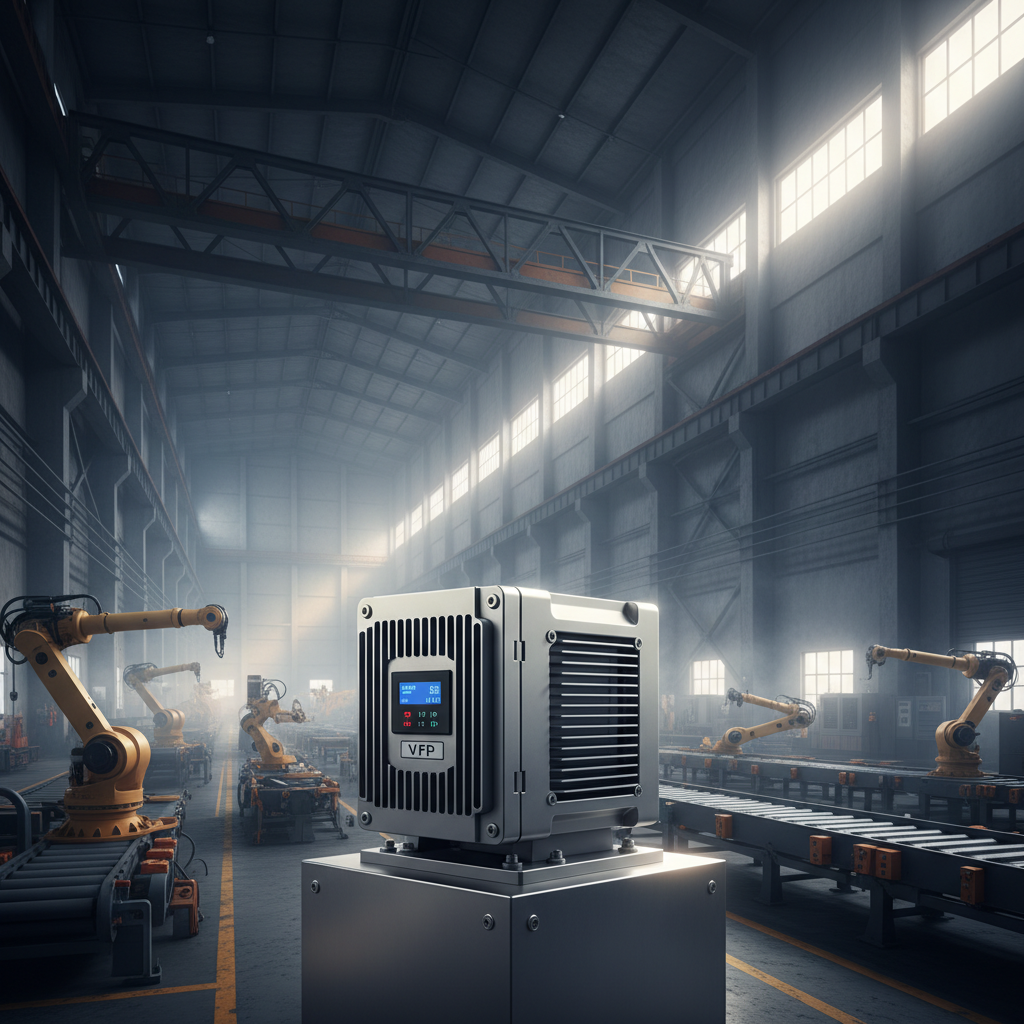
The realm of industrial automation is increasingly reliant on precise motor control, and at the heart of this control lies the Variable Frequency Drive (VFD). A 200 hp vfd represents a significant power capacity, catering to a wide range of heavy-duty applications. Understanding the nuances of these drives is crucial for optimizing industrial processes, reducing energy consumption, and enhancing overall system reliability. This knowledge is vital not only for engineers and technicians but also for business leaders seeking to improve operational efficiency and reduce costs.
Globally, the demand for efficient and reliable motor control solutions is surging, driven by the growth of manufacturing, infrastructure development, and the increasing adoption of automation technologies. According to recent reports, the VFD market is projected to experience substantial growth in the coming years, with a particular emphasis on high-horsepower applications like those served by a 200 hp vfd. This growth is particularly pronounced in emerging economies undergoing rapid industrialization.
The ability to precisely control motor speed and torque offered by a 200 hp vfd translates directly into enhanced productivity, reduced energy waste, and extended equipment lifespan. Addressing challenges like fluctuating power supplies, process variations, and the need for precise control makes the adoption of these drives a compelling economic and operational necessity.
Understanding the Core of 200 hp VFDs
A 200 hp vfd's foundational strength lies in its ability to precisely regulate the speed of an electric motor. This control isn’t simply about faster or slower operation; it's about optimizing performance for specific tasks, minimizing energy consumption, and extending the life of the motor and driven equipment. This translates into substantial cost savings and improved efficiency for industrial operations.
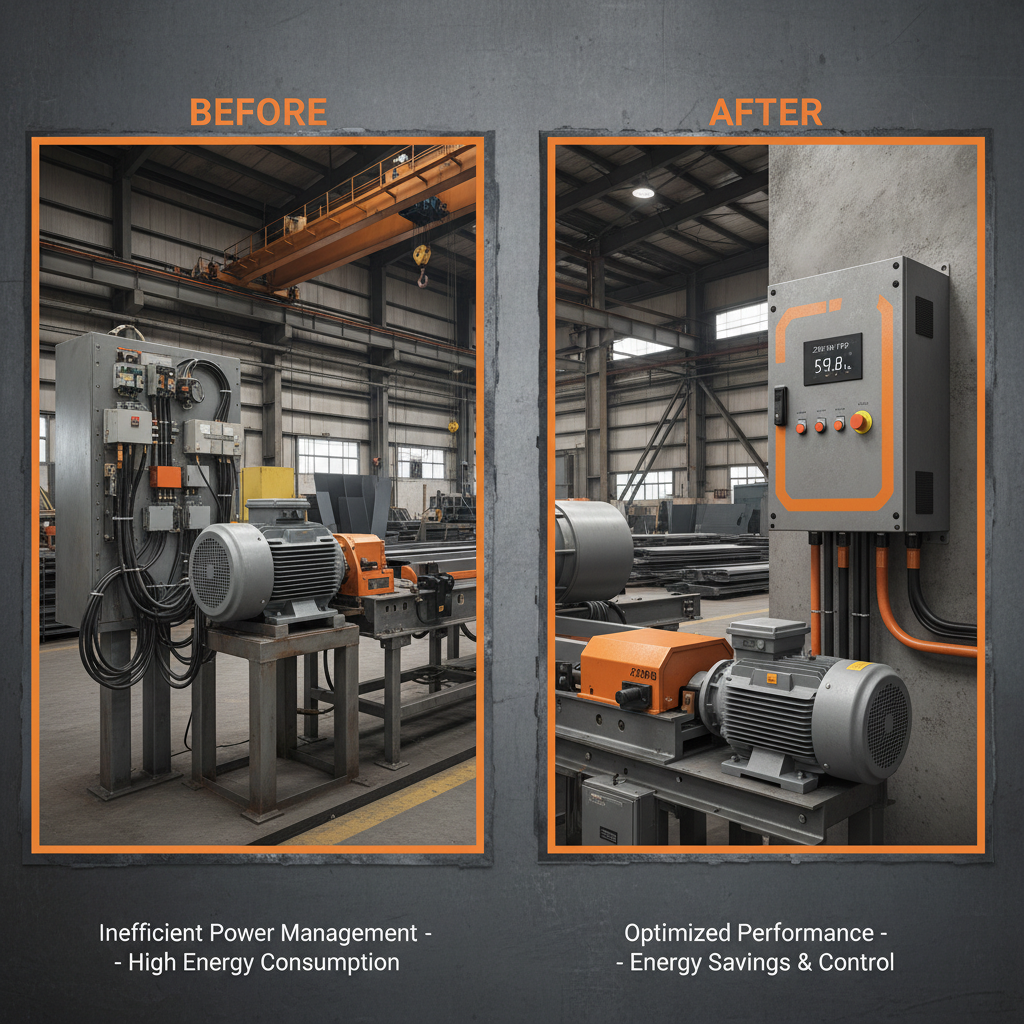
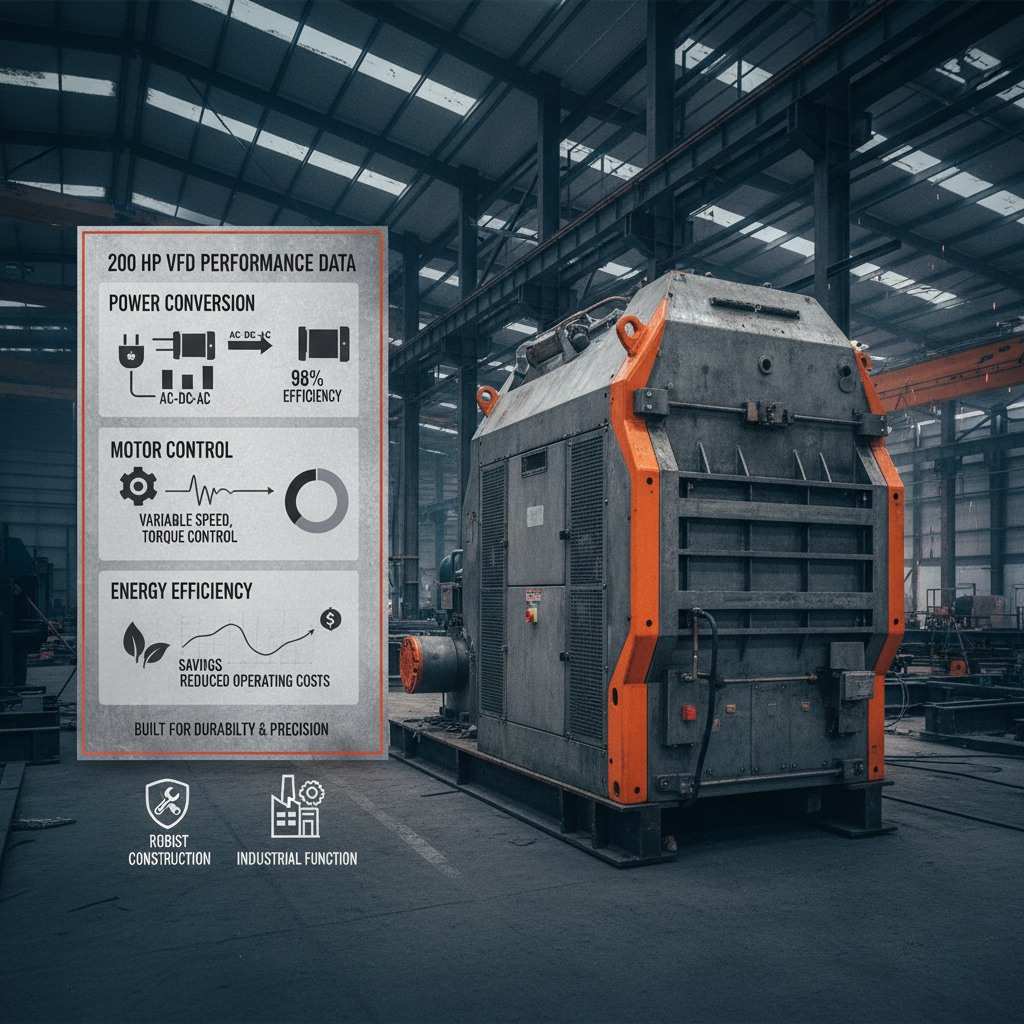
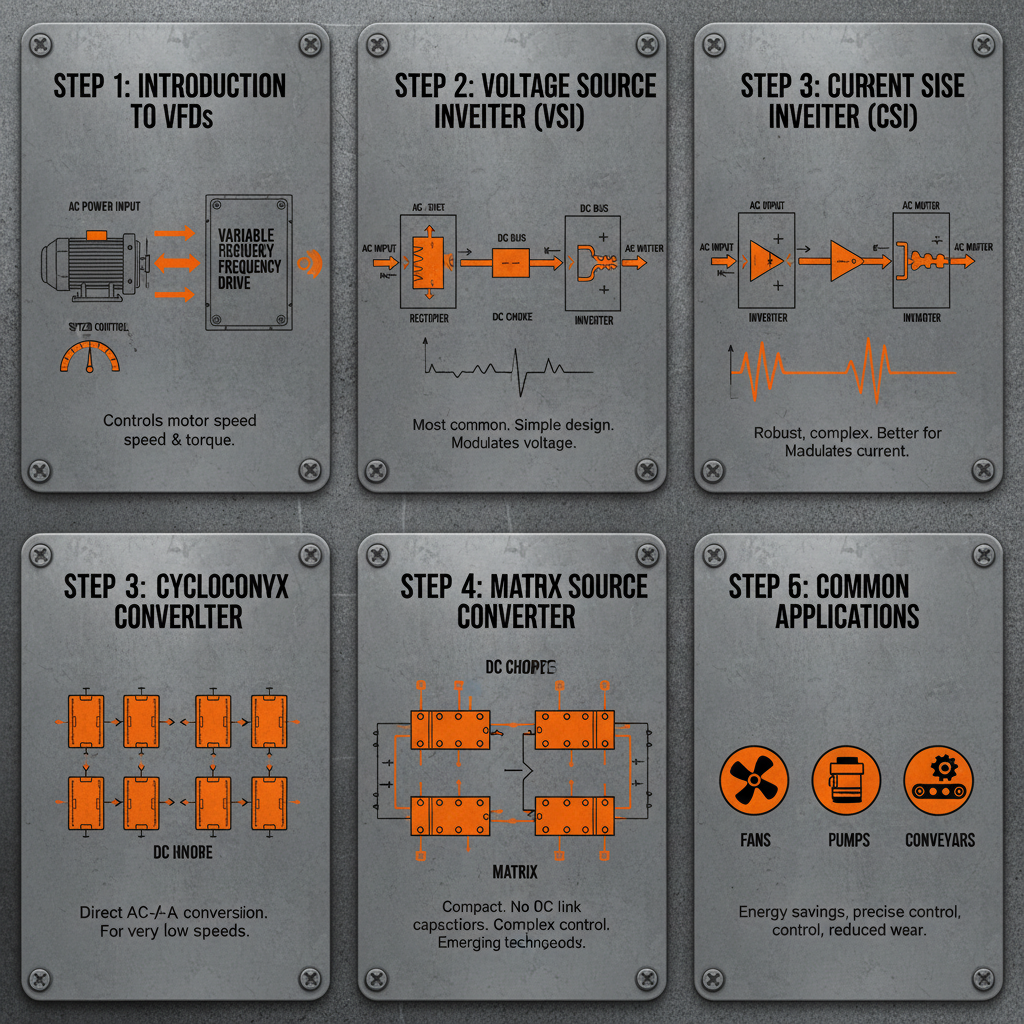
The core function of a 200 hp VFD is to convert incoming AC power into DC power, then recreate an AC signal with variable frequency and voltage. This allows for smooth, controlled acceleration and deceleration, preventing mechanical stress and improving process control. Implementing a 200 hp VFD can significantly enhance the operational dynamics of machinery and systems.
Defining a 200 hp VFD
A 200 hp VFD, or Variable Frequency Drive, is a type of power converter used in industrial settings to control the speed of an electric motor. The ‘hp’ refers to horsepower, indicating the motor’s power capacity. A 200 hp VFD is designed to handle motors requiring approximately 150 kilowatts of power, making it suitable for a wide range of applications, from pumps and fans to compressors and conveyors.
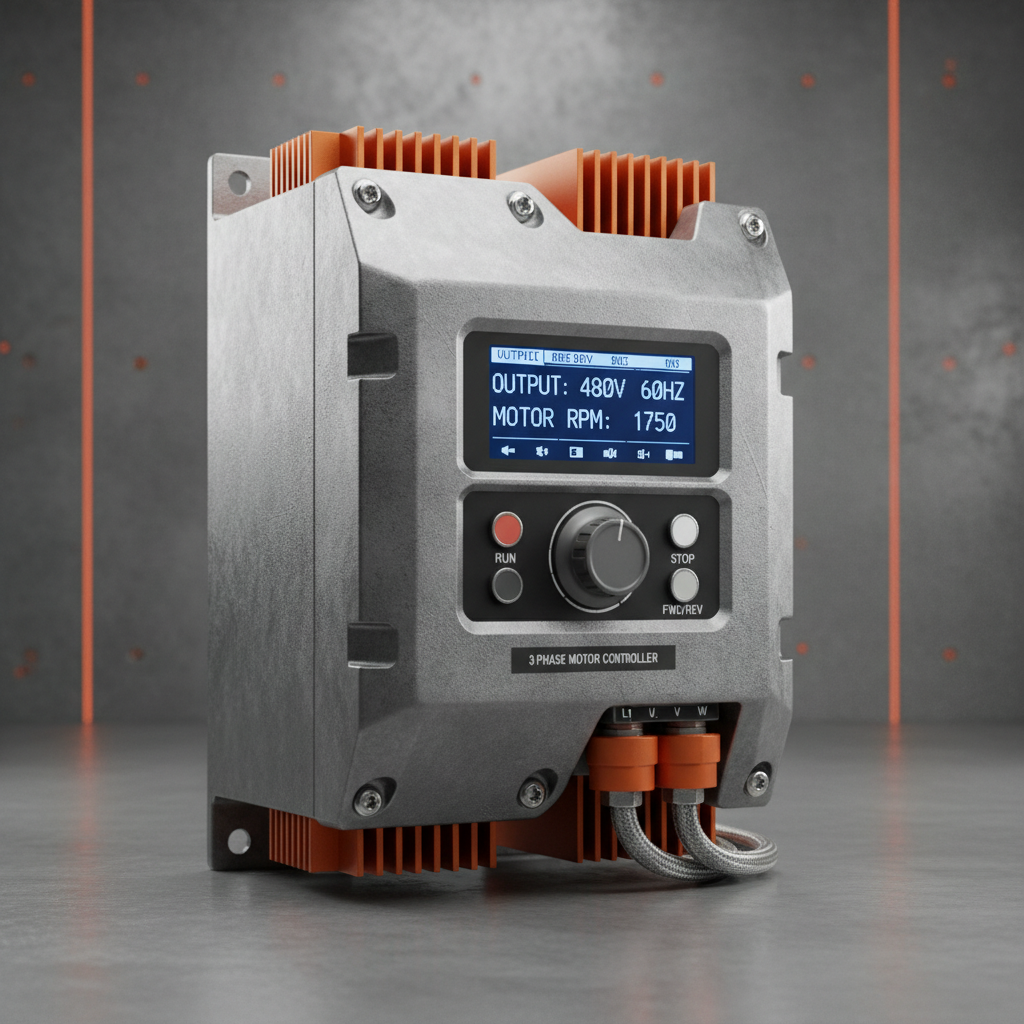
In essence, a 200 hp VFD is a sophisticated electronic device that allows for precise control over motor performance. This control goes beyond simply turning the motor on and off; it enables adjustments to speed, torque, and acceleration, tailoring the motor’s output to the specific needs of the application. It is a crucial component in modern industrial automation systems.
The connection to modern industry and humanitarian needs stems from the drive's ability to optimize resource utilization and enhance efficiency. In industrial contexts, this translates to reduced energy costs and increased productivity. In humanitarian settings, reliable motor control provided by a 200 hp vfd can be essential for water pumping, food processing, and other critical infrastructure.
Key Factors Influencing 200 hp VFD Performance
Durability: A 200 hp vfd must be built to withstand harsh industrial environments, including temperature fluctuations, dust, humidity, and electrical noise. High-quality components and robust enclosure designs are crucial for long-term reliability and minimal downtime.
Efficiency: The efficiency of a VFD directly impacts energy consumption and operational costs. Modern VFDs utilize advanced switching technologies and optimized control algorithms to minimize energy losses and maximize motor efficiency, significantly reducing the overall carbon footprint.
Control Accuracy: Precise control over motor speed and torque is paramount for many industrial applications. Sophisticated control algorithms and feedback mechanisms ensure accurate and responsive performance, allowing for optimized process control and improved product quality.
Communication Capabilities: Integration with other industrial automation systems is essential. VFDs equipped with industry-standard communication protocols, such as Modbus and Ethernet/IP, allow for seamless data exchange and remote monitoring and control.
Harmonic Mitigation: VFDs can generate harmonic distortions in the power supply, potentially affecting other equipment. Advanced VFDs incorporate harmonic filters or utilize pulse-width modulation (PWM) techniques to minimize harmonic emissions and ensure power quality.
Global Applications of 200 hp VFDs
200 hp vfds are integral to numerous industrial sectors worldwide. In manufacturing, they control conveyor systems, pumps, and compressors, optimizing production processes and reducing waste. Water and wastewater treatment plants rely on them for precise pump control, ensuring efficient water management.
The mining industry utilizes these drives for controlling large-scale pumps and fans, essential for mineral processing and ventilation. In the oil and gas sector, 200 hp VFDs regulate compressors and pumps in pipelines and refineries, enhancing operational safety and efficiency.
From remote industrial zones in Australia managing vast mining operations to sprawling manufacturing facilities in China and Germany, 200 hp VFDs are playing a pivotal role in driving efficiency and sustainability. Even in post-disaster relief operations, portable VFDs can power essential equipment, aiding in recovery efforts.
200 hp VFD Application Distribution
Advantages and Long-Term Value of 200 hp VFDs
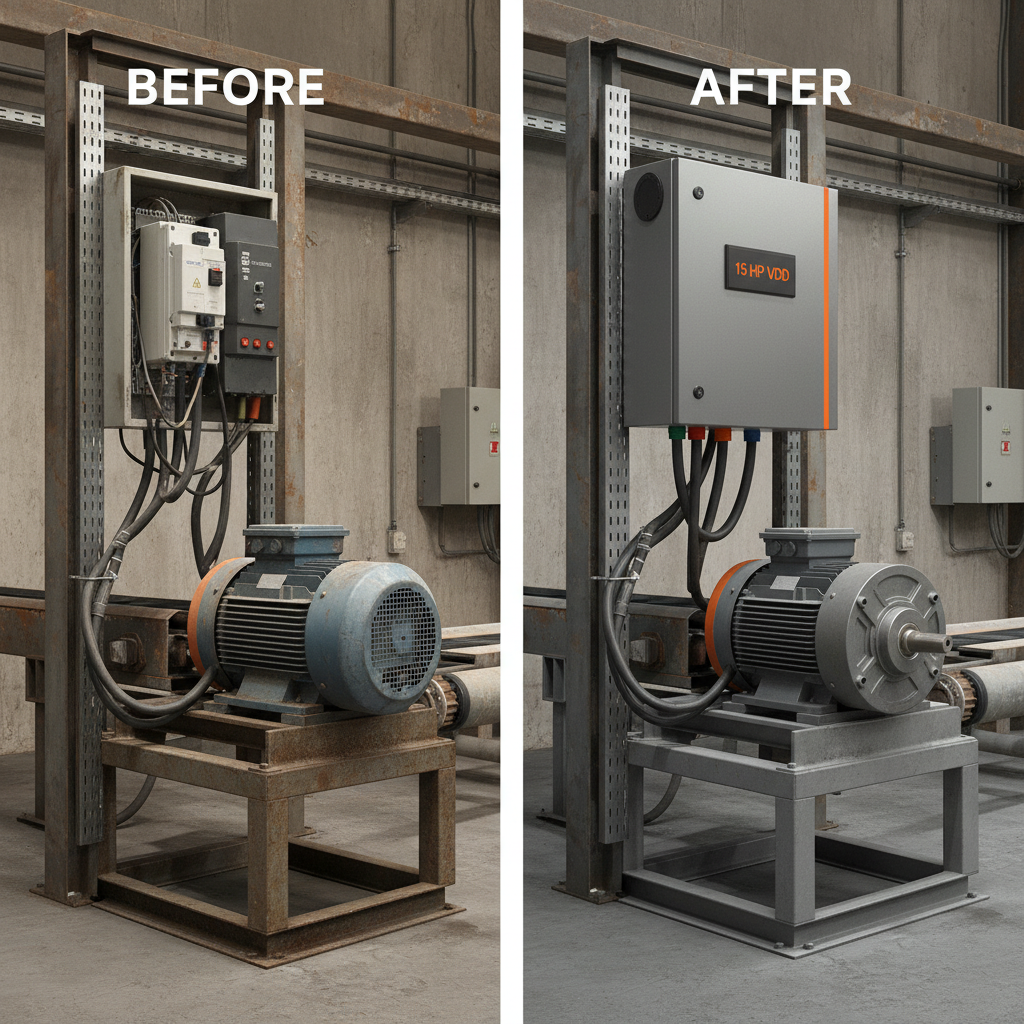
The tangible benefits of implementing a 200 hp vfd are substantial. Reduced energy consumption translates directly into lower operating costs, often yielding a return on investment within a relatively short timeframe. Moreover, the precise motor control minimizes mechanical stress, extending the lifespan of the motor and associated equipment, leading to reduced maintenance costs.
Beyond the financial advantages, 200 hp vfds contribute to greater process stability and product quality. The ability to precisely control motor speed and torque ensures consistent performance and minimizes process variations. Furthermore, improved energy efficiency reduces carbon emissions, demonstrating a commitment to environmental sustainability.
Future Trends in 200 hp VFD Technology
The future of 200 hp vfd technology is intertwined with the broader trends of digital transformation and sustainable energy. We're seeing a growing emphasis on intelligent VFDs that incorporate predictive maintenance capabilities, utilizing data analytics to identify potential issues before they lead to downtime.
Another key trend is the integration of VFDs with Industrial Internet of Things (IIoT) platforms, enabling remote monitoring, control, and optimization of motor-driven systems. This connectivity will facilitate more proactive and data-driven decision-making, further enhancing operational efficiency and reducing costs.
Advancements in silicon carbide (SiC) and gallium nitride (GaN) power semiconductors are also driving improvements in VFD efficiency and power density. These new materials allow for smaller, more efficient VFDs with improved performance characteristics.
Challenges and Solutions in 200 hp VFD Implementation
Despite the numerous benefits, implementing a 200 hp vfd can present certain challenges. Harmonic distortion, as mentioned earlier, remains a concern, and requires careful mitigation strategies, such as the use of harmonic filters or active harmonic mitigation technologies.
Another challenge is ensuring proper system integration and compatibility with existing infrastructure. Careful planning and coordination with experienced engineers are crucial to avoid compatibility issues and ensure seamless operation. Proper grounding and shielding are also essential to minimize electrical noise and ensure reliable performance.
Furthermore, the initial investment cost can be a barrier for some organizations. However, a thorough life-cycle cost analysis that considers energy savings, reduced maintenance costs, and increased productivity often demonstrates a compelling return on investment, justifying the upfront expenditure.
Summary of 200 hp VFD Implementation Challenges & Solutions
| Challenge |
Impact on 200 hp VFD Performance |
Solution |
Implementation Cost (1-10) |
| Harmonic Distortion |
Reduced Power Quality, Equipment Malfunction |
Harmonic Filters, Active Harmonic Mitigation |
6 |
| System Integration Issues |
Communication Failures, Performance Degradation |
Careful Planning, Expert Consultation |
5 |
| High Initial Cost |
Delayed Adoption, Budget Constraints |
Life-Cycle Cost Analysis, Phased Implementation |
4 |
| Environmental Factors |
Reduced Reliability, Premature Failure |
Robust Enclosures, Proper Ventilation |
3 |
| Lack of Skilled Personnel |
Improper Installation, Maintenance Issues |
Training Programs, Outsourced Expertise |
7 |
| Power Supply Fluctuations |
Drive Instability, Performance Inconsistencies |
Voltage Stabilization Equipment, UPS Systems |
5 |
FAQS
With regular maintenance, including cleaning, inspection, and timely replacement of components, a well-built 200 hp VFD can reliably operate for 10-20 years. Factors like operating environment, load conditions, and quality of the drive itself contribute to its lifespan. Proactive maintenance minimizes the risk of unexpected failures and maximizes the return on investment.
Traditional motor starters simply apply full voltage to the motor, regardless of the load. A 200 hp VFD, however, adjusts the voltage and frequency to match the motor's actual needs, significantly reducing energy waste. Studies show that VFDs can reduce energy consumption by up to 60% in variable torque applications like pumps and fans.
Installation and commissioning should be performed by qualified personnel. Always disconnect power before working on the VFD. Ensure proper grounding and shielding to minimize electrical noise and prevent shock hazards. Follow the manufacturer's guidelines for wiring, programming, and testing. Implement appropriate safety interlocks and protective devices.
While a single 200 hp VFD is generally designed to control one motor, it’s possible to use multiple VFDs in a coordinated system to manage several motors. Alternatively, some advanced VFDs support multi-motor control functionalities, but this depends on the specific model and application requirements. Careful system design and synchronization are essential.
Common troubleshooting steps include checking the power supply, verifying wiring connections, inspecting the motor for faults, and reviewing the VFD's error logs. Check for tripped circuit breakers or blown fuses. Use a multimeter to test voltage and current levels. Consult the VFD's manual for specific troubleshooting procedures and error code explanations.
Selecting the right VFD requires careful consideration of several factors, including the motor's horsepower, voltage, current, and application type. Assess the load characteristics (constant torque, variable torque, etc.). Consider the environmental conditions and any specific requirements for communication or control. Consult with a VFD specialist to ensure proper sizing and compatibility.
Conclusion
In conclusion, a 200 hp vfd represents a powerful and versatile solution for optimizing motor control in a wide range of industrial applications. Its ability to enhance efficiency, reduce costs, and improve process control makes it an indispensable component of modern automation systems. Understanding the core principles of VFD technology and its evolving trends is essential for businesses seeking to stay competitive and sustainable.
Looking ahead, the integration of VFDs with IIoT platforms, advancements in power semiconductor technology, and the growing emphasis on energy efficiency will continue to drive innovation in this field. Investing in a reliable 200 hp vfd is not simply a capital expenditure, but a strategic investment in long-term operational excellence and environmental responsibility. Visit our website at www.tianjinyongkai.com to learn more.