What is a VFD? Explained by an Industrial Equipment Expert
What is a VFD and Why Does It Matter in Industry?
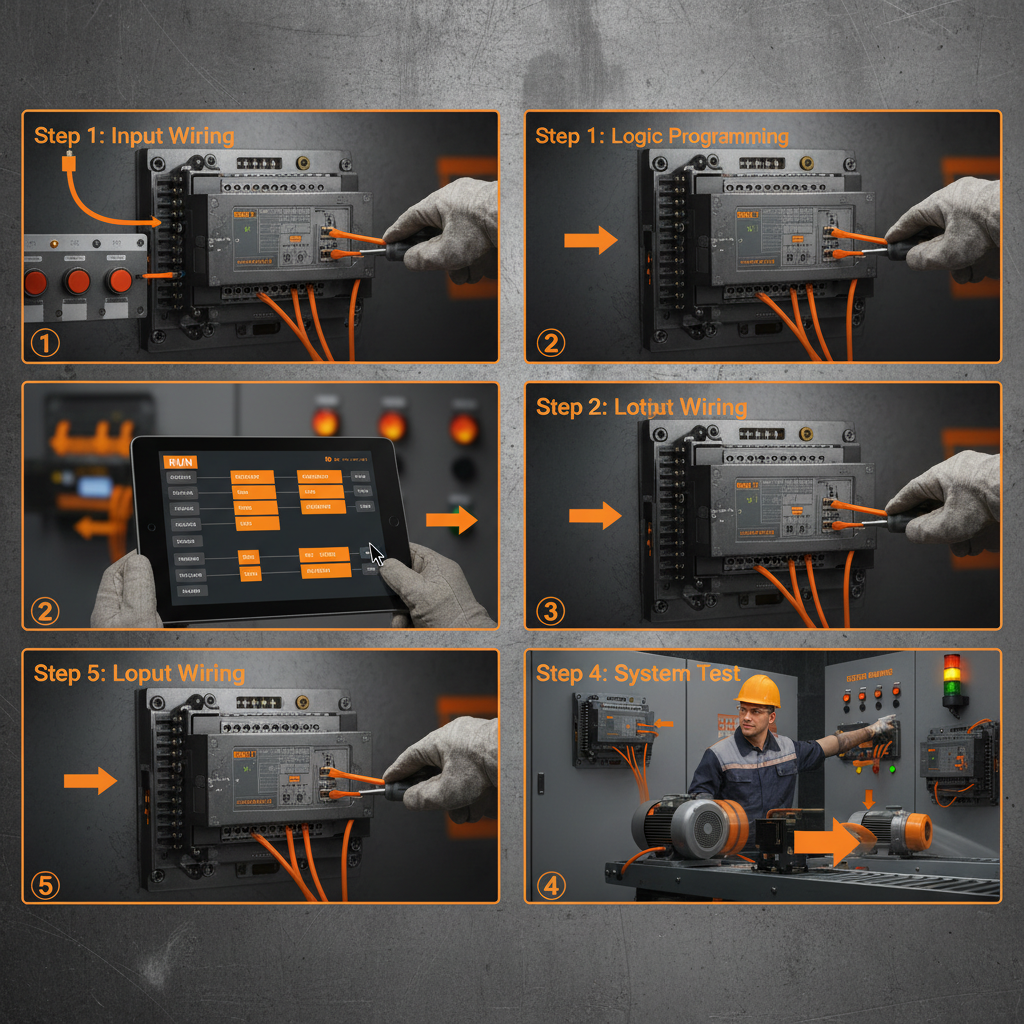
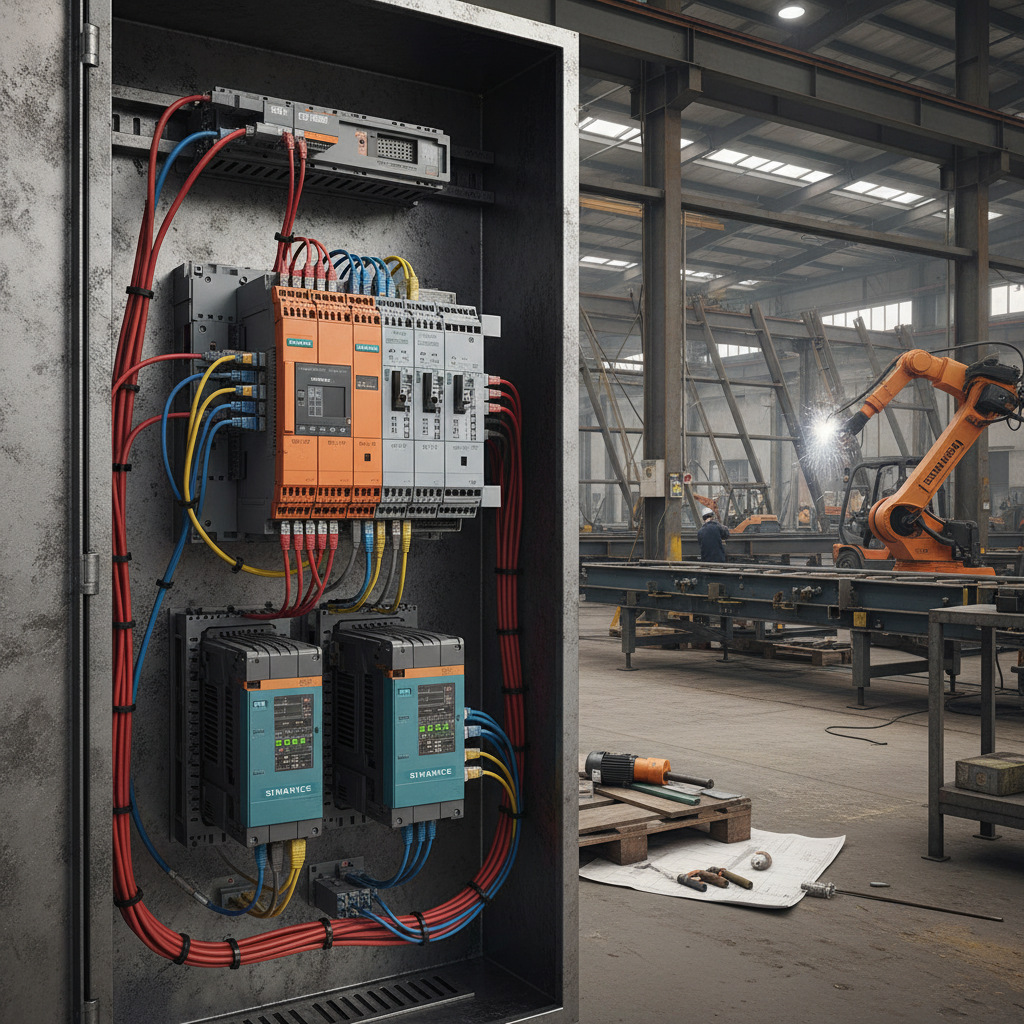
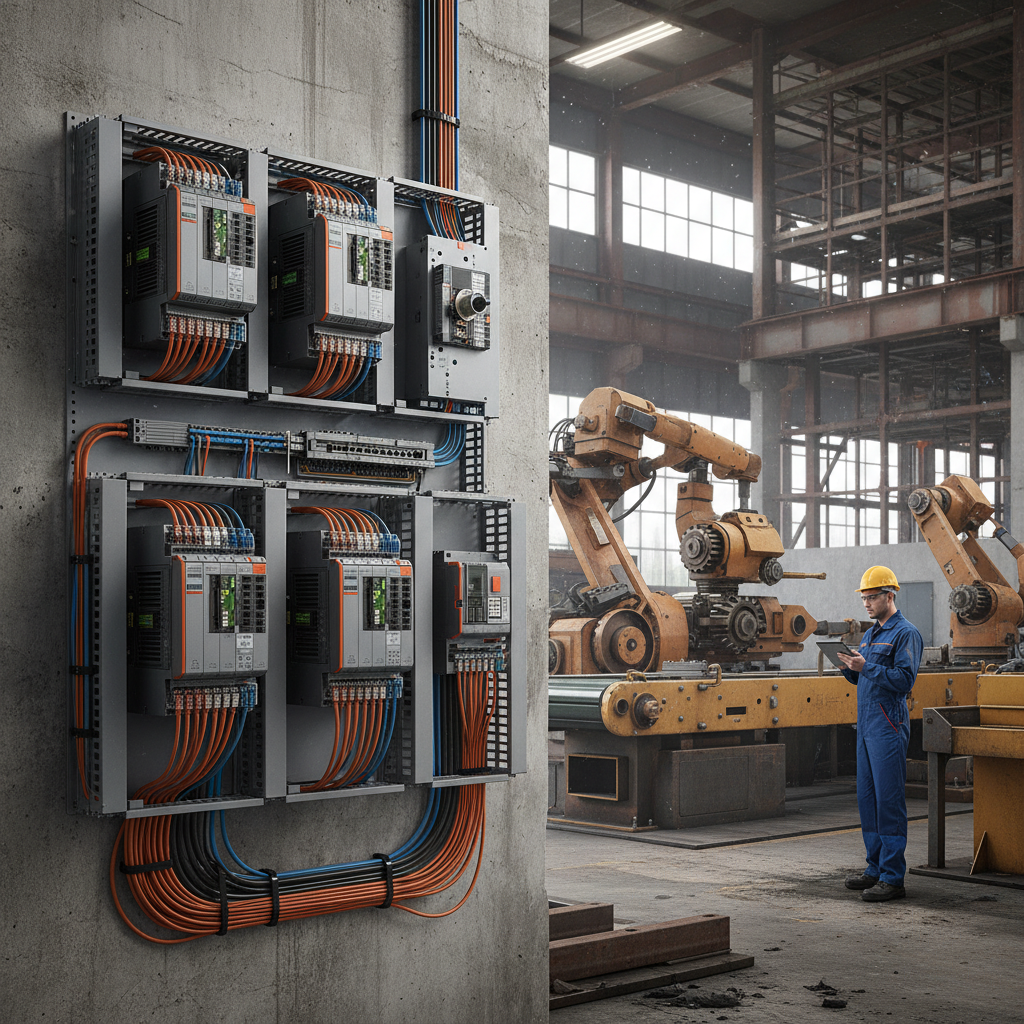
Having worked in the industrial equipment sector for quite a few years now, I find that Variable Frequency Drives (or VFDs, as we usually say) are often misunderstood outside professional circles. Yet, when you step on the factory floor or into a power plant, these little control boxes become the unsung heroes. They regulate the speed and torque of electric motors by varying the frequency and voltage supplied, enabling precise control without the waste of power. Frankly, it’s fascinating how a device the size of a shoebox can save you thousands on energy bills and maintenance over time.
Many engineers I spoke with agree: VFDs are amongst the best upgrades for increasing efficiency, especially with motors running pumps, fans, or conveyors. I remember a client who was struggling with erratic motor speeds leading to inconsistent product quality. After installing a VFD, not only did production stabilize, but they also noticed reduced mechanical wear – a double win.
In real terms, a VFD converts fixed voltage and frequency current into adjustable voltage and variable frequency current, allowing the motor speed to match process requirements instead of running full throttle all the time. This flexibility leads to less energy consumption, lower mechanical stress, and ultimately, longer lifespan for your equipment. The technology isn't exactly new, but the advances in semiconductor technology and digital controls have made VFDs more reliable, smaller, and easier to integrate than ever.
Basic Product Specifications of a Typical VFD
| Specification | Typical Value / Range |
|---|---|
| Input Voltage | 200-480 VAC (3-phase) |
| Output Frequency | 0 – 400 Hz |
| Power Range | 0.5 HP to 500 HP |
| Control Modes | V/F control, Sensorless vector control, Closed loop vector |
| Communication Protocols | Modbus, CANopen, Ethernet/IP |
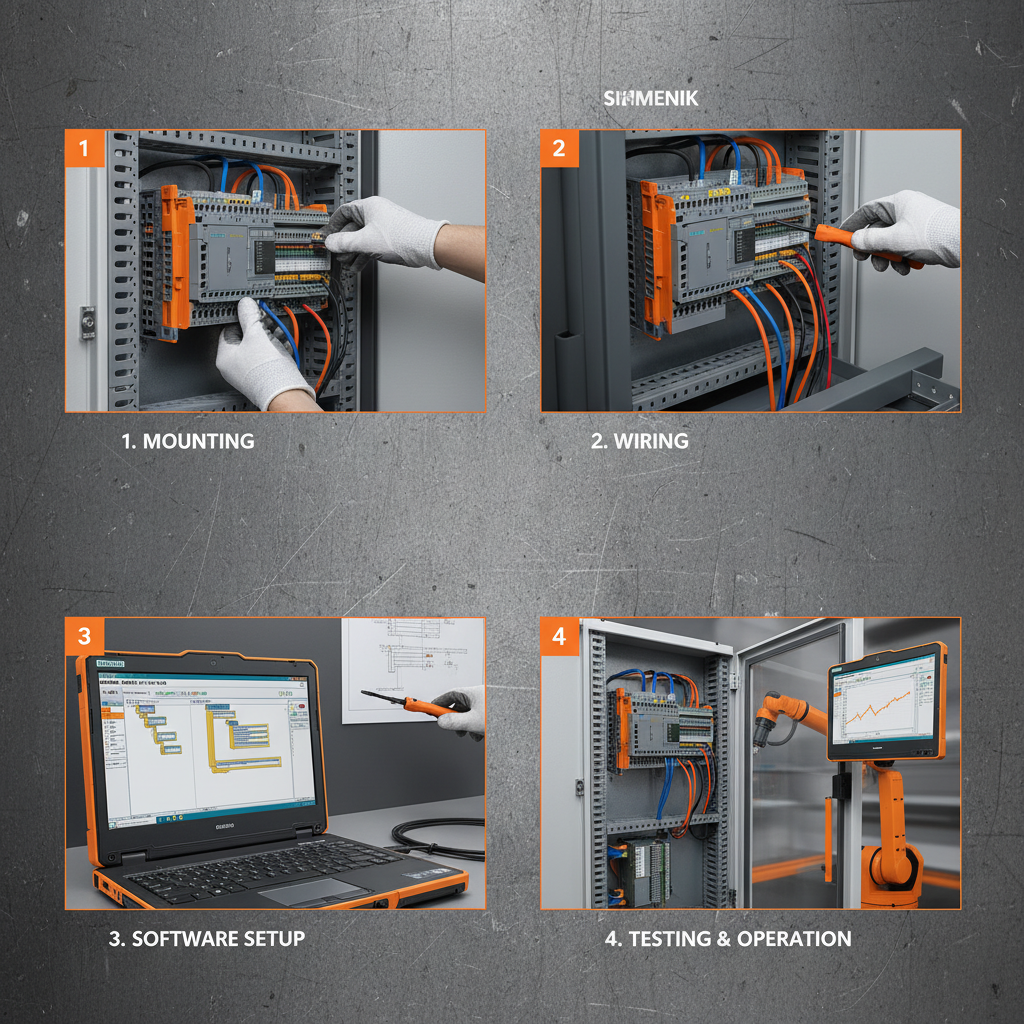
Oddly enough, despite their complexity, modern VFDs boast intuitive interfaces that few years back would have required an entire control engineer’s attention to operate. Many have LCD touchscreens now, making setup and tuning easier to do on-site without dialing into complicated manuals (though you should still keep one handy, you know, just in case).
How Do VFD Vendors Stack Up?
When evaluating VFD vendors, you quickly notice differences in after-sales support, product robustness, and customization options. For example, Tianjin Yongkai is well-known in the Asian market for reliable mid-range VFDs that support a surprising variety of industrial protocols – a great fit for factories upgrading legacy equipment with modern automation. On the other hand, global brands often come with extensive testing certifications and broader worldwide support but at a premium price.
| Vendor | Power Range | Communication | Key Strength | Approx. Price Level |
|---|---|---|---|---|
| Tianjin Yongkai | 0.5 HP – 200 HP | Modbus, CANopen | Good value & local support | Mid-range |
| Siemens | 0.37 HP – 1000 HP | PROFINET, Ethernet/IP | High-end features & certifications | Premium |
| Yaskawa | 0.25 HP – 500 HP | Modbus, Ethernet/IP | Proven reliability & easy integration | Mid to High |
Customization can also be a differentiator. Some clients need tailored firmware functions or specific enclosure types for harsh environments. I recall one plant near a coastal area where salt spray and humidity were serious concerns – they insisted on specially coated drives to prevent corrosion. It’s these details that often distinguish basic models from truly industrial-grade VFDs.
To sum up, understanding what a VFD does is to grasp the heart of industrial motor control. They offer flexibility, energy savings, and prolong equipment life — all crucial in today’s competitive manufacturing environment. If you’re considering upgrading, I’d say look closely at specs, vendor support, and real-world feedback before committing. And hey, don’t forget the little stories from the field – they often tell you what data sheets don’t.
References:
- “Understanding Variable Frequency Drives,” IEEE Industry Applications Magazine, 2021.
- Product literature from Tianjin Yongkai.
- Industry feedback forums and engineering discussions, 2023.