Affordable VFD for Sale | Quality Variable Frequency Drives
Industry Trends: The Evolving Landscape of Industrial Automation
The global industrial automation market continues its robust expansion, driven by increasing demands for energy efficiency, precision control, and enhanced operational reliability. At the heart of this transformation are Variable Frequency Drives (VFDs), which are indispensable for optimizing motor-driven systems across diverse industries. The market for VFDs is projected to grow significantly, with analysts predicting a CAGR of over 6% through 2028, largely fueled by regulatory pressures for energy conservation and the advent of advanced motor control technologies.
Modern VFDs are no longer just about speed control; they embody sophisticated features like regenerative braking, multi-axis synchronization, and robust communication protocols. This evolution makes finding the right vfd for sale a critical strategic decision for B2B enterprises aiming for peak operational performance and sustainable practices. The shift towards Industry 4.0 and smart manufacturing further elevates the importance of integrated drive solutions that offer seamless connectivity and data analytics capabilities.
Companies are increasingly prioritizing solutions that offer not only superior performance but also ease of integration and comprehensive support. This is particularly true for complex systems that require precise control over multiple axes, such as those found in the printing, packaging, and material handling sectors. The demand for high-performance vfd for sale solutions, especially those designed for demanding industrial environments, continues to accelerate.
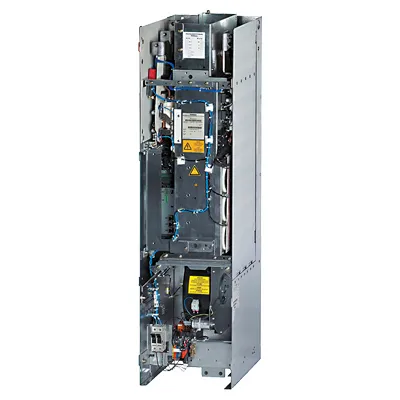
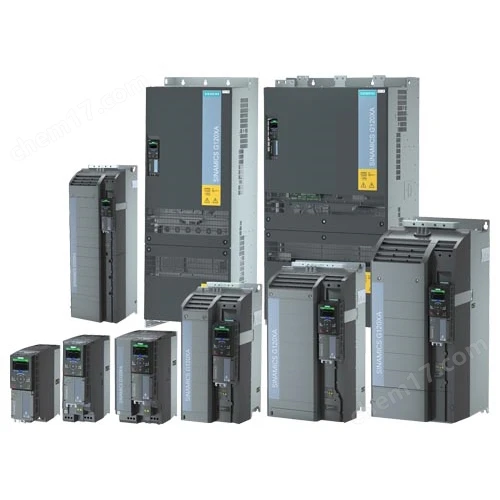
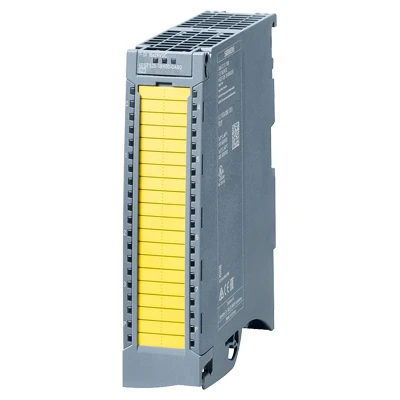
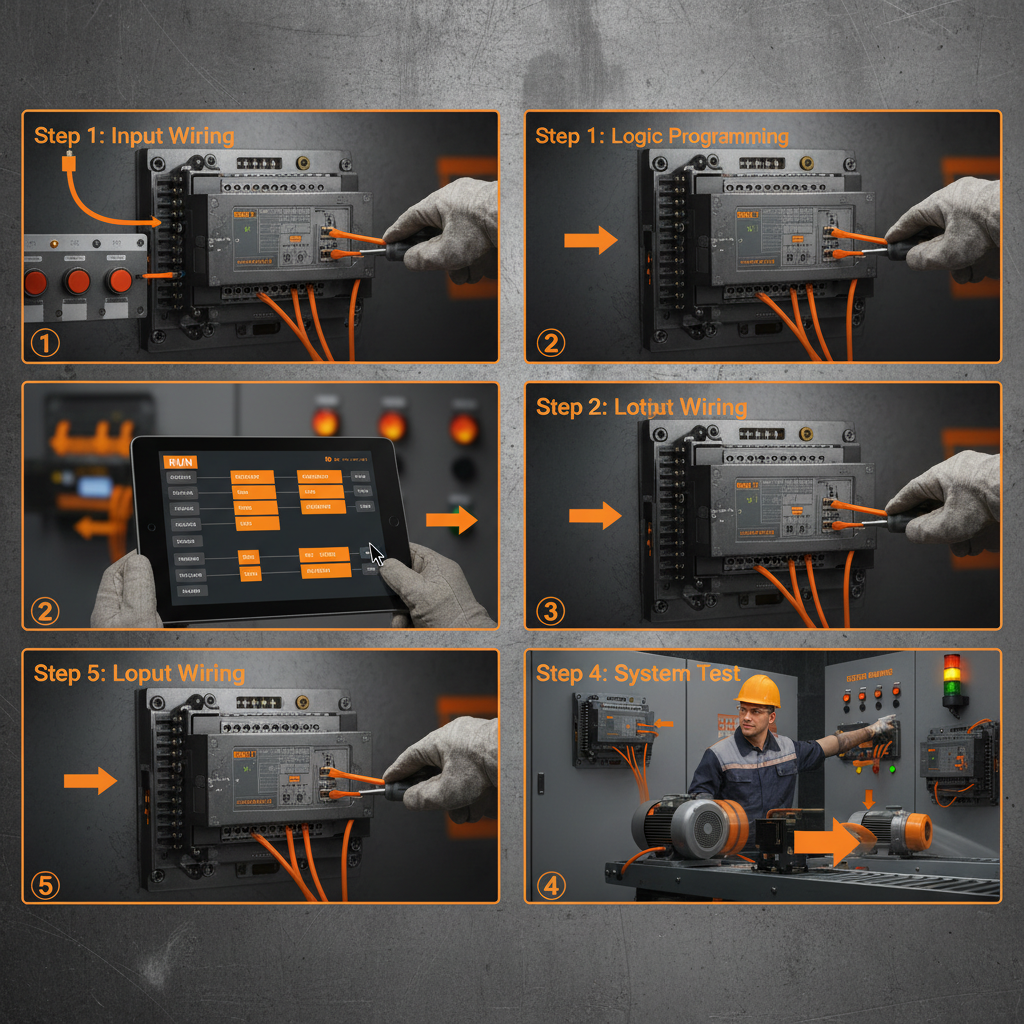
Fig 1: Advanced Inverter Module, a key component of modern VFD systems.
Technical Specifications: Siemens S120 Rectifier + Inverter
The Siemens S120 Rectifier + Inverter represents the pinnacle of drive technology, engineered for high-performance multi-axis applications. This modular drive system is renowned for its scalability, flexibility, and exceptional dynamic response. It provides precise control for complex motion tasks, making it a premier vfd for sale option for industries requiring uncompromising accuracy and reliability.
The S120's architecture allows for both centralized and distributed control solutions, supporting various communication interfaces like PROFIBUS and PROFINET. Its integrated safety functions (e.g., Safe Torque Off - STO, Safe Stop 1 - SS1) comply with international standards such as IEC 61508, ensuring safe and secure operation in critical environments. The drive supports a wide range of motor types, including asynchronous, synchronous, and linear motors, providing unparalleled versatility.
Key Product Specifications: S120 Rectifier + Inverter
| Parameter | Specification |
|---|---|
| Product Series | Siemens SINAMICS S120 |
| Architecture | Modular Drive System (Booksize, Chassis, Cabinet modules) |
| Voltage Range | 3-phase AC 380-480V, 50/60Hz (Input) |
| Power Range | From 0.12 kW up to several MW (dependent on configuration) |
| Control Mode | Vector Control (open-loop/closed-loop), Servo Control, V/f Control |
| Communication Interfaces | PROFINET, PROFIBUS DP, Ethernet/IP, EtherCAT, DRIVE-CLiQ |
| Safety Functions | Integrated Safety (STO, SS1, SBC, SLS, SOS, SLP, SDI) in accordance with IEC 61508, SIL 2/3 |
| Dynamic Response | Extremely fast control loops, high position and speed accuracy |
| Operating Temperature | 0°C to +50°C (depending on module) |
| Certification | CE, UL, cUL, RCM, KC |
Application Scenarios Across Key Industries
The versatility and robust performance of modern VFDs, particularly advanced systems like the S120, make them ideal for a multitude of demanding industrial applications. Their ability to deliver precise speed, torque, and position control is crucial in sectors where efficiency and accuracy are paramount.
- Petrochemical Industry: For pumps, compressors, and extruders, VFDs provide precise flow and pressure control, leading to significant energy savings and reduced wear on mechanical components. In hazardous environments, specialized VFDs with appropriate certifications ensure safe and reliable operation. They enhance process control by maintaining exact operating parameters, crucial for product quality and safety.
- Metallurgy and Heavy Industry: In rolling mills, winders, and heavy-duty cranes, VFDs offer high starting torque, dynamic speed regulation, and regenerative braking capabilities. This ensures smooth material handling, prevents mechanical shock, and recuperates energy during deceleration, greatly improving overall system efficiency and reducing maintenance.
- Water Supply & Drainage Systems: Pumps in water treatment plants and distribution networks benefit immensely from VFDs. They enable variable flow control, matching pump output to actual demand, which drastically cuts energy consumption (often by 30-50%). This also reduces water hammer, extending pipe and pump lifespan, and minimizing operational costs.
- Machine Tools & Robotics: For high-precision CNC machines, robotic arms, and assembly lines, VFDs provide the exact positioning and speed control required for intricate tasks. Features like multi-axis synchronization and fast response times are critical for accuracy and throughput in automated manufacturing processes.
- Packaging & Printing: In high-speed packaging machines, web presses, and converting equipment, VFDs ensure consistent tension control, precise registration, and rapid acceleration/deceleration. This minimizes material waste, enhances print quality, and maximizes production speeds.
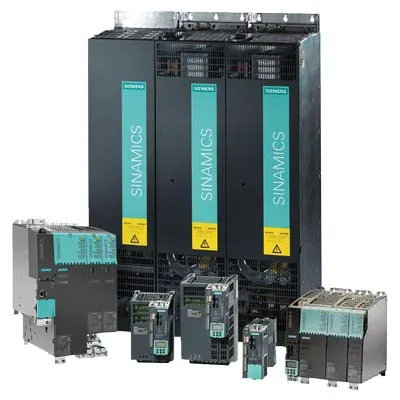
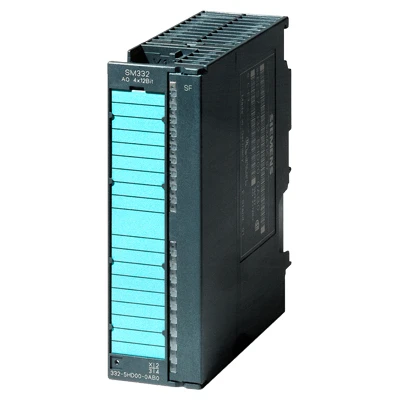
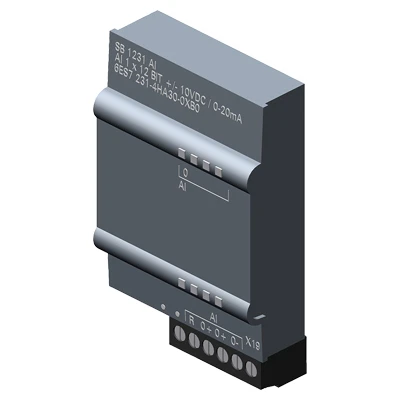
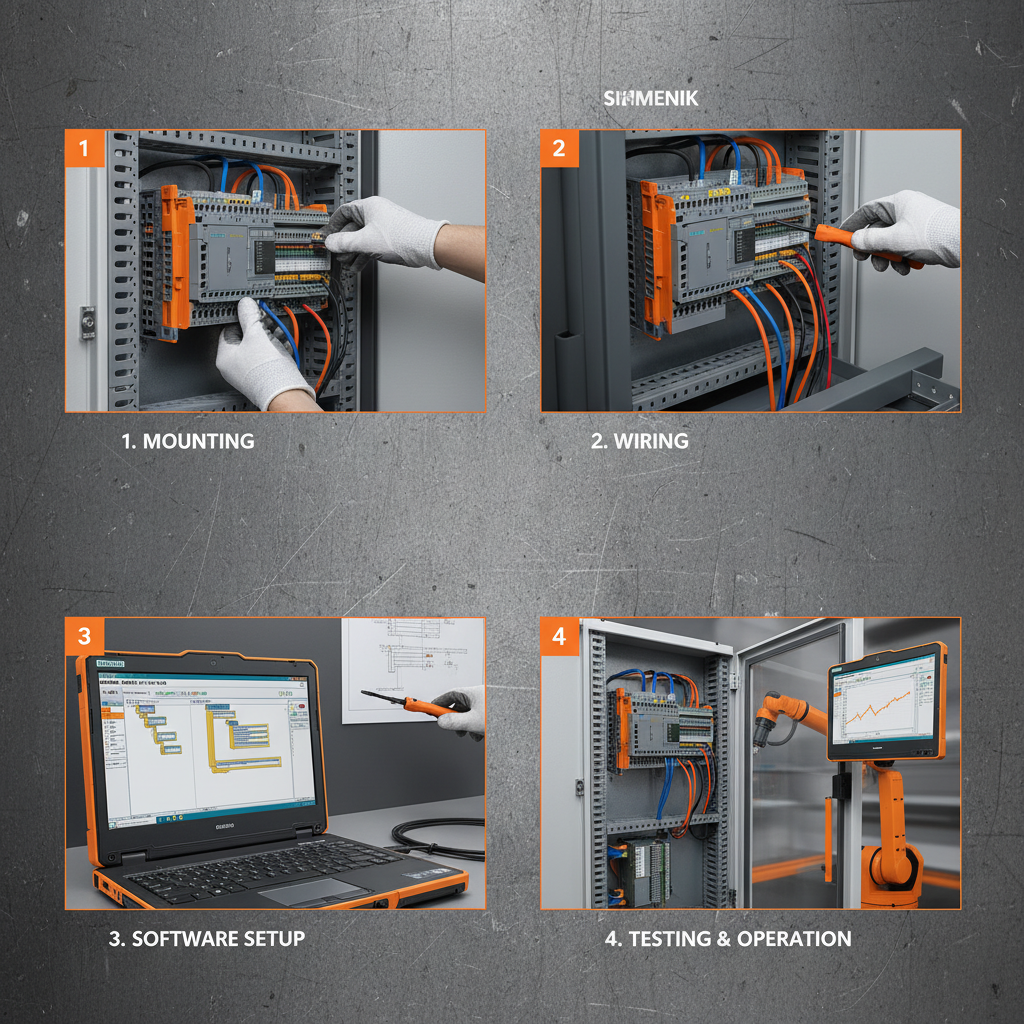
Fig 2: Rectifier Module, an integral part of high-performance VFD solutions.
Technical Advantages of Advanced VFD Systems
Investing in high-quality variable frequency drives for sale offers a myriad of technical and operational advantages that directly translate into significant ROI for industrial enterprises.
- Superior Energy Efficiency: VFDs enable motors to operate at speeds precisely matched to process requirements, rather than running at constant full speed. This is particularly effective in applications with variable loads (e.g., pumps, fans, compressors). Studies by the U.S. Department of Energy indicate that optimizing motor speed with VFDs can lead to energy savings of 20-50%, drastically reducing electricity bills and carbon footprint. Regenerative VFDs like the S120 can feed braking energy back into the grid, further enhancing energy recovery.
- Enhanced Process Control & Precision: Modern VFDs provide highly accurate control over motor speed, torque, and position. This precision is vital for maintaining product quality, ensuring consistent material flow, and achieving tight tolerances in manufacturing processes. Features like closed-loop vector control ensure the motor responds instantly and accurately to command changes.
- Reduced Mechanical Stress & Extended Equipment Lifespan: Soft starting and stopping capabilities eliminate damaging mechanical shocks and jolts associated with direct-on-line (DOL) motor starts. This reduces wear and tear on motors, gearboxes, belts, and other mechanical components, significantly extending the service life of equipment and reducing maintenance costs.
- Improved System Reliability & Uptime: VFDs include advanced diagnostic and protection features that monitor motor and drive conditions, providing early warnings for potential issues. Overcurrent, overvoltage, undervoltage, and overload protection ensure the drive and motor operate within safe limits, preventing catastrophic failures and minimizing unexpected downtime.
- Corrosion Resistance in Harsh Environments: For specific applications, VFDs are available with enhanced enclosures and conformal coatings on PCBs to withstand corrosive atmospheres, high humidity, and dust. This is critical in industries such as chemical processing, marine, and mining, where standard electronics would quickly degrade, ensuring a longer service life and reliable operation even under challenging conditions.
Process Flow: Manufacturing of a VFD Drive
The manufacturing of high-quality vfd drives for sale involves a meticulous multi-stage process, ensuring precision, reliability, and compliance with stringent international standards. This intricate process transforms raw materials into sophisticated electronic and mechanical assemblies, culminating in a robust industrial component.
Key Steps in VFD Manufacturing:
1. Component Sourcing & Quality Control
High-grade semiconductors (IGBTs, diodes), capacitors, inductors, microprocessors, and PCBs are sourced from certified suppliers. Incoming materials undergo rigorous inspection (e.g., visual, electrical testing, X-ray) to ensure compliance with standards like IPC-A-610 for electronic assemblies.
2. PCB Assembly & Soldering
Automated SMT (Surface Mount Technology) lines place thousands of miniature components onto PCBs. Reflow soldering ensures robust electrical connections. Larger components, like power semiconductors, are often assembled using wave soldering or specialized manual processes. Conformal coating may be applied for environmental protection.
3. Power Module Integration
The rectifier and inverter power modules (often using IGBTs) are assembled. This typically involves advanced manufacturing processes like pressure contact or direct bonding for optimal thermal management. Heat sinks (often forged or extruded aluminum) are integrated to dissipate heat efficiently.
4. Enclosure Fabrication & Assembly
VFD enclosures, often made from steel or engineered plastics, are fabricated through processes like CNC machining, stamping, and welding. They are then painted or coated for corrosion resistance. Internal components are meticulously mounted within the enclosure, ensuring proper clearances and cable routing.
5. Functional Testing & Calibration
Each VFD undergoes comprehensive functional testing, including power-on diagnostics, full-load tests, overvoltage/undervoltage tests, and thermal cycling. Calibration ensures precise output parameters. These tests adhere to international standards such as IEC 61800-3 (EMC requirements) and IEC 61800-5-1 (safety requirements).
6. Final Inspection & Packaging
Before packaging, a final quality assurance check verifies all specifications, documentation, and labeling. VFDs are packaged securely to prevent damage during transit, ready for distribution to industries like petrochemical, metallurgy, and water supply & drainage, where their energy-saving and corrosion-resistant advantages are crucial.
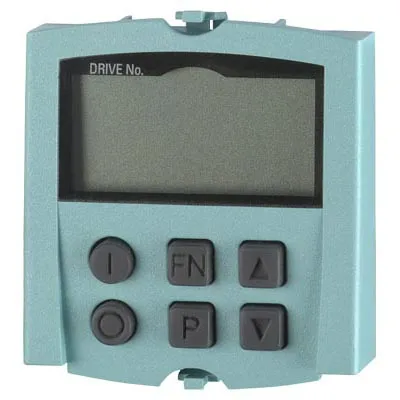
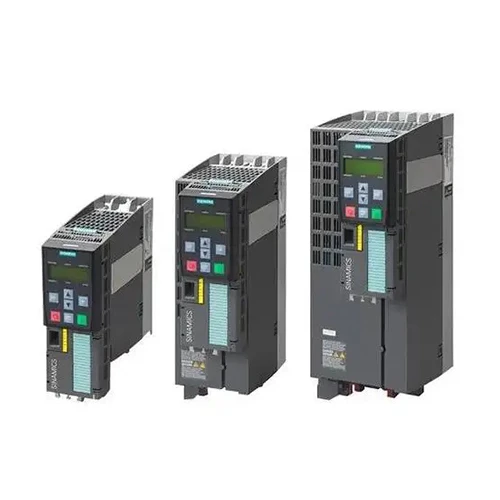
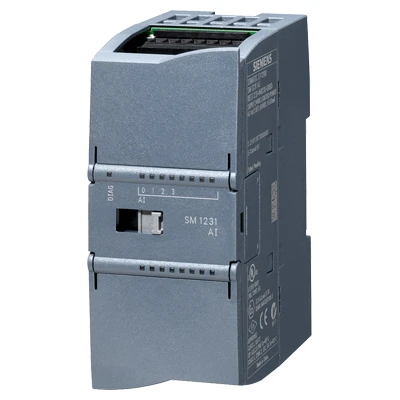
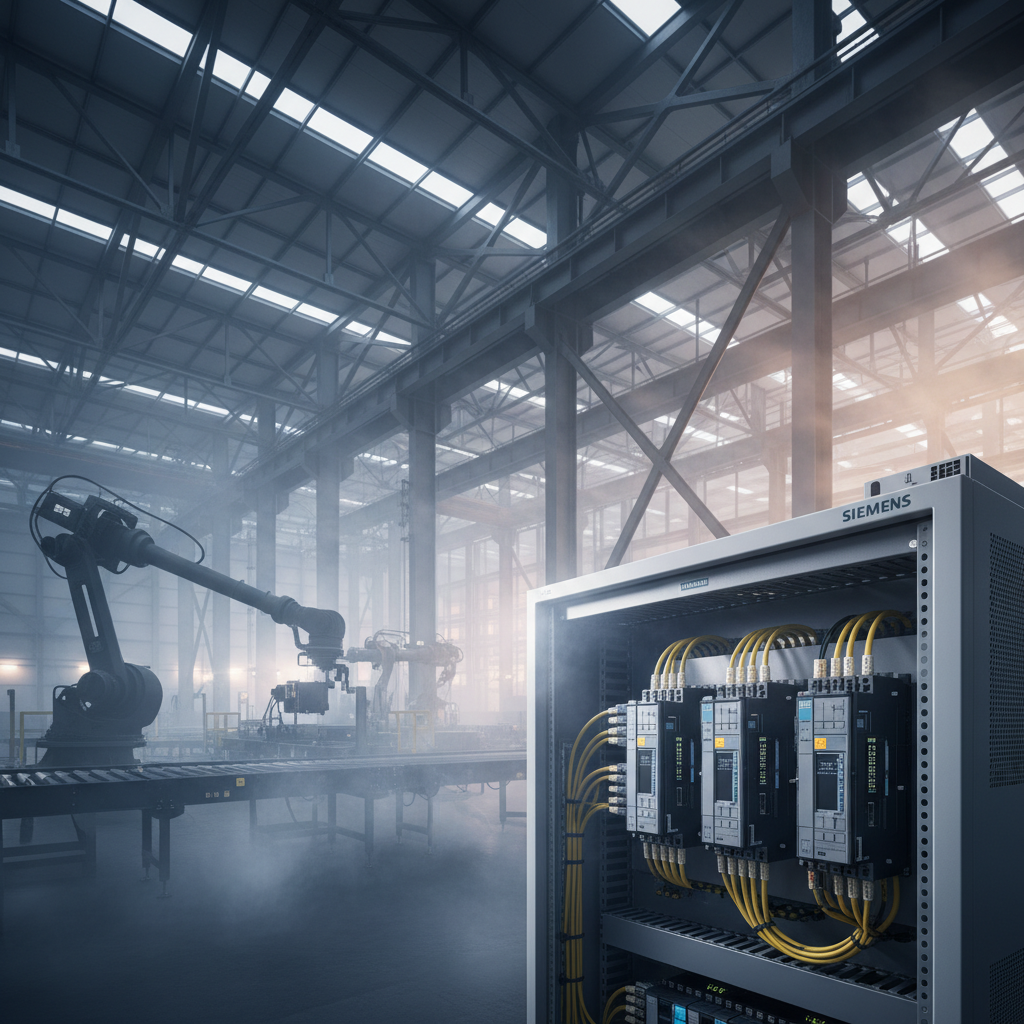
Fig 3: Siemens BOP-2 operator panel for VFD configuration and monitoring.
Vendor Comparison: Siemens S120 vs. Standard Industrial VFDs
When considering a vfd for sale, particularly for demanding applications, a clear distinction emerges between premium solutions like the Siemens S120 and more generic industrial VFDs. While standard VFDs offer foundational motor control, specialized systems provide advanced capabilities that yield greater efficiency, precision, and longevity in critical operations.
Comparative Analysis Table:
| Feature/Aspect | Siemens SINAMICS S120 | Standard Industrial VFD |
|---|---|---|
| Application Focus | High-performance, multi-axis, complex motion control | General purpose, single-axis speed control (pumps, fans) |
| Control Modes | Vector control (open/closed-loop), Servo control, V/f control | V/f control, basic vector control |
| Modularity & Scalability | Highly modular (rectifier, inverter, control units separate), scalable for large systems | Typically monoblock, less flexible for expansion or multi-axis integration |
| Regenerative Braking | Integrated (Active Line Module), returns energy to grid, high efficiency | Requires external braking resistors, dissipates energy as heat |
| Safety Functions | Integrated, certified safety functions (STO, SS1, etc. up to SIL 3) | Basic safety features, often requires external safety circuits |
| Communication | PROFIBUS, PROFINET, DRIVE-CLiQ, Ethernet/IP (broad integration) | Modbus RTU, limited Ethernet options |
| Dynamic Response | Excellent, fast current and speed control loops (sub-millisecond) | Good for general applications, slower response for precise motion |
| Total Cost of Ownership (TCO) | Higher initial investment, but lower long-term operating costs due to energy savings, extended lifespan, and higher productivity. | Lower initial investment, potentially higher long-term operating costs and maintenance for demanding applications. |
While standard VFDs serve well in basic applications, the Siemens S120 offers a superior platform for complex, high-performance, and energy-intensive systems. Its modularity, integrated safety, and advanced control capabilities justify the investment by delivering unparalleled precision, efficiency, and reliability, ultimately contributing to a lower total cost of ownership and higher operational output for the long term.
Customized Solutions: Tailoring VFDs to Your Unique Needs
Off-the-shelf VFDs can address many general requirements, but complex industrial operations often demand bespoke solutions to achieve optimal performance and integration. A leading supplier of a vfd for sale understands that customization is key to unlocking maximum efficiency, reliability, and cost-effectiveness for specific applications.
Customization can range from specific hardware modifications to specialized software configurations and comprehensive system integration. For instance, in harsh environments, a VFD might require a custom enclosure with enhanced ingress protection (IP rating) or specialized cooling systems. For process-critical applications, tailored software functions can include advanced control algorithms, specific alarm thresholds, or custom communication protocols to interface with legacy systems.
We work closely with clients to perform detailed application analysis, considering factors such as load characteristics, environmental conditions, existing control infrastructure, and desired performance metrics. This collaborative approach ensures that the final VFD solution is perfectly aligned with operational goals, delivering unparalleled precision, energy savings, and system longevity. Our expertise in Siemens S120 systems allows us to leverage its modularity for highly specific configurations, offering solutions that range from compact single-axis units to expansive multi-axis drive line-ups.
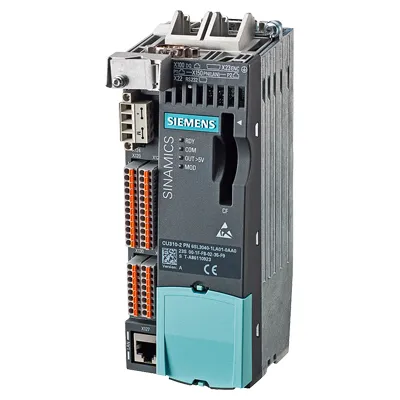
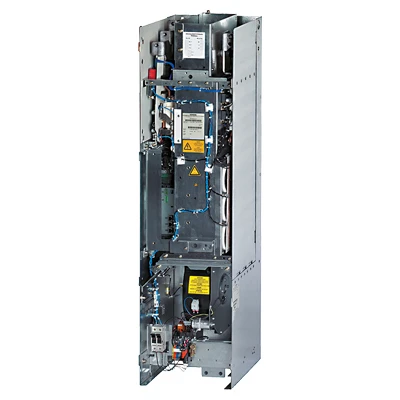
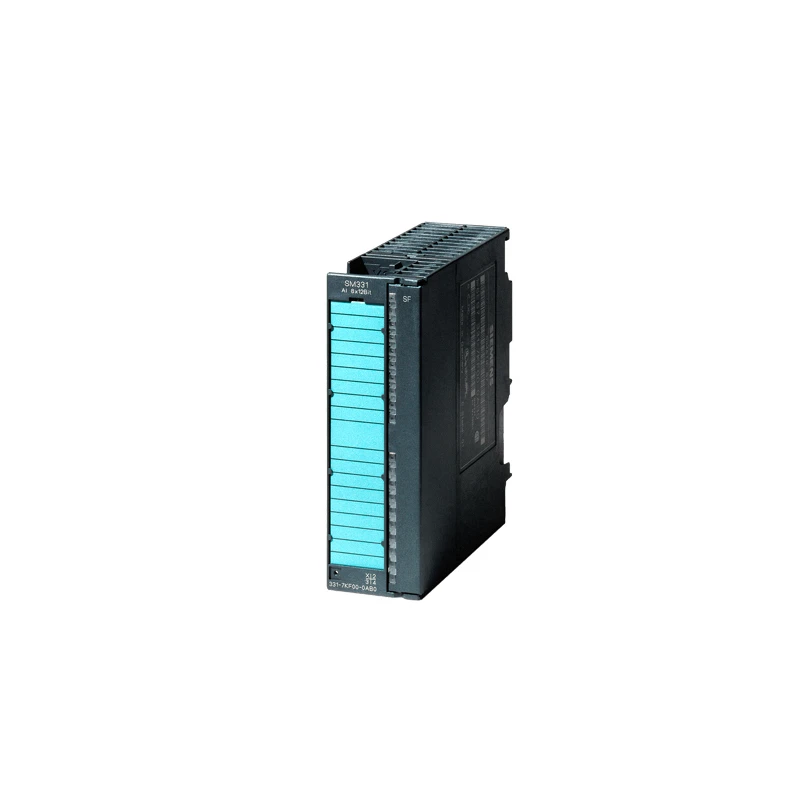
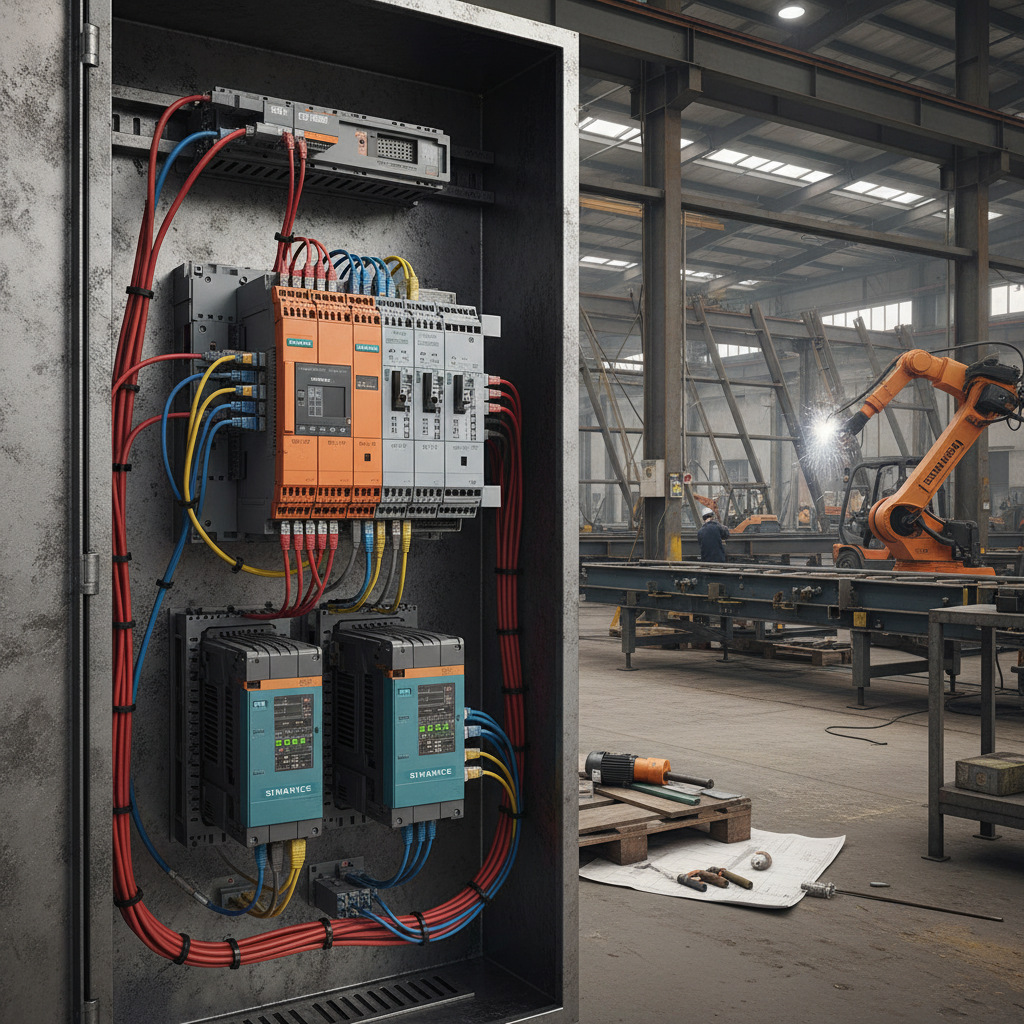
Fig 4: Siemens CU310-2 Control Unit, a central component for S120 modularity.
Application Case Studies: Realizing Tangible Benefits with S120
Case Study 1: Steel Rolling Mill Modernization
A major steel producer sought to upgrade its aging rolling mill control system, which was experiencing frequent breakdowns and inconsistent product quality. We implemented a multi-axis Siemens S120 system, replacing obsolete DC drives. The S120's high dynamic response and precise torque control significantly improved the rolling accuracy and speed synchronization across multiple stands. The integrated regenerative braking capability led to an estimated 18% reduction in overall energy consumption for the mill. Furthermore, the robust diagnostics and predictive maintenance features of the S120 minimized unplanned downtime, leading to a 25% increase in operational uptime and a marked improvement in the quality consistency of the finished steel products.
Case Study 2: Water Treatment Plant Optimization
A municipal water treatment plant faced escalating energy costs due to constant-speed pumping operations and frequent maintenance on its large pumps. We proposed and installed Siemens S120 VFDs on their primary intake and distribution pumps. By modulating pump speed according to real-time demand, the plant achieved an average of 35% energy savings annually. The soft-start and soft-stop functions of the VFDs drastically reduced mechanical stress on the pumps and piping, extending the service life of critical infrastructure and reducing maintenance intervals by over 40%. The plant also experienced fewer instances of water hammer, improving overall system stability and reducing pipe bursts, leading to significant cost reductions in repairs.
Case Study 3: High-Speed Packaging Line Enhancement
A leading food packaging company struggled with inconsistent product handling and frequent jams on its high-speed automated packaging line, limiting throughput. The existing drive system lacked the precision for synchronized multi-axis motion. Our solution involved integrating Siemens S120 drives with a centralized motion controller. This upgrade enabled highly synchronized control of conveyors, product placement mechanisms, and sealing units. The result was a 20% increase in line speed, a 15% reduction in material waste due (due to fewer jams and improved registration), and a significant enhancement in overall product quality and consistency. The S120's fast communication and precise control capabilities were pivotal in achieving these performance gains.
Frequently Asked Questions (FAQ) about VFDs
Q1: What is a VFD and how does it save energy?
A Variable Frequency Drive (VFD), also known as an AC drive or inverter, is a power electronic device that controls the speed of an AC electric motor by varying the frequency and voltage of its power supply. Energy savings are primarily achieved in applications with variable loads (e.g., pumps, fans). By reducing the motor speed, the power consumption drops significantly – often exponentially. For example, reducing pump speed by 20% can lead to approximately 50% energy savings.
Q2: What factors should I consider when evaluating a vfd for sale?
Key factors include the motor's power and voltage ratings, the application type (e.g., constant torque, variable torque, servo), environmental conditions (temperature, humidity, dust, corrosive elements), required control precision, communication needs (e.g., PROFIBUS, PROFINET), integrated safety functions, and the vendor's reputation for support and service life. For complex systems, modularity and scalability are also crucial.
Q3: Can VFDs be used with existing motors?
In most cases, yes. Standard induction motors can be driven by VFDs. However, for optimal performance and motor longevity, it's essential to ensure the motor is "inverter-duty rated" or properly insulated to withstand the voltage spikes (dV/dt) generated by VFDs, especially at lower speeds or with long cable runs. Consultation with a specialist is recommended.
Q4: What is the typical service life of a VFD?
The service life of a VFD largely depends on the quality of components, operating conditions (temperature, load), and maintenance. High-quality industrial VFDs like the Siemens S120 are designed for a service life of 10-15 years or more under typical operating conditions, assuming proper installation and regular maintenance. Key components like capacitors and cooling fans have specific lifespans and are often considered consumables requiring periodic inspection or replacement.
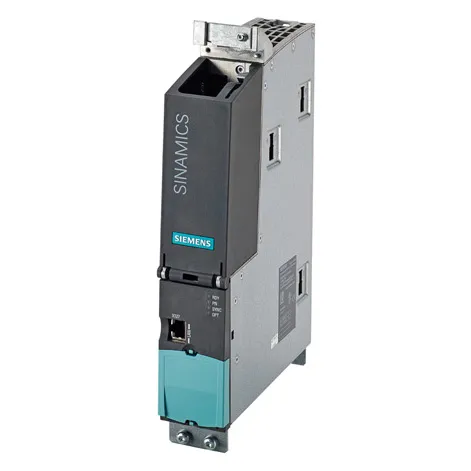
Fig 5: Siemens CU320-2 Control Unit, offering advanced multi-axis control for S120 systems.
Lead Time, Warranty, and After-Sales Support
Lead Time & Fulfillment
We understand the critical nature of timely delivery in industrial projects. Our typical lead times for standard Siemens S120 components range from 2-4 weeks, depending on stock availability and order complexity. For customized solutions or large-scale projects, specific lead times will be provided upon detailed quotation. We maintain a robust inventory of essential components and leverage efficient logistics to minimize delivery durations, ensuring your project timelines are met.
Warranty Commitments
All Siemens S120 Rectifier + Inverter products supplied by us come with a standard manufacturer's warranty, typically 12-24 months from the date of installation or 18-30 months from the date of shipment, whichever comes first. This warranty covers defects in materials and workmanship. Extended warranty options are available upon request to provide additional peace of mind for critical applications.
Comprehensive Customer Support
Our commitment extends beyond just supplying high-quality VFDs. We offer comprehensive after-sales support to ensure the seamless operation and longevity of your investment:
- Technical Assistance: Our team of certified engineers provides expert technical support for installation, commissioning, troubleshooting, and optimization.
- Training Programs: We offer tailored training sessions for your technical staff on the operation, maintenance, and programming of Siemens S120 drives.
- Spare Parts & Repairs: We ensure quick access to genuine spare parts and offer efficient repair services to minimize downtime.
- Preventive Maintenance: Consulting services for preventive maintenance schedules to maximize the lifespan and performance of your VFD systems.
References
- Siemens AG. SINAMICS S120 Overview. Available at: assets.new.siemens.com
- U.S. Department of Energy. Improving Pumping System Performance: A Sourcebook for Industry. Available at: energy.gov
- IEC 61800-3: Adjustable speed electrical power drive systems – Part 3: EMC requirements and specific test methods.
- IEC 61800-5-1: Adjustable speed electrical power drive systems – Part 5-1: Safety requirements – Electrical, thermal and energy.
- MarketsandMarkets. Variable Frequency Drive Market by Type, Voltage, Application, End-User Industry and Region – Global Forecast to 2028.