Efficient 75 hp Variable Frequency Drive Solutions for Industrial Power Control
Understanding the 75 hp Variable Frequency Drive and Why It Matters Globally
At first glance, the term 75 hp variable frequency drive might sound a bit technical, even intimidating. But if you’ve ever thought about how industries control large electric motors efficiently — from pumps and conveyors to HVAC systems — this device plays a quiet yet crucial role. Essentially, it’s about managing power smarter, saving energy, and extending equipment life. And globally, that matters more than ever: with climate change, energy shortages, and rising operational costs, understanding these drives is no longer a niche engineering topic but a necessity for sustainable industrial growth.
Introduction: The Global Relevance of 75 hp Variable Frequency Drives
Variable frequency drives (VFDs) are transforming industrial operations worldwide. According to the International Energy Agency, electric motors consume roughly half of all industrial electricity globally. Imagine if even a fraction of that could be saved — that’s where the 75 hp VFD steps up. With capabilities tailored for medium-to-large motors, these drives provide energy-efficiency improvements often ranging between 20-30%, depending on the application. The UN’s Sustainable Energy for All initiative stresses efficient technologies like VFDs as cornerstones for reducing industrial emissions and costs.
But there’s a catch: not every facility or region has the infrastructure or expertise to implement these systems optimally. Many developing countries, industrial parks, and remote areas still rely on simple, fixed-speed motor controls — essentially wasting energy and increasing operational risks. The 75 hp variable frequency drive directly addresses this gap by enabling flexible, scalable motor control — thus driving progress toward greener, more resilient industrial operations.
Mini takeaway: 75 hp VFDs are global energy savers, crucial for industry-level efficiency and decarbonization.
What Exactly Is a 75 hp Variable Frequency Drive?
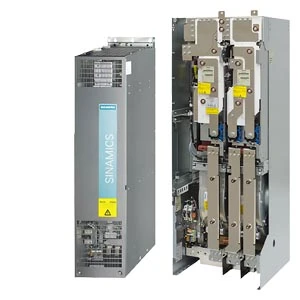
In simple terms, a variable frequency drive is an electronic controller that adjusts the speed and torque of an electric motor by modulating the power’s frequency and voltage. The “75 hp” part specifies its capacity: it’s designed to control motors with roughly 75 horsepower, a power range common in larger pumps, ventilation systems, conveyors, and industrial machines.
Beyond mechanically turning a motor on or off, the 75 hp VFD allows operators to fine-tune motor speeds to precise needs, reducing wear and tear and optimizing energy use. In humanitarian contexts too, these drives enable efficient water pumping and power supply stabilization, which can be essential in remote clinics or emergency relief camps.
Key Features of 75 hp Variable Frequency Drives
Durability and Reliability
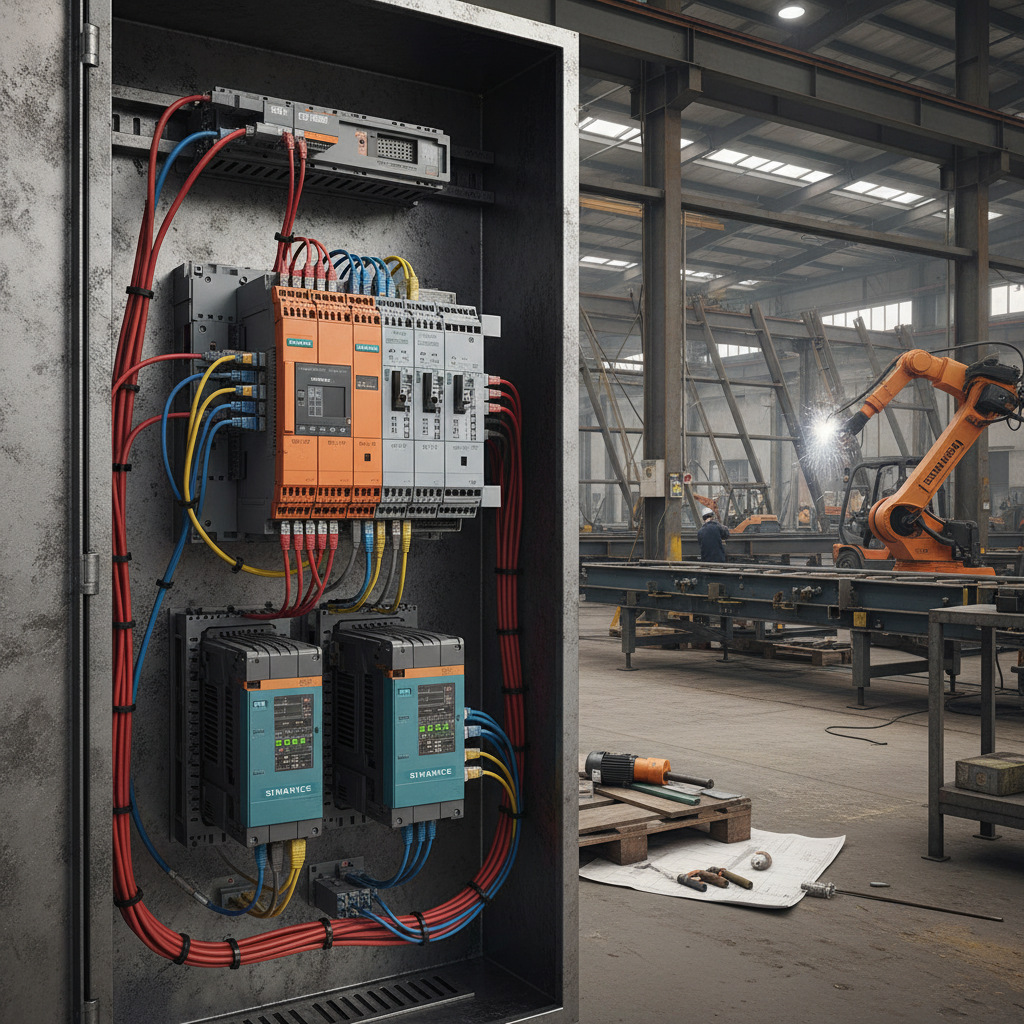
Many engineers I know swear by robust drives that can withstand harsh environments — think extreme heat, dust, or even coastal salt air. Most 75 hp VFDs come with rugged enclosures meeting NEMA 12 or 4X standards. Longevity isn’t just about hardware; it’s also about smart diagnostics and protection features that prevent common faults like voltage spikes or overheating.
Scalability and Flexibility
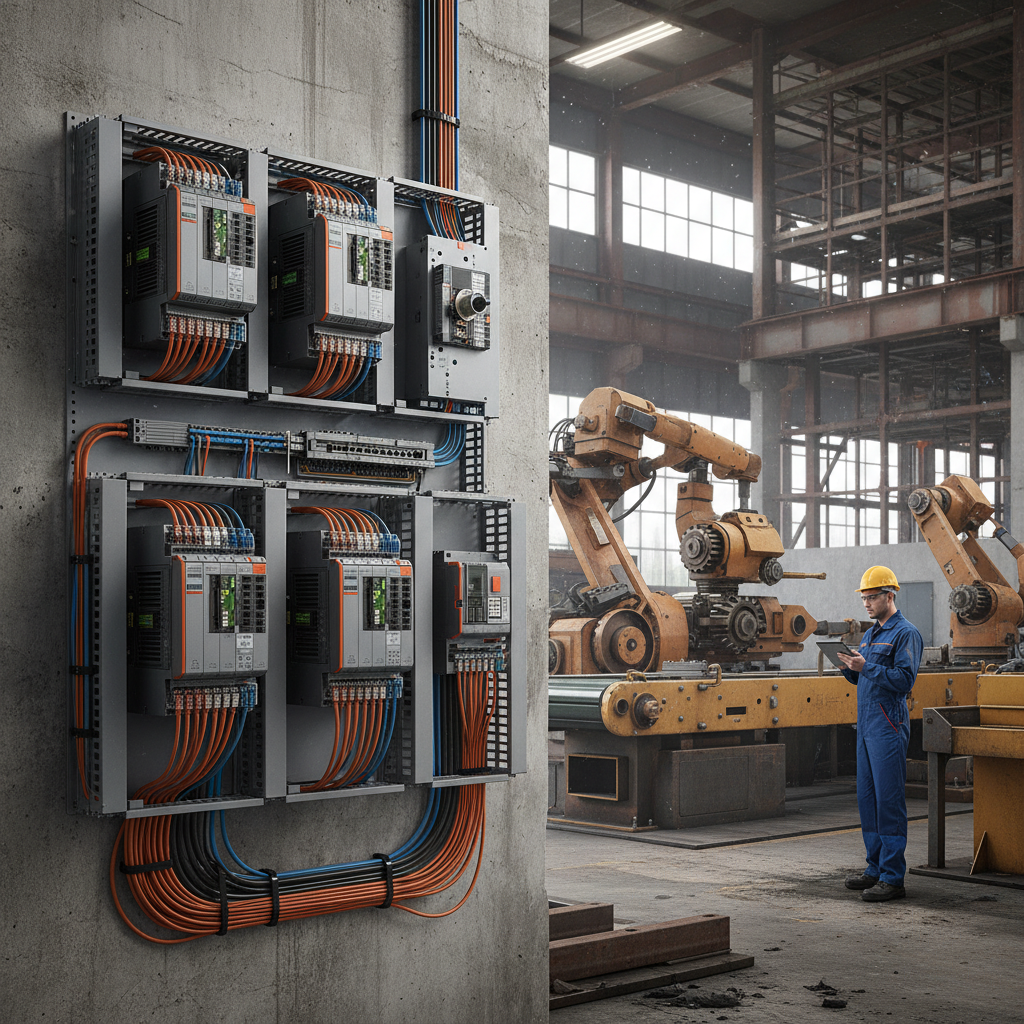
75 hp drives fit in that sweet spot between small controllers and massive industrial units. This makes them adaptable across sectors — from food processing plants where precise motor speed control is a must, to mining operations requiring heavy-duty torque adjustments.
Energy Efficiency
Reducing energy consumption is pretty much the mission here. By matching motor speed exactly to load demands, these drives slash electricity usage significantly compared to direct-on-line starters.
User-Friendly Controls
I’m always surprised how far user interfaces have come. Many newer models include touchscreen panels, remote monitoring, and easy software integration — which is a big deal when your tech team isn’t always onsite.
Cost-Effectiveness
While the upfront cost might seem steep, the return on investment is often quick — thanks to lower energy bills, reduced maintenance costs, and longer equipment life.
| Specification | Details |
|---|---|
| Power rating | 75 hp (56 kW) |
| Input voltage | 380-480 VAC, 3 phase |
| Output frequency | 0 – 60 Hz (typical) |
| Control type | Vector control / V/Hz control |
| Overload capacity | 150% for 60 seconds |
| Communication protocols | Modbus, Ethernet/IP, Profibus |
| Ambient temperature | -10 to 50 °C (operating) |
Real-World Applications: How 75 hp VFDs Make a Difference
In practical terms, these VFDs show up in all sorts of interesting places. Picture a large-scale water supply system in South America relying on a 75 hp drive to regulate pump speeds, ensuring consistent flow while avoiding energy waste. Or consider manufacturing plants in Eastern Europe where precise speed control improves product quality and reduces downtime. Even humanitarian missions are catching on: in disaster-hit zones of Southeast Asia, portable power units with VFDs enable flexible, reliable operation of emergency water and sanitation services.
Industrial sectors in North America and China have reported energy savings upward of 25% after switching to medium-power variable frequency drives — a nod to both economic and environmental impact.
Vendor Comparison Table
| Brand | Price Range | Features | Warranty | Best For |
|---|---|---|---|---|
| Tianjin Yongkai | $$$ | Advanced vector control, remote monitoring | 3 years | Industrial automation & remote systems |
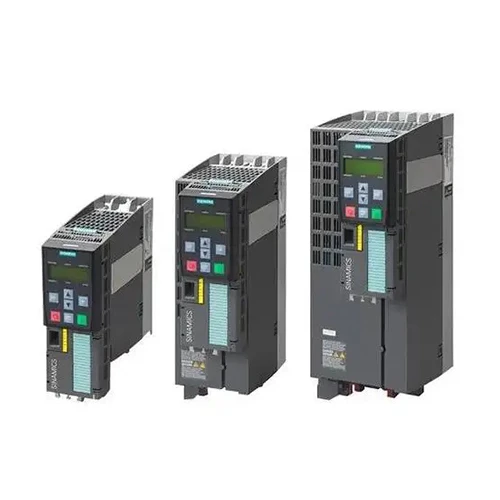
| Siemens | $$$$ | Integrated PLC, safety functions | 5 years | Complex industrial environments |
| Schneider Electric | $$$$ | EcoStruxure compatible, user-friendly UI | 3 years | Smart factories & energy management |
Advantages & Long-Term Value
Using a 75 hp variable frequency drive isn’t just an immediate tactical gain; it’s a long-term strategic asset. The tangible benefits stack up in energy cost savings and lower carbon footprints — but equally important are the social and operational dividends. For example, by reducing mechanical stress on motors, facilities can avoid unexpected downtime that disrupts work and jeopardizes safety. In some sectors, such as water and wastewater treatment, smooth motor control even preserves public health by guaranteeing consistent system performance.
On a deeper level, adopting such technology signals innovation and responsibility. It builds trust with stakeholders, investors, and communities who increasingly demand sustainable industrial practices.
Future Trends & Innovations in 75 hp Variable Frequency Drives
Looking ahead, the future of 75 hp VFDs is intertwined with digital evolution and green energy. Smart drives with embedded AI capabilities can predict faults before they happen, schedule maintenance automatically, and even optimize motor parameters in real-time based on changing environmental conditions. Coupling these drives with renewable energy sources like solar or wind is gradually becoming a practical reality — allowing industrial processes to run cleaner and more independently.
Furthermore, manufacturers are experimenting with advanced semiconductor materials like silicon carbide (SiC) to improve drive efficiency and thermal performance, pushing the boundaries of what these drives can achieve in harsh or compact settings.
Challenges & How to Overcome Them
Nobody said it’s all sunshine — some hurdles remain when implementing 75 hp variable frequency drives. These include upfront costs, the need for skilled installation and programming, and sometimes compatibility issues with existing equipment. However, solutions are emerging: vendors offer better training and remote support, modular drive designs simplify integration, and financing options help ease initial investment barriers.
One thing I’ve noticed in many successful case studies is the importance of partnering with knowledgeable suppliers who provide comprehensive after-sales service. It turns out that technology alone isn’t enough; human expertise is just as critical.
FAQ: Frequently Asked Questions About 75 hp Variable Frequency Drives
1. How does a 75 hp variable frequency drive help reduce energy costs?
By allowing the motor speed to match the exact load requirements instead of running at full speed constantly, a 75 hp VFD significantly cuts down electricity use. This adaptive control helps save upwards of 20-30% energy in typical industrial applications.
2. Can a 75 hp VFD be used in harsh environments?
Absolutely. Many models come with rugged housings rated for dust, moisture, and temperature extremes, making them fit for factories, outdoor pump stations, or coastal installations.
3. What industries benefit the most from installing a 75 hp variable frequency drive?
Common sectors include water/wastewater treatment, HVAC, mining, manufacturing, and food processing. Essentially, any industry with medium-sized motors running variable loads can profit from these drives.
4. How complicated is it to install and program a 75 hp VFD?
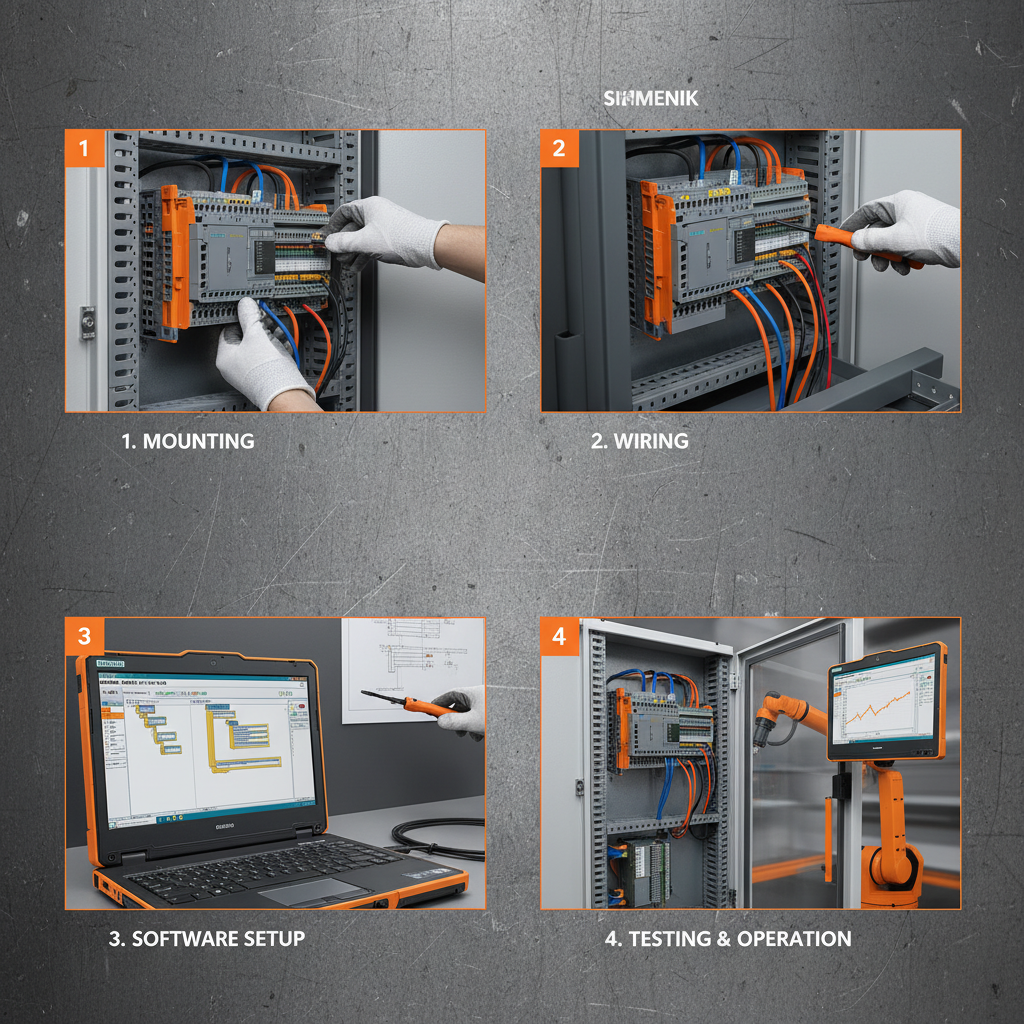
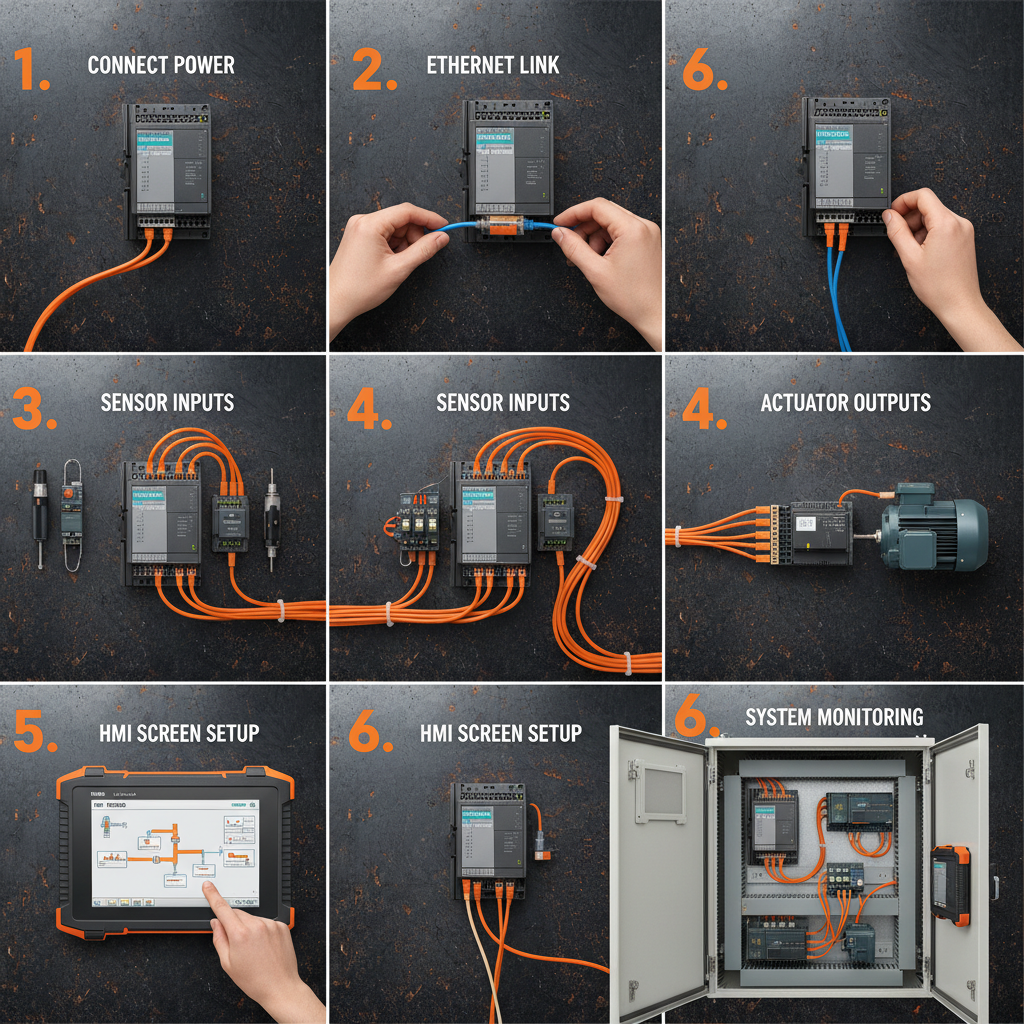
While installation requires electrical expertise, modern drives come with user-friendly interfaces and software that simplify configuration. Many suppliers also provide detailed manuals and remote support services.
5. Are 75 hp variable frequency drives compatible with renewable energy setups?
Yes, they are increasingly designed to integrate with solar and wind power systems, helping to optimize energy use and reduce reliance on grid electricity.
Conclusion: Why Investing in a 75 hp Variable Frequency Drive Makes Sense
In sum, deploying a 75 hp variable frequency drive is a smart step toward energy efficiency, operational resilience, and sustainability. Whether you’re running an industrial plant in a bustling city or managing infrastructure in a remote region, these drives offer tangible benefits that accumulate over time — from cost savings to lower environmental impact.
If you’re considering upgrading your motor controls or just curious about how to improve your industrial processes with modern tech, exploring 75 hp VFDs is well worth the effort. Visit our website at https://www.tianjinyongkai.com to learn more and find the right solution for your needs.