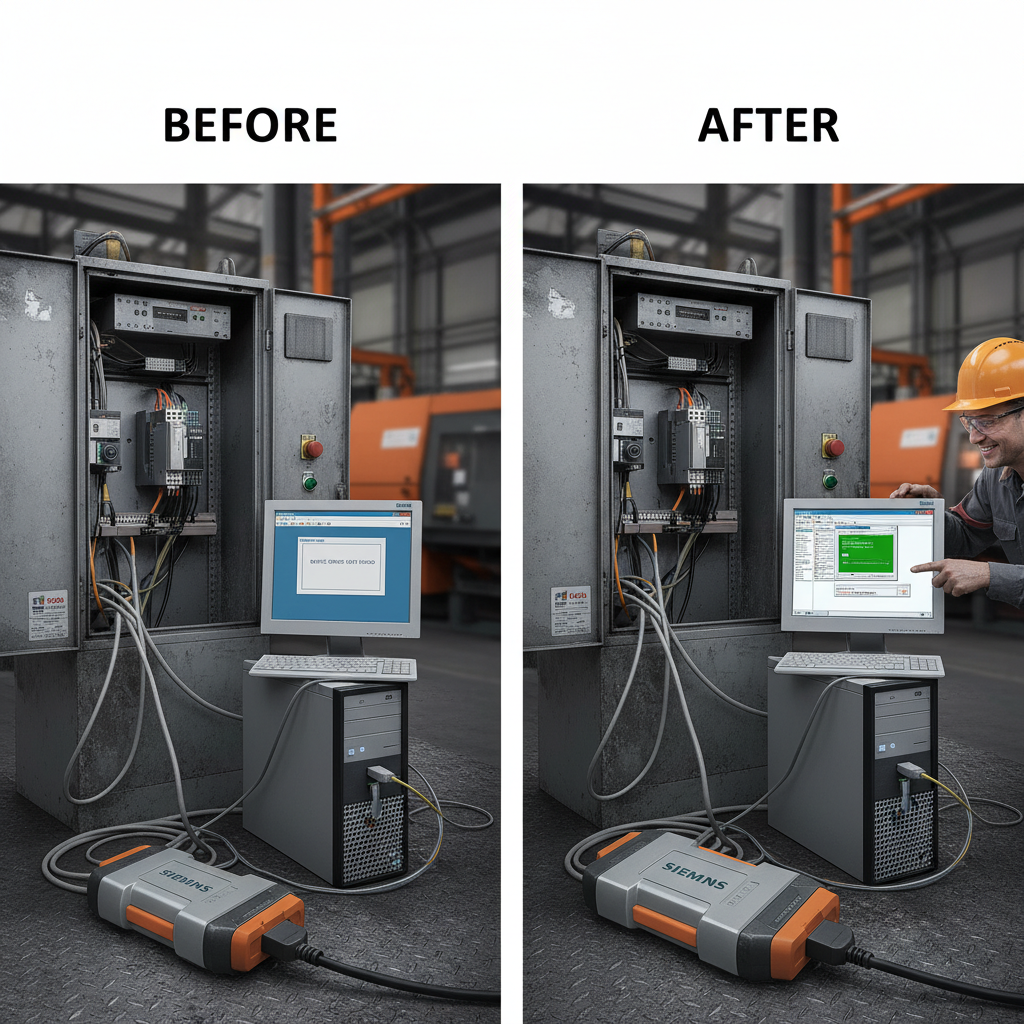
Efficient VFD Solutions for 1 HP Motors | Energy Saving & Control
Variable Frequency Drives (VFD) for 1 HP Motors: What You Need to Know
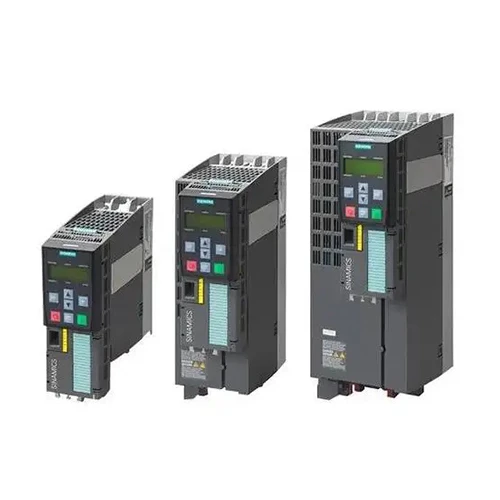
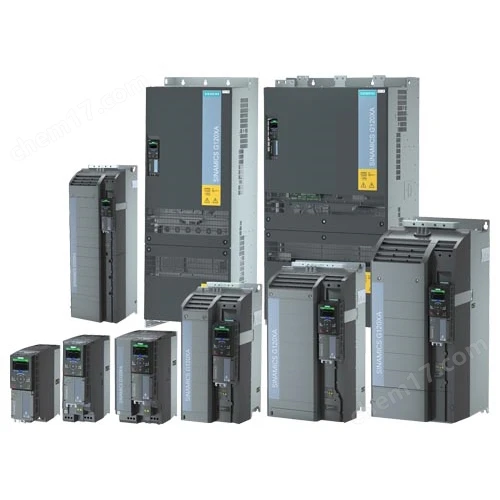
Variable frequency drives, or VFDs, have become quietly essential in modern industrial setups—especially when paired with a humble but versatile 1 horsepower (HP) motor. The technology behind a vfd for 1 hp motor is a marvel of energy efficiency, precision control, and cost savings. Globally, VFDs contribute to reducing carbon footprints by optimizing motor operations — a critical effort with climate targets tightening everywhere.
Understanding the value and working of a VFD for such a small motor might seem niche, but in reality, it's quite foundational. It’s about making small systems smarter, which can ripple out for big impacts. Let’s unpack why that matters.
Why a VFD for 1 HP Motor Makes Sense in Today’s Global Context
The global motor market is enormous—over 300 million electric motors are produced worldwide annually, and motors below 5 HP dominate the installed base in commercial and light industrial applications according to Wikipedia. Yet, many of these run at fixed speeds, wasting energy and bearing the risks of wear and tear. The International Energy Agency notes that electric motors consume about half of global electricity—VFD tech can chop the usage significantly by matching motor speeds to actual demand.
If you work in industrial automation or simply manage HVAC systems, you’ll know that the ability to control a 1 HP motor’s speed precisely affects heat, airflow, pump pressure, or conveyor speeds. The problem is that the simple “on/off” approach often leads to equipment strain, spikes in energy bills, and poorer system lifespans. That’s where a VFD tailored for such motors steps in.
What Exactly Is a VFD for a 1 HP Motor?
Put simply, a Variable Frequency Drive is an electronic controller that adjusts the frequency and voltage supplied to an electric motor—in this case, one rated for 1 horsepower—allowing it to run at variable speeds rather than just at full throttle.
Think of it like dimming a lamp instead of toggling it on and off. By changing speeds rather than switching power supply entirely, it grants a measure of finesse. This finesse means smoother machine operation, less mechanical stress, and energy savings. Industries from agriculture to manufacturing rely on these tiny dynamos, especially where precise speed control affects quality or efficiency.
Mini Takeaway:
A vfd for 1 hp motor isn’t a gimmick but a practical, cost-saving tool in small motor management—with global energy implications.
Key Factors to Consider When Choosing a VFD for a 1 HP Motor
1. Efficiency and Energy Savings
Many engineers say that one of the prime reasons to opt for a VFD is reducing input wattage by scaling motor speed to need. Nearly 20-30% savings in energy consumption can be seen, especially in pump and fan applications.
2. Durability and Overload Protection
A good VFD protects your motor from current surges or overheating by adjusting parameters dynamically—important when the system is exposed to fluctuating loads.
3. Ease of Installation and Configuration
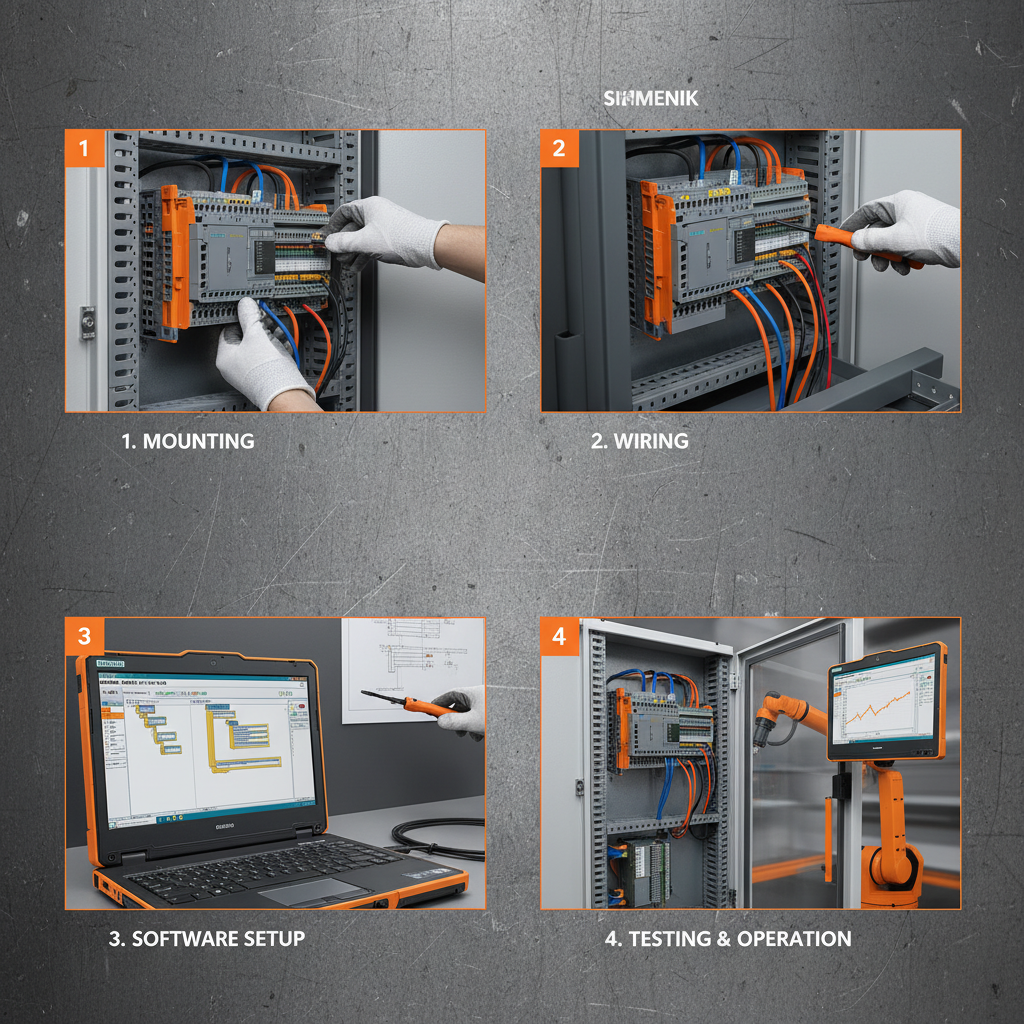
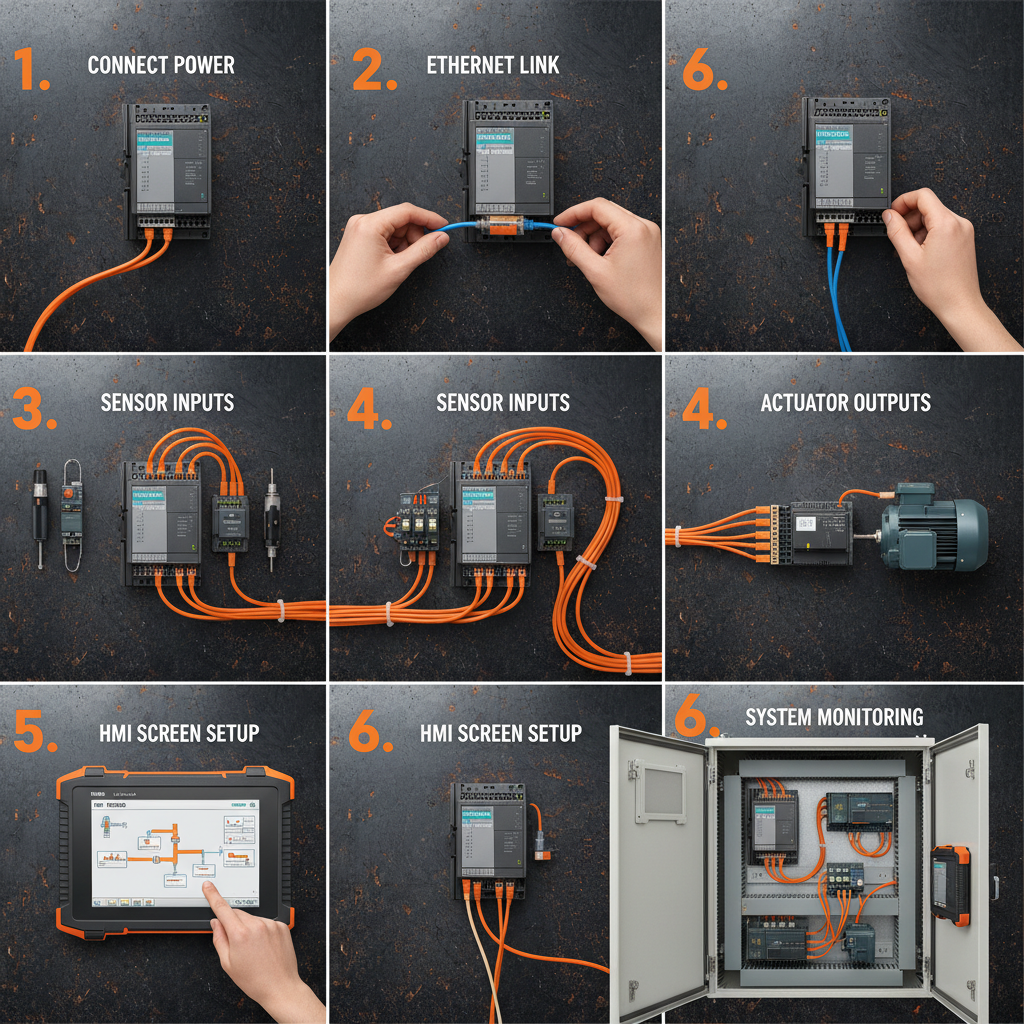
Modern VFDs for small motors generally come with user-friendly interfaces, plug-and-play wiring, and sometimes wireless connectivity for remote adjustments.
4. Compatibility and Scalability
Ensuring your VFD supports the motor’s control demands (e.g., 1 HP at 230V, single-phase or three-phase power) is non-negotiable. Plus, you want room to upgrade or pair with automation systems.
5. Cost-effectiveness
It may feel a bit overkill to install a VFD on a 1 HP motor, but the long-term savings and operational benefits often outweigh the upfront investment.
6. Noise Reduction
Reducing noise pollution isn’t talked about enough, but VFDs can soften the usual harsh hum by smooth speed transitions — especially valued in environments like labs or hospitals.
Mini Takeaway:
When shopping for a VFD to jog along your 1 HP motor, look beyond price: efficiency, protection, and ease of use matter just as much.
Real-World Applications of VFDs for 1 HP Motors
- HVAC Systems: Adjusting fan or pump speed precisely to maintain ideal temperature and airflow.
- Water Pumps: Modulating flow rates in irrigation or municipal water treatment plants.
- Conveyor Belts: Speed-tuning for packaging lines or automated sorting equipment.
- Small Machine Tools: Enhancing torque control on lathes, mills, or drills.
- Renewable Installations: Controlling small wind turbines or solar-powered water pumps in off-grid locations.
For example, in Southeast Asia, agricultural cooperatives use vfd for 1 hp motor setups to power irrigation with minimal energy overhead—critical in areas with unreliable grid access.
Advantages and the Long-Term Value of Using VFDs for Small Motors
Aside from initial energy costs, using a VFD:
- Extends motor and equipment longevity by reducing mechanical wear.
- Promotes eco-friendliness by lowering carbon emissions—hugely relevant where sustainability is non-negotiable.
- Improves process quality through finer speed and torque control.
- Reduces noise pollution and the need for heavy maintenance cycles.
- Brings adaptability to changing operational needs, future-proofing investments.
It’s also about giving operators more confidence and comfort. Less noise, less heat, less sudden jerks — all add a layer of dignity to working conditions. Oddly enough, these small tech improvements add up to a better experience for people.
Future Trends and Innovations in VFD Technology for 1 HP Motors
Looking ahead, VFD tech is headed into smarter territory:
- IoT Integration: Enabling real-time monitoring and remote control via cloud platforms.
- AI-driven Predictive Maintenance: Using data to spot inefficiencies or faults before downtime strikes.
- Improved Materials: Enhanced semiconductors and cooling systems for higher reliability and smaller sizes.
- Renewable Energy Compatibility: Better interfacing with solar or wind systems to maximize green power usage.
It’s an exciting time where a standard 1 HP VFD might soon be a “smart device” linked into entire building or industrial control ecosystems.
Common Challenges with VFD Use and How to Overcome Them
Despite benefits, some challenges do pop up:
- Initial Cost Concerns: The upfront price discourages some from upgrading; however, incentives and rebates increasingly offset this.
- Electromagnetic Interference (EMI): Can disrupt sensitive equipment if not properly shielded.
- Complex Settings: Poor installation or configuration can harm motor performance, but training and intuitive user interfaces help mitigate this.
- Maintenance Needs: VFDs require periodic checks for cooling fans and connections.
Working with reputable vendors and following best practices usually smooths the ride.
Product Specification Table for a Typical VFD for 1 HP Motor
| Specification | Details |
|---|---|
| Power Rating | 1 HP (0.75 kW) |
| Input Voltage | 220-240 V AC, Single-phase |
| Output Voltage | 0–240 V AC |
| Frequency Range | 0.1–400 Hz |
| Control Method | V/F Control (Volts per Hertz) |
| Protection Features | Overcurrent, Overvoltage, Thermal |
| Communication | RS485 / Modbus RTU (optional) |
Comparing Leading VFD Vendors for 1 HP Motors
| Vendor | Key Features | Price Range (USD) | Warranty |
|---|---|---|---|
| Delta Electronics | Compact size, easy setup, LCD display | 150–250 | 2 years |
| Siemens | Robust build, industrial-grade, advanced diagnostics | 300–400 | 3 years |
| Schneider Electric | Energy saver, easy integration, multiple control modes | 250–350 | 2 years |
| Tianjin Yongkai | Affordable, straightforward interface, reliable support | 120–200 | 1 year |
FAQs About VFD for 1 HP Motor
- Can a VFD improve the lifespan of a 1 HP motor?
- Yes, by reducing mechanical stress during start-ups and shutdowns, a VFD decreases wear and extends motor life significantly.
- Is installing a VFD complicated for a small motor?
- Modern VFDs are designed for ease of installation, often with plug-and-play wiring and intuitive programming, making setup accessible even for small motors.
- Will adding a VFD increase energy costs due to its own power use?
- Not really. The slight power consumed by the VFD electronics is quickly offset by the motor’s reduced energy draw when running at optimized speeds.
- What industries benefit most from using a VFD on a small motor?
- HVAC, agriculture, food processing, light manufacturing, and wastewater management industries commonly leverage VFDs to improve efficiency in small motor-driven systems.
- Are there environmental benefits to using VFDs?
- Absolutely. Reduced energy consumption means lower greenhouse gas emissions and a smaller carbon footprint—vital in today’s sustainability efforts worldwide.
Conclusion: Why a VFD for Your 1 HP Motor Is a Smart Move
Optimizing small motors with a vfd for 1 hp motor might not seem revolutionary at first, but the ripple effect is profound: cutting energy waste, extending equipment life, and contributing to a cleaner planet. Long term, these smart drives become trusted allies in industrial settings and beyond. If you oversee motorized equipment, considering VFD integration can be a cost-effective and sustainable game changer.
To dive deeper or explore reliable options tailored to your needs, visit our website: https://www.tianjinyongkai.com. Because in real terms, a small step forward with control technology often leads to bigger gains.