The Essential Guide to Vfd In Automation: Benefits, Uses & Vendor Insights
Vfd In Automation is a key solution in the industry, specifically within industrial control and manufacturing sectors. This article explores how https://www.tianjinyongkai.com supports professionals with durable, high-performance products, and explains why this product is an ideal choice for businesses in these sectors.
Table of Contents
- Vfd In Automation Overview
- Benefits & Use Cases of Vfd In Automation
- Cost, Maintenance & User Experience
- Sustainability & Market Trends
Vfd In Automation Overview
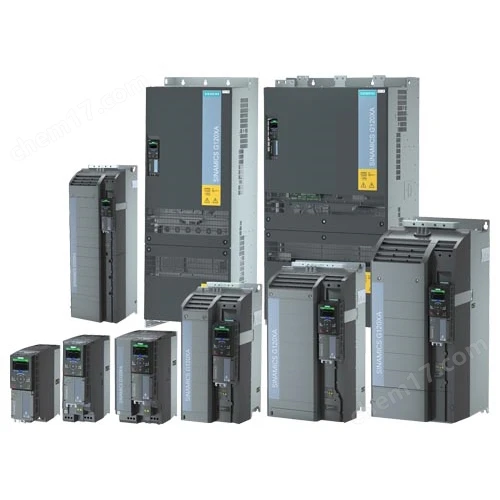
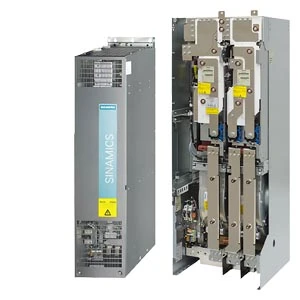
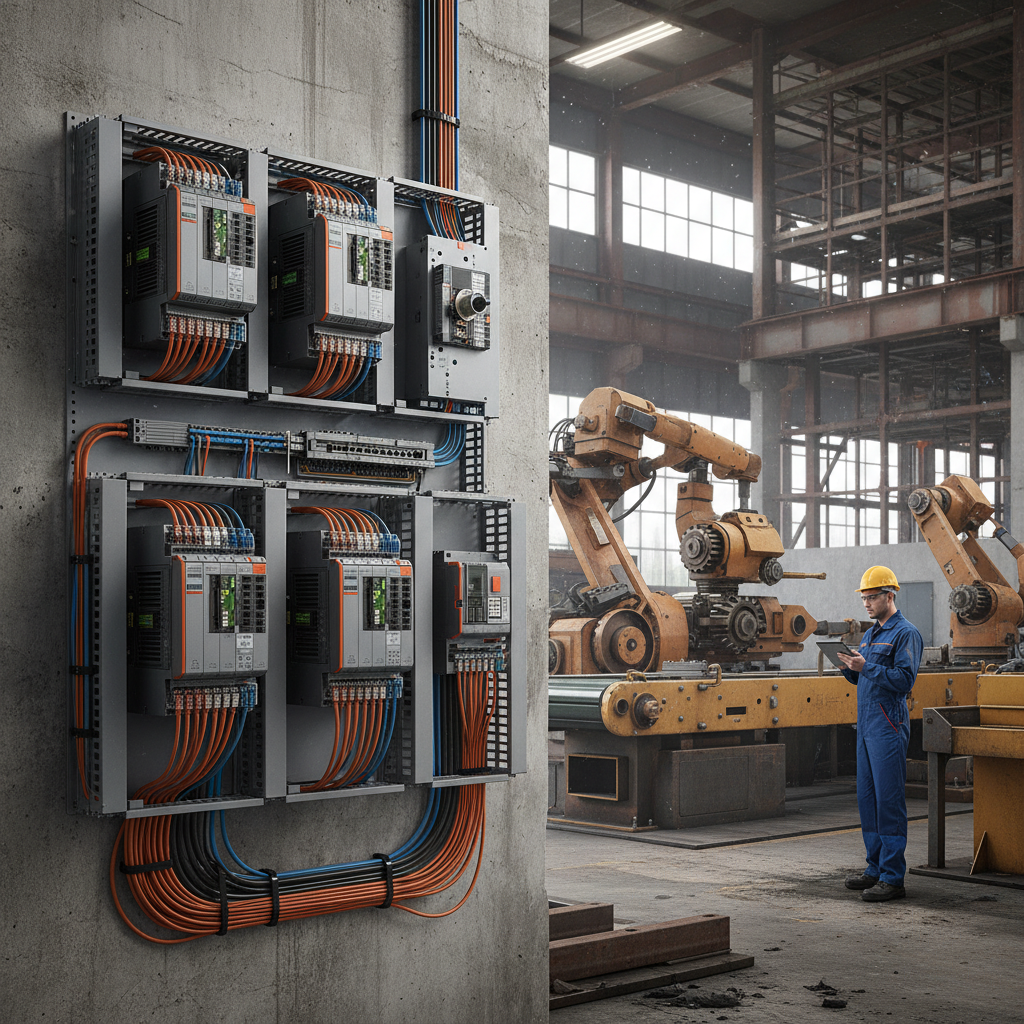
Simply put, a VFD (Variable Frequency Drive) in automation is a device that controls the speed and torque of electric motors by varying the frequency and voltage supplied. Oddly enough, this straightforward tech is at the heart of modern industrial automation, giving businesses finely tuned control over machinery.
- It’s crucial for enhancing energy efficiency, reducing mechanical stress, and enabling precise process control.
- For example, in manufacturing, VFDs regulate conveyor speeds or pump flows, leading to smoother operations and less downtime.
| Parameter | Typical Range | Notes |
|---|---|---|
| Input Voltage | 200V - 600V AC | Depends on model and application |
| Output Frequency | 0 - 400 Hz | Controls motor speed |
| Power Range | 0.5 kW - 250 kW+ | Covers wide industrial needs |
| Control Modes | V/F, Sensorless vector, Closed loop | Flexibility in motor control |
| Communication | Modbus, CANopen, Profibus, Ethernet | Ease of integration into automation systems |
Benefits & Use Cases of Vfd In Automation
The biggest draw of VFDs, frankly, is the energy savings. I’ve seen companies reporting up to 30% reduction in energy use just by installing VFDs on pumps and fans. Plus, they provide smoother startup and stop procedures, which means less wear on your machinery — something many maintenance teams appreciate.
- VFDs are commonly used in HVAC, water treatment, and manufacturing lines to optimize motor control and reduce mechanical issues.
- Features like built-in protection functions, easy parameter setting, and multi-communication protocols give Tianjin Yongkai an edge over competitors.
Vendor Comparison
| Feature | Tianjin Yongkai | Competitor A | Competitor B |
|---|---|---|---|
| Energy Efficiency | High (up to 98%) | Medium | Medium-High |
| Durability | Robust IP54 rated | IP20 - IP54 | Standard |
| Communication Protocols | Modbus, Profibus, Ethernet | Modbus only | Ethernet only |
| Price | Competitive | Higher | Lower |
| Customer Support | Responsive & technical | Limited | Moderate |
Cost, Maintenance & User Experience
One hesitation I hear often concerns upfront costs—sure, VFDs aren’t exactly cheap gadgets. But consider the total cost of ownership: energy savings, reduced mechanical wear, and less time spent on repairs usually pay off within a couple of years. Customers who’ve switched to Tianjin Yongkai’s VFDs often praise their reliability and straightforward user interface, making configuration less fiddly than you might expect.
- Durability is key—these VFDs are designed to handle harsh environments with protection against dust and moisture.
- Industry feedback suggests that maintenance intervals are longer and unplanned downtime is reduced.
Sustainability & Market Trends
Sustainability isn’t just a buzzword — it heavily influences automation choices today. Variable frequency drives promote greener operations by optimizing energy consumption, which often aligns with government regulations and corporate sustainability goals. In an era when industries face stricter emission standards, integrating VFDs is kind of a no-brainer. Additionally, the market is evolving toward smarter, connected drives that can self-diagnose and integrate with IoT systems, something Tianjin Yongkai is actively developing.
- Global market studies show an upward growth in VFD adoption driven by renewable energy and smart factory initiatives.
Frequently Asked Questions about Vfd In Automation
- What is Vfd In Automation and how does it work?
- VFD in automation refers to a variable frequency drive, which controls the speed of electric motors by modulating electrical frequency and voltage. This allows precise motor speed regulation, saving energy and improving machinery performance.
- What are the main benefits of using Vfd In Automation in industrial applications?
- Key benefits include energy efficiency, reduced mechanical wear, enhanced process control, and lower maintenance costs. VFDs also enable smoother operation starts and stops, which protects equipment.
- How does Vfd In Automation compare to traditional alternatives?
- Unlike traditional fixed-speed motor starters, VFDs adjust motor speed dynamically. This results in significant energy savings and better adaptability to process demands, offering more precise control and efficiency.
- What industries can benefit most from Vfd In Automation implementation?
- Industries like manufacturing, water and wastewater treatment, HVAC, mining, and oil and gas benefit greatly. These sectors rely heavily on electric motors and require efficient, precise control for optimal productivity.
Conclusion on Vfd In Automation from china
To sum it up, Vfd In Automation represents a practical, energy-efficient technology that is reshaping industrial motor control with remarkable benefits — from lowering energy bills to extending equipment life. If you're in the market for reliable, high-quality VFD solutions, I'd recommend seriously checking out Tianjin Yongkai's offerings. The blend of performance, durability, and service is hard to beat.
- Recap the value of Vfd In Automation.
- - Visit our website: https://www.tianjinyongkai.com
Reflecting on the widespread adoption of VFD technology, it’s clear this isn’t just a passing trend — it’s a cornerstone of smarter, more sustainable industry. For B2B decision makers, choosing the right VFD partner could well be the difference between incremental gains and transformative performance.