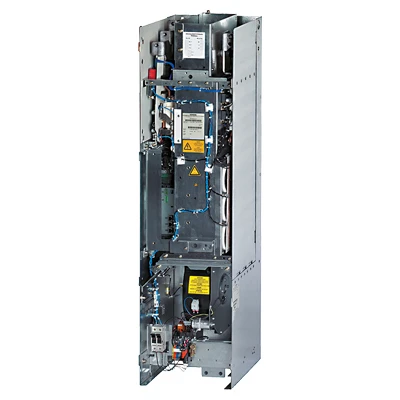
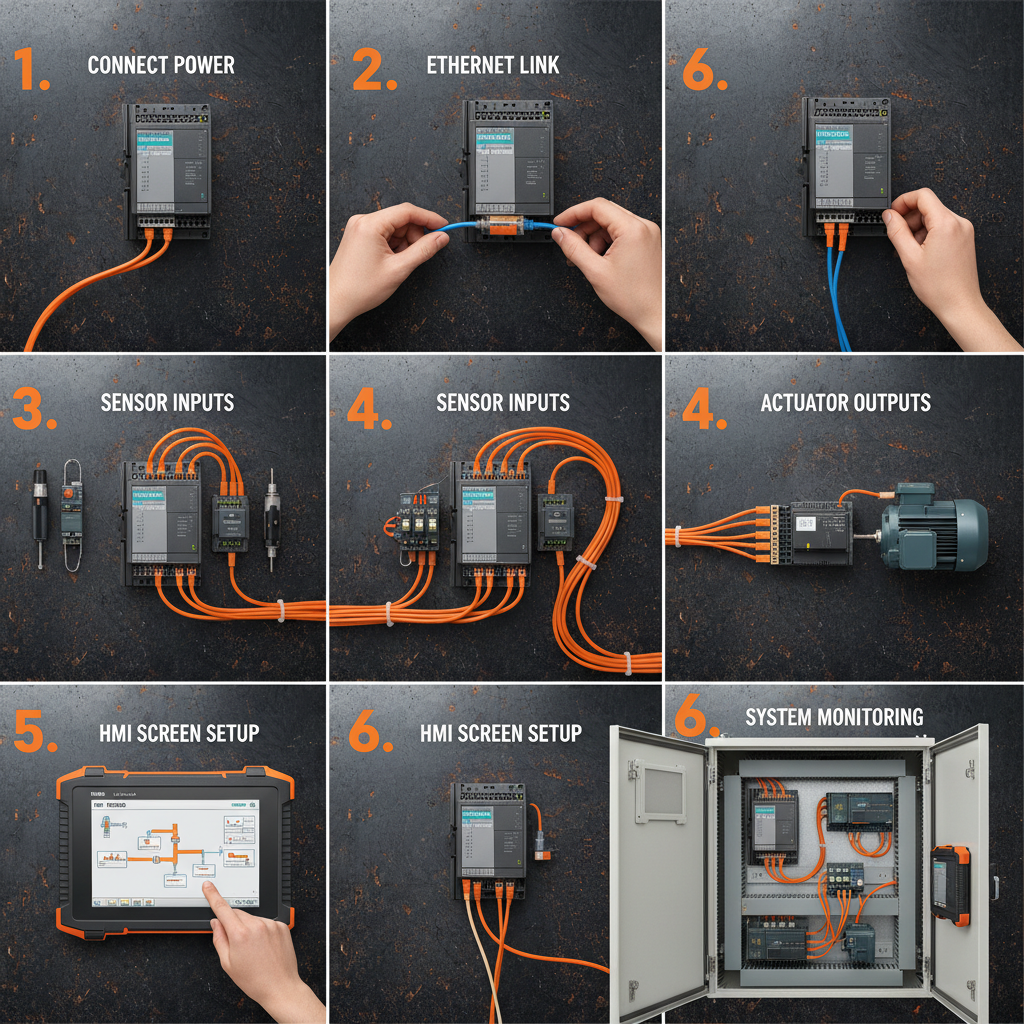
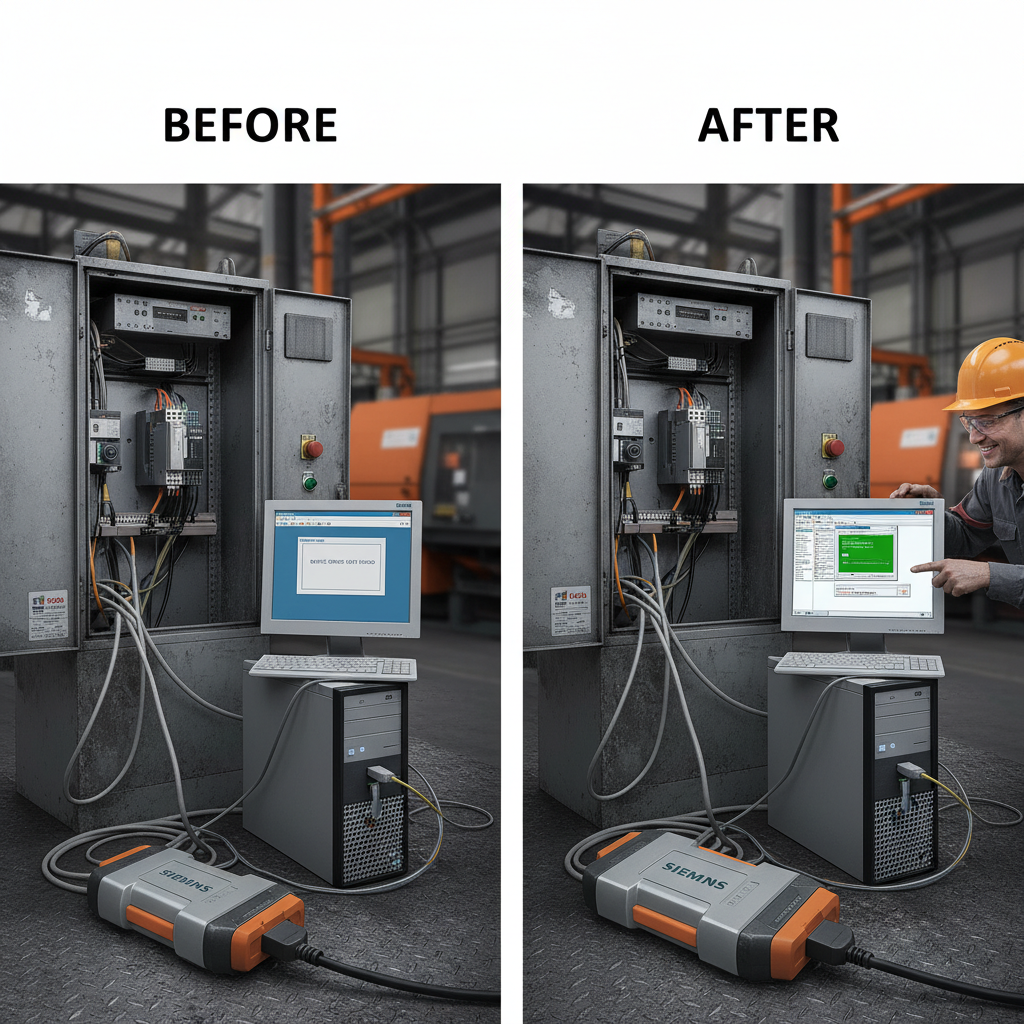
Variable Frequency Drive 5hp – Energy-Efficient Motor Control Solutions
What’s a Variable Frequency Drive 5hp and Why Should You Care?
If you’re in industrial automation, HVAC, water treatment, or just poking around electrical tech, odds are you’ve bumped into something called a variable frequency drive 5hp. It’s a compact, powerful device that controls motor speed by adjusting electrical frequency—specifically, for motors rated around 5 horsepower. Why does this tiny piece of tech matter globally? For starters, it's a linchpin in energy efficiency efforts, cutting electric consumption where motors run continuously. Understanding it means stepping into a quieter, greener, more flexible production world where costs and carbon footprints both dip. Firms, municipalities, and manufacturers worldwide now lean on variable frequency drives (or VFDs) not only to save money but also to meet tightening environmental standards.
Takeaway: Variable frequency drives help industries save energy, reduce wear on machines, and support global sustainability goals at a practical scale.Setting the Scene: Why Variable Frequency Drives Matter Globally
As of 2024, the global industrial motor market accounts for about 45% of the world's electricity consumption (source: IEA). With many motors rated around 5 horsepower used in pumps, conveyors, and compressors, controlling their speed smartly can vastly reduce wasted energy. The UN’s Sustainable Development Goals stress clean, affordable energy and responsible consumption — areas where variable frequency drives shine by cutting unnecessary electric load. Yet a major challenge remains: too many facilities run motors at full speed regardless of demand, wasting energy and driving costs up. Enter the variable frequency drive 5hp to change that by offering precise speed control and improved motor longevity.
Simplifying What a Variable Frequency Drive 5hp Actually Is
At its core, a variable frequency drive modifies the speed of an electric motor by controlling the frequency of the power supply. The '5hp' label means it’s designed for motors around five horsepower, which is a sweet spot for lots of medium-duty industrial tasks. The drive converts fixed-frequency AC power into variable-frequency output, letting you ramp a motor up and down smoothly (instead of just full-on or off). This capability isn’t just a fancy convenience—it’s critical in sectors like HVAC (to control fans), waterworks (for pumps), and conveyor systems, where speed adjustment saves energy and reduces mechanical stress.
Core Features You Should Know About Variable Frequency Drive 5hp Models
1. Durability and Environmental Resistance
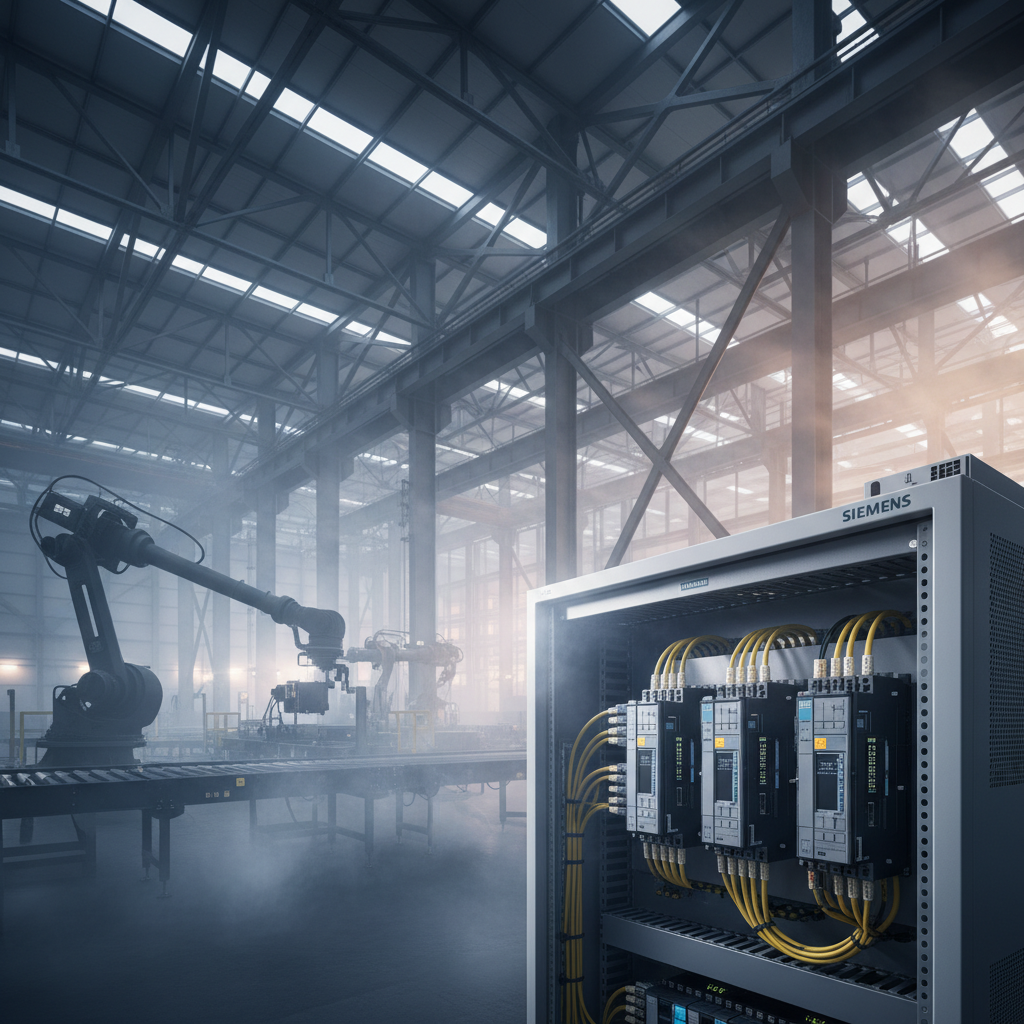
Many 5hp VFDs are built tough — with IP-rated enclosures safeguarding electronics from dust, moisture, and even temperature swings. This lets industrial plants in harsh environments keep running without constant VFD replacements or repairs.
2. Scalability and Compatibility
A 5hp drive can slot into a variety of systems. Whether retrofitting an older pump or designing new conveyor lines, these drives flexibly adapt to standardized motor sizes and protocols.
3. Cost Efficiency through Energy Savings
Slow down a motor when full speed isn’t needed and watch power bills drop. Many engineers report savings upward of 20-30% over traditional motor starters when using a variable frequency drive 5hp in continuous run applications.
4. User-Friendly Interface & Connectivity
Modern VFDs often include digital displays, USB ports, and even remote monitoring capabilities. This simplifies troubleshooting and integrates easily into wider industrial control systems.
5. Safety Features
Built-in protections like overcurrent, overvoltage, and thermal overload monitoring make 5hp drives safer, protecting both machines and personnel.
Summary: The main appeal of a variable frequency drive 5hp lies in its robustness, adaptability, savings potential, ease of use, and safety—all crucial for practical operation.Where On Earth Are Variable Frequency Drive 5hp Units Used? Real-World Applications
From sprawling industrial plants in Germany’s Ruhr region to water supply networks in Southeast Asia, variable frequency drives find homes everywhere. For example:
- Water Treatment Plants: VFDs control pump speeds to maintain consistent pressure and flow, cutting energy waste. Asia-Pacific has seen an uptick in VFD deployment due to urban water demand.
- HVAC Systems: Large buildings in North America use 5hp VFDs in fan motors to balance ventilation efficiently.
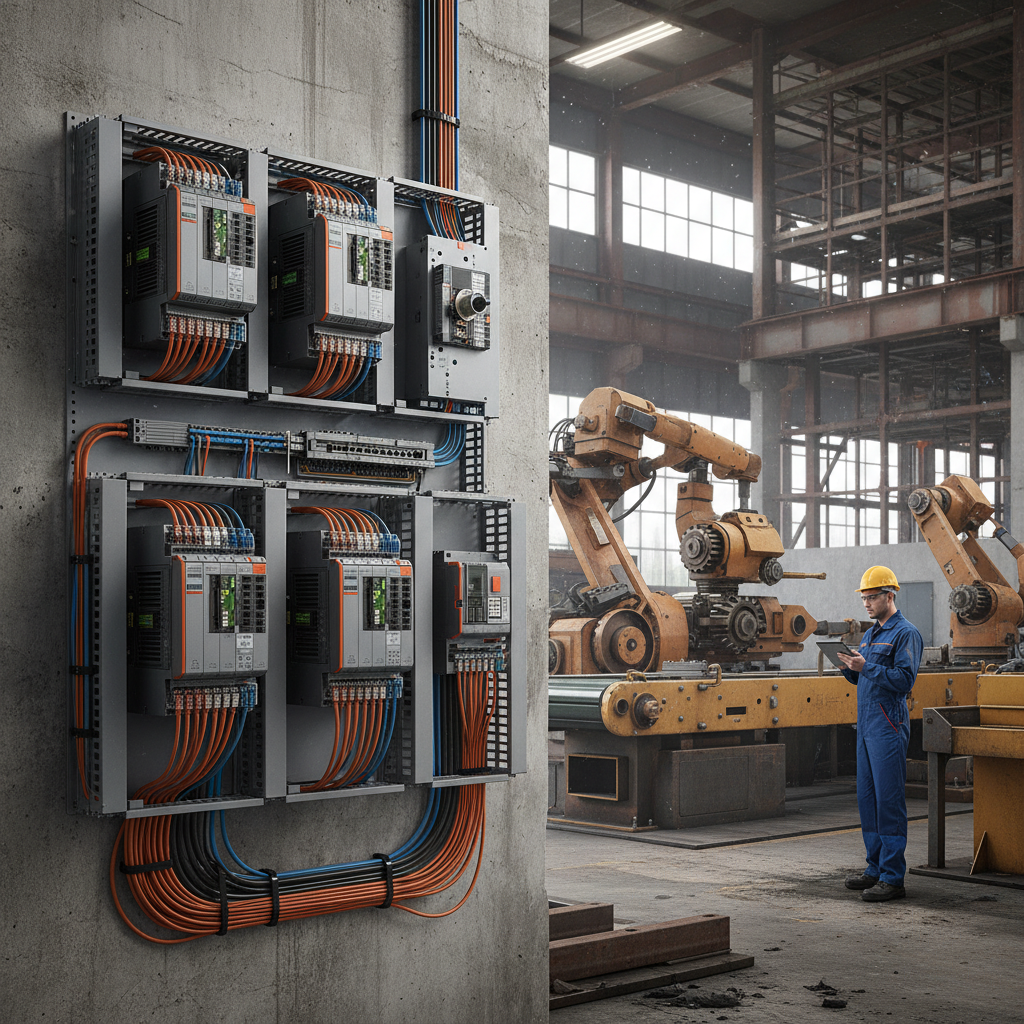
- Manufacturing Lines: Automotive factories in Mexico employ VFDs on conveyors to optimize speed for different assembly stages.
- Renewable Energy: Wind turbine pitch and yaw motors around 5hp sometimes use VFDs for fine control in challenging weather.
In post-disaster zones, mobile water pumps with 5hp VFDs have aided quick restoration of services, showing a nice intersection between tech and humanitarian aid.
Advantages & Long-Term Value of Investing in Variable Frequency Drive 5hp
Honestly, the benefits go beyond just “save some electricity.” Energy savings translate into lower operational costs and fewer greenhouse gas emissions — that checks both business and ethical boxes. Plus, smoother motor startups lengthen machine life, cutting maintenance costs and downtime. This reliability breeds trust — clients feel confident their systems won’t abruptly fail, which decades ago was a gamble. Emotionally, it means fewer headaches, safer workplaces, and a quieter hum where machines used to roar. Additionally, variable frequency drives lend themselves to digital integration, helping companies step boldly toward Industry 4.0.
Product Specification Snapshot: Typical Variable Frequency Drive 5hp
| Specification | Details |
|---|---|
| Power Rating | 5 Horsepower (3.7 kW) |
| Input Voltage | 230V or 460V AC (single or three-phase) |
| Output Frequency Range | 0–400 Hz |
| Control Modes | V/F Control, Vector Control |
| Protection Features | Overload, Short Circuit, Overvoltage |
| Communication Options | Modbus, CAN, Ethernet (varies) |
Picking the Right Variable Frequency Drive 5hp Vendor: A Quick Comparison
| Vendor | Key Strength | Typical Price Range (USD) | Support & Warranty |
|---|---|---|---|
| Tianjin Yongkai | Versatile customization, global reach | $450–$700 | 2 years, 24/7 technical support |
| Schneider Electric | Advanced control features, brand trust | $500–$850 | 3 years, global service network |
| Siemens | Highly reliable, integration-friendly | $600–$900 | 2 years, worldwide support |
| Delta Electronics | Cost-effective, easy installation | $400–$650 | 2 years, online resources |
What Does the Future Hold for Variable Frequency Drive 5hp Tech?
It’s a good time to be curious about this gear because the future’s twisting in some fascinating ways. Think smarter drives embedding AI algorithms to predict failures before they happen. Or integration with the Industrial Internet of Things (IIoT) — remote real-time monitoring, automatic optimization. Materials science is chipping in too, with more robust semiconductors improving efficiency and reducing heat. And with global decarbonization targets tightening, expect 5hp VFDs increasingly optimized for greener electric grids, including solar and wind-powered facilities. Frankly, if your next factory design doesn’t include these intelligent drives, it might feel a bit outdated.
Practical Challenges and How To Get Around Them
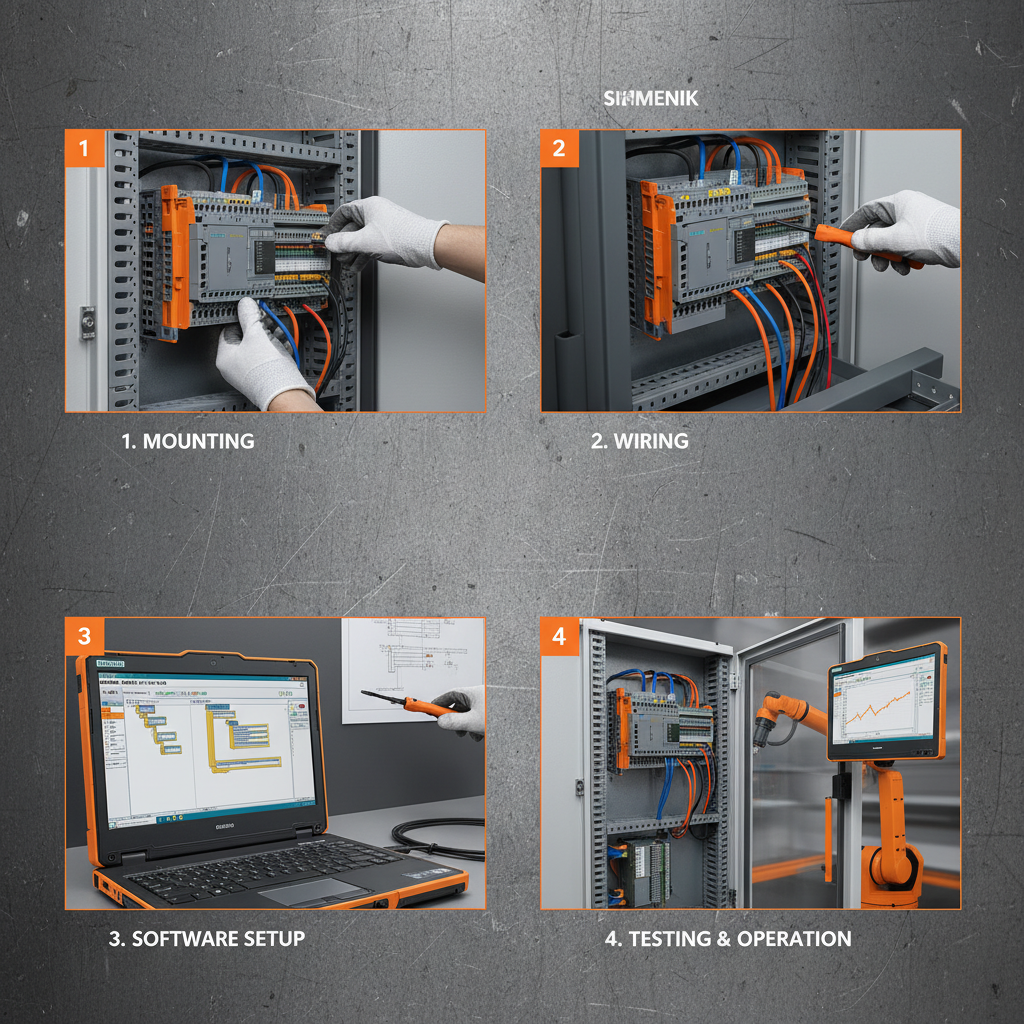
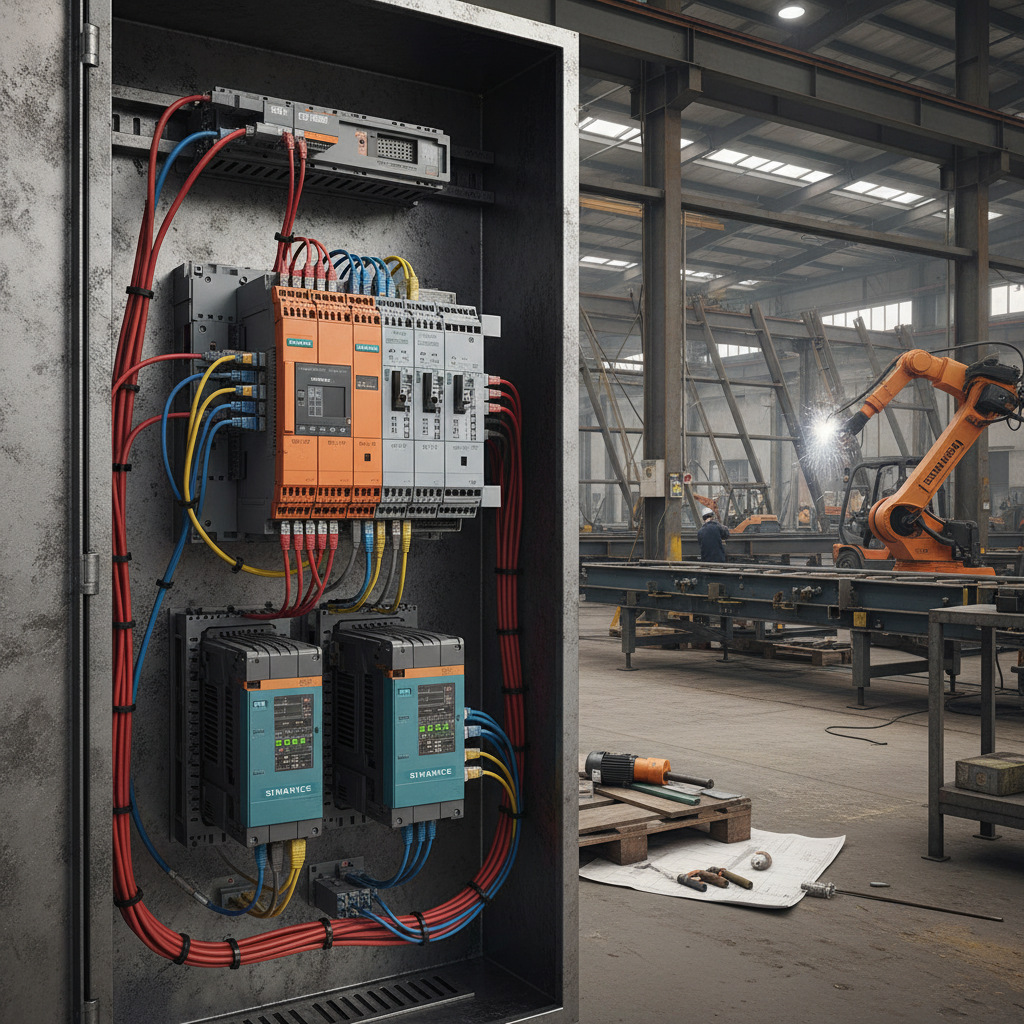
One common gripe? Initial installation costs and complexity can be intimidating for smaller outfits. Plus, poor programming or wiring might cause harm or inefficiency. That’s where expert consultation matters — good vendors (like variable frequency drive 5hp providers) often provide training and tuning services to get systems running smoothly. Another hurdle is electromagnetic interference (EMI), but modern drives with proper filters and shielding keep signals clean. Finally, maintenance — keeping firmware up to date and monitoring performance — is critical. Missing this usually causes more headaches than installation ever did.
FAQ: Frequently Asked Questions About Variable Frequency Drive 5hp
- Q: What industrial applications are most common for a 5hp variable frequency drive?
- A: Typically, 5hp VFDs run pumps, conveyors, HVAC fans, and compressors in small/medium industrial setups. These drives help adjust motor speeds based on demand, improving energy efficiency.
- Q: How much energy can I realistically save by installing a variable frequency drive 5hp?
- Energy savings vary depending on usage but generally fall between 20-30% by reducing unnecessary motor speed and power draw compared to traditional systems.
- Q: Is it difficult to replace a standard motor starter with a variable frequency drive?
- Installation requires electrical expertise and proper configuration, but many vendors offer plug-and-play models and technical support to ease the process.
- Q: Can variable frequency drives work with renewable energy-powered grids?
- Yes, modern VFDs are designed to integrate with renewable energy sources, helping optimize motor performance even when energy supply fluctuates.
- Q: What maintenance is required to keep a 5hp variable frequency drive in good shape?
- Regular inspections, cleaning, firmware updates, and monitoring of operating parameters are key to preventing downtime and maximizing lifespan.
Wrapping Up: Why Your Next Motor Control Upgrade Should Include a Variable Frequency Drive 5hp
The long and short of it is this: using a variable frequency drive 5hp represents an investment not just in a machine, but in your operation’s future. It pushes efficiency, supports global sustainability pledges, and offers real-world, tangible savings and durability benefits. Whether you’re retrofitting older industrial lines or engineering in new solutions, these drives bring flexibility and intelligence where blunt control previously reigned. So next time you face churning motors eating up power, think VFDs — you’ll thank yourself later.
For more detailed product info and consultation, visit our website: https://www.tianjinyongkai.com.
References: