VFD 1ph to 3ph Drives: Power Conversion for Modern Industry & Agriculture
Understanding VFD 1ph to 3ph: Why It Matters in Today’s Industrial World
If you’ve ever fiddled with electric motors or worked around industrial machinery, the phrase vfd 1ph to 3ph might ring a bell — or maybe not yet. Essentially, it refers to a Variable Frequency Drive (VFD) that converts a single-phase (1ph) power supply into a three-phase (3ph) output. This little device packs a punch by enabling industries and households alike to run three-phase motors, even when three-phase power isn’t locally available. That’s a game changer worldwide, since many places rely on single-phase due to infrastructure limits, yet demand powerful three-phase motors for pumps, conveyors, and compressors.
Understanding vfd 1ph to 3ph can unlock versatility and energy efficiency across manufacturing lines, construction sites, and even remote agricultural setups. Plus, it offers cost savings — you skip the expensive three-phase line installation but still get the juice a three-phase motor needs. Globally, this bridges gaps in energy access and helps modernize equipment with fewer headaches. So don’t underestimate this tech — it turns what could be an infrastructure problem into a practical solution.
Global Context: Why Is VFD 1ph to 3ph So Relevant?
Globally, electrical infrastructure varies a lot. According to the International Energy Agency, roughly 70% of households in developing nations rely on single-phase power. Yet, industries growing in those regions need three-phase power machines to boost productivity and efficiency. Here’s the rub — installing three-phase lines can cost thousands and take months, often simply not feasible in rural or rapidly expanding industrial zones.
Interestingly, the UN’s Sustainable Energy for All initiative emphasizes affordable and clean energy access, highlighting how electrical innovations — like VFDs — offer “leapfrogging” tech. That means regions can skip cumbersome steps and go straight for modern, efficient solutions. So from Southeast Asia to Africa and Latin America, vfd 1ph to 3ph devices help bridge that gap, enabling manufacturers, farmers, and developers to modernize without waiting years for grid upgrades.
Straight Talk: What Does VFD 1ph to 3ph Mean?
At its core, a VFD (Variable Frequency Drive) controls the speed and torque of an electric motor by varying the motor’s input frequency and voltage. Now, single-phase power means just one alternating current cycle with a sine wave. Three-phase power means three alternating currents offset by 120 degrees, which creates smoother, more continuous power flow for motors.
So the VFD converts incoming single-phase AC power into DC, then inverts it back into three-phase AC power with adjustable frequency — letting you run a three-phase motor on single-phase supply. That’s crucial because three-phase motors tend to be more efficient, reliable, and powerful, making them industrial staples.
Why does it connect to humanitarian or industrial needs? Because in many places, you simply don’t have three-phase power lines yet. But you might have single-phase from a nearby transformer or even a generator. This device unlocks the full potential of your equipment without rewiring the entire electrical system.
Key Aspects of VFD 1ph to 3ph Technology
1. Durability and Build Quality
Having used quite a few VFDs myself, I noticed heavier-duty models come with better heat dissipation and rugged casing, essential for dusty or hot industrial environments. The last thing you want is a device shutting down mid-operation.
2. Scalability and Flexibility
VFDs often come in a range of power ratings — from small fractional horsepower units to many kilowatts — making it simple to pick one that fits your motor's specs exactly. Plus, many have programmable features, so you can tweak acceleration, deceleration, and torque.
3. Efficiency and Energy Saving
Variable frequency drives inherently reduce energy waste because the motor only runs as fast as needed. Converting from 1ph to 3ph doesn’t sacrifice this benefit and often improves it by letting you use premium motors that are designed for three-phase power.
4. Installation and Cost
Compared to trenching and running a three-phase line, installing a VFD to convert single-phase input is vastly cheaper — and typically plug-and-play. This lowers upfront costs and technical barriers, especially in remote or temporary sites.
5. Compatibility and Control Features
Modern VFDs support digital communications for industrial automation protocols, from Modbus to Ethernet/IP, enabling integration with SCADA and other control systems. This opens doors for remote monitoring and predictive maintenance.
Where Are VFD 1ph to 3ph Drives Making a Difference?
Real talk: these drives are everywhere you might not expect. In remote industrial zones like mining camps in Australia or logging sites in Canada, they let heavy-duty three-phase motors run on limited infrastructure. Agricultural irrigation in sub-Saharan Africa often depends on single-phase rural grids, but farmers still need three-phase pumps — enter the VFD.
Even in disaster relief operations, generators feeding single-phase power can be stretched to supply water pumping stations or critical climate control systems using VFD 1ph to 3ph units — ensuring essential services keep running.
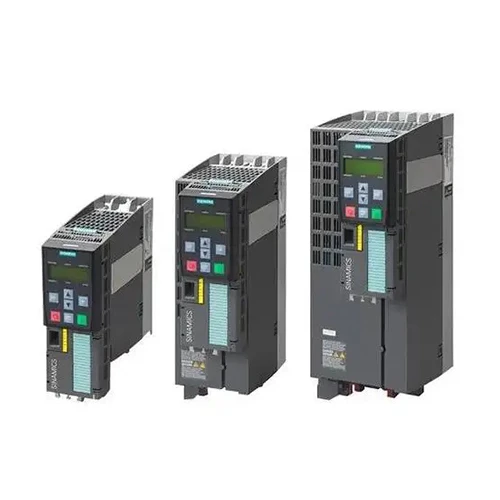
Industries including HVAC, manufacturing, textiles, and food processing also rely heavily on this technology — with vendors like Siemens and ABB serving these markets globally.
Product Specifications at a Glance
| Specification | Typical Range | Notes |
|---|---|---|
| Input Voltage | 110V - 240V AC (Single-phase) | Common residential/commercial ranges |
| Output Voltage | 3 x 110V - 240V AC (Three-phase) | Matched to motor specs |
| Power Rating | 0.5 HP to 10 HP (higher on request) | Varies by model |
| Frequency Range | 0-400 Hz | Allows speed control |
| Control Interface | Keypad + PLC communication (Modbus, Ethernet) | Supports automation |
| Operating Temperature | -10°C to 50°C | Suitable for most environments |
How Do Major Vendors Stack Up?
| Vendor | Price Range (USD) | Key Features | Support & Warranty |
|---|---|---|---|
| ABB | $500 - $2000 | Robust, energy efficient, advanced automation | 3 years, global service network |
| Siemens | $600 - $2200 | Highly customizable, excellent diagnostics | 2 years, extensive global support |
| Delta Electronics | $350 - $1500 | Cost-effective, energy-saving modes | 1.5 years, Asia-Pacific focus |
| TianJin YongKai | $400 - $1800 | Reliable build, good local customization, vfd 1ph to 3ph expert | 2 years, specialized customer support |
Pros and Cons: Why You Should Consider VFD 1ph to 3ph
- Advantages: Energy savings, cost efficiency over infrastructure upgrade, scalable sizes, and improved motor control.
- Emotional benefits: Relieves stress over power shortage; supports local businesses; fuels innovation at the grassroots.
- Challenges: Some models may create harmonic distortion; installation requires knowledgeable electricians; initial learning curve.
- Solutions: Using proper filters and certified installers mitigates issues; ongoing vendor support smooths integration.
What Does the Future Hold for VFD 1ph to 3ph?
Green tech and digital connectivity shape the horizon. Next-gen VFDs are incorporating regenerative braking and advanced IoT integration — allowing predictive maintenance and better grid interaction. For remote setups running on renewables, VFDs will become even smarter at managing fluctuating input power. As worldwide standards like ISO 50001 push for energy efficiency, these drives will be key players in sustainability.
FAQ: Your Top Questions on VFD 1ph to 3ph
Q1: Can I use any VFD to convert single-phase to three-phase?
A: Not exactly. VFDs must be rated for single-phase input and three-phase output with correct power capacity matching your motor. Using the wrong type risks damage or poor performance.
Q2: Are VFD 1ph to 3ph drives energy efficient?
A: Yes! They often boost energy efficiency by allowing precise motor speed control, minimizing wasted power, and improving motor lifetime compared to direct-on-line starters.
Q3: How difficult is installation?
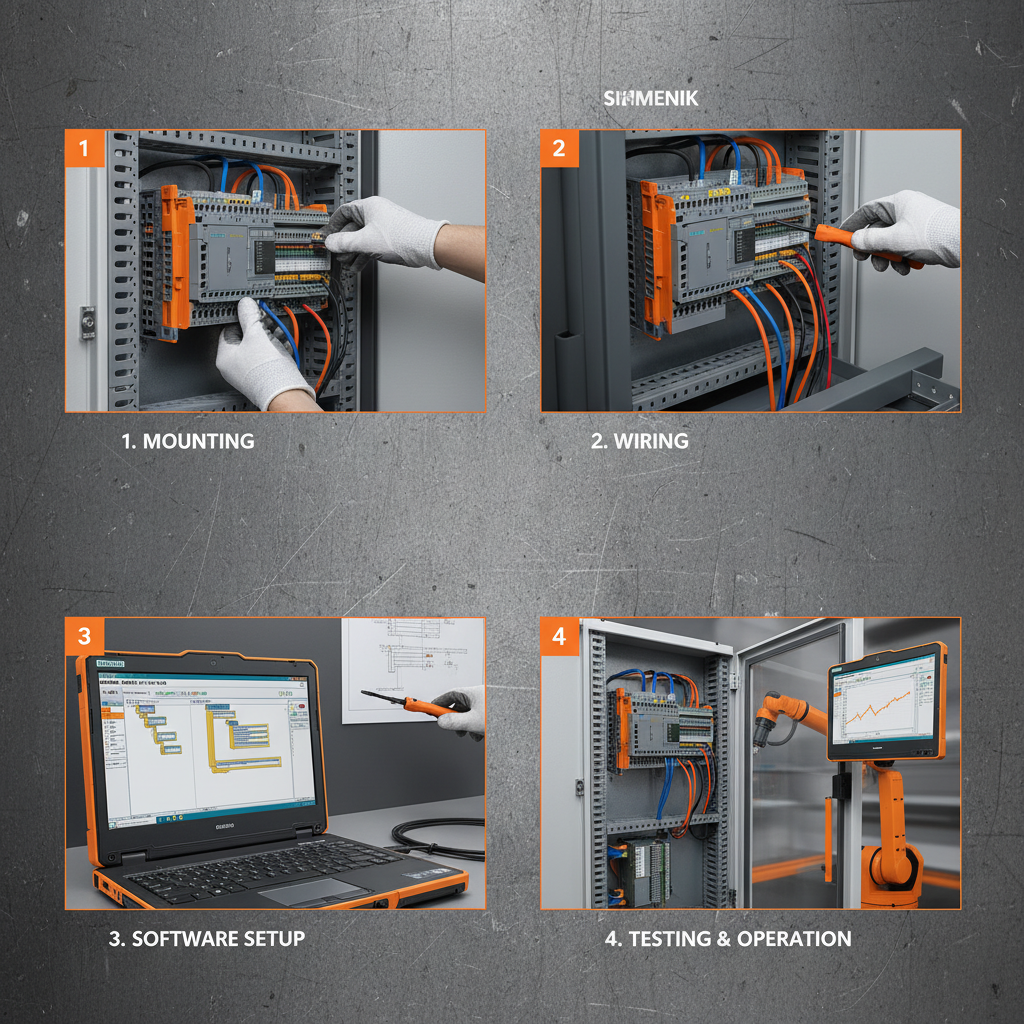
A: Installation can be straightforward if done by a qualified electrician. Proper grounding, wiring, and settings configuration is key to smooth operation and safety.
Q4: Can these drives handle outdoor environments?
A: Many are designed with industrial-grade enclosures, rated for dust and moisture. However, for harsh outdoor settings, additional protection like NEMA-rated boxes may be required.
Q5: Where can I find reliable vendors for VFD 1ph to 3ph?
A: Established brands like ABB, Siemens, Delta, and TianJin YongKai are known for quality and support. Evaluate warranty and local service options before purchase.
Wrapping It Up: Why VFD 1ph to 3ph Changes the Power Game
In a nutshell, VFD 1ph to 3ph drives are practical heroes for the industrial and agricultural sectors, especially where full three-phase power is just a dream. The ability to convert power types flexibly reduces costs and expedites equipment modernization globally. If you’re looking for ways to optimize machines, improve reliability, and save energy — honestly, it’s hard to beat these drives.
For sustained growth and energy efficiency, investing in quality vfd 1ph to 3ph technology is a smart call — especially if you care about sustainability and uptime. Take a look around the market, and maybe your next upgrade will be powered not just by electricity, but by innovation.