What Vfd Is Used For: Benefits, Cost & Market Trends | Tianjin Yongkai
Vfd Is Used For is a key solution in the industry, specifically within industrial automation and motor control sectors. This article explores how https://www.tianjinyongkai.com supports professionals with durable, high-performance products, and explains why this product is an ideal choice for businesses in these sectors.
Table of Contents
- Vfd Is Used For Overview
- Benefits & Use Cases of Vfd Is Used For
- Cost, Maintenance & User Experience
- Sustainability & Market Trends
Vfd Is Used For Overview
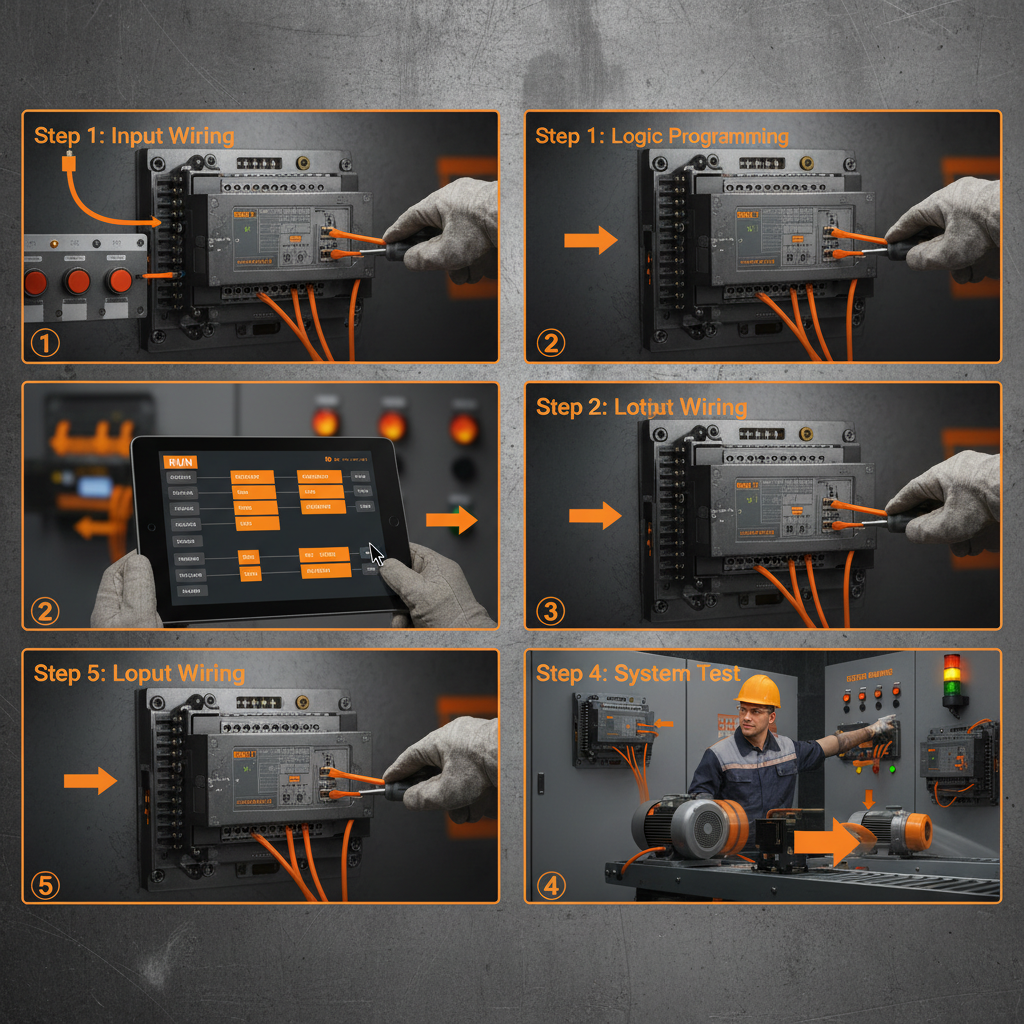
To put it simply, a Variable Frequency Drive (VFD) adjusts the speed of an electric motor by controlling the frequency and voltage of its power supply. Why does this matter? Well, many industrial machines need precise speed control rather than just “on” or “off” states. Frankly, it’s a game-changer. From conveyor belts to pumps and HVAC systems, VFDs allow for energy savings and improved process control.
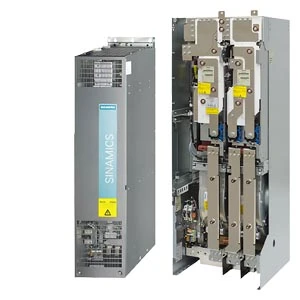
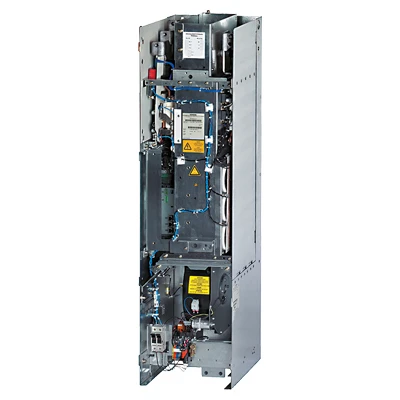
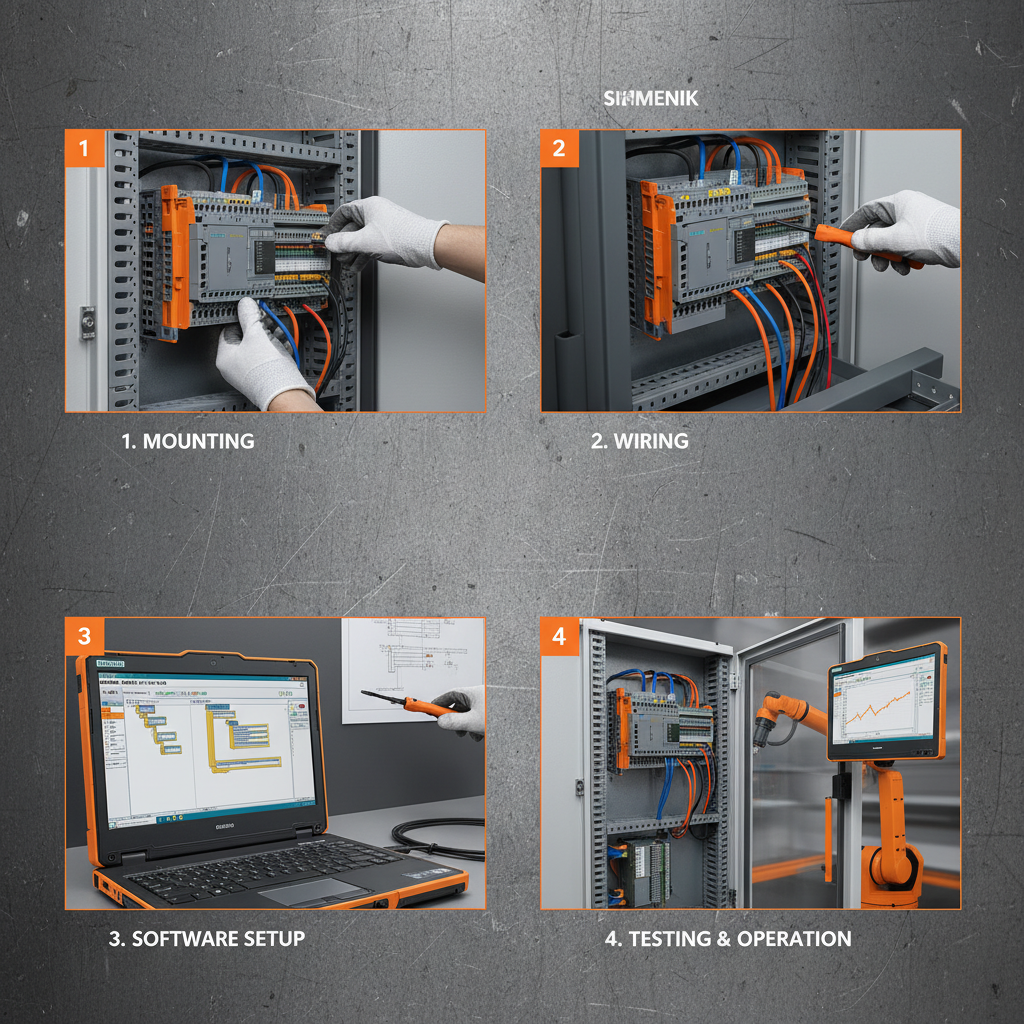
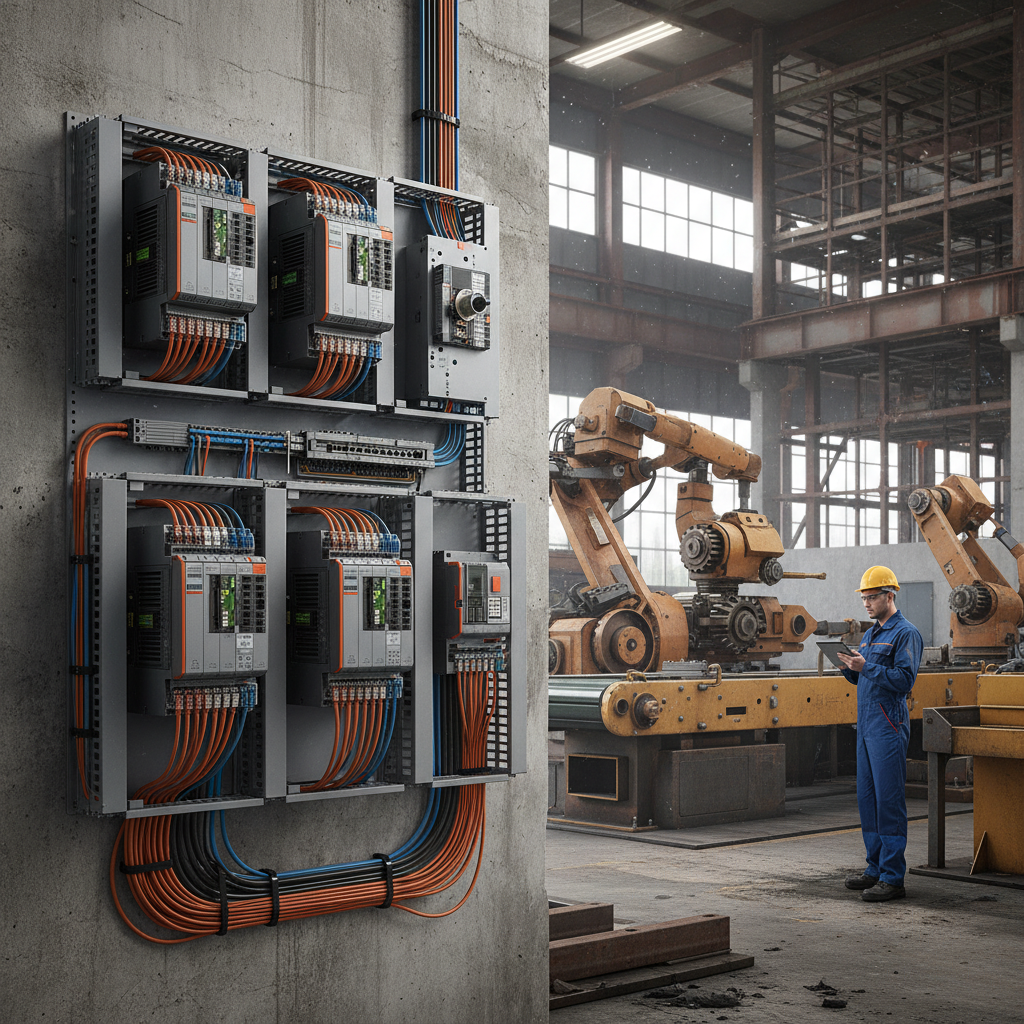
At Tianjin Yongkai, the products are designed with robustness in mind: dust-proof enclosures, advanced cooling methods, and modular designs that simplify maintenance. For example, their popular model YK-D350 supports input voltages from 380V to 480V, with 5.5 kW power output – perfect for medium-sized industrial applications.
| Specification | Details |
|---|---|
| Model | YK-D350 |
| Power Output | 5.5 kW |
| Input Voltage | 380V - 480V AC |
| Output Frequency | 0 - 400 Hz |
| Cooling Method | Forced Air Cooling |
Benefits & Use Cases of Vfd Is Used For
You might wonder, “So, VFD, why bother?” Well, it’s mostly about energy efficiency and control. Industries such as manufacturing, water treatment plants, and mining rely heavily on VFDs to optimize motor speeds, save on power consumption, and extend equipment life. For example, in a water pump application, the VFD adjusts flow rate precisely instead of running at full throttle constantly. That change often results in energy reductions of 30% or more.
Beyond energy savings, VFDs from Tianjin Yongkai boast features like overload protection, real-time monitoring, and user-friendly interfaces. Oddly enough, many engineers tell me these VFDs are easier to integrate into existing setups due to their flexible communication protocols (Modbus, CANopen, Profibus). These little details make a big difference in live industrial environments where downtime is expensive.
Cost, Maintenance & User Experience
Of course, no decision-maker can overlook the cost and upkeep aspects. Upfront, VFDs may seem pricier than traditional starters, but factoring in energy savings and longer motor life flips the equation. I’ve noticed customers often report a return on investment within 1-2 years. Maintenance is fairly straightforward too – modular components mean quicker repairs, and diagnostics help foresee failures.
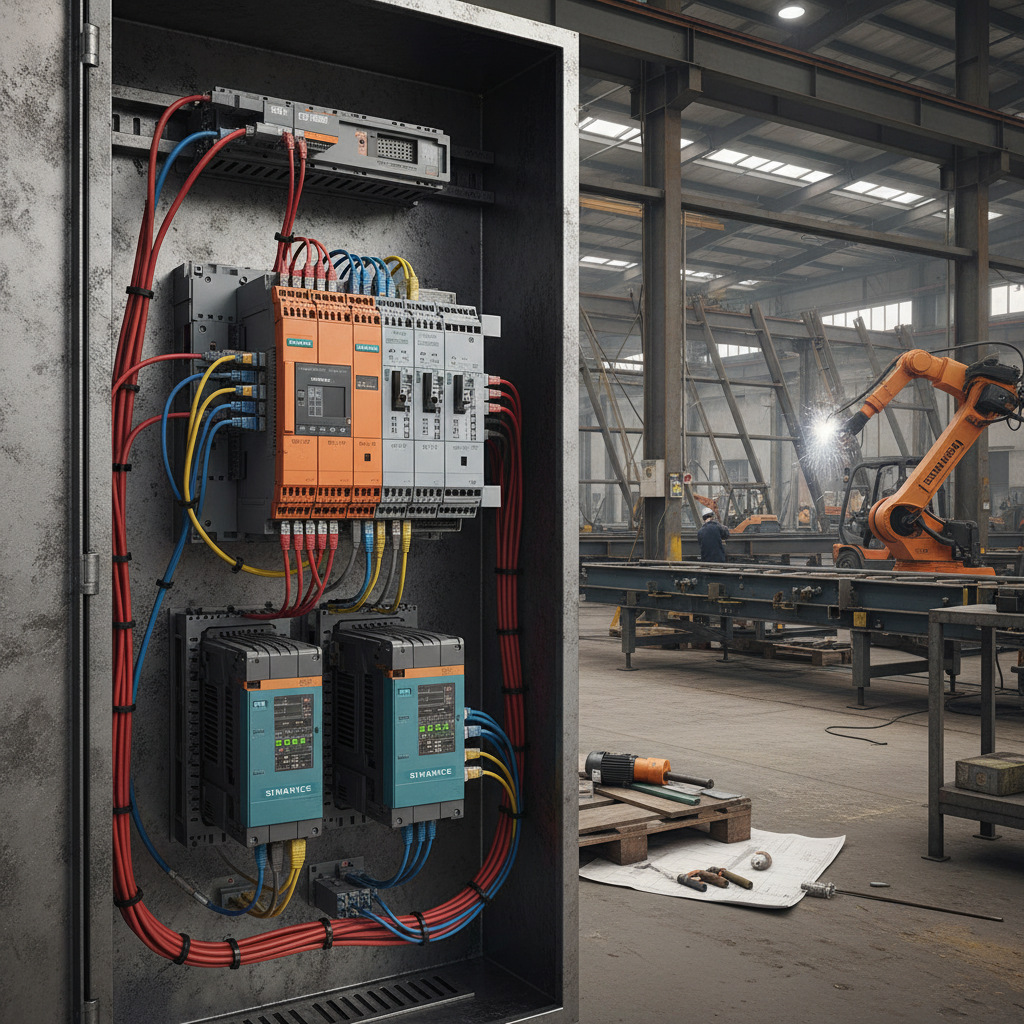
Feedback from users in heavy industry highlights the dependability of products at Tianjin Yongkai. For instance, a steel fabrication plant I spoke with praised the reduced downtime attributed to the device’s ruggedness and thermal protections. All in all, it feels like this isn’t just a product, but part of their operational backbone.
| Vendor | Price Range | Key Strength | Maintenance Ease |
|---|---|---|---|
| Tianjin Yongkai | $$ | Rugged design & flexible protocols | High |
| Vendor B | $$$ | Advanced AI diagnostics | Medium |
| Vendor C | $ | Low-cost entry level | Low |
Sustainability & Market Trends
The push towards greener industry practices has made VFDs an essential element in compliance with stricter energy regulations worldwide. Oddly enough, it’s less about just cutting power costs and more about reducing carbon footprints — every percentage point of energy efficiency counts. This aligns perfectly with what Tianjin Yongkai offers: durable, efficient drives designed for long-term sustainability.
Market trends also point towards increased integration with smart factory systems — IoT connectivity, predictive maintenance, and remote operation. Companies adopting VFD technology now position themselves more competitively for future automation growth. In real terms, choosing the right VFD today shapes the next decade of your operation’s agility.
Frequently Asked Questions about Vfd Is Used For
- What is Vfd Is Used For and how does it work?
- VFD, or Variable Frequency Drive, is used for regulating the speed of electric motors by varying the frequency and voltage supplied. This allows machines to operate more efficiently by running at optimal speeds rather than full speed all the time.
- What are the main benefits of using Vfd Is Used For in industrial applications?
- Key advantages include significant energy savings, reduced mechanical stress on motors, enhanced process control, and lower maintenance costs due to smoother operation.
- How does Vfd Is Used For compare to traditional alternatives?
- Unlike traditional fixed-speed starters, VFDs offer variable motor speed, which greatly improves efficiency and adaptation to load changes. They often provide better protection features and are more customizable to different industrial needs.
- What industries can benefit most from Vfd Is Used For implementation?
- Industries such as manufacturing, water and wastewater treatment, oil and gas, mining, and HVAC extensively benefit from VFDs for motor-driven equipment, ensuring optimized energy use and operational flexibility.
Conclusion on Vfd Is Used For from china
To wrap up, Vfd Is Used For by Tianjin Yongkai represents a practical, efficient, and sustainable choice for industrial motor control. Their robust product designs, feature-rich options, and proven track record make them a trustworthy partner for B2B buyers aiming to optimize energy consumption and system reliability. If you’re weighing options for upgrading or building new motor-driven systems, I’d say their solutions are definitely worth exploring.
- Recap the value of Vfd Is Used For.
- - Visit our website: https://www.tianjinyongkai.com
Reflecting on the evolving industrial landscape, it feels clear that devices like VFDs are no longer just conveniences—they’re critical drivers of modernization and sustainability. For decision-makers looking for longevity and performance, the kind of craftsmanship seen at Tianjin Yongkai is the kind of investment that pays dividends down the road.