Central Processing Unit (CPU): Types, Uses, and What Affects the Price
At the heart of every computing device lies the central processing unit, or CPU — often referred to as the “brain” of the computer. It performs the fundamental tasks that make all modern technology work, from smartphones and laptops to servers and supercomputers.
If you're looking to understand central processing unit types, compare central processing unit prices, or learn more about central processing unit uses, this guide covers all the essentials — whether you're a buyer, system builder, or tech enthusiast.
What Is a Central Processing Unit?
A central processing unit (CPU) is a microchip that executes instructions for performing basic arithmetic, logic, control, and input/output operations in a computer. Every task — from opening a file to running a video game — passes through the CPU in some way.
Core responsibilities:
Fetching and interpreting instructions from memory
Performing calculations and logic operations
Managing communication between system components
Controlling program flow
Central Processing Unit Types
There are various central processing unit types, each tailored for different performance levels and applications. Here are the main categories:
1. Single-Core CPU
One processing core
Only one task handled at a time
Outdated, rarely used today
✅ Suitable for: Legacy systems or very basic computing
2. Dual-Core / Quad-Core / Multi-Core CPU
Two, four, or more cores on one chip
Can handle multiple tasks simultaneously (multithreading)
Most modern desktops, laptops, and mobile devices use multi-core CPUs
✅ Suitable for: Everyday computing, multitasking, gaming, content creation
3. Server/Workstation CPUs
High core counts (8–64+ cores)
Advanced memory management, higher cache
Supports virtualization and massive workloads
✅ Suitable for: Data centers, servers, AI training, scientific computing
4. Mobile CPUs
Power-efficient chips for laptops, tablets, and smartphones
Often integrated with GPU and other components (SoCs)
✅ Suitable for: Portable devices with battery constraints
5. Embedded CPUs
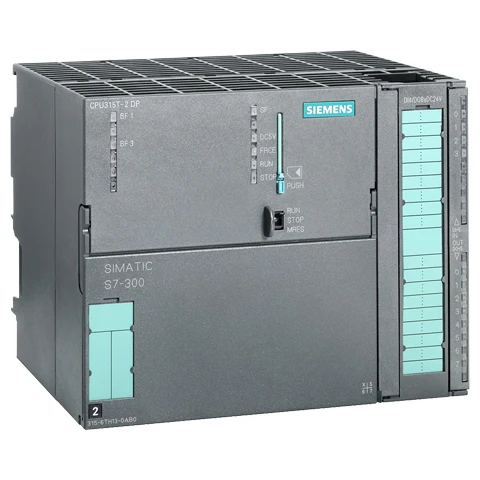
Designed for use in appliances, industrial machines, or automotive systems
Often part of a microcontroller (MCU)
✅ Suitable for: IoT devices, smart home tech, and robotics
Central Processing Unit Uses
The central processing unit plays a vital role across all areas of computing. Here’s a look at its key uses:
|
Приложение |
CPU Role |
|
Personal Computing |
Running OS, applications, multitasking, gaming |
|
Business/Office Work |
Handling productivity tools like Excel, email, and browser tabs |
|
Servers |
Managing databases, hosting websites, handling network traffic |
|
Gaming |
Processing AI, physics, and core game mechanics alongside the GPU |
|
Scientific Computing |
Running simulations, modeling data, performing large-scale analytics |
|
Mobile Devices |
Powering apps, voice control, navigation, and communication |
|
Embedded Systems |
Managing sensors, controls, and real-time operations in smart devices |
From gaming rigs to cloud servers and industrial control panels, central processing unit uses are virtually limitless.
Central Processing Unit Price: What Determines It?
The central processing unit price can range from under $50 to over $5,000 depending on specs and purpose.
Key price factors:
|
Factor |
How It Affects Price |
|
Core Count & Threads |
More cores = better multitasking = higher price |
|
Clock Speed |
Measured in GHz; faster CPUs generally cost more |
|
Cache Size |
Larger L1/L2/L3 cache increases responsiveness |
|
Manufacturing Process |
Smaller nanometer tech (e.g. 5nm vs. 14nm) = better efficiency and cost |
|
Integrated Graphics |
CPUs with built-in GPU typically cost more |
|
Socket Compatibility |
Newer sockets may require new motherboards and RAM |
|
Brand & Model |
Intel Core i9 and AMD Ryzen 9 cost significantly more than entry-level CPUs |
Typical CPU Price Ranges (USD)
|
CPU Type |
Price Range |
|
Entry-level (dual-core) |
$40 – $100 |
|
Mid-range (quad/six-core) |
$120 – $300 |
|
High-performance (8–16 cores) |
$350 – $700 |
|
Server CPUs (Xeon, EPYC) |
$600 – $5,000+ |
|
Mobile CPUs (OEM SoCs) |
Typically bundled in devices |
Prices fluctuate based on demand, chip shortages, and release cycles — especially in the gaming and server markets.
Where to Buy Central Processing Units
If you're in the market for a central processing unit for sale, consider:
Authorized retailers
OEM partners
Direct from brands
Global distributors
IT hardware resellers
When sourcing in bulk or for commercial builds, ask for:
Processor specs sheet
Warranty coverage
Batch numbers
Thermal performance data (TDP)
Central Processing Unit FAQs
Q1: What’s more important — core count or clock speed?
A: It depends. More cores help with multitasking and parallel workloads. Higher clock speed boosts performance in single-threaded tasks like gaming.
Q2: Can I upgrade just the CPU on a laptop?
A: Usually not. Most laptop CPUs are soldered to the motherboard and non-replaceable.
Q3: Which CPU brand is better — Intel or AMD?
A: Both have strengths. AMD generally offers better value in multi-core workloads. Intel often leads in gaming and single-core performance.
Q4: Do I need a separate GPU with my CPU?
A: Not always. Many CPUs include integrated graphics (especially Intel’s Core i5/i7 and AMD’s Ryzen APUs).
Q5: How long does a CPU typically last?
A: 5–10 years or more if properly cooled and not overclocked. But obsolescence comes faster in high-performance environments.
Whether you’re building a gaming PC, upgrading your workstation, or sourcing processors for industrial hardware, understanding central processing unit types, performance specs, and pricing helps you make smarter tech decisions.
Look for central processing unit for sale from trusted sources, compare specs based on your application, and consider long-term scalability if you're building systems in bulk.