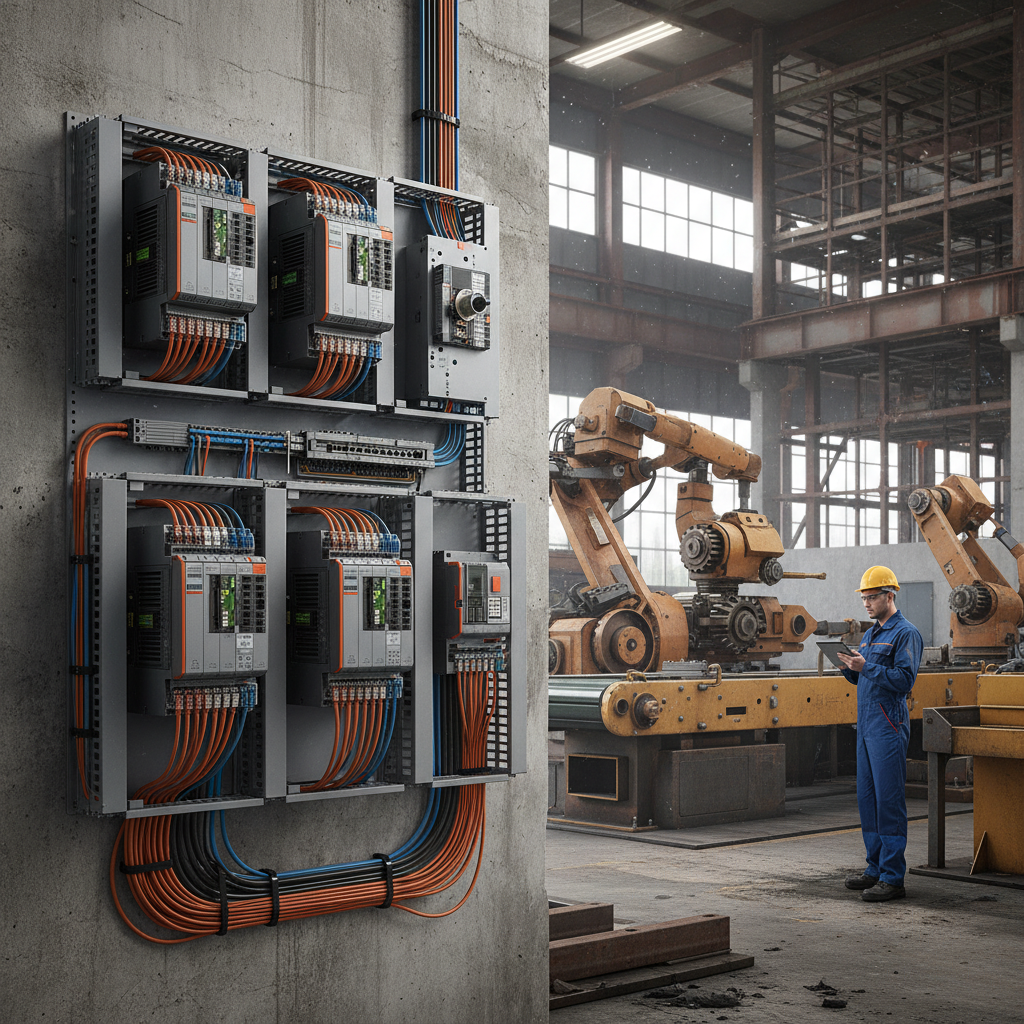
Comprehensive Guide to freq drive – Benefits, Uses & Future Trends
Understanding freq drive: Why It Matters in Today's Industrial Landscape
If you’ve ever fiddled with machinery or controlled industrial equipment, chances are you’ve come across the term freq drive — a shorthand for frequency drive or variable frequency drive (VFD). But what exactly is a freq drive? And why is it becoming a cornerstone in global industries ranging from manufacturing to water treatment?
At its core, a freq drive adjusts the speed and torque of an electric motor by varying the supply frequency and voltage. This simple principle underpins incredible energy savings, equipment longevity, and operational precision. When you zoom out, freq drives aren’t just nifty gadgets; they’re pivotal in pushing industries toward sustainability goals, cutting down emissions, and managing costs better.
As global industries strive for smarter, greener, and more adaptive processes, understanding and integrating freq drives can’t be treated as optional anymore — it’s a pressing necessity.
The Global Context: Why freq drives Are a Game Changer
Industrial motors consume nearly 45% of global electricity (according to the International Energy Agency). Without smart control systems like freq drives, countless watts—and dollars—go to waste. The World Bank and the UN emphasize energy efficiency as a crucial lever for sustainable development, especially in emerging economies where older motors still run at full speed regardless of load.
Imagine a huge pump system running non-stop at full throttle when only half capacity is needed. That’s where a freq drive steps in, throttling speed down intelligently and saving up to 50% of energy costs in some cases. The ripple effect? Reduced greenhouse gas emissions, longer equipment life, and smarter workflows.
Nevertheless, implementing freq drives globally isn’t without hurdles—particularly in remote areas or older plants with legacy systems.
What Exactly Is a freq drive?
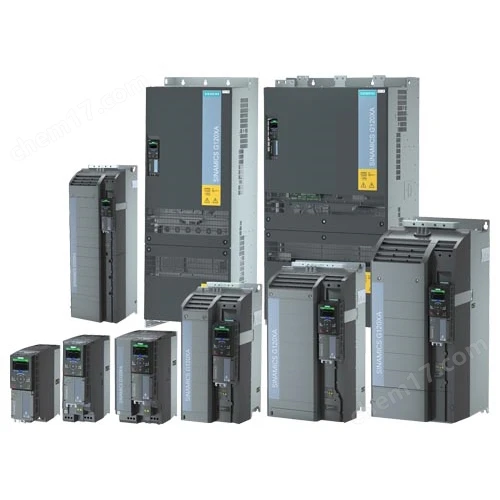
Simply put, a freq drive is an electronic device that controls motor speed by changing the frequency of the electric power supplied. Normally, motors run at a fixed speed matching the power supply frequency (like 50 or 60 Hz). With a freq drive, you have variable frequency, which means variable speed.
They're widely used in applications such as conveyor belts, fans, pumps, HVAC systems, and more. This adaptability ensures motors only work as hard as needed, translating to lower wear-and-tear and energy waste.
Interestingly, beyond industrial plants, freq drives also support humanitarian and infrastructure projects by enabling reliable, efficient solutions with flexible control — from water pumping in drought-prone regions to ventilation in hospitals.
4 Key Factors Defining a High-Quality freq drive
1. Durability and Build Quality
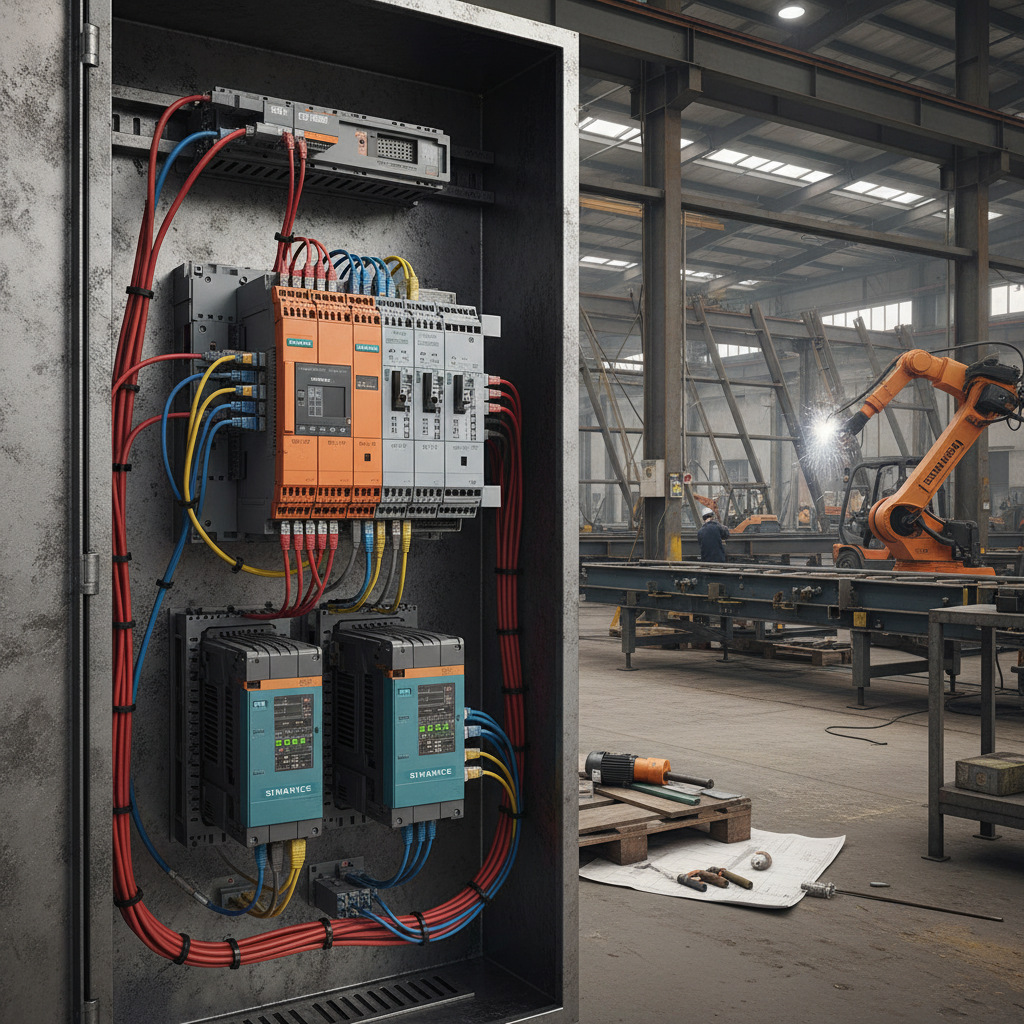
Freq drives often operate in hostile environments—think high dust, moisture, or extreme temperatures. Robust enclosures, industrial-grade components, and protective coatings make or break the longevity of these devices.
2. Scalability and Compatibility
One freq drive won’t fit all jobs. A small HVAC application requires different specs from a heavy-duty mining conveyor. Modern freq drives now support modular upgrades, communication protocols like Modbus or PROFIBUS, and easy integration with other equipment.
3. Energy Efficiency & Controls
High-end freq drives come with advanced algorithms for minimizing energy use without compromising performance. Features like regenerative braking and power factor correction can boost overall system efficiency.
4. Cost and Maintenance
Industrial buyers juggle upfront capital, operating expenses, and downtime risks. A freq drive with intuitive diagnostics, easy access for repairs, and programmable maintenance cycles can significantly lower lifetime expenses.
Mini takeaway: The best freq drives balance ruggedness with smart tech to maximize ROI and reliability.
Global Applications: Real-Life freq drive Use Cases
From sprawling manufacturing hubs in Germany, to remote mining sites in Chile, freq drives are quietly working their magic.
- Water management in India: Pumps equipped with freq drives adjust flow to meet actual demand, preventing waste in scarce regions.
- Automotive plants in the USA: Conveyor systems rely on freq drives for precise speed control, boosting throughput without energy surges.
- Post-disaster relief operations: Mobile generators equipped with freq drives ensure stable power delivery for medical equipment and shelters.
- Greenhouses in the Netherlands: Ventilation and irrigation systems optimize plant health and energy usage with variable speed drives.
Mini takeaway: No matter the region or industry, freq drives improve control and cut costs.
Dissecting a Typical freq drive: Specification Table
| Specification | Details |
|---|---|
| Input Voltage | 380-480 VAC, 3-phase |
| Output Frequency Range | 0.1 Hz to 400 Hz |
| Power Ratings | 0.5 kW up to 500 kW |
| Control Method | V/F control, Sensorless vector, Closed-loop vector |
| Communication Protocols | Modbus TCP, PROFIBUS, CANopen |
| Ambient Temperature Range | -10°C to +50°C |
Vendor Comparison: What to Look For When Choosing a freq drive Supplier
| Vendor | Product Range (kW) | Key Features | Global Support | Typical Pricing |
|---|---|---|---|---|
| DriveTech Solutions | 0.5 - 300 kW | Modular design, Energy recovery options | North America, Europe, Asia | Mid-range |
| VoltGuard Inc. | 1 - 500 kW | Advanced diagnostics, Cloud monitoring | Global | Premium |
| EcoDrive Ltd. | 0.75 - 150 kW | Eco-certified, Low harmonic distortion | Europe, South America | Budget-friendly |
Why Businesses Keep Choosing freq drives: Advantages & Long-Term Benefits
One can’t help but be impressed by the tangible perks freq drives bring along. The most obvious one is cost savings — operators report up to 50% reductions in energy use. But there’s more subtle value too: improved process control means machinery reacts faster to demand, lowering mechanical stress and downtime.
From an emotional angle, freq drives help create safer environments. Machines that operate smoothly reduce accident risks and help maintain working dignity, especially in harsh conditions. Trust builds too; clients and operators know they can rely on systems that ‘think’ and adapt intelligently.
The sustainability quotient is significant. By curbing needless energy expenditure, freq drives contribute directly to global climate targets. For industries facing tough environmental regulations or emissions trading schemes, this tech is a must-have.
Looking Ahead: The Future of freq drives
The freq drive’s evolution isn’t slowing. Industry insiders highlight trends like integration with IoT sensors, AI-driven predictive maintenance, and even greener materials. Some manufacturers are developing freq drives optimized for renewable energy applications — like solar-powered desalination plants — marrying traditional tech with cutting-edge sustainability.
Digitalization is a huge factor. Imagine a factory floor where every freq drive is connected online, streaming real-time performance data that engineers analyze remotely. It already happens, but expect it to become the norm.
This future fusion of intelligence, efficiency, and green tech makes me optimistic about the role freq drives play in tomorrow’s smart factories and infrastructure.
Challenges & Ingenious Solutions
Of course, freq drives come with caveats. Compatibility issues with older motors, initial investment costs, and the need for skilled staff to maintain these systems are common sticking points. In regions with unreliable power grids, voltage fluctuations can damage drives without proper protections.
To tackle these, some vendors now offer hybrid retrofit kits that revamp legacy systems gradually. Training programs and digital troubleshooting tools are more widespread. Plus, innovations in protective components make freq drives more rugged.
FAQ: Common Questions About freq drive
- What industries benefit most from freq drives?
- Industries like manufacturing, water treatment, HVAC, agriculture, and mining see huge gains. Any application involving variable loads and motor-driven processes can cut costs and improve control with freq drives.
- Are freq drives complicated to install?
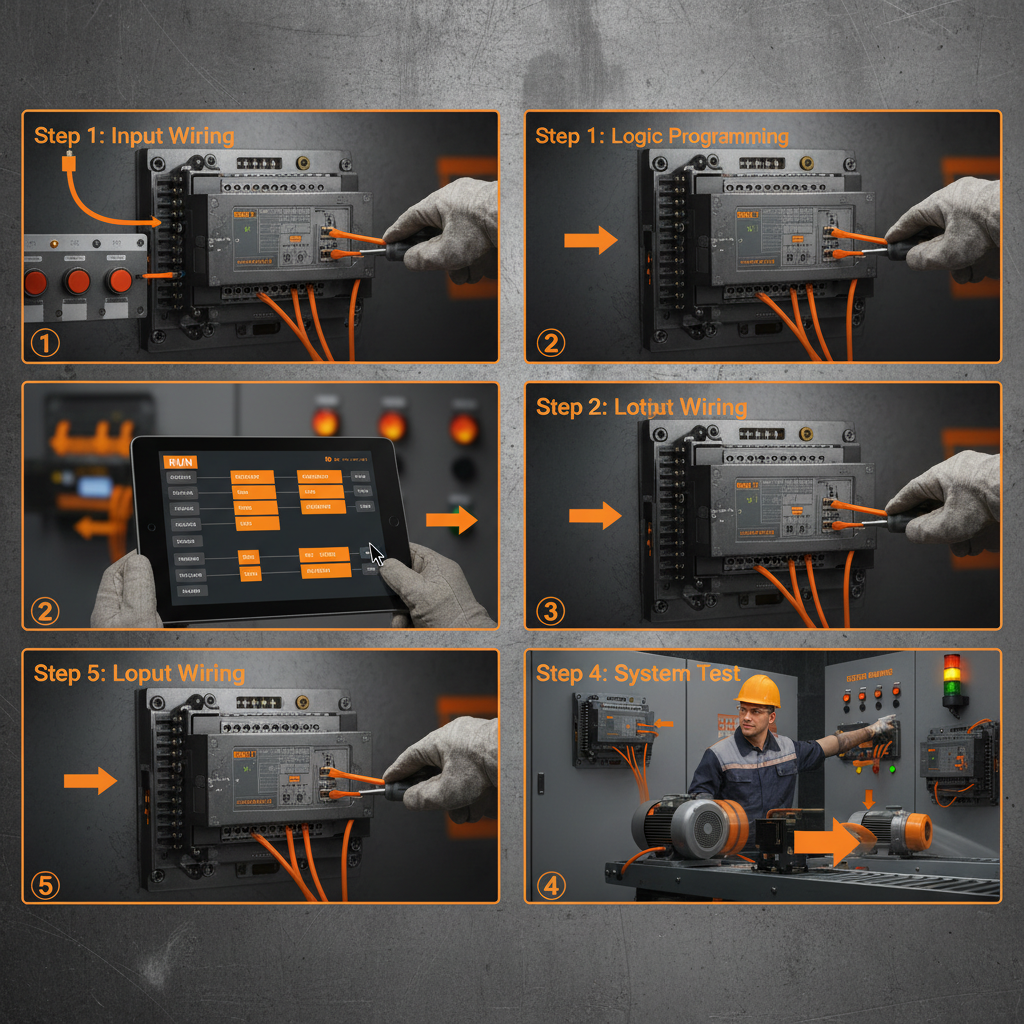
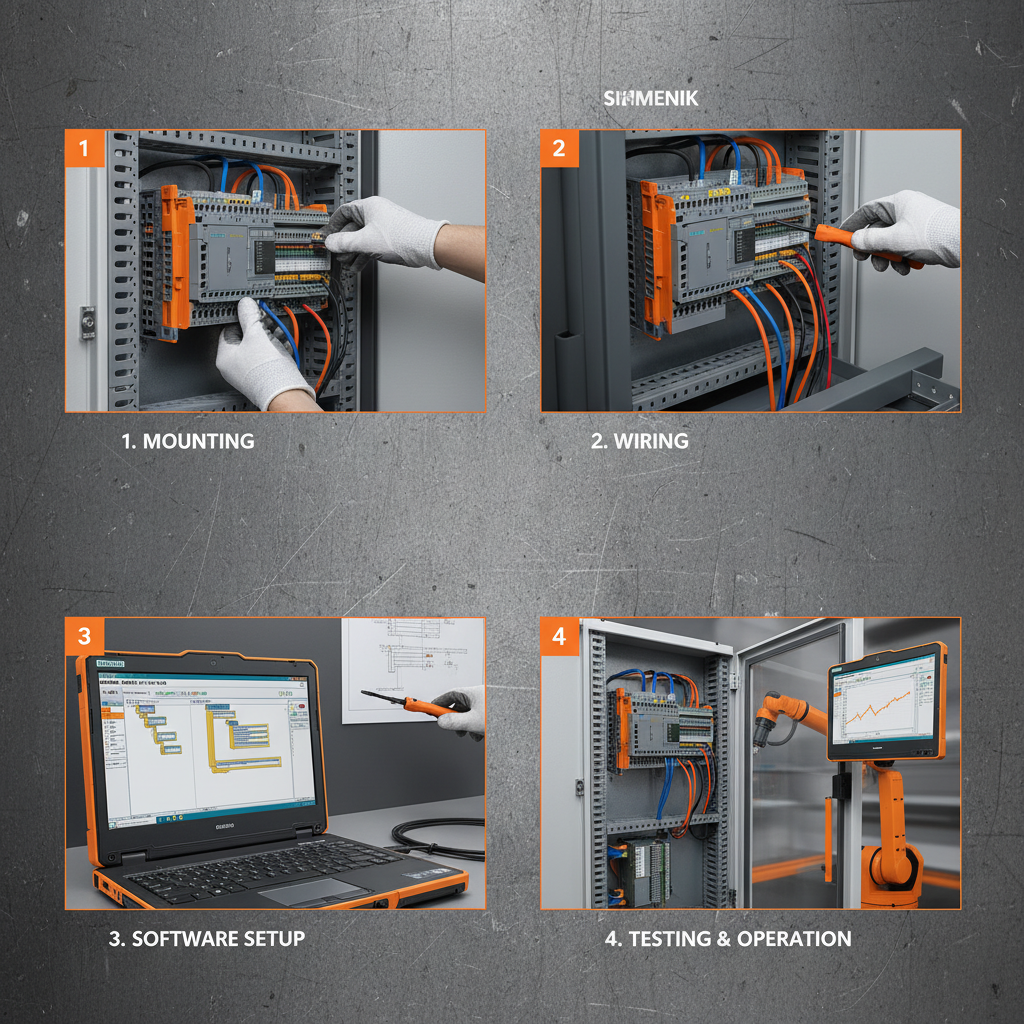
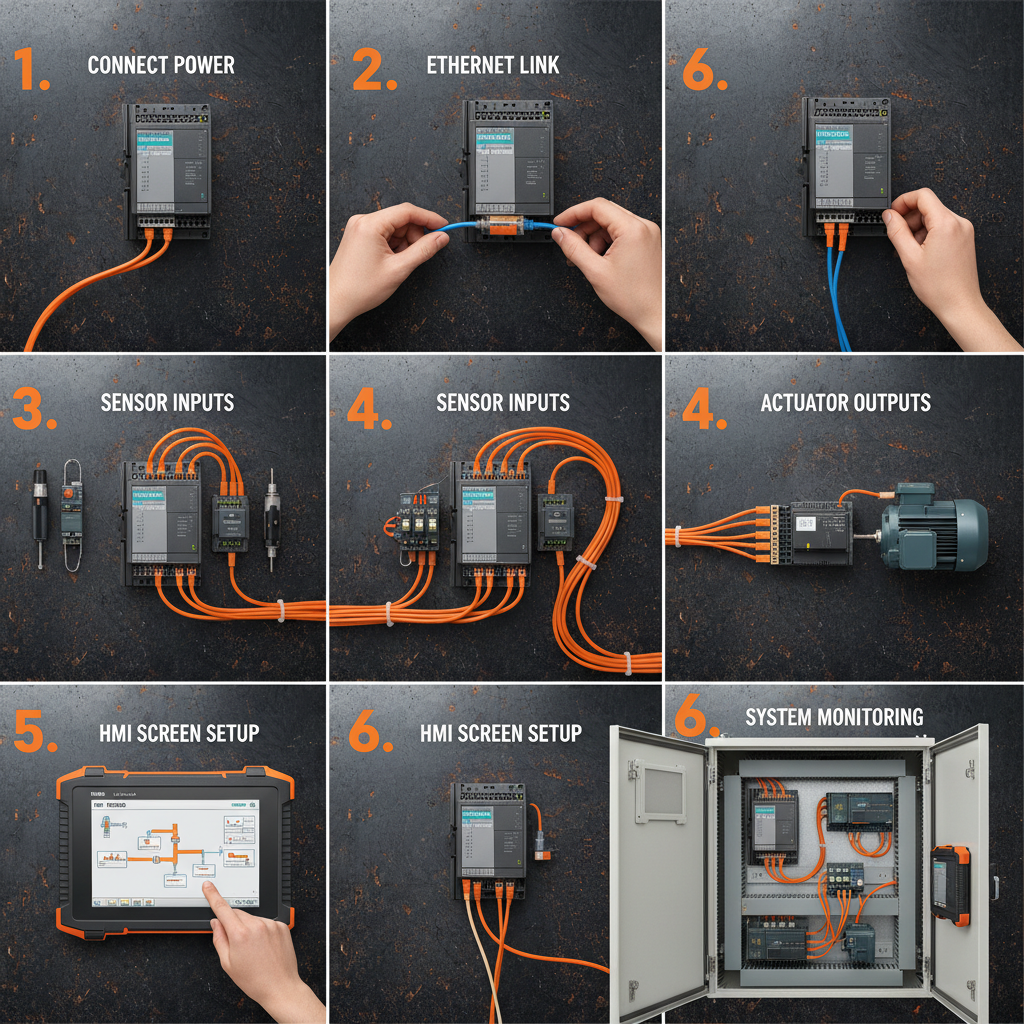
- While installation requires some expertise, modern freq drives come with user-friendly interfaces and step-by-step guides. Plus, many suppliers offer technical support during setup.
- How do freq drives impact energy consumption?
- They can reduce motor energy use by up to half in some applications, because they eliminate running motors at full speed when it’s unnecessary.
- Can old motors be retrofitted with freq drives?
- Yes, with caution. Older motors may need evaluation for compatibility, but retrofit kits and hybrid solutions make upgrades feasible in many cases.
- How do freq drives affect equipment lifespan?
- By reducing mechanical stress from start/stop cycles and controlling acceleration precisely, freq drives generally extend the lifespan of motors and connected equipment.
Bringing It All Together
Freq drives aren’t just another gadget. They represent a practical intersection of technology, sustainability, and economic sense. With benefits ranging from energy saving to smarter control, their importance will only grow as industries modernize and the world demands more from industrial outputs with less impact.
Whether you’re a plant manager, engineer, or policy-maker, understanding freq drives is key to future-proofing operations and playing a role in a cleaner planet.
If you want to dive deeper, visit our site for specs, guides, and expert advice: freq drive.
References:
1. International Energy Agency, "Electric Motor Systems," https://www.iea.org/reports/electric-motor-systems
2. United Nations Environment Programme, Energy Efficiency, https://www.unep.org
3. ISO 50001 Energy Management Standards, https://www.iso.org/iso-50001-energy-management.html