Efficient 0.75 kW VFDs for Small Motors – Energy Saving & Reliable Control
Understanding the 0.75 kW VFD: Why It Matters Worldwide
If you've ever dabbled in industrial electronics or motor control, you might have encountered the term 0.75 kW VFD. But why does this seemingly technical gadget matter so much globally? In short, it’s a compact variable frequency drive (VFD) designed to control small motors efficiently — think pumps, fans, conveyors — all running around that 0.75 kilowatt power range. Globally, as industries seek energy savings and greater automation, devices like these are quietly powering a huge wave of efficiency and sustainability.
The big picture? According to the International Energy Agency (IEA), industrial motors consume about 45% of global electricity use. Adding precise speed control like that offered by a 0.75 kW VFD can reduce energy waste, leading to greener plants and lower operational costs. So understanding this tiny yet mighty device can unlock benefits ranging from simple cost savings to aiding ambitious sustainability goals worldwide.
Mini takeaway: The 0.75 kW VFD is like the smart heartbeat for small motors, helping industries everywhere use energy more wisely, cut emissions, and harness automation without massive investment.The Global Landscape: Why the 0.75 kW VFD Is Gaining Traction
Globally, the push toward Industry 4.0, combined with strict environmental standards (think ISO 50001 for energy management!), has made variable frequency drives essential. The United Nations’ Sustainable Development Goals (SDGs), particularly Goal 7 (Affordable and Clean Energy), underline why efficient energy use isn’t some niche luxury but a worldwide imperative.
In practice, small industries in Asia, Europe, and the Americas have been quick to adopt 0.75 kw vfd solutions as they offer precise motor speed control matched to load demand. This often translates into 20–30% energy savings for applications like HVAC systems or irrigation pumps. However, many smaller businesses face challenges integrating these devices, particularly due to cost or lack of expertise — a problem the market is slowly addressing with better, plug-and-play models.
Mini takeaway: The 0.75 kW VFD is a cornerstone in the global drive toward efficient energy use, enhanced by data, standards, and markets pushing industries forward.What Exactly Is a 0.75 kW VFD?
Put simply, a 0.75 kW VFD (Variable Frequency Drive) is an electronic controller that adjusts the speed and torque of an electric motor by varying the supply frequency and voltage. The “0.75 kW” means it’s tailored for motors roughly around one horsepower — common in smaller industrial machines or commercial applications.
Why does that matter? Well, not all tasks need a motor running at full speed all the time. A VFD lets you fine-tune performance dynamically, saving energy and reducing wear. It also helps meet regulatory demands by cutting down on waste heat and noise.
On a more humanitarian note, these drives are also integral in off-grid or resource-limited settings—helping pump water or power tools efficiently with non-standard power supplies.
Mini takeaway: It’s a nifty device that makes electric motors smarter, more adaptable, and gentler on power grids and wallets alike.Key Features of 0.75 kW VFDs and Why They Matter
1. Durability and Reliability
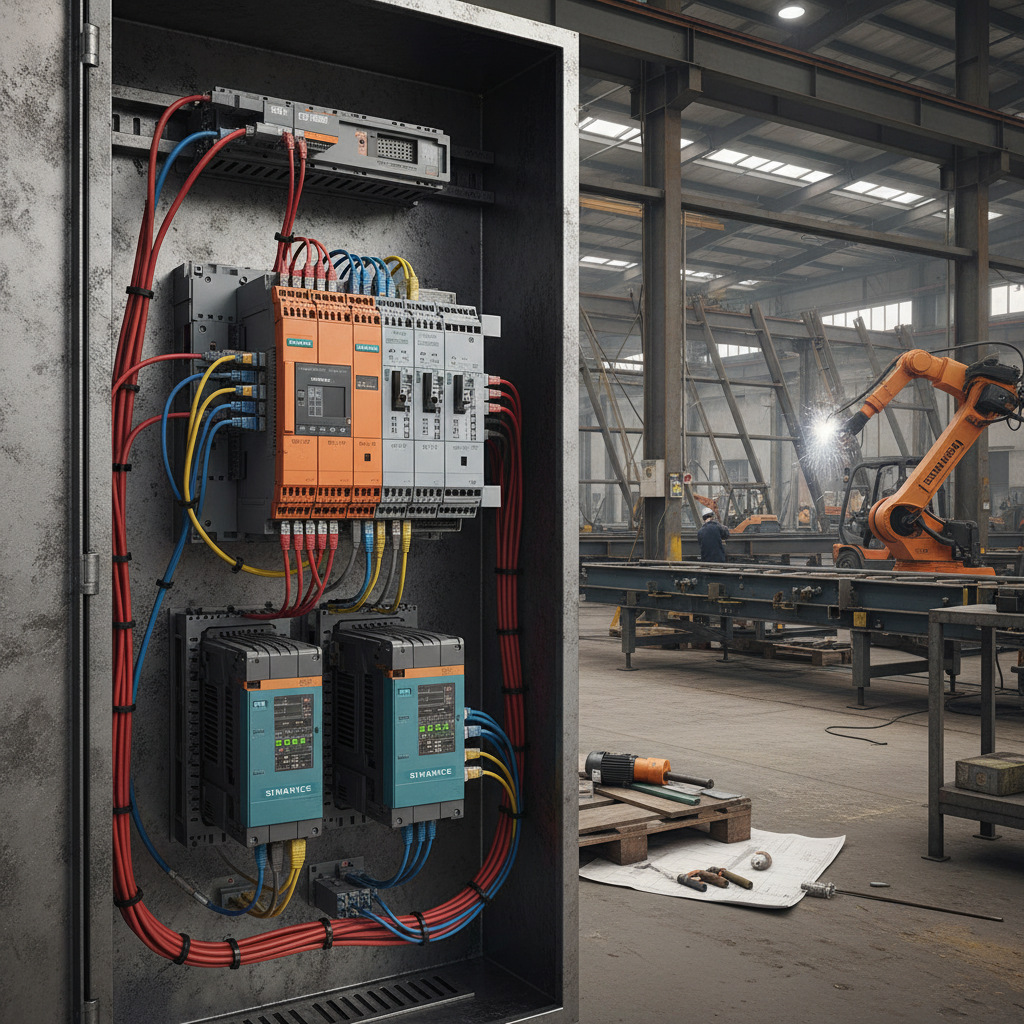
Many engineers say a VFD’s ruggedness can make or break its implementation. The 0.75 kW models tend to be compact but designed tough enough to handle variable loads, temperature swings, and vibration — typical in industrial settings.
2. Energy Efficiency
Because these drives adjust motor speed precisely, they reduce wasted power. For example, in pump applications, throttling flow mechanically is less efficient than adjusting motor speed electronically.
3. Scalability and Integration
The versatile 0.75 kW VFDs can be integrated into diverse setups, from simple standalone machinery to complex automated lines with network communication protocols (Modbus, Profibus, etc.).
4. Cost Effectiveness
They provide an affordable entry-point for small and medium enterprises easing into motor control automation without massive upfront expenses.
5. User-Friendly Interfaces
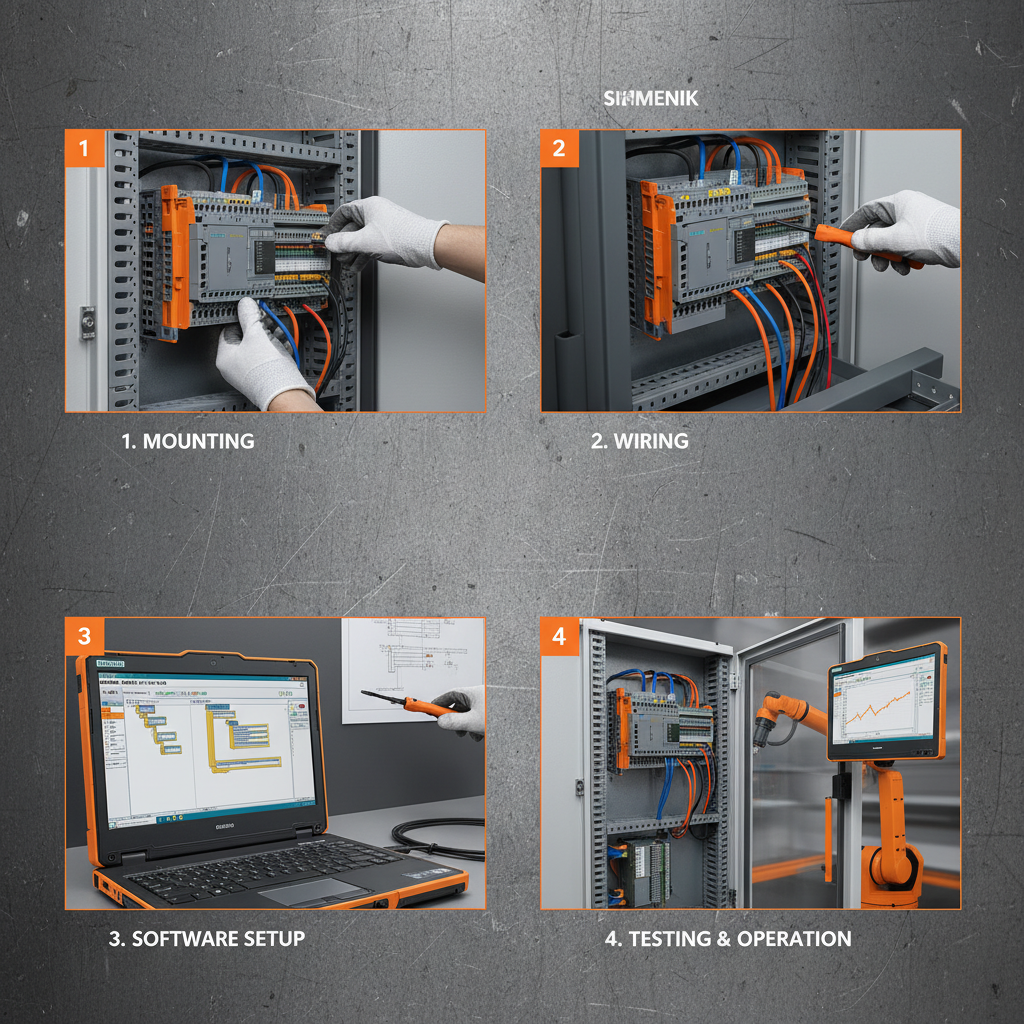
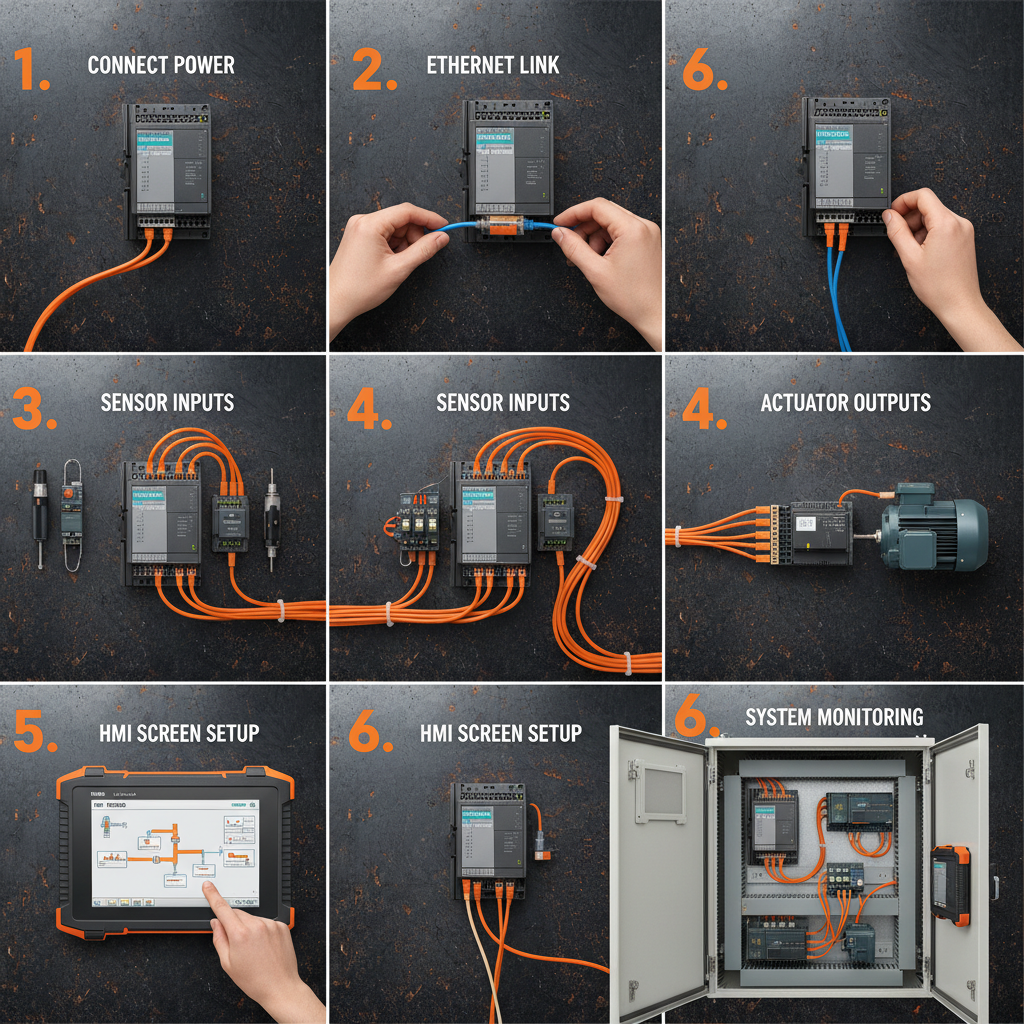
Modern drives come with simple control panels or software setups, making programming and adjustment less daunting — even for operators without deep electrical backgrounds.
6. Safety and Compliance
Most 0.75 kW VFDs meet international safety standards, important for global trade and protecting workers.
Mini takeaway: Small, energy-smart, rugged, and cost-friendly — the 0.75 kW VFD ticks many boxes for practical, everyday industrial use.Real-World Use Cases across the Globe
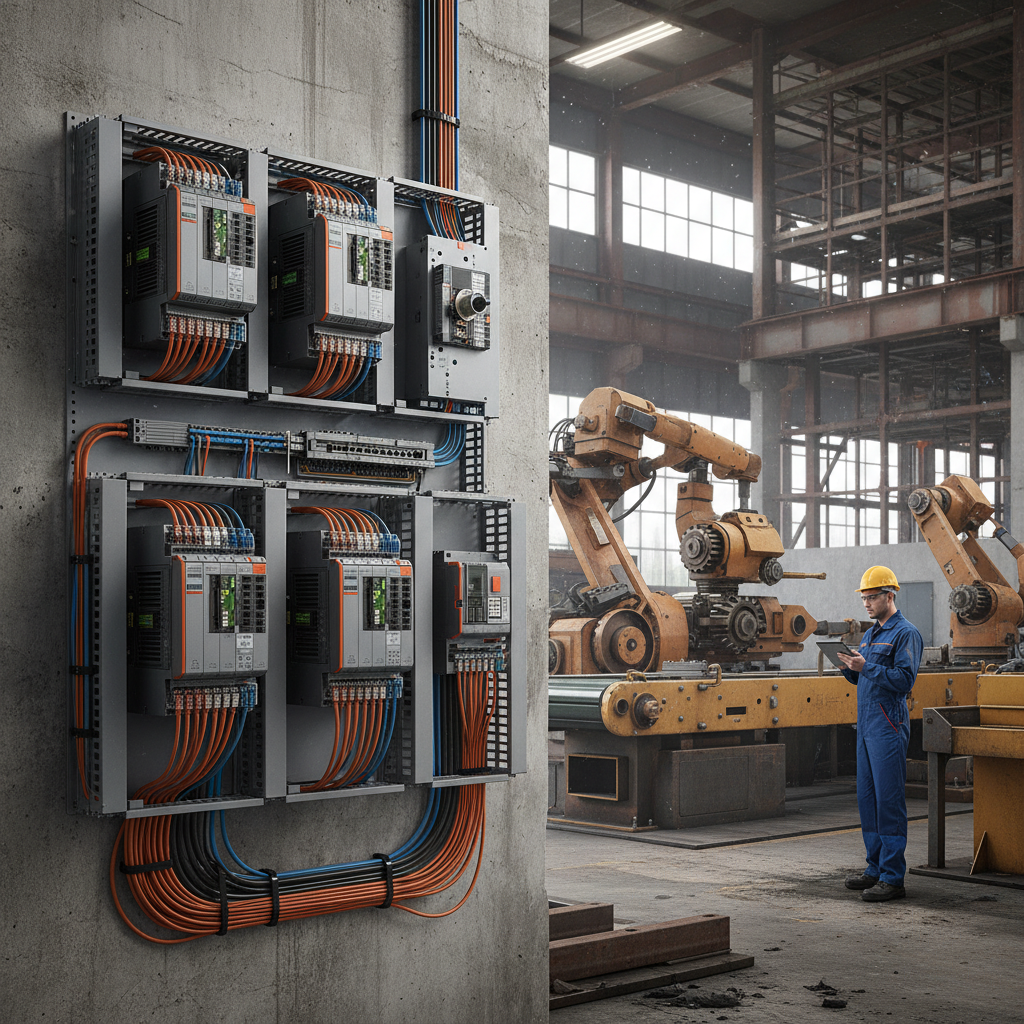
- Manufacturing hubs in Southeast Asia: Automated assembly lines deploy these VFDs to fine-tune conveyor speeds, boosting output while cutting electricity bills.
- Agricultural irrigation projects in Africa: Solar-powered pumps controlled by small VFDs help manage water flow efficiently and sustainably in water-scarce areas.
- HVAC systems in commercial buildings, Europe and North America: Retrofit installations of 0.75 kW VFDs enable smarter temperature control and noise reduction.
- Post-disaster relief: Portable pump systems with 0.75 kW VFDs offer reliable, adjustable water supply for emergency camps.
Oddly enough, many mid-sized companies only realize the true potential of these drives after headache-ridden trial-and-error phases. But once they do, the savings and uptime gains tend to speak for themselves.
Mini takeaway: From dusty fields to climate-controlled offices, the 0.75 kW VFD quietly powers reliability and efficiency worldwide.Product Specification Table: Typical 0.75 kW VFDs
| Parameter | Specification |
|---|---|
| Rated Power | 0.75 kW (1 HP) |
| Input Voltage | Single-phase 220V / Three-phase 380V variants |
| Output Frequency | 0 – 400 Hz |
| Control Method | V/F control, sensorless vector control |
| Overload Capacity | 150% rating for 60 seconds |
| Communication Interfaces | RS485, Modbus RTU (optional) |
| Operating Temperature | -10° to 50°C |
| Dimensions (WxHxD) | 120mm × 160mm × 110mm (avg.) |
Choosing Your Supplier: A Quick Vendor Comparison
| Vendor | Price Range (USD) | Warranty | Support & Training | Global Availability |
|---|---|---|---|---|
| Vendor A (Asia-based) | $150 - $200 | 2 years | Yes, web tutorials and hotline | Strong in APAC |
| Vendor B (Europe) | $180 - $230 | 3 years | Full training and onsite service | Strong in EU & Americas |
| Vendor C (North America) | $200 - $250 | 3 years | Extensive online resources & local reps | Strong in North America |
Why You Should Care: The Advantages of a 0.75 kW VFD
On paper, the numbers are good — energy consumption drops by 20-30% in many scenarios. But the real value feels deeper. Operators note smoother start/stops, less mechanical stress, and happier maintenance teams. There’s a tangible feeling of control and responsibility — you’re cutting emissions, slashing power bills, and prolonging machine life.
Companies using these drives also enhance their environmental credentials, satisfying both regulators and customers who increasingly demand sustainability. And there’s less noise pollution, which oddly improves morale in factories.
Mini takeaway: The 0.75 kW VFD saves money, protects equipment, and boosts green credentials — a triple win that feels great on your balance sheet and beyond.What's Next? Innovations and Future Trends
Looking ahead, small VFDs like the 0.75 kW models are evolving fast.
- Integration with IoT: Smarter predictive maintenance remotely diagnoses faults.
- Energy harvesting: Some futuristic drives can partially recycle braking energy.
- Eco-friendly design: New semiconductor materials promise less heat and longer lifespans.
- Digital Twins: Simulating motor-VFD combos to optimize before actual deployment.
- Green certifications: More models will adhere to enhanced energy efficiency and materials recycling standards.
In fact, there's an ongoing push to make these drives more plug-and-play, to lower the technical barrier — something a lot of small businesses are quietly waiting for.
Common Hurdles and How to Beat Them
Despite their benefits, many users run into issues like electromagnetic interference, complicated setup, or insufficient technical support. The trick is buying from vendors with strong after-sales services and taking time for proper installation.
Another challenge is upfront cost — which may feel steep for tiny operations. But considering lifetime savings, many find financing options or leasing programs make adoption easier.
Finally, retraining staff is crucial. Many systems offer simple interfaces, but understanding basic electrical principles helps avoid headaches later.
FAQ: Your 0.75 kW VFD Questions Answered
Q: How much energy can I realistically save with a 0.75 kW VFD?
A: In typical pump or fan applications, expect 20–30% savings compared to direct-on-line motor starts, depending on your existing control system and load variability.
Q: Can I install a 0.75 kW VFD myself?
A: While some models are user-friendly, proper electrical knowledge and safety precautions are essential. It’s best to have a qualified technician involved to avoid mistakes.
Q: Are these drives compatible with solar power systems?
A: Yes, many 0.75 kW VFDs can be integrated with solar or battery systems, especially those designed for variable input voltages, making them great for off-grid applications.
Q: What maintenance do 0.75 kW VFDs require?
A: Routine checks of cooling fans, cleaning dust buildup, and monitoring for any alarms usually keep VFDs running smoothly. Many modern drives can self-diagnose issues to alert you early.
Q: How do I know if a 0.75 kW VFD is right for my motor?
A: Check your motor’s rated power (around 0.75 kW or 1 HP), voltage, and intended application. If unsure, consult with the manufacturer or a professional — sizing is key for performance and safety.
Wrapping It Up: The Small Drive with Big Impact
The humble 0.75 kW VFD might not be headline news, but it’s quietly revolutionizing motor control at a scale and price point accessible to many. From improved energy efficiency to smoother operations and greener factories, it’s a critical tool for anyone aiming to modernize with responsibility.
Curious to explore further? Visit our website at https://www.tianjinyongkai.com where detailed specs, buying guides, and expert advice await.
After all, every watt saved today is a step toward a smarter, cleaner tomorrow.