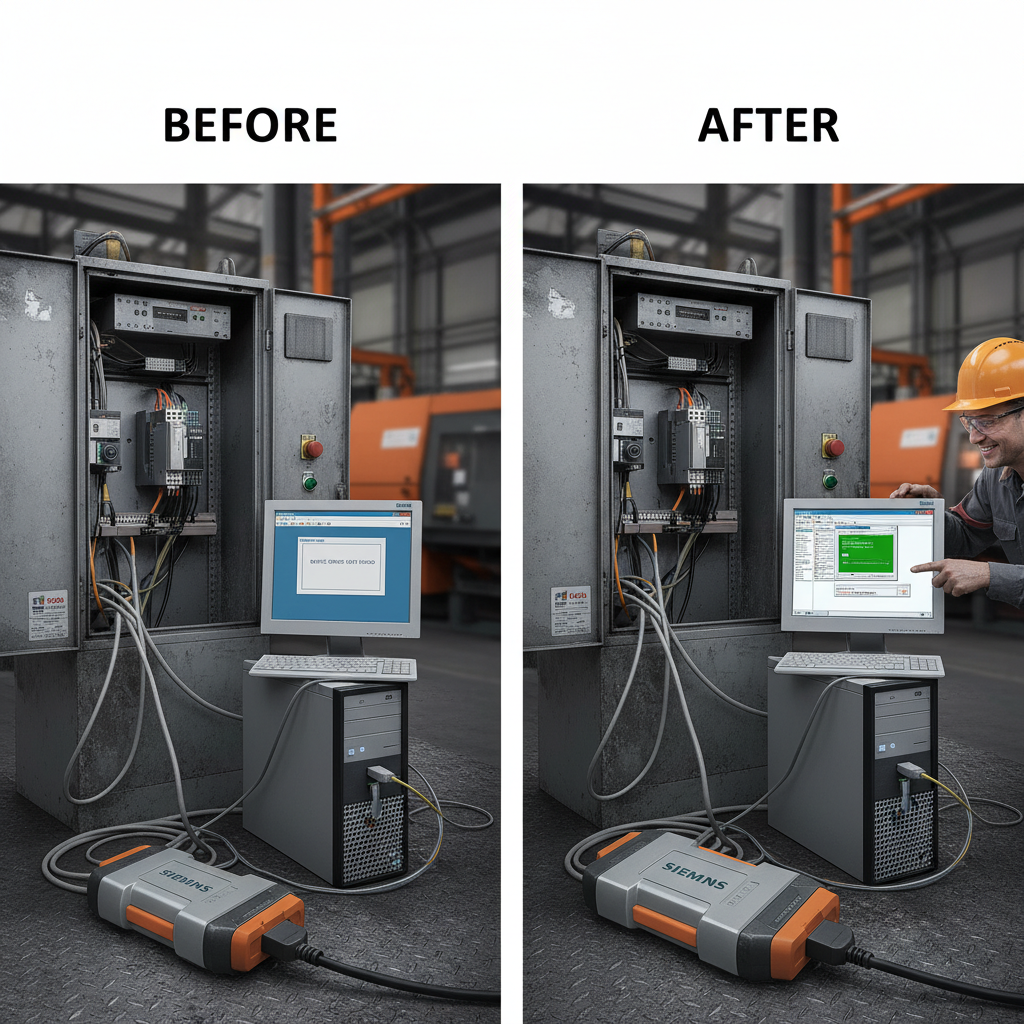
Deploying a 25 hp Variable Frequency Drive: Efficiency, Sustainability, and Industrial Insight
Why a 25 hp Variable Frequency Drive Matters in Today’s Industry
Variable frequency drives (or VFDs) aren't just technical jargon tucked away in engineering manuals. When you get down to it, a 25 hp variable frequency drive is an essential piece of tech that controls the speed and torque of electric motors — and this matters globally in industries ranging from manufacturing to water treatment plants, and beyond. But why do we care, really?
On a global scale, energy consumption patterns are shifting dramatically. According to the International Energy Agency (IEA), electric motors account for roughly 45% of global electricity use in industry. Without control systems like VFDs, many motors run at full speed all the time — an obvious inefficiency. Using variable frequency drives allows for precise energy use tailoring, cutting down waste, and improving both operational flexibility and environmental footprint.
Pretty important stuff, especially considering the UN’s sustainable development goals (SDG 7 and 13) encouraging affordable energy and climate action. Understanding how a seemingly straightforward device like the 25 hp variable frequency drive fits into this broader picture helps industries stay competitive and responsible.
Setting the Scene: The Global Importance of 25 hp Variable Frequency Drives
The global market for variable frequency drives is growing, estimated to reach over $17 billion USD by 2027 (source: MarketsandMarkets). In developing regions, where industrialization is skyrocketing, the need for reliable motor control is urgent—both to ensure operational stability and to keep energy costs in check.
But challenges remain. Imagine the electricity grid stability issues in regions like sub-Saharan Africa or parts of Southeast Asia. Excessive motor start-up currents can cause voltage dips, risking entire plants shutting down or damaging equipment. That's exactly where a 25 hp variable frequency drive shines: it reduces mechanical stress, lowers inrush current, and smooths out operations. Frankly, it's a kind of unsung hero.
Defining the 25 hp Variable Frequency Drive: What Does It Really Mean?
Simply put, a variable frequency drive (VFD) is an electronic device used to vary the speed of an electric motor by controlling the frequency and voltage of its power supply.
The “25 hp” refers to the motor size the VFD is rated for — horsepower being a common power measurement. So, a 25 hp variable frequency drive is designed to efficiently manage motors rated to around 25 horsepower. This is a common size for pumps, fans, compressors, and conveyors in medium-scale industrial plants and municipal facilities.
In modern industries, from wastewater treatment plants in Europe to manufacturing hubs in Asia, controlling motors with a VFD is critical for performance, cost savings, and reducing carbon footprint — all vital for meeting that industry’s evolving demands or humanitarian targets like reliable water supply systems.
Core components of a 25 hp variable frequency drive
- Rectifier and DC Bus: Converts AC to DC and smoothes power.
- Inverter: Converts DC back to AC at the required frequency.
- Control Unit: The brain — uses microprocessors to adjust voltage and frequency.
- Cooling System: Keeps the drive from overheating during operation.
- Protection Features: Overvoltage, overload, and short circuit protections safeguard the motor.
Where Are These 25 hp Variable Frequency Drives Making a Real Difference?
Practically everywhere motor control is needed. For instance:
- Water treatment plants: Pump speeds are tailored to demand, reducing energy use and wear on equipment.
- HVAC Systems: Fans and compressors modulate airflow and temperature with high efficiency.
- Manufacturing: Conveyor belts and mixers run more reliably and with better process control.
- Energy sectors: Solar and wind farms sometimes use VFDs for generator control and grid synchronization.
Notable examples include post-disaster relief setups in Asia where portable water pumps equipped with VFDs ensure clean water delivery without excessive fuel consumption or technical hiccups.
Advantages and Long-Term Value of Using a 25 hp Variable Frequency Drive
The benefits stack up convincingly:
- Energy Savings: VFDs often reduce motor power use by 20–50% depending on application.
- Reduced Mechanical Wear: Soft start/stop means fewer breakdowns and maintenance headaches.
- Sustainability: Lower carbon emissions as a downstream effect.
- Process Improvements: Enhanced control leads to consistent product quality or better system performance.
On a more human level, reliable motor controls can mean uninterrupted clean water or heating to vulnerable communities — contributing to safety and dignity. It's a mix of innovation, trust, and social impact wrapped in solid technology.
25 hp Variable Frequency Drive Product Specification Table
| Specification | Typical Range/Value | Notes |
|---|---|---|
| Power rating | 25 hp (~18.6 kW) | Matches connected motor size |
| Input voltage | 380 - 480 VAC 3-phase | Varies by region |
| Output frequency | 0 - 400 Hz | Adjustable to required motor speed |
| Overload capacity | 150% for 60 sec | Standard protection feature |
| Communication interfaces | Modbus, PROFIBUS, Ethernet/IP | Enables integration into automation systems |
| IP rating | IP20 - IP65 | Depends on enclosure design |
Vendor Comparison: 25 hp Variable Frequency Drives in the Market
| Vendor | Price Range (USD) | Key Features | Warranty | Support Network |
|---|---|---|---|---|
| Vendor A | $1,200 - $1,500 | Energy saver, Modbus | 3 years | Global |
| Vendor B | $1,100 - $1,400 | Compact size, Ethernet/IP | 2 years | Regional |
| Vendor C | $1,350 - $1,650 | High overload, IP65 | 5 years | Global |
Looking Ahead: Trends and Innovations Shaping the Future of 25 hp Variable Frequency Drives
With the shift towards green energy, let’s talk about integrating VFDs with renewable energy sources. Modern 25 hp variable frequency drives increasingly support regenerative capabilities — meaning they can feed excess energy back into the grid. This is no small thing when optimizing energy use for solar or wind-powered sites.
Digital transformation is another key trend. Drives with built-in IoT sensors and cloud connectivity provide remote monitoring, predictive maintenance alerts, and analytics—helping plants avoid unplanned downtime.
Even the materials used in drive construction are evolving for better heat dissipation and durability, which frankly, many field engineers swear by for improving lifespan and reliability.
Common Challenges and Expert Solutions
One issue that often comes up is harmonics — electrical distortion caused when many VFDs run simultaneously on one power network. This can wreak havoc on sensitive equipment. The solution? Filters and active harmonic mitigation methods are becoming standard, along with smarter power management protocols.
Another challenge is upfront cost, which might seem steep for some small operations. But as many energy consultants point out, payback times are often under two years thanks to ongoing energy savings and maintenance reductions. It’s a classic case of “spend more now, save more later.”
Frequently Asked Questions About 25 hp Variable Frequency Drives
- Q: What kind of motors work best with a 25 hp variable frequency drive?
- A: Typically, three-phase AC induction motors in the 25 hp range are ideal. These drives control speed smoothly and efficiently, particularly in pump, fan, and conveyor applications.
- Q: Can a 25 hp variable frequency drive improve energy efficiency significantly?
- A: Absolutely. By adjusting motor speed to actual demand, VFDs commonly reduce energy use by 20–50%, which also translates into lower operational costs over time.
- Q: Are 25 hp VFDs complicated to install and program?
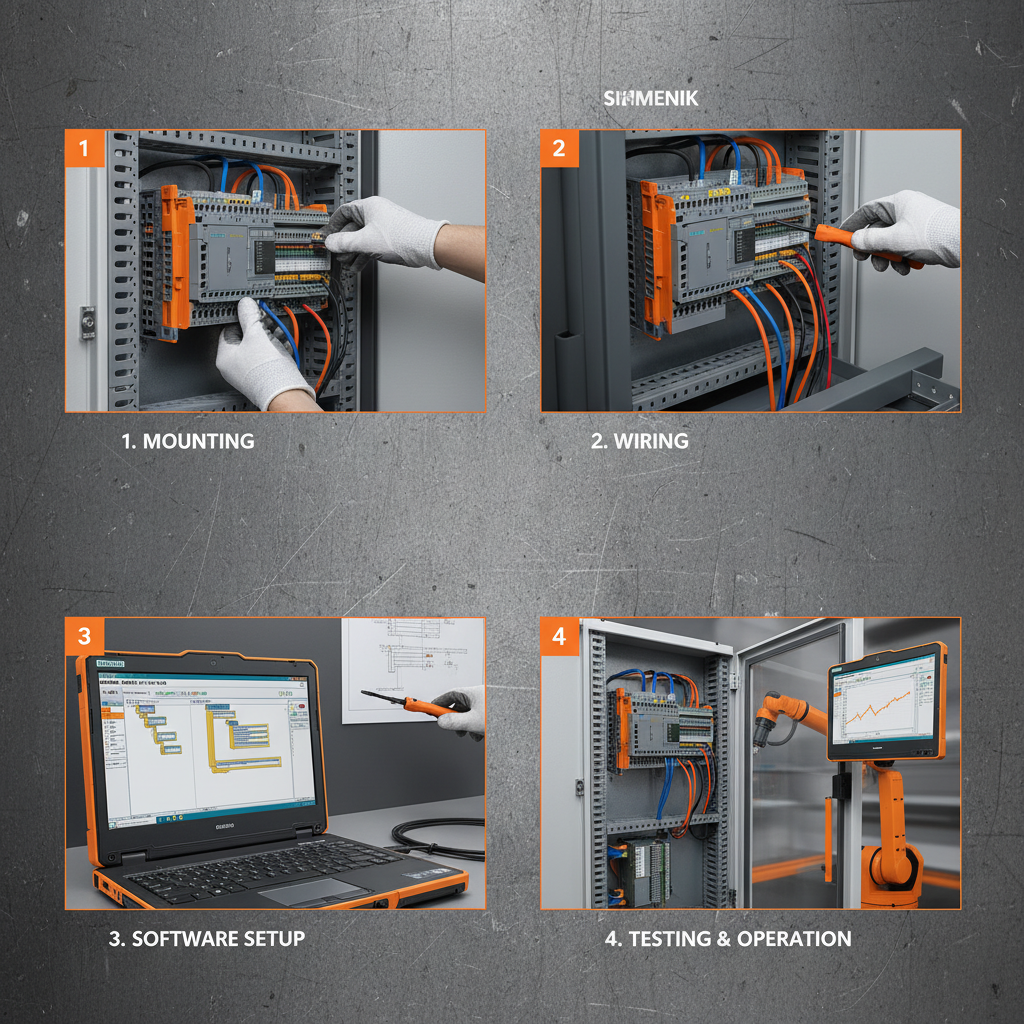
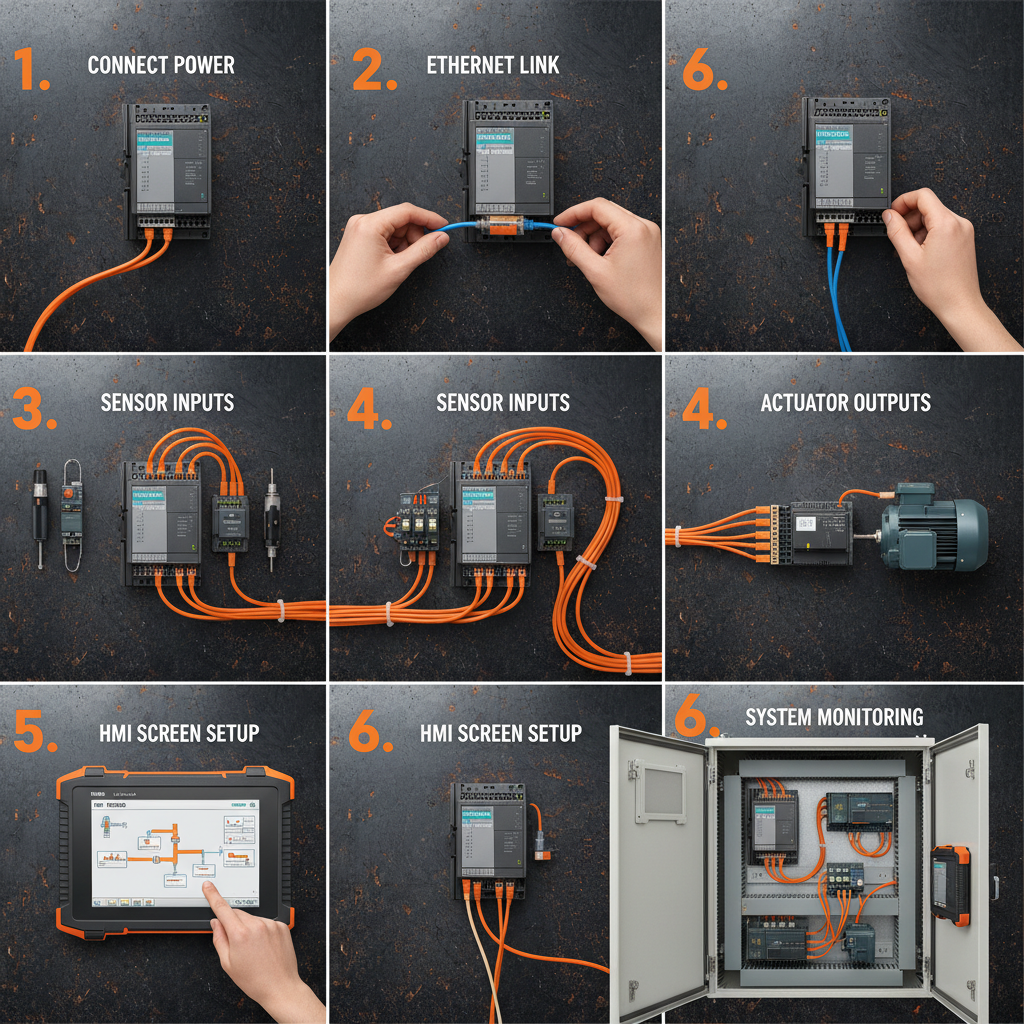
- A: Installation requires usual electrical safety protocols, but many models now come with user-friendly interfaces and presets for common applications, making setup quicker and less error-prone.
- Q: How do variable frequency drives contribute to sustainability goals?
- A: By cutting excess energy consumption and reducing equipment wear, VFDs help lower the carbon footprint of industrial operations, directly supporting climate action efforts.
- Q: Where can I find reliable 25 hp variable frequency drives?
- A: Reputable industrial automation vendors offer these drives worldwide. Compare specifications and support options carefully—or visit trusted sites like 25 hp variable frequency drive for more guidance.
Wrapping Up: Why Investing in a 25 hp Variable Frequency Drive Is Wise
If you ask me, the appeal of a 25 hp variable frequency drive lies not just in raw numbers of energy saved or performance enhanced, but in how it quietly reshapes industries across the globe — making operations smarter, more sustainable, and resilient. Whether you’re running a factory in the US, a desalination plant in the Middle East, or a remote relief operation in Southeast Asia, these drives bring both immediate and far-reaching value.
Interested in diving deeper? Visit our website at https://www.tianjinyongkai.com for the latest product offerings, support, and expert advice tailored to your needs.