The Essential Guide to VFD and Motor Technology: Efficiency & Innovation in Industry
Understanding VFD and Motor: How Variable Frequency Drives Revolutionize Industrial Motors
At first glance, the phrase “vfd and motor” might sound like tech jargon reserved for engineers, but these components form the silent workhorses behind much of our modern industry and infrastructure. Variable Frequency Drives (VFDs) control the speed and torque of electric motors—simple tools that, frankly, bring huge efficiency benefits worldwide.
Why does this matter globally? Industries from manufacturing plants to water treatment facilities rely on electric motors, which consume a massive portion of the world's energy—roughly 40% of global electricity usage, according to the International Energy Agency (IEA). Introducing VFDs to regulate these motors reduces energy waste, boosts performance, and lowers carbon footprints, speaking directly to UN sustainable development goals and climate resilience efforts.
Mini takeaway: Understanding vfd and motor technology is key to improving energy use and sustainability across industries worldwide.
Global Context: The Scale of Energy and Efficiency Challenges
It’s no secret that the planet faces mounting energy stresses. The World Bank estimates that industrial energy consumption will continue rising as economies develop and demand for products grows. Electric motors—found in everything from conveyor belts to HVAC systems—represent a huge chunk of that usage. But here’s the rub: many motors run at constant speeds regardless of demand, wasting energy during periods of light load. Enter the VFD.
VFDs address this by adjusting motor speed to match real-time workload, often slashing energy use by up to 50% in applications like pumps and fans. Globally, this innovation supports a massive push for greener industry practices and faster transition to renewable energy, aligning with ISO 50001 energy management system standards.
What Exactly Are VFD and Motor?
Put simply, a motor converts electrical energy into mechanical motion, typically spinning a shaft to power machines. A Variable Frequency Drive is an electronic device that controls that motor's operating speed by modulating the frequency and voltage of the electrical supply.
This dynamic control enables tailored operation—motors aren't just “on” or “off”—and can ramp speeds up or down fluidly based on demand. That not only conserves energy but also extends motor life by reducing wear and tear.
The coupling of vfd and motor technology is fundamental for many sectors, from manufacturing automation to humanitarian applications where efficient, reliable power is critical, like water pumping in remote or disaster-stricken areas.
Core Components and Key Factors Affecting VFD and Motor Systems
- Durability and Reliability: Motors paired with VFDs often operate more gently, reducing mechanical stresses and extending lifespan.
- Energy Efficiency: The most obvious advantage—regulating motor speed reduces energy consumption dramatically during light-load operation.
- Scalability: VFD systems range from small single-phase units for HVAC fans to industrial three-phase drives that handle hundreds of kilowatts effortlessly.
- Cost Efficiency: While initial costs can be higher, the ROI via energy savings and reduced maintenance is swift—usually within 1-3 years.
- Control and Flexibility: VFDs can integrate with modern automation systems, enabling fine-tuned process control and data monitoring.
- Compatibility: Newer drives support a wide array of motor types including induction and permanent magnet synchronous motors, making them versatile.
Mini takeaway: The practical benefits of vfd and motor are rooted in flexibility, savings, and system longevity.
Product Specifications: Typical VFD and Motor Setup
| Specification | Typical Range | Notes |
|---|---|---|
| Motor Power | 0.75 kW - 500 kW+ | From small pumps to heavy industrial drives |
| VFD Output Voltage | 0 - Supply Voltage | Variable to control motor speed |
| Frequency Range | 0 Hz - 400 Hz (typical) | Standard for motor control |
| Control Types | Volts/Hertz, Vector, Sensorless Vector | Precision control options |
| Cooling Method | Air cooled / Water cooled | Depends on power size and environment |
Global Applications & Use Cases For VFD and Motor Systems
The beauty of vfd and motor setups lies in their versatility. They pop up everywhere—from the bustling factories of Germany to sprawling water infrastructure in India.
- Manufacturing plants: Speed control improves product quality, reduces downtime, and saves energy.
- Water and wastewater treatment: Pumps run at variable speeds to match varying flow demands, a game changer especially in drought-prone regions.
- HVAC Systems: Large-scale commercial buildings depend on VFDs to optimize fan and compressor speeds for comfort and energy savings.
- Renewable energy: Wind turbine motors use VFDs for power conversion and grid compatibility.
- Humanitarian efforts: In rural and disaster zones, efficient motor control ensures reliable water pumping and power management—hello, dignity and safety!
Oddly enough, although the implementation is technical, the impact of these systems feels deeply human. For example, NGOs deploying water pumps equipped with VFDs often remark on improved community health outcomes thanks to consistent clean water supply.
Mini takeaway: Vfd and motor solutions are truly global heroes, bridging industrial efficiency and human welfare.
Vendor Comparison: Leading VFD and Motor Providers
| Vendor | Typical Power Range | Notable Features | Ideal Sectors |
|---|---|---|---|
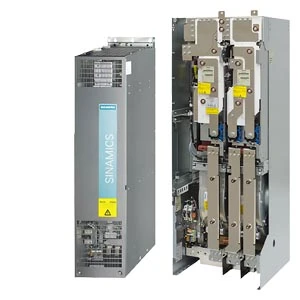
| Siemens | 0.75 kW - 6300 kW | Robust industrial control, advanced diagnostics | Heavy industry, automation |
| ABB | 0.18 kW - 5600 kW | Energy efficient designs, IoT ready | Manufacturing, utilities |
| Tianjin Yongkai | 0.5 kW - 2000 kW | Customized solutions, cost-effective, easy integration | Water treatment, commercial HVAC |
| Rockwell Automation | 0.2 kW - 3000 kW | Seamless integration with automation systems | Automotive, packaging |
Advantages of Using VFD and Motor Solutions
There’s a straightforward logic here: save energy, spend less, and cause less pollution. Beyond the numbers, the emotional appeal grows if you think about safety and dignity—stable power for water pumps in remote villages means health and human dignity.
Companies praise VFDs for:
- Reduced operational costs: Lower energy bills and maintenance frequency.
- Enhanced process control: Greater precision yields better product quality and less waste.
- Environmental impact: Reduced emissions align with corporate social responsibility goals.
- Reliability: Smooth starts reduce mechanical shock, decreasing breakdowns.
Frankly, most engineers I’ve spoken with say the confidence in choosing a good VFD and motor setup comes from balancing cost and long-term benefits.
Emerging Trends and Innovations in VFD and Motor Technology
The landscape is evolving. Digital transformation means VFDs now incorporate IoT sensors and cloud diagnostics, allowing predictive maintenance and remotely adjustable performance. Meanwhile, green energy grids encourage VFD systems that can adapt seamlessly to renewable supply intermittency.
Materials science also contributes, as high-efficiency motors partnered with rare earth magnets improve torque density and reduce power loss. Policy-wise, more governments are offering incentives for upgrading industrial systems with energy-efficient VFD solutions, helping push adoption.
Challenges and How Industry is Solving Them
No tech is perfect. Some challenges with VFD and motor implementations include:
- Initial investment costs: Small operators may hesitate to upgrade without clear ROI projections.
- Electromagnetic interference: VFDs can introduce noise affecting other equipment unless properly shielded.
- Technical complexity: Requires skilled personnel for installation and maintenance.
Solutions? Newer modular designs and plug-and-play units simplify installation. Training programs and industry partnerships help close skills gaps. And better standards for shielding and harmonics reduce EMI issues. The goal is making efficient motor control accessible rather than exclusive.
FAQ: Practical Questions About VFD and Motor
Q: Can I use a VFD with any type of motor?A: Most standard induction motors are compatible with VFDs, but some special motor types like shaded-pole or universal motors may not be. It’s best to check specifications or consult vendors to ensure compatibility and avoid performance issues.
Q: How much energy can VFDs realistically save?
A: Depending on the application, VFDs often reduce motor energy consumption by 20% to 50%, especially in variable load systems like pumps and fans. The exact savings depend on load profiles and control strategy used.
Q: Are VFDs difficult to maintain?
A: Modern VFDs are designed for ease of maintenance with diagnostic features and modular parts. However, regular inspection of cooling systems, electrical connections, and firmware updates is recommended for longevity.
Q: Is it worth retrofitting older motors with VFDs?
A: In many cases, yes! Retrofitting can extend motor life and capture energy savings without needing wholesale replacement. But compatibility checks and possible rewiring are necessary.
Wrapping Up
To sum up, vfd and motor technology offers a compelling path toward efficient, flexible, and sustainable industrial power use. Whether for sprawling factories or remote pumping stations, the benefits speak for themselves—cost savings, less environmental impact, and improved reliability. For businesses and communities eager to embrace smarter energy, exploring VFD solutions is a no-brainer.
Interested in learning more or finding tailored products? Feel free to visit our website at Tianjin Yongkai for innovative, customized solutions that fit diverse needs.
Mini takeaway: Integrating VFDs with motors isn’t just about technology; it’s an investment in a more sustainable, efficient industrial future.
References:
1. International Energy Agency - Energy Efficiency Report
2. Wikipedia - Electric Motor
3. ISO 50001 Energy Management Systems