Top VFD Manufacturers | High-Performance Variable Frequency Drives
The Crucial Role of Variable Frequency Drive Manufacturers in Industrial Automation
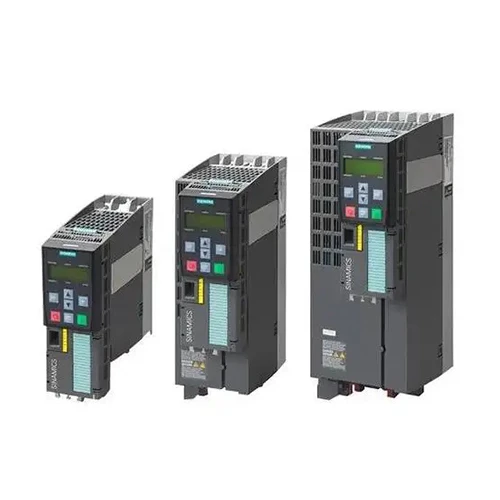
In the rapidly evolving landscape of industrial automation, Variable Frequency Drives (VFDs) stand as pivotal components, enabling unparalleled control, efficiency, and operational longevity for electric motors. These sophisticated devices modulate the frequency and voltage supplied to an electric motor, thereby controlling its speed and torque with remarkable precision. The foundational work of reliable vfd manufacturers is indispensable for industries striving for optimal energy utilization, enhanced process control, and reduced maintenance costs.
This comprehensive overview delves into the intricate world of VFD manufacturing, exploring the detailed process, prevailing industry trends, critical technical specifications, diverse application scenarios, and the overarching technical advantages that propel modern industries forward. We will also address vendor comparisons, customization capabilities, and real-world case studies, ensuring a holistic understanding for B2B decision-makers and engineering professionals.
The Meticulous Manufacturing Process of Variable Frequency Drives
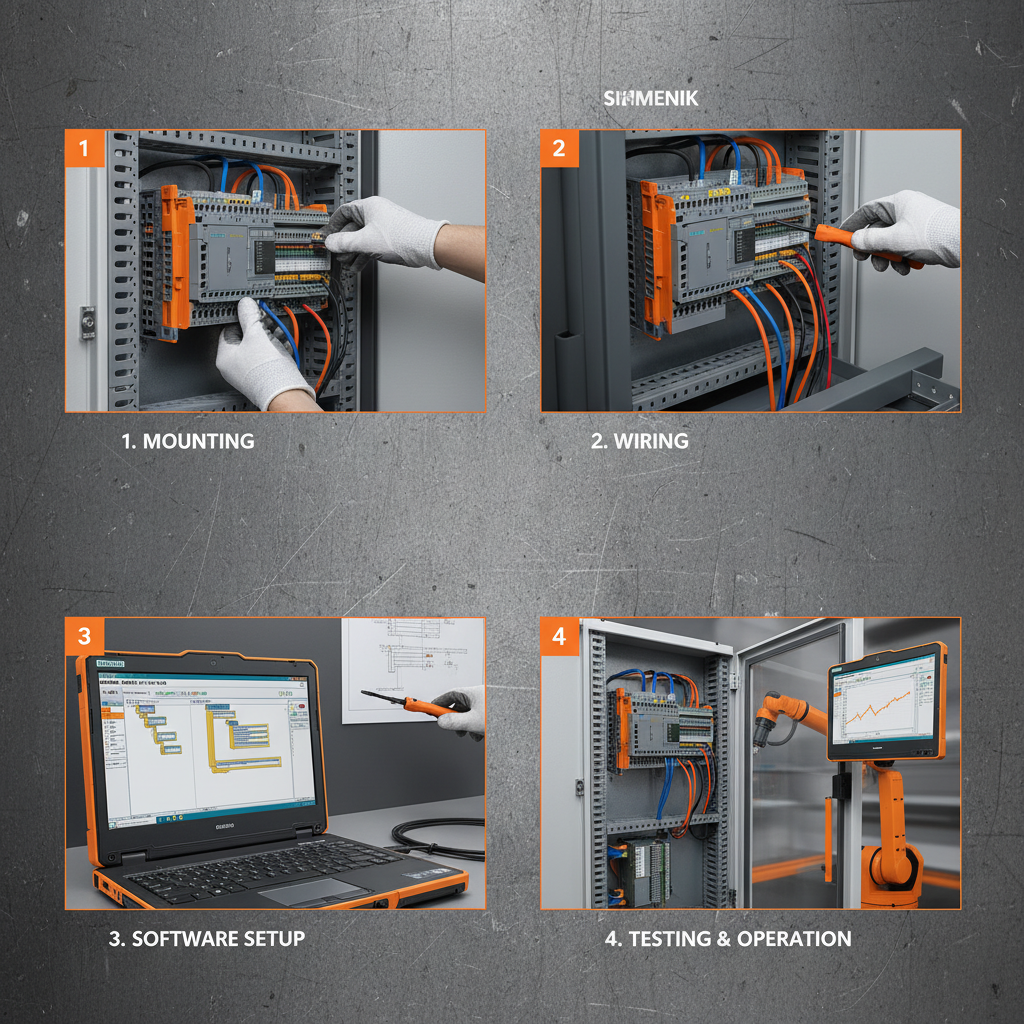
The production of high-performance VFDs is a complex, multi-stage process demanding precision engineering, advanced materials, and stringent quality control. Leading vfd manufacturers adhere to rigorous standards from concept to completion.
Key Materials and Components:
- Power Semiconductors: Insulated Gate Bipolar Transistors (IGBTs) or Metal-Oxide-Semiconductor Field-Effect Transistors (MOSFETs) form the core of the inverter, responsible for switching high currents at high frequencies.
- Capacitors: Electrolytic and film capacitors are vital for DC bus voltage smoothing and filtering harmonics. Their quality significantly impacts the VFD's lifespan.
- Inductors & Chokes: Used for input/output filtering and harmonic mitigation.
- Printed Circuit Boards (PCBs): High-density, multi-layer PCBs house the control logic, communication interfaces, and drive circuitry.
- Heat Sinks & Cooling Systems: Essential for dissipating heat generated by power semiconductors, often made from extruded or cast aluminum.
- Enclosures: Crafted from robust materials like powder-coated steel or aluminum, providing mechanical protection and environmental sealing (e.g., IP ratings).
Manufacturing Process Flow:
1. Design & R&D
Conceptualization, circuit topology design, thermal modeling, firmware development, and simulation using advanced CAD/CAE tools. Emphasis on modularity and upgradeability.
2. Component Sourcing & Quality Inspection
Acquisition of certified, high-quality electronic components from trusted suppliers. Incoming Quality Control (IQC) checks for conformity to specifications.
3. PCB Fabrication & Assembly
Automated Surface Mount Technology (SMT) for chip placement, followed by wave soldering for through-hole components. Automated Optical Inspection (AOI) ensures solder joint integrity.
4. Power Module & Control Board Integration
Assembly of the power section (IGBTs, capacitors) and interconnection with the control boards. Critical thermal paste application for heat dissipation.
5. Enclosure Fabrication & Finishing
Precision CNC machining and sheet metal forming for enclosures. Surface treatments like powder coating enhance durability and corrosion resistance.
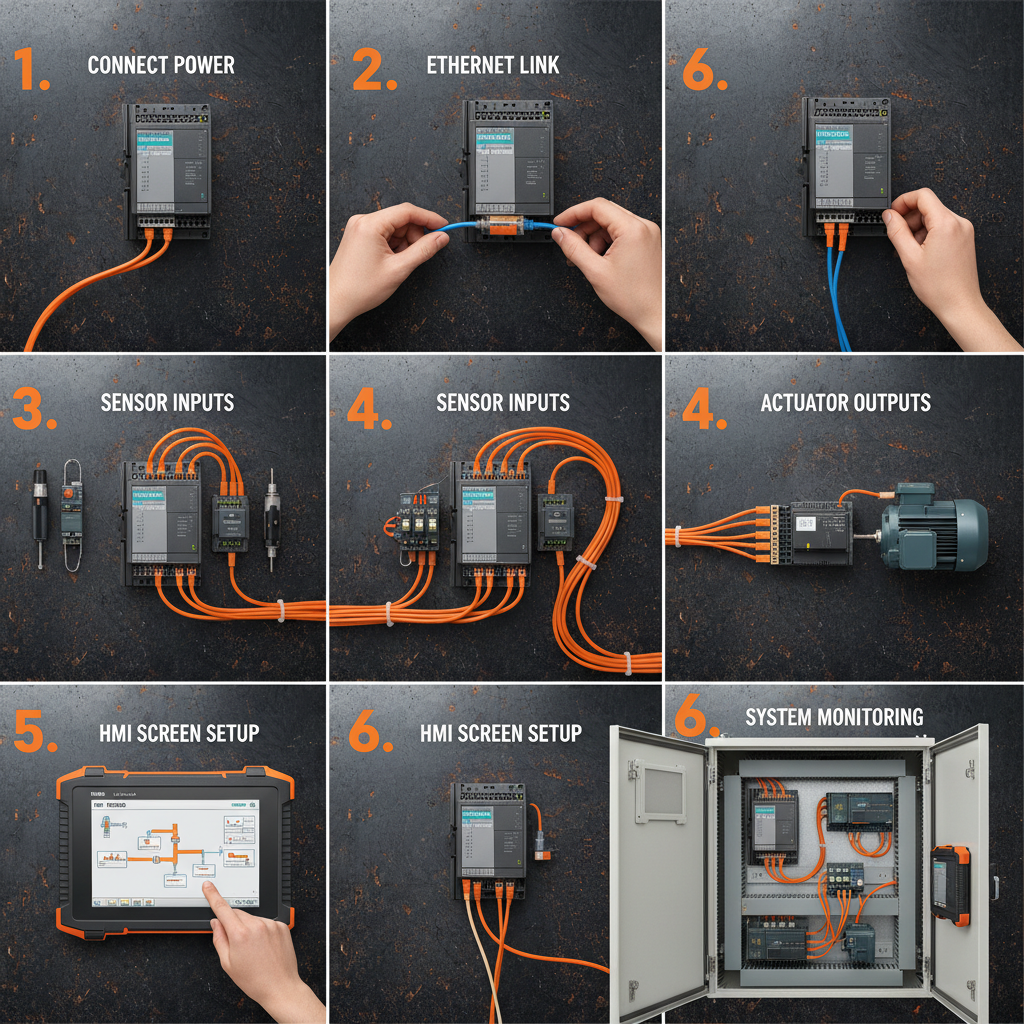
6. Final Assembly & Wiring
Integration of all sub-assemblies, internal wiring, sensor connections, and human-machine interface (HMI) components.
7. Rigorous Testing & Calibration
Each VFD undergoes comprehensive functional testing, burn-in tests, full-load simulations, environmental stress screening (ESS), and electromagnetic compatibility (EMC) tests. Calibration ensures output accuracy.
8. Quality Assurance & Packaging
Final inspection against ISO 9001:2015 and other relevant standards (e.g., ANSI, CE, UL). Secure packaging for safe transit.
Service Life & Target Industries:
The typical service life of a well-maintained VFD ranges from 10 to 15 years, heavily influenced by the quality of internal components (especially capacitors), thermal management, and operating conditions. VFDs are critical across a multitude of industries, including:
- Petrochemical: For precise control of pumps, compressors, and mixers in hazardous environments.
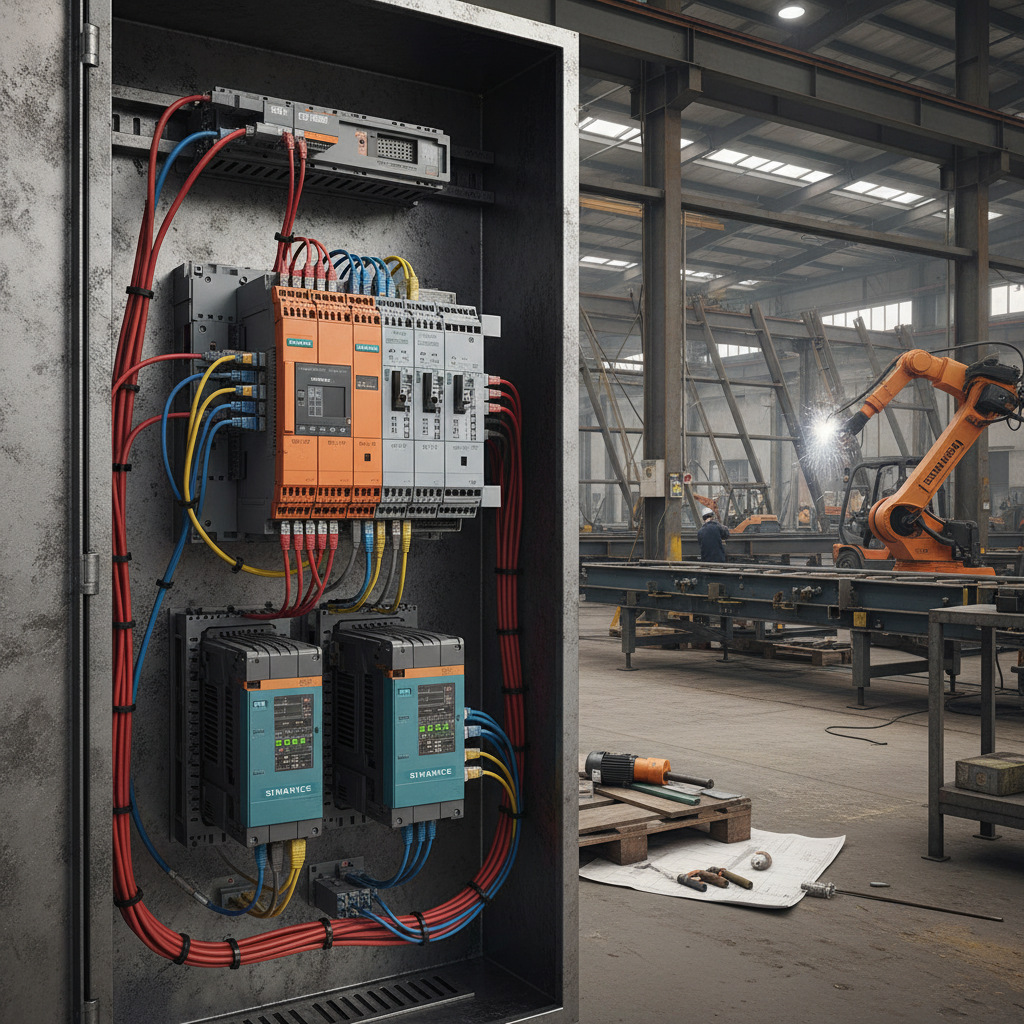
- Metallurgy: Enhancing control over rolling mills, furnaces, and material handling systems.
- Water Supply & Drainage: Optimizing pump operations in municipal and industrial water treatment facilities.
- HVAC: Energy-efficient control of fans and pumps in large commercial and industrial buildings.
- Pulp & Paper: Managing various motor-driven applications from pulping to finishing.
Advantages in these scenarios include significant energy savings (often 30-50% for variable torque loads), reduced mechanical stress on equipment through soft starts, and superior corrosion resistance for units designed with appropriate IP/NEMA ratings and coatings.
Evolving Industry Trends Shaping Variable Frequency Drives
The VFD market is dynamic, driven by technological advancements and increasing demands for efficiency and intelligence. Modern vfd manufacturers are at the forefront of these innovations:
- Miniaturization & Higher Power Density: Developing compact VFDs that deliver more power in smaller footprints, crucial for space-constrained applications.
- Enhanced Connectivity & IoT Integration: VFDs are increasingly equipped with advanced communication protocols (Modbus TCP/IP, EtherNet/IP, PROFINET) for seamless integration into industrial IoT (IIoT) and Industry 4.0 ecosystems, enabling remote monitoring, diagnostics, and predictive maintenance.
- Advanced Energy Efficiency: Focus on VFDs compatible with IE4/IE5 ultra-premium efficiency motors, regenerative drives that feed braking energy back to the grid, and advanced control algorithms for optimized energy consumption.
- Artificial Intelligence & Machine Learning: Implementing AI/ML algorithms for self-optimizing control, anomaly detection, and predictive fault identification, enhancing reliability and reducing downtime.
- Cybersecurity: Integrating robust cybersecurity measures to protect VFDs, as critical components, from unauthorized access and cyber threats, given their increased connectivity.
- Modular & Serviceable Designs: Designing VFDs with modular components for easier maintenance, faster repair, and future upgrades, reducing total cost of ownership.
Key Technical Specifications and Performance Parameters
Understanding the technical specifications of VFDs is paramount for proper selection and integration. Below is a table outlining crucial parameters:
| Parameter | Description | Typical Range/Value |
|---|---|---|
| Input Voltage/Frequency | The AC power supply requirements for the VFD. | 200-690V AC, 50/60 Hz |
| Output Voltage/Frequency | The modulated voltage and frequency supplied to the motor. | 0V to Input Voltage, 0-600 Hz |
| Rated Power (kW/HP) | The continuous power the VFD can deliver to the motor. | 0.2 kW to 2 MW+ |
| Overload Capacity | The percentage by which the VFD can exceed its rated current for a short duration. | 150% for 60s (heavy duty), 110% for 60s (light duty) |
| Control Mode | The method used to control motor speed and torque. | V/F (Volts/Hertz), Sensorless Vector Control (SVC), Closed-Loop Vector Control (FOC) |
| Switching Frequency | The frequency at which the VFD's power semiconductors switch. Higher frequency means smoother output but more heat. | 2 kHz to 16 kHz |
| Efficiency | The ratio of output power to input power, indicating energy loss. | Typically >97% |
| IP/NEMA Rating | Ingress Protection (International) or National Electrical Manufacturers Association (US) rating for environmental protection. | IP20 (open), IP54 (dust/splash), IP66 (dust/jet water), NEMA 1, 12, 4X |
| Communication Protocols | Methods for integrating the VFD into a control network. | Modbus RTU/TCP, Profibus, PROFINET, EtherNet/IP, DeviceNet, CANopen |
Vector Control: Advanced control modes like Sensorless Vector Control (SVC) and Field-Oriented Control (FOC) offer superior torque control and speed regulation, even at low speeds, making them ideal for high-performance applications where precise motor control is essential.
Diverse Application Scenarios Across Industries
VFDs are exceptionally versatile, finding application in nearly every sector where electric motors drive machinery. Their adaptability allows for significant gains in efficiency and control across various operational demands.
- Pumps & Fans: In HVAC systems, water treatment plants, and industrial cooling, VFDs optimize flow and pressure by adjusting motor speed, leading to substantial energy savings due to the cubic relationship between speed and power consumption.
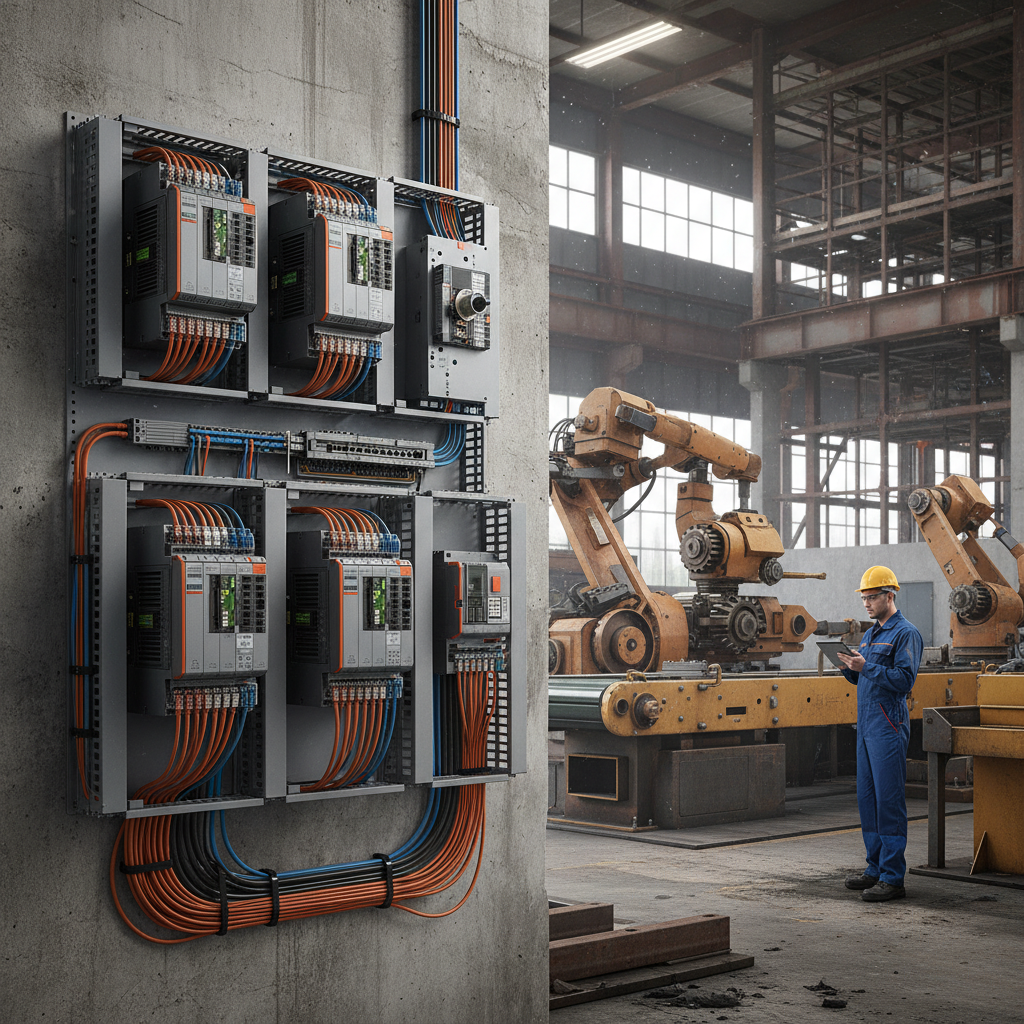
- Conveyors: They enable smooth acceleration and deceleration, preventing sudden jolts that can damage products or machinery. Precise speed synchronization is vital in complex conveying lines.
- Compressors: VFDs match compressor output to demand, eliminating inefficient on/off cycling and reducing power spikes, thereby saving energy and extending equipment life.
- Extruders & Mixers: Critical for processes requiring exact torque and speed control to maintain consistent product quality and throughput in plastics, food & beverage, and chemical industries.
- Cranes & Hoists: VFDs provide precise control over lifting and lowering operations, preventing load swing, ensuring smooth positioning, and often incorporating regenerative braking to recover energy.
- Machine Tools: For CNC machines, lathes, and milling machines, VFDs offer dynamic speed control for spindles and feed axes, improving machining accuracy and surface finish.
Unlocking Technical Advantages with Advanced VFDs
The strategic implementation of VFDs from reputable vfd manufacturers yields a multitude of technical and operational advantages:
- Significant Energy Savings: By precisely matching motor speed to load demand, VFDs eliminate wasted energy. In centrifugal pump and fan applications, reducing motor speed by 20% can result in energy savings of up to 50% due to the affinity laws.
- Enhanced Process Optimization: VFDs provide granular control over speed, torque, and acceleration, leading to tighter process control, improved product quality, and reduced material waste in manufacturing.
- Extended Equipment Longevity: Soft starts and stops eliminate the mechanical shock associated with direct-on-line (DOL) starting, significantly reducing wear and tear on motors, gearboxes, belts, and other mechanical components.
- Advanced Diagnostics & Protection: Modern VFDs incorporate sophisticated diagnostic capabilities and protection features against overcurrent, overvoltage, undervoltage, phase loss, motor overload, and overheating, safeguarding both the motor and the drive.
- Improved Power Factor: VFDs inherently improve the power factor of the motor system, reducing reactive power consumption and lowering electricity bills, especially in large industrial facilities.
- Corrosion Resistance & Environmental Adaptability: For harsh industrial environments, VFDs are available with high IP (Ingress Protection) or NEMA (National Electrical Manufacturers Association) ratings (e.g., IP66, NEMA 4X), providing robust protection against dust, water jets, and corrosive agents.
- Reduced Noise Levels: By precisely controlling motor speed, VFDs can often reduce acoustic noise levels, contributing to a more comfortable and compliant work environment.
Vendor Comparison and Differentiation in the VFD Market
Choosing the right VFD vendor is a critical decision that impacts long-term operational success. While many variable frequency drives manufacturers exist, differentiation often lies in product innovation, support, and specialization.
| Feature | Vendor A (Global Leader) | Vendor B (Specialized Innovator) | Vendor C (Cost-Effective & Robust) |
|---|---|---|---|
| Product Range | Full spectrum, low to ultra-high power, diverse industries. | Focus on niche high-performance, specialized applications (e.g., marine, oil & gas). | Broad range for general industrial use, good value for performance. |
| Advanced Control Features | Leading-edge vector control, integrated safety, predictive maintenance. | Proprietary algorithms for extreme precision, high dynamic response. | Standard vector control, robust protective functions. |
| Global Support & Service | Extensive global network, 24/7 support, comprehensive training. | Dedicated expert support, specialized field engineers. | Regional service centers, strong local distributor network. |
| Customization Options | High flexibility, modular platforms, integration services. | Deep engineering for highly specific application requirements. | Limited customization, focus on standard, widely applicable configurations. |
| IIoT & Connectivity | Native cloud connectivity, advanced edge computing capabilities. | High-speed industrial Ethernet, specialized data analytics platforms. | Standard industrial protocols (Modbus, Profibus). |
When selecting a vendor, it's crucial to assess not only the technical prowess of their VFDs but also their industry experience, after-sales support, and ability to provide tailored solutions for specific operational challenges.
Tailored and Customized VFD Solutions
While standard VFDs serve a broad range of applications, many industrial environments present unique challenges that necessitate customized solutions. Expert variable frequency drive supplier partners often provide bespoke VFD configurations and integrated systems to meet highly specific operational requirements.
Customization can involve:
- Specialized Enclosures: Custom IP/NEMA rated enclosures for extreme temperatures, corrosive atmospheres, or explosive environments (e.g., ATEX-certified VFDs).
- Unique Control Algorithms: Development of specific software logic for highly specialized machine functions, motor types, or process control sequences.
- Integrated Safety Functions: Custom Safe Torque Off (STO), Safe Stop 1 (SS1), or Safe Limited Speed (SLS) functionalities tailored to machine safety architectures.
- Non-Standard Communication Interfaces: Integrating VFDs with legacy control systems or niche industrial networks.
- Multi-Drive Systems: Designing and pre-configuring synchronized multi-drive systems for complex machinery like paper machines, printing presses, or large-scale conveyors.
- Optimized Cooling Solutions: Liquid-cooled VFDs or forced-air cooling systems designed for high-power applications or environments where air quality is poor.
This bespoke approach ensures maximum efficiency, seamless integration, and compliance with specific industry regulations, providing a distinct competitive advantage for businesses with unique operational demands.
Real-World Application Case Studies: VFDs in Action
The practical impact of VFD technology is best illustrated through successful real-world implementations:
Case Study 1: Municipal Water Treatment Plant Upgrade
A large municipal water treatment facility faced escalating energy costs from its fixed-speed pumps. By replacing traditional starters with VFDs from a leading manufacturer on its main water transfer pumps (ranging from 100 kW to 500 kW), the plant achieved an average of 35% energy reduction. The VFDs enabled precise pressure control based on real-time demand, reducing water hammer effects and extending the mechanical life of the pumps and piping system. The projected ROI was less than two years, demonstrating clear financial and operational benefits.
Case Study 2: Steel Rolling Mill Process Enhancement
A steel mill struggled with maintaining consistent tension and speed synchronization across multiple stands in its hot rolling process, leading to material defects and production bottlenecks. Implementing a multi-drive VFD system with closed-loop vector control provided precise coordination between each rolling stand. This resulted in a 15% increase in throughput, a 20% reduction in material waste due to improved tension control, and significantly enhanced product quality. The advanced diagnostic features of the VFDs also enabled predictive maintenance, minimizing unplanned downtime.
Case Study 3: Chemical Reactor Agitator Optimization
In a chemical processing plant, fixed-speed agitators in large reactors consumed excessive energy and provided suboptimal mixing for varying batch sizes. Installing VFDs allowed for dynamic adjustment of agitator speed to match specific reaction requirements. This optimization led to a 28% reduction in energy consumption and improved consistency in chemical reactions, enhancing product purity and reducing cycle times. The VFDs, housed in NEMA 4X enclosures, also provided the necessary protection against corrosive vapors, ensuring long-term reliability in a harsh environment.
Ensuring Trust and Authority: Our Commitment to Quality ()
As a professional entity in the industrial automation sector, our commitment to Expertise, Experience, Authoritativeness, and Trustworthiness () is foundational to our operations and product offerings.
Expertise & Experience:
Our team comprises highly skilled engineers with decades of combined experience in power electronics, motor control, and industrial automation. We leverage this deep knowledge to design and implement robust VFD solutions. Our experience spans countless successful installations across diverse industries, from petrochemical to water utilities, providing us with invaluable insights into real-world operational challenges and optimal VFD application strategies. Customer feedback consistently highlights our proactive problem-solving and tailored service delivery.
Authoritativeness:
- Certifications: All our products and manufacturing processes adhere to stringent international standards, including ISO 9001:2015 for quality management, CE marking for European safety compliance, and UL certification for North American markets. RoHS compliance ensures environmental responsibility.
- Partnerships: We collaborate with leading motor manufacturers, system integrators, and academic research institutions to stay at the forefront of technological advancements.
- Test Data & Analysis: Every VFD undergoes exhaustive testing, with detailed performance reports and lifecycle analyses available to demonstrate reliability and efficiency. This includes data from accelerated life testing (ALT) and environmental stress screening (ESS).
Trustworthiness:
Our commitment to transparency and customer satisfaction underpins our trustworthiness. We provide comprehensive documentation, clear warranty policies, and accessible support.
Frequently Asked Questions (FAQ) about VFDs
Q: What are the primary benefits of using a VFD?
A: The core benefits include significant energy savings, precise motor speed and torque control, reduced mechanical wear and tear on equipment, improved process efficiency, and enhanced diagnostic capabilities.
Q: How do VFDs save energy?
A: VFDs save energy by adjusting the motor's speed to match the actual load demand. For applications like pumps and fans, a small reduction in speed can lead to substantial energy savings, as power consumption is proportional to the cube of the speed (affinity laws).
Q: What factors should I consider when selecting a VFD?
A: Key considerations include motor power and voltage, application type (constant torque vs. variable torque), environmental conditions (IP/NEMA rating), desired control precision, communication requirements, and specific industry standards.
Q: Can VFDs be used with existing motors?
A: Generally, yes. Most standard induction motors can be operated with VFDs. However, it's essential to check the motor's insulation class and ensure it can handle the voltage spikes (dV/dt) generated by VFDs, especially for older motors or long cable runs. Motor manufacturers' recommendations should be followed.
Q: What is the typical lifespan of a VFD?
A: With proper installation, environmental conditions, and maintenance, a VFD can typically last between 10 to 15 years. The lifespan is largely influenced by the quality of its internal components, particularly electrolytic capacitors, and effective thermal management.
Q: How do vfd manufacturers ensure product reliability?
A: Reputable vfd manufacturers ensure reliability through rigorous R&D, use of high-quality components, advanced manufacturing processes, multi-stage testing and quality control (including burn-in and environmental stress tests), adherence to international standards (ISO, CE, UL), and continuous product improvement based on field data.
Lead Time, Warranty, and Comprehensive Customer Support
Our commitment extends beyond product delivery to comprehensive support throughout the entire lifecycle of our VFDs.
Lead Time and Fulfillment:
Standard VFD models typically have a lead time of 4-8 weeks, depending on current demand and regional stock. For customized solutions or high-power drives, lead times may extend to 10-16 weeks to accommodate specialized engineering and production. We maintain robust supply chain logistics and partner with global freight carriers to ensure timely and secure delivery to your facility worldwide.
Warranty Commitments:
We stand behind the quality of our products with a standard 1-3 year limited warranty, covering defects in materials and workmanship. Extended warranty options are available for specific products or large-scale projects, offering enhanced peace of mind. Full warranty details and terms are provided with each purchase.
Dedicated Customer Support:
- 24/7 Technical Assistance: Our dedicated technical support team is available around the clock to assist with troubleshooting, configuration, and operational queries.
- Field Service Engineers: A network of experienced field service engineers is available for on-site commissioning, preventative maintenance, and emergency repairs, minimizing downtime.
- Training Programs: We offer comprehensive training programs, both on-site and virtual, for your engineering and maintenance staff to ensure optimal operation and maintenance of our VFDs.
- Online Resources: Access to a comprehensive online portal with manuals, firmware updates, FAQs, and diagnostic tools.
Conclusion: Partnering for Efficiency and Innovation
The modern industrial landscape demands continuous innovation, efficiency, and reliability. Variable Frequency Drives are at the core of achieving these objectives, offering unparalleled control and energy savings for motor-driven applications. Choosing the right partner among vfd manufacturers is not merely a procurement decision but a strategic investment in operational excellence.
By understanding the intricate manufacturing processes, embracing emerging trends, and leveraging advanced technical capabilities, industries can unlock the full potential of their motor systems. Our dedication to quality, innovation, and comprehensive support ensures that our VFD solutions empower your operations to be more productive, sustainable, and resilient in the face of evolving industrial demands.
References
- IEEE Industry Applications Society. (2023). Proceedings of the Annual Meeting. Institute of Electrical and Electronics Engineers.
- NEMA MG 1-2016: Motors and Generators. (2016). National Electrical Manufacturers Association.
- U.S. Department of Energy. (2022). Energy Efficiency & Renewable Energy. Office of Energy Efficiency and Renewable Energy.
- International Electrotechnical Commission (IEC). (2021). IEC 61800 Series - Adjustable speed electrical power drive systems. IEC Standards.
- Bose, B. K. (2017). Modern Power Electronics and AC Drives. Pearson Education.