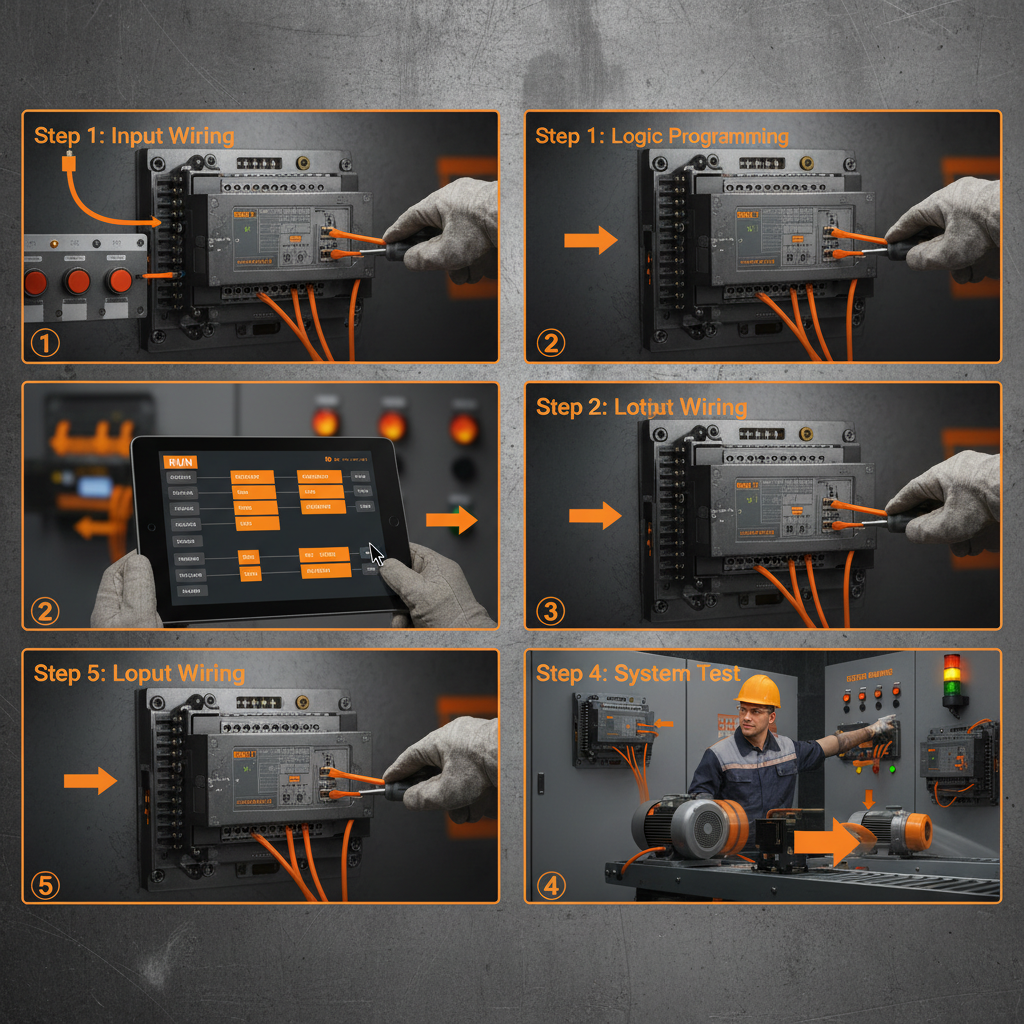
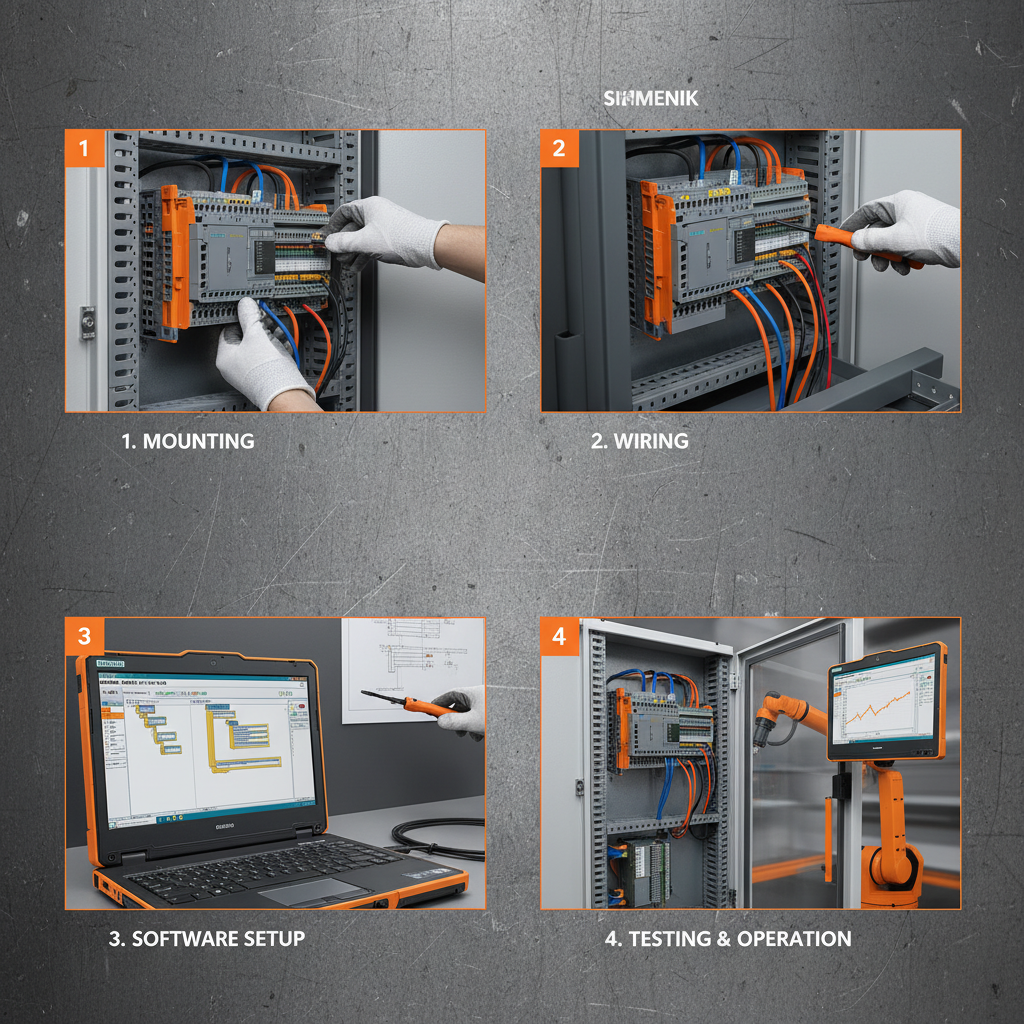
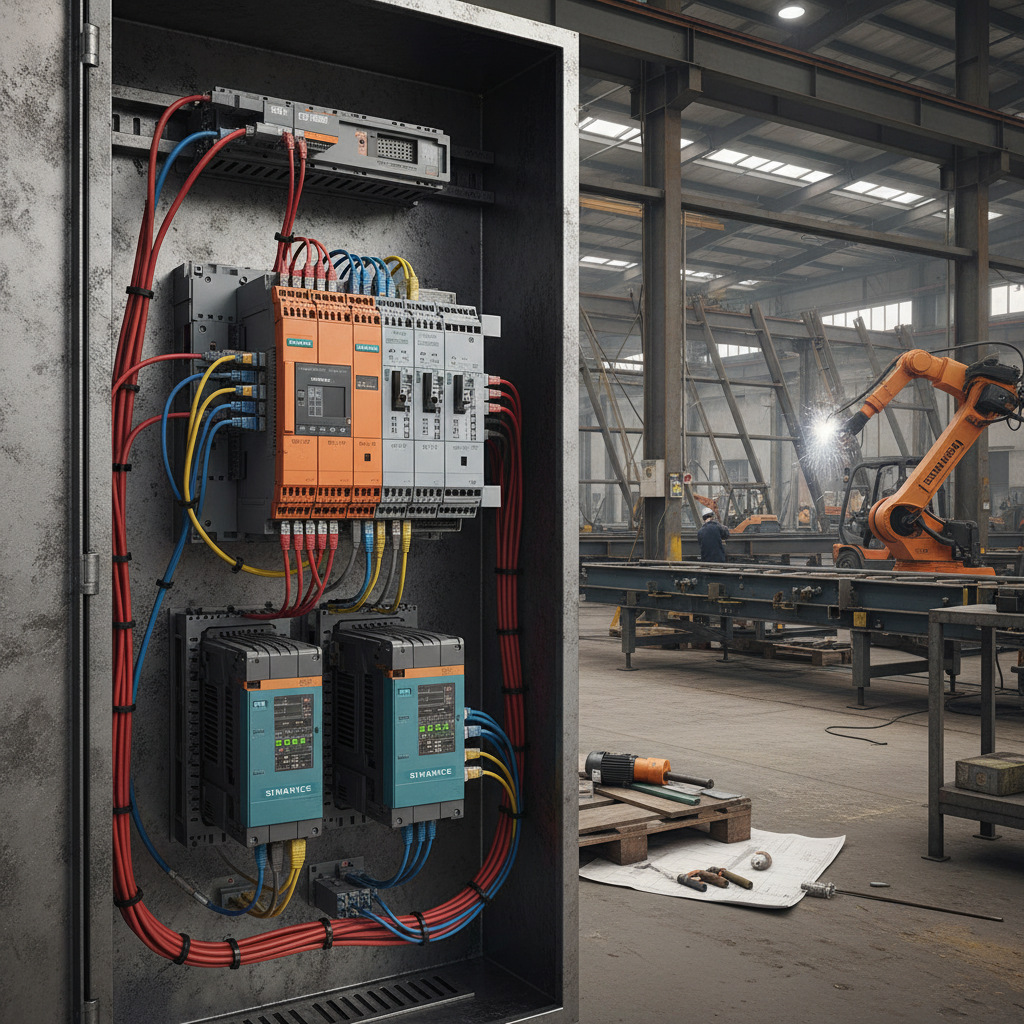
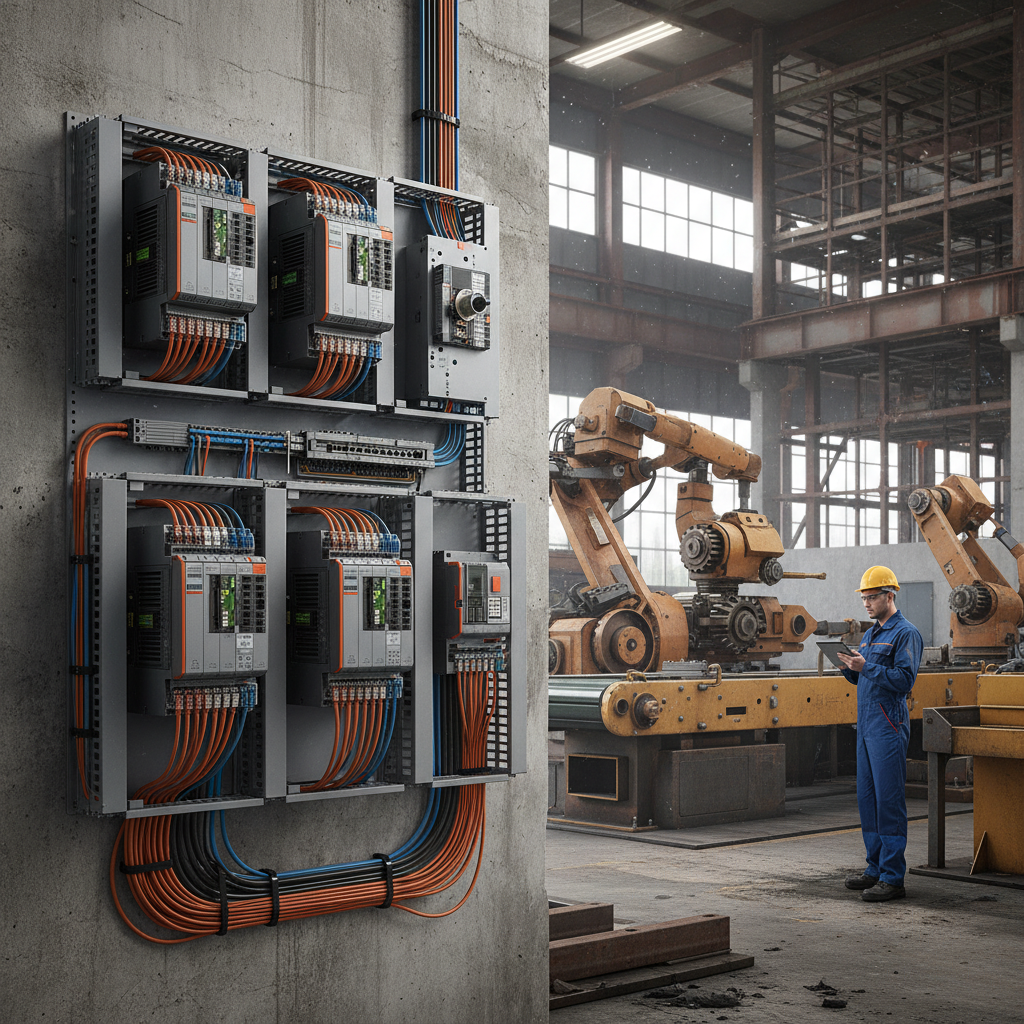
Variable Frequency Drive Working Principle PDF – Understanding VFD Technology for Industrial Efficiency
Variable Frequency Drive Working Principle PDF: Unlocking Efficiency in Modern Industry
It’s odd how something as abstract as a variable frequency drive working principle pdf can hold such a crucial place in industries worldwide. Essentially, it documents how variable frequency drives (VFDs) operate—controlling electric motor speed by adjusting frequency and voltage. The ripple effects of understanding this technology aren't just technical; they're global, from energy savings to reducing carbon footprints. For anyone navigating industrial automation or sustainable engineering, this topic is a linchpin.
Why the Variable Frequency Drive Working Principle Matters Globally
Before diving deep, here’s a quick reality check: The International Energy Agency reports that electric motors consume nearly half of global electricity in the industrial sector. That’s massive. Traditional motors running at fixed speeds often waste energy, especially under varying loads. VFD technology, detailed in variable frequency drive working principle pdf documents, tackles this inefficiency head-on.
Think of factories, water treatment plants, or HVAC systems — these applications often need flexible motor speeds. The VFD’s ability to adjust speeds dynamically translates to reduced energy consumption, reliability improvements, and even reduced mechanical stress. In a world striving for net-zero emissions, this plays a subtle but powerful role.
Defining the Variable Frequency Drive Working Principle
Simply put: a variable frequency drive converts input power to a variable voltage and frequency output to control the speed and torque of an AC motor. Unlike fixed-speed motors, VFDs adapt to the application’s needs in real time. The variable frequency drive working principle pdf usually outlines the key blocks—rectifier, DC bus, inverter—and how they collaborate.
Beyond just electrical engineering jargon, this principle connects deeply to modern needs. Picture humanitarian efforts in remote places, where power resources are unreliable—controlled motors reduce power loads, easing strain on electrical grids. Or in developing regions, where industrial efficiency can mean the difference between economic growth or stagnation.
Core Components and Key Factors in Variable Frequency Drives
1. Power Conversion Stages
The heart of the VFD lies in its rectifier converting AC to DC, the DC bus storing energy, and the inverter transforming DC back to adjustable AC. This orchestration enables variable output frequency and voltage. Without it, the "variable" part simply wouldn’t exist.
2. Control Algorithms & Sensors
Advanced VFDs use real-time feedback—via Hall sensors or encoders—to fine-tune speed and torque. This isn’t just fancy tech; it means smoother operation, less wear, and higher precision, critical in robotics or conveyor systems.
3. Thermal Management
Running power electronics generates heat. Effective cooling—via fans, heat sinks, or liquid cooling—is vital. Without it, components degrade quickly, and reliability plummets, adding to downtime costs.
4. Communication Interfaces
Modern VFDs often speak industry protocols like Modbus, PROFIBUS, or Ethernet/IP. This allows integration with factory automation, remote monitoring, and predictive maintenance.
5. Durability and Protection
VFDs include overload, short circuit, and phase loss protection. These features keep systems safe and ensure long lifetimes—even in harsh environments like mining sites or chemical plants.
Mini takeaway: Grasping these key elements provides not just technical insight but empowers applying VFDs for robust, efficient operations—whether it’s a bottling plant in Germany or an irrigation project in Kenya.
Real-World Applications and Global Use Cases
Variable frequency drives aren’t a niche curiosity—they’re a workhorse behind the scenes in:
- Manufacturing: Conveyors, pumps, and fans adjust smoothly to production demands, slashing energy use.
- Water & Wastewater Treatment: Pump speed control meets fluctuating loads without waste.
- HVAC Systems: Heating, ventilation, and air conditioning units optimize airflow and reduce peak loads.
- Renewable Energy: Wind turbines and solar inverters rely on VFD logic for variable speed control.
In post-disaster relief operations in Southeast Asia, for example, portable water pumps with VFDs adapt to power availability, preserving precious fuel. Similarly, industrial zones in Latin America use VFDs to handle inconsistent grid quality, improving uptime and productivity.
Advantages and Long-Term Value
- Cost Savings: Energy reductions up to 30–50% in variable-load applications can dramatically lower operational expenses.
- Sustainability: Less energy equals reduced CO2 emissions — a quiet but potent climate contribution.
- Reliability: Soft-start features reduce mechanical stress, extending equipment life.
- Comfort & Safety: Gradual acceleration avoids sudden jolts, protecting operators and machinery.
It’s not just logic or numbers—it feels good knowing your equipment isn’t guzzling energy unnecessarily. It’s an emblem of modern, responsible engineering.
Future Trends in Variable Frequency Drive Technology
As industries digitize, VFDs are becoming smarter. Embedded AI algorithms predict failures before downtime happens. Drives interfacing with IoT cloud platforms offer energy optimization dashboards in real-time. On the materials side, silicon carbide (SiC) semiconductors promise higher efficiency and smaller sizes.
Green energy integration means VFDs will increasingly moderate power fluctuations from renewable sources, stabilizing grids. Sustainability mandates worldwide push manufacturers toward eco-friendly designs and circular economy principles in electronics.
Common Challenges—and How Experts Overcome Them
VFDs aren’t magic bullets. Harmonics caused by drives can degrade power quality. Also, upfront costs and complexity intimidate small businesses. Yet, mitigation methods include harmonic filters and user-friendly interfaces. Experts stress training and modular designs to simplify deployment.
Industry hubs often run pilot programs or workshops to share best practices. Frankly, hands-on experience mixed with solid reference materials like variable frequency drive working principle pdf makes all the difference.
Product Specification: A Typical Industrial Variable Frequency Drive
| Specification | Detail |
|---|---|
| Input Voltage | 380-480 V AC |
| Output Frequency Range | 0.1 Hz to 400 Hz |
| Power Rating | 0.75 kW to 500 kW (modular) |
| Cooling Method | Forced air / Liquid cooled |
| Communication Protocols | Modbus, PROFINET, Ethernet/IP |
| Protection Features | Overload, Short circuit, Phase loss |
Vendor Comparison Table
| Vendor | Power Range (kW) | Efficiency (%) | Smart Features | Typical Applications |
|---|---|---|---|---|
| Tianjin Yongkai | 0.75 - 500 | 97 | IoT ready, AI fault prediction | Manufacturing, Water treatment |
| Siemens | 0.37 - 800 | 96 | Integrated PLC, Modbus | Automation, HVAC |
| Schneider Electric | 0.18 - 630 | 95 | EcoStruxure enabled | Refrigeration, Mining |
Frequently Asked Questions About Variable Frequency Drive Working Principles
- Q1: What does a variable frequency drive working principle pdf typically cover?
- A typical PDF explains how VFDs convert electrical power, control algorithms for speed regulation, and installation or maintenance guidelines—crucial for engineers and technicians to implement or troubleshoot VFDs effectively.
- Q2: How do VFDs improve energy efficiency in motor-driven systems?
- By adjusting motor speed and torque to the actual demand rather than running at constant full speed, VFDs minimize wasted energy, particularly in fans, pumps, and conveyors where load fluctuations are common.
- Q3: Can I use a VFD with any type of motor?
- Most VFDs are designed for AC induction motors, but some models support synchronous and permanent magnet motors. Compatibility depends on the drive’s technology and control features.
- Q4: Are VFDs suitable for harsh industrial environments?
- Yes. Many VFDs incorporate protective enclosures, cooling systems, and conform to IP ratings to withstand dust, moisture, and temperature extremes.
- Q5: Where can I find a reliable variable frequency drive working principle pdf for training?
- Manufacturers like Tianjin Yongkai provide comprehensive PDFs and manuals online. These are recommended for their accuracy and detailed diagrams.
Conclusion
Understanding the variable frequency drive working principle pdf is much more than an academic exercise. It’s an entry ticket to practical, flexible, and sustainable industrial solutions worldwide. By mastering this knowledge, engineers and decision-makers can slash energy costs, improve equipment life, and contribute quietly but meaningfully to global sustainability goals.
Curious to learn more or dive into the technology? Visit our website for detailed guides, product info, and expert insights.
One takeaway? Energy efficiency in industry hinges on smart control—and variable frequency drives control that smartly.