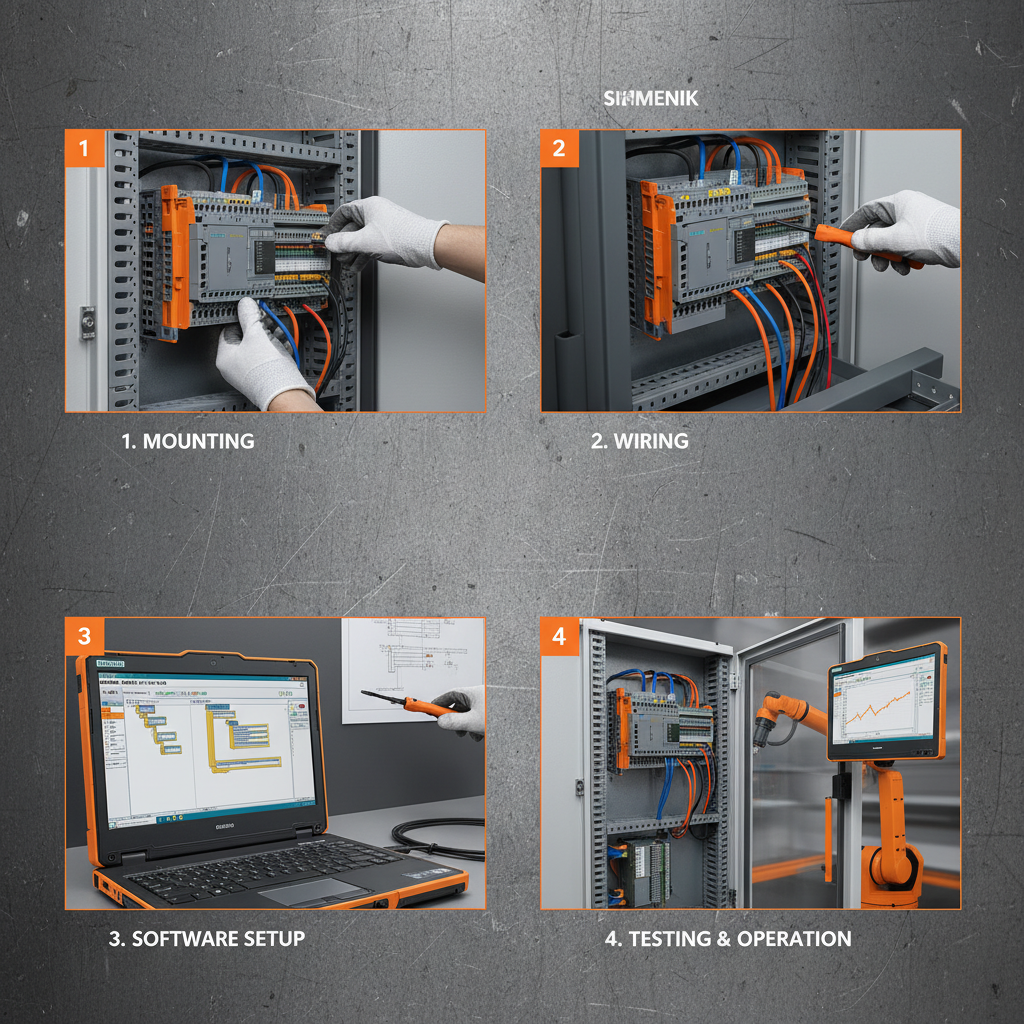
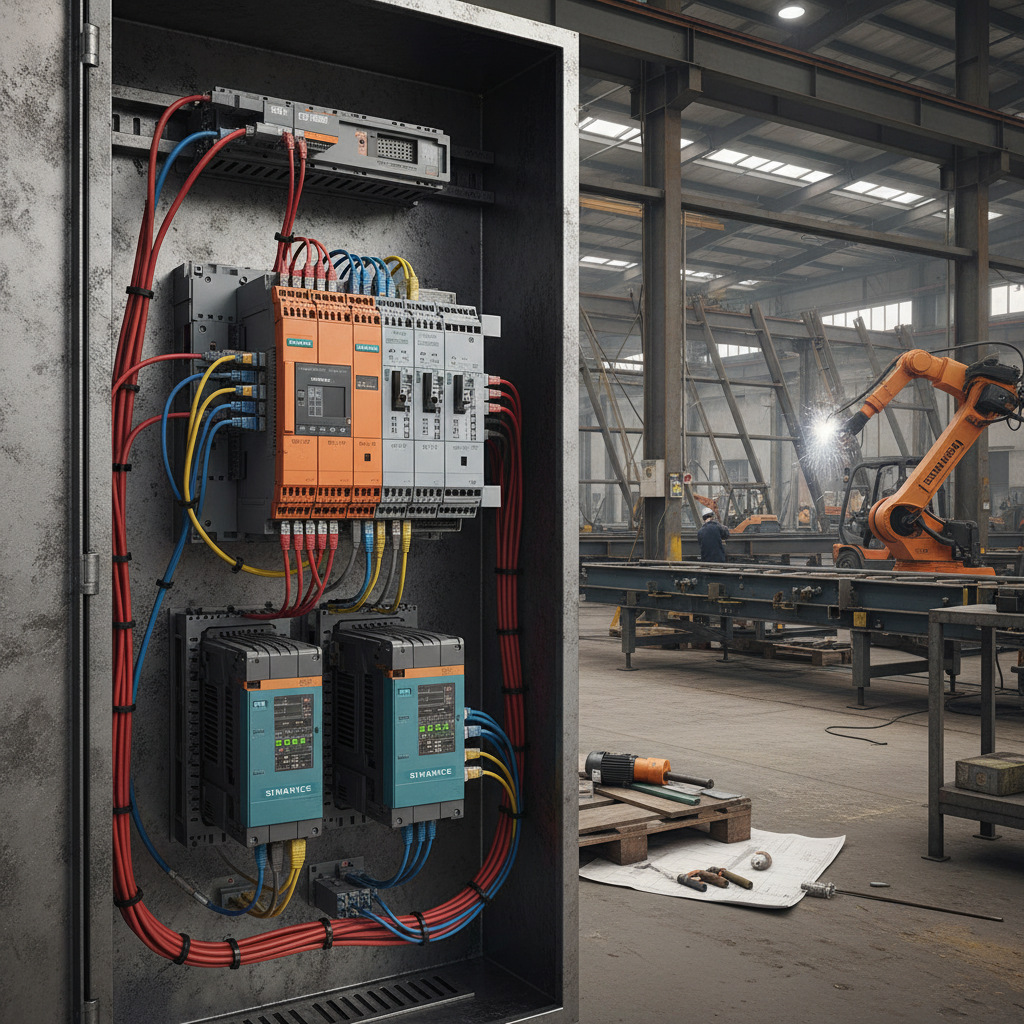
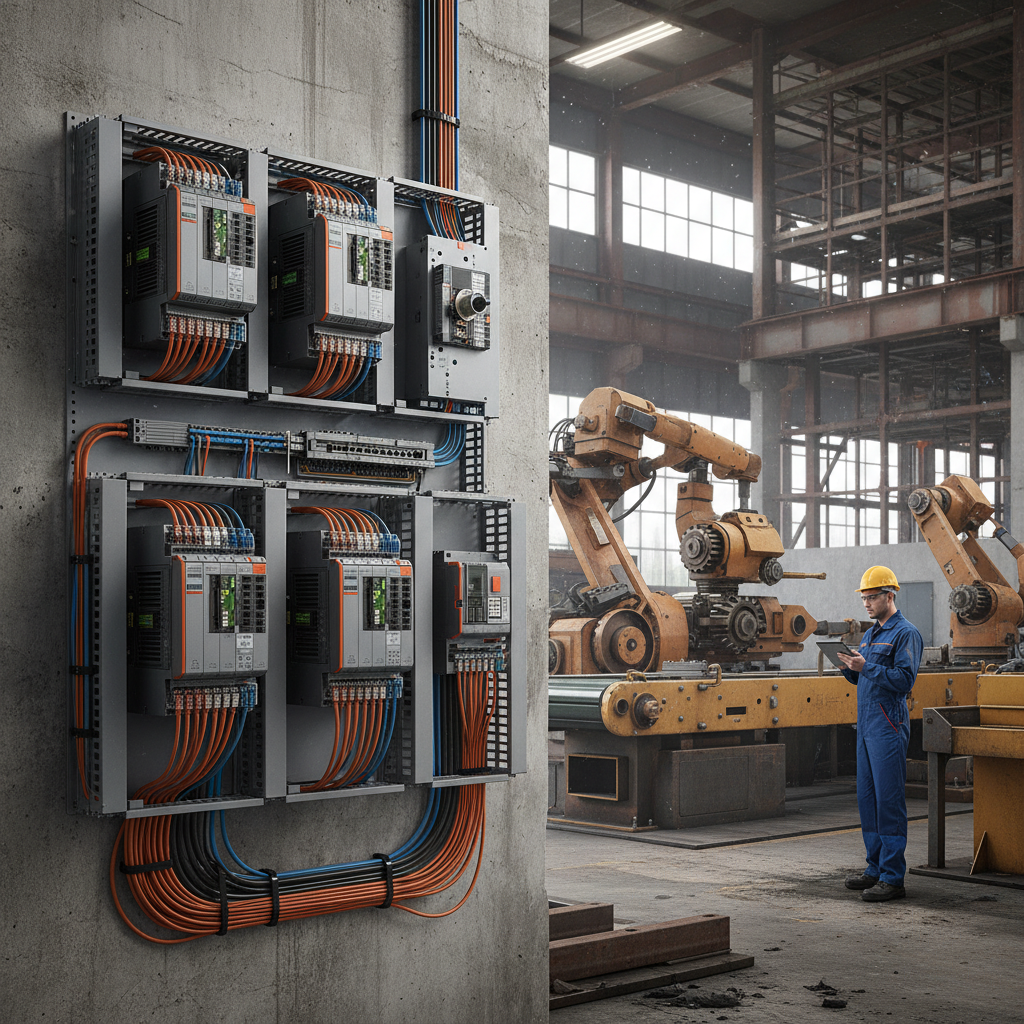
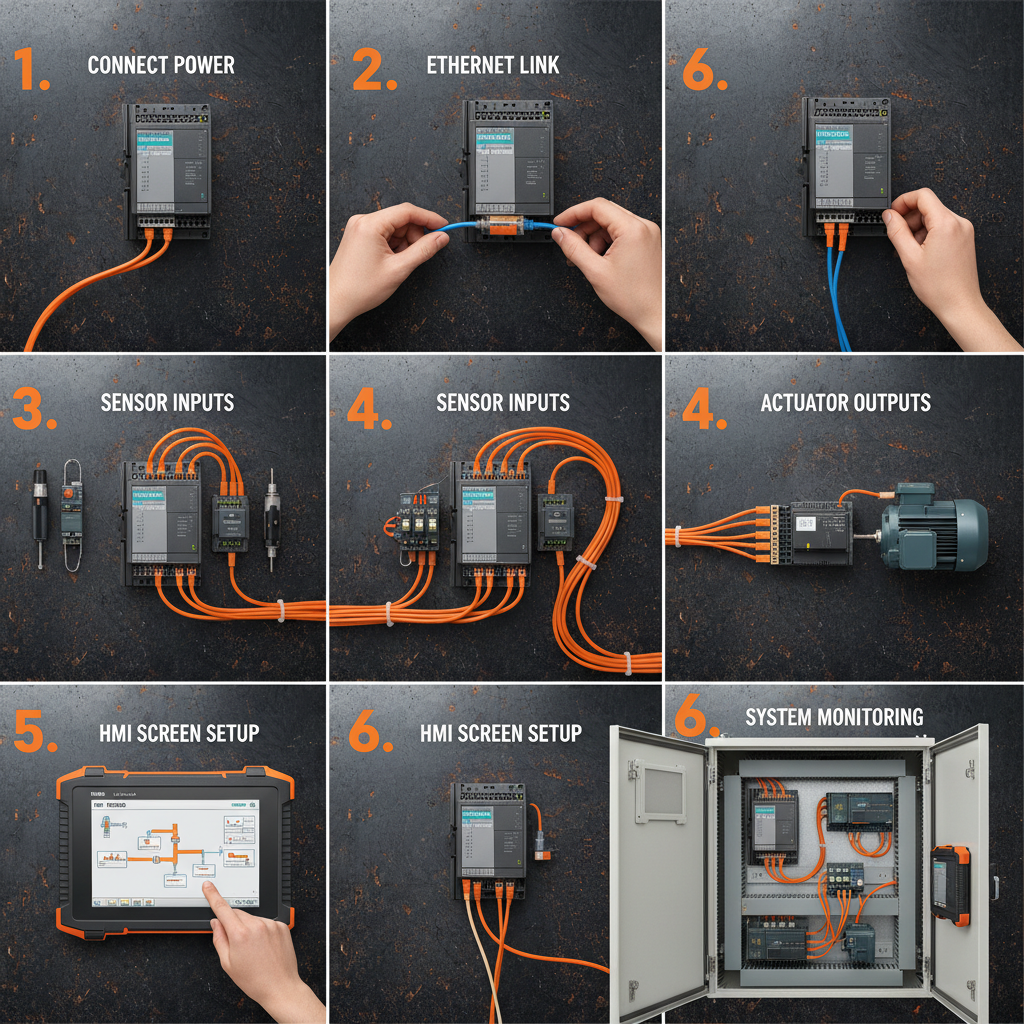
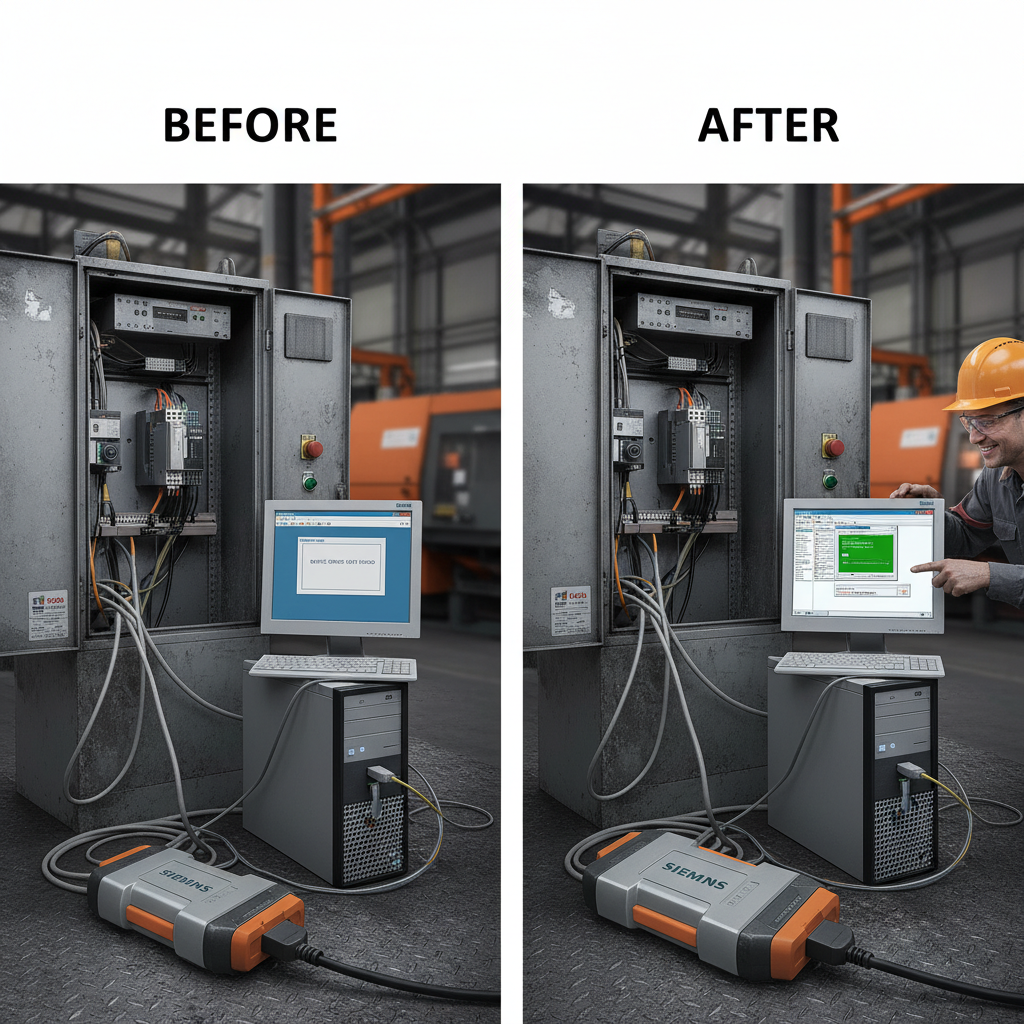
What Does a VFD Drive Do A Comprehensive Guide to Variable Frequency Drives
What Does a VFD Drive Do? A Comprehensive Guide
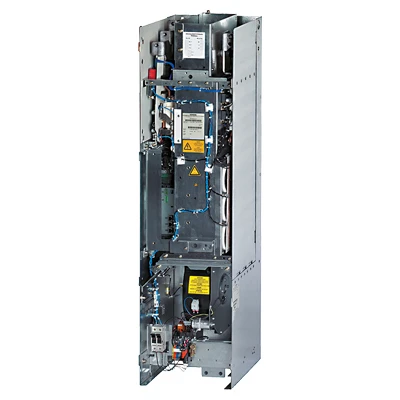
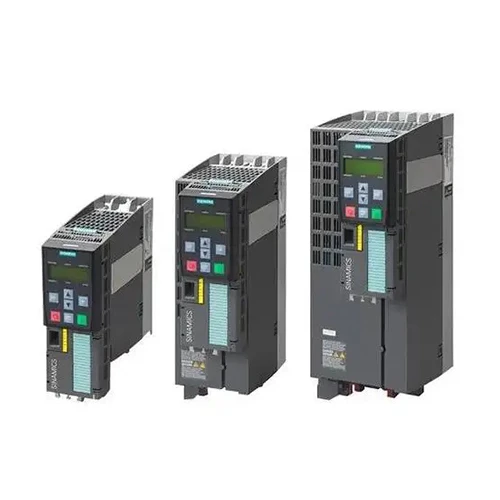
A Variable Frequency Drive (VFD), also known as an adjustable speed drive, is a crucial component in modern industrial applications. It's a device that controls the speed of an AC electric motor by varying the frequency and voltage supplied to the motor. This article will delve into the core functionality of VFDs, their benefits, applications, and factors to consider when choosing the right drive for your needs. Understanding VFD drives is essential for optimizing processes and improving energy efficiency. We will explore how they work and why they are a cornerstone of efficient motor control.
Understanding the Core Function of a VFD Drive
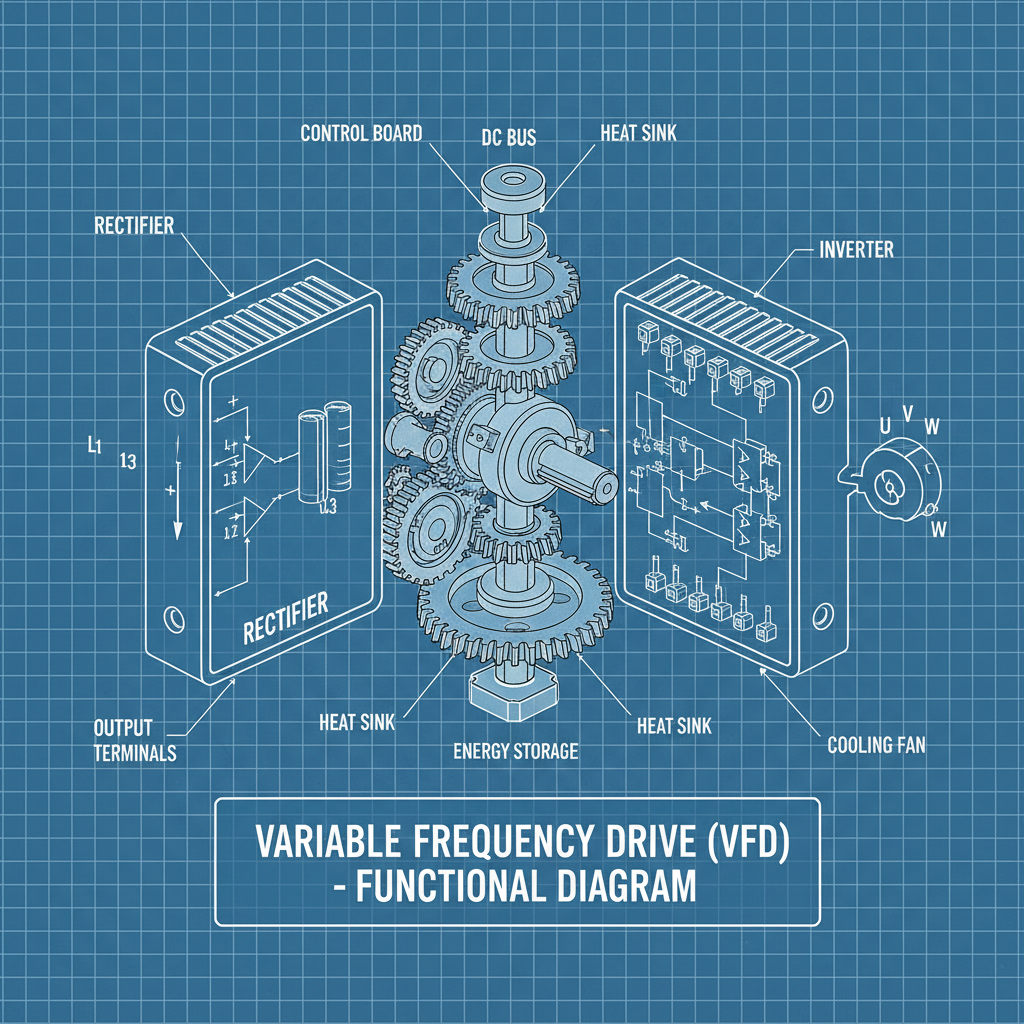
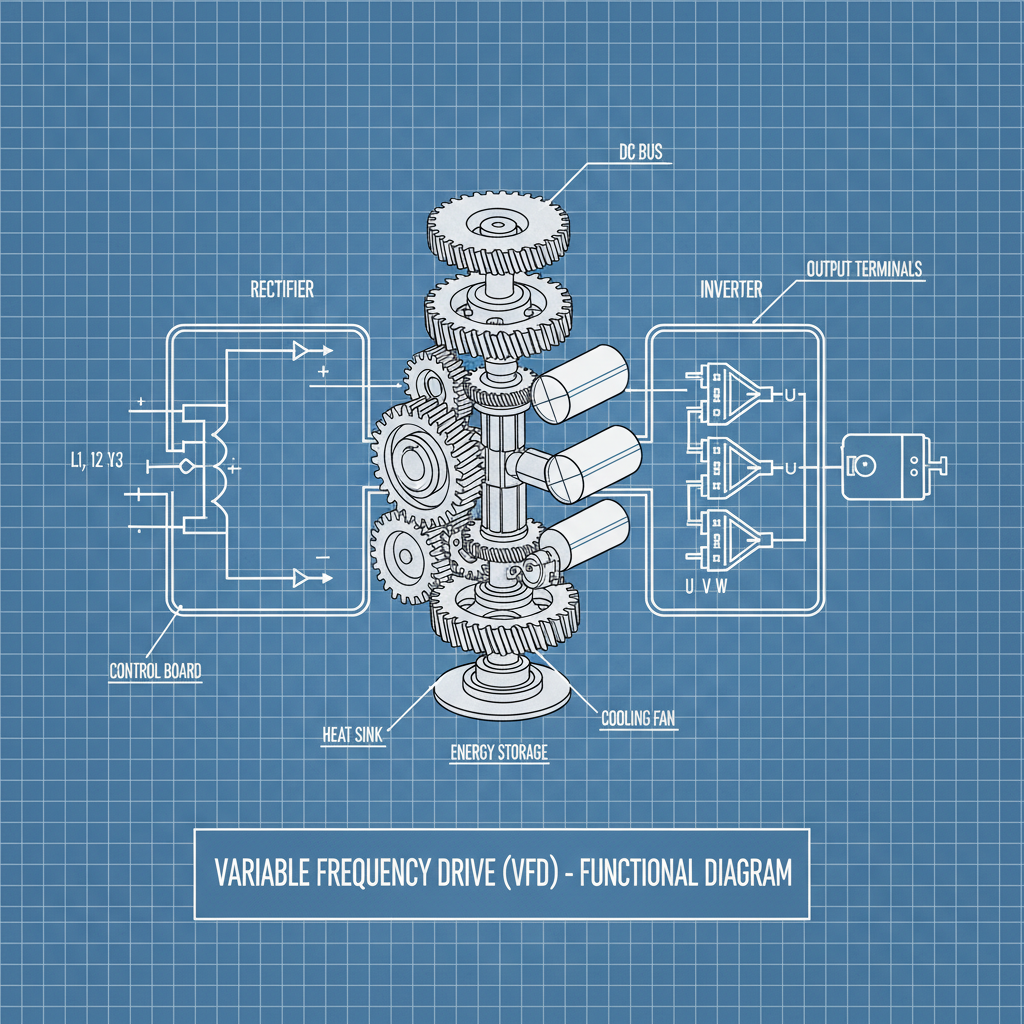
At its heart, a VFD drive takes incoming AC power and converts it into DC power. Then, it inverts the DC power back into AC power, but with the ability to precisely control the frequency and voltage. By adjusting the frequency, the VFD directly controls the speed of the motor. Lowering the frequency slows the motor, while increasing the frequency speeds it up. Crucially, the VFD also maintains a constant voltage-to-frequency ratio to ensure the motor receives the appropriate power for optimal performance. This sophisticated control allows for precise motor operation, leading to significant improvements in process control and energy savings. A well-configured VFD can dramatically improve the efficiency and reliability of industrial systems.
Key Highlights: A VFD converts AC to DC, then back to AC with adjustable frequency and voltage. This control enables precise speed regulation and significant energy savings.
The Benefits of Implementing a VFD Drive
Implementing a VFD drive offers a multitude of benefits. Firstly, it provides precise speed control, allowing for optimized process control and improved product quality. Secondly, VFDs result in significant energy savings, particularly in applications with variable loads like pumps and fans. By matching motor speed to actual demand, you avoid wasting energy running a motor at full speed when it’s not needed. Thirdly, they extend motor life by reducing mechanical stress. Furthermore, VFDs can reduce inrush current during motor starting, minimizing stress on the electrical system. And finally, they offer improved system reliability through features like overload protection and fault detection. Choosing the right VFD drive is an investment in long-term operational efficiency.
VFD Benefits:
• Precise Speed Control
• Significant Energy Savings
• Extended Motor Life
• Reduced Inrush Current
• Improved System Reliability
VFD Drive Applications: Where are They Used?
VFD drives are incredibly versatile and used across a wide range of industries. Common applications include pumps, where they optimize flow and pressure; fans, where they control airflow and reduce energy consumption; conveyors, where they regulate speed and material handling; compressors, for efficient air supply; and HVAC systems for precise temperature control. Industries benefiting from VFD technology include manufacturing, water treatment, oil and gas, mining, and food and beverage processing. The ability to precisely control motor speed makes VFDs ideal for processes requiring variable output, such as mixing, blending, and dosing. Investing in a VFD drive from a reputable supplier like Tianjinyongkai is a smart move for any industrial operation.
Choosing the Right VFD Drive for Your Application
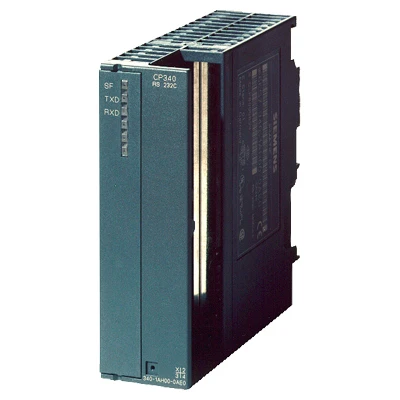
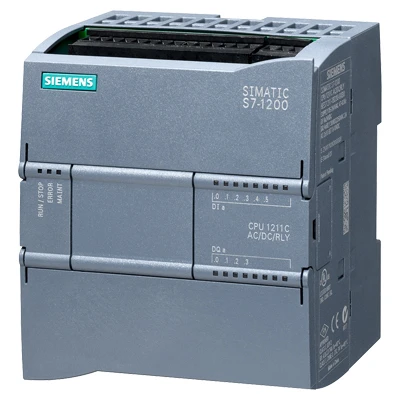
Selecting the appropriate VFD drive involves considering several factors. The motor horsepower is a primary consideration, as the VFD must be sized to handle the motor's power requirements. The application type dictates the necessary features and protection levels. For example, a harsh industrial environment requires a more robust enclosure. The voltage and frequency of the power supply must also be matched to the VFD's specifications. Furthermore, consider features like communication protocols (e.g., Modbus, Ethernet) for integration with automation systems. Finally, choosing a reputable supplier like Tianjinyongkai ensures you receive a quality product with reliable support.
VFD Drive Types: A Quick Overview
There are several types of VFD drives available, each suited for different applications. Standard duty VFDs are commonly used for general-purpose applications. Heavy-duty VFDs are designed for demanding environments and higher overload capabilities. Vector control VFDs provide precise torque and speed control, ideal for applications requiring high performance. Sensorless vector control VFDs offer similar performance without the need for a speed encoder, reducing cost and complexity. Understanding the differences between these types will help you select the optimal VFD for your specific needs. You can find detailed specifications and options at Tianjinyongkai’s website.
Conclusion: Harnessing the Power of VFD Technology
A VFD drive is a powerful tool for optimizing industrial processes, reducing energy consumption, and improving system reliability. By understanding the core functionality, benefits, and applications of VFDs, you can make informed decisions to enhance your operations. Don't underestimate the potential impact of VFD technology on your bottom line.
Frequently Asked Questions (FAQs)
What are the common issues with VFD drives?
Common issues include overheating due to inadequate cooling, voltage fluctuations affecting performance, harmonic distortion causing interference, and capacitor failure. Regularly inspecting the VFD for dust buildup, ensuring proper ventilation, and using line reactors to mitigate harmonics can prevent these problems. Proper grounding is also crucial for preventing electrical noise and ensuring safe operation. If issues persist, consulting a qualified technician is recommended.
How does a VFD save energy?
VFDs save energy by allowing the motor speed to be adjusted to match the actual demand. In applications like pumps and fans, the power consumption is proportional to the cube of the speed. Therefore, reducing the speed by even a small amount can result in significant energy savings. For instance, reducing the speed by 20% can save approximately 50% of the energy. This is a fundamental principle behind the energy efficiency benefits of VFDs.
Can a VFD be used with any AC motor?
While VFDs can be used with many AC motors, it’s crucial to ensure compatibility. Standard induction motors are generally suitable, but it's essential to check the motor’s insulation rating and ensure it's sufficient for the voltage stresses imposed by the VFD. For older motors, it might be necessary to use an output filter or inverter-duty motor to protect the motor windings from damage. Synchronous motors also require specific VFD configurations.
What is the role of harmonics in a VFD system?
VFDs generate harmonic currents, which can distort the power supply and cause issues with other equipment. These harmonics can lead to overheating of transformers and neutral conductors, as well as interference with sensitive electronic devices. Using line reactors, DC chokes, or harmonic filters can mitigate these harmonic effects and maintain a clean power supply. Proper system design and component selection are crucial for minimizing harmonic distortion.