Look, I've been running around construction sites for over a decade now, and let me tell you, things are changing. It used to be all about raw power, biggest motor wins. Now? Efficiency, control… everyone’s chasing those sweet, sweet energy savings. And variable frequency drives – VFDs – are at the heart of it. Used to be those big, clunky starters, you’d be lucky if they didn't spark and smoke. Now these VFDs, they're getting smaller, smarter, and honestly, a lot more reliable. It's not just about saving electricity anymore, it’s about precision. variable frequency drives manufacturer are really pushing the boundaries these days.
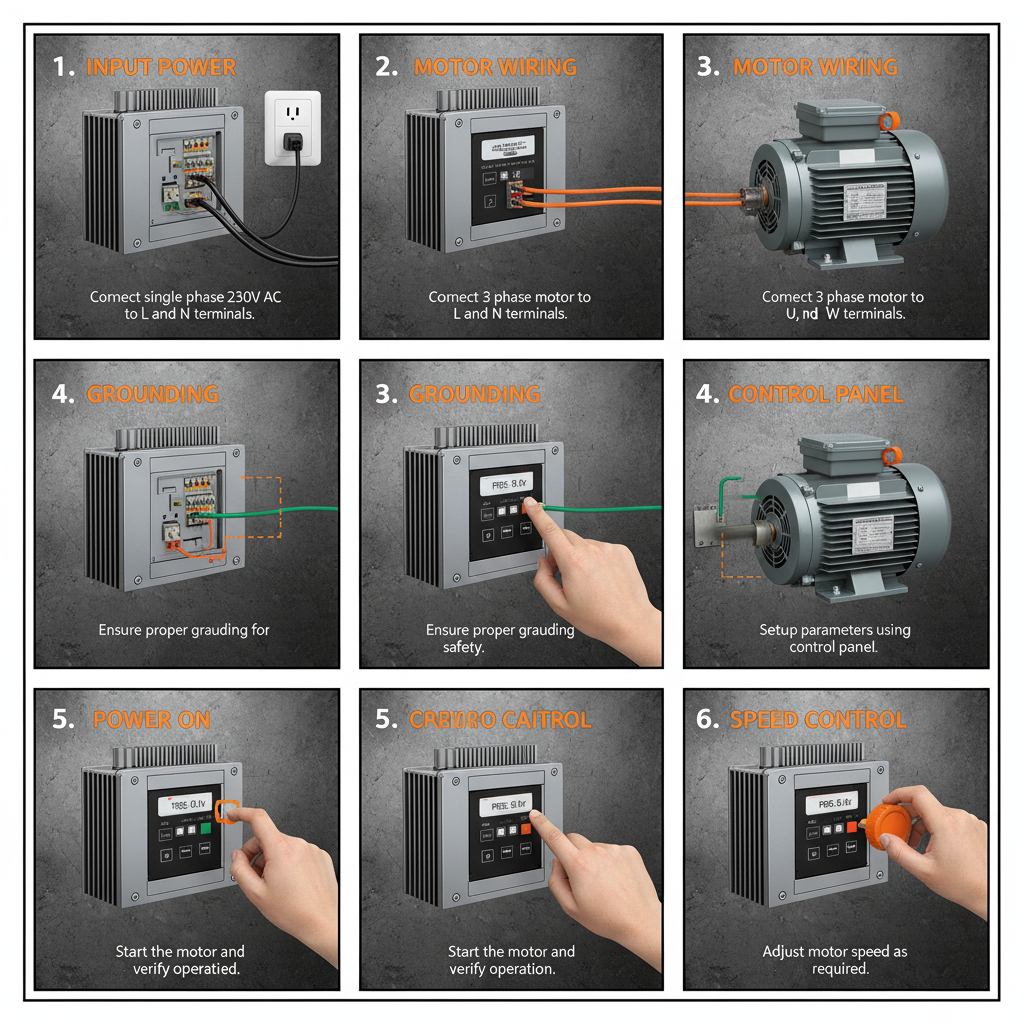
What's weird is how many people still underestimate the installation. They think it's just plug and play, but it's not. It's got to be grounded right, shielded correctly, and the wiring… oh, the wiring. I swear, half my job is fixing someone else’s messy cable management.
And don't even get me started on the spec sheets. Numbers are numbers, but they don't tell you how it's gonna feel in your hands when you're wrestling with it in a dusty machine room.
The Current Landscape of Variable Frequency Drives
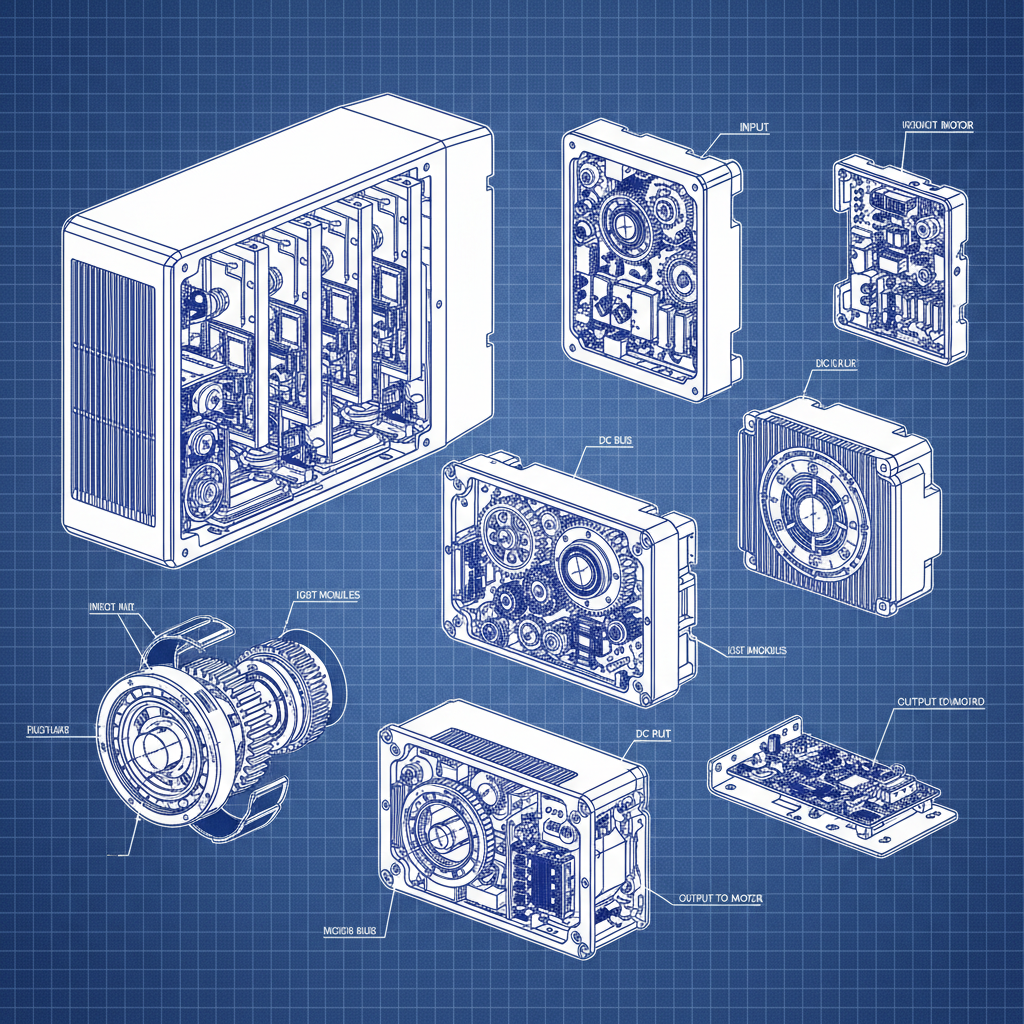
To be honest, the biggest trend right now is miniaturization and integration. Everyone wants a VFD that's smaller, more powerful, and can talk to everything else on the network. Industrial IoT, they call it. I saw a unit at a factory in Tianjin last month that was barely bigger than a shoebox, yet it controlled a 500-horsepower motor. Strangely enough, the guys running it were more worried about the software interface than the hardware itself. They wanted to see real-time data, predictive maintenance alerts… the whole nine yards. These variable frequency drives manufacturer are getting smart.
And it’s not just about the big industrial stuff. Even smaller applications, like HVAC systems, are adopting VFDs. It saves energy, reduces noise, and extends the life of the equipment. It's a win-win, really. But getting the right one for the job… that’s where it gets tricky.
Common Design Pitfalls in VFDs
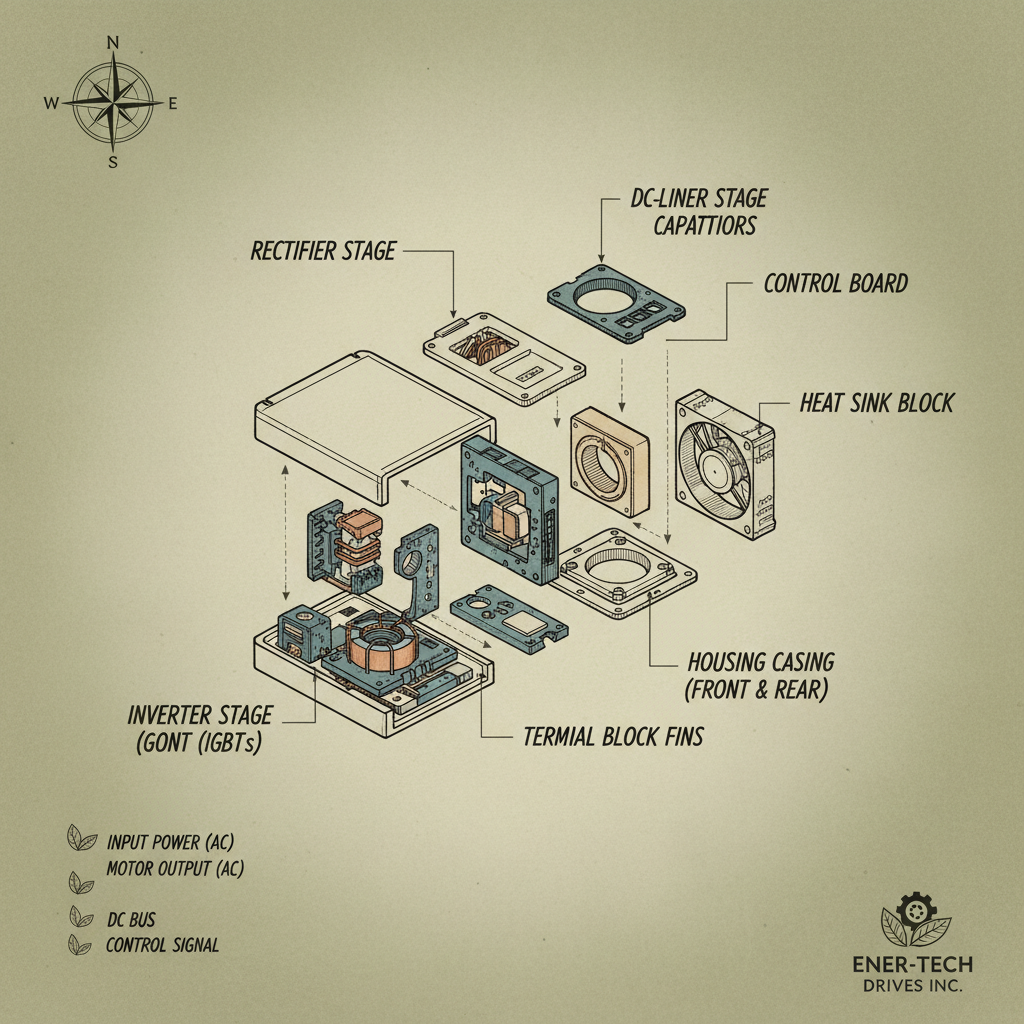
Have you noticed how many VFDs overheat if you don't have proper ventilation? It’s ridiculous! They’ll slap a heatsink on it and call it a day, but if it's crammed into a tight enclosure, it's just asking for trouble. I encountered this at a pump station in Shandong province last summer. The whole thing shut down during peak demand because the VFD couldn't breathe.
And the capacitors... oh, the capacitors. They're often the first thing to go, especially in harsh environments. Cheap capacitors, they’ll bulge and leak like crazy. You gotta look for units with high-quality, long-life capacitors. It adds to the cost, sure, but it saves headaches in the long run.
Another thing – the cooling fan. A flimsy little fan that barely moves any air? Forget about it. You need a robust fan that can withstand dust, humidity, and vibration.
Materials and Their Real-World Handling
Now, let's talk materials. The enclosure, for instance. Steel is good, solid, but it’s heavy and can rust. Aluminum is lighter, corrosion-resistant, but it dents easily. I've seen guys kick a dent into an aluminum enclosure just by leaning against it. And the plastic… the plastic varies wildly. Some cheap plastic gets brittle in the cold and cracks, others melt in the heat.
The heatsinks, those are usually aluminum too, but the quality of the finish matters. A rough finish will collect dust and grime, reducing its efficiency. A smooth, anodized finish is much better. You can tell a good heatsink just by looking at it – it’ll feel solid and well-made.
Then there's the wiring. Copper is king, of course, but the gauge and insulation are crucial. Thin, poorly insulated wires will overheat and cause problems. I always recommend using stranded wire, not solid core, for better vibration resistance. It just feels more robust, you know? It even smells different – a clean copper smell, not that cheap, plasticky one.
Rigorous Testing: Beyond the Lab
Look, lab tests are fine, but they don’t tell you the whole story. You need to see how these VFDs perform in real-world conditions. I like to test them by running them at full load for extended periods, in a hot, dusty environment. See if they overheat, see if the fans fail, see if the capacitors bulge.
I also like to subject them to vibration. Mount them on a vibrating platform and see if anything rattles loose. And don't forget about electrical surges and voltage fluctuations. These things happen on construction sites, all the time. A good VFD should be able to handle them without shutting down.
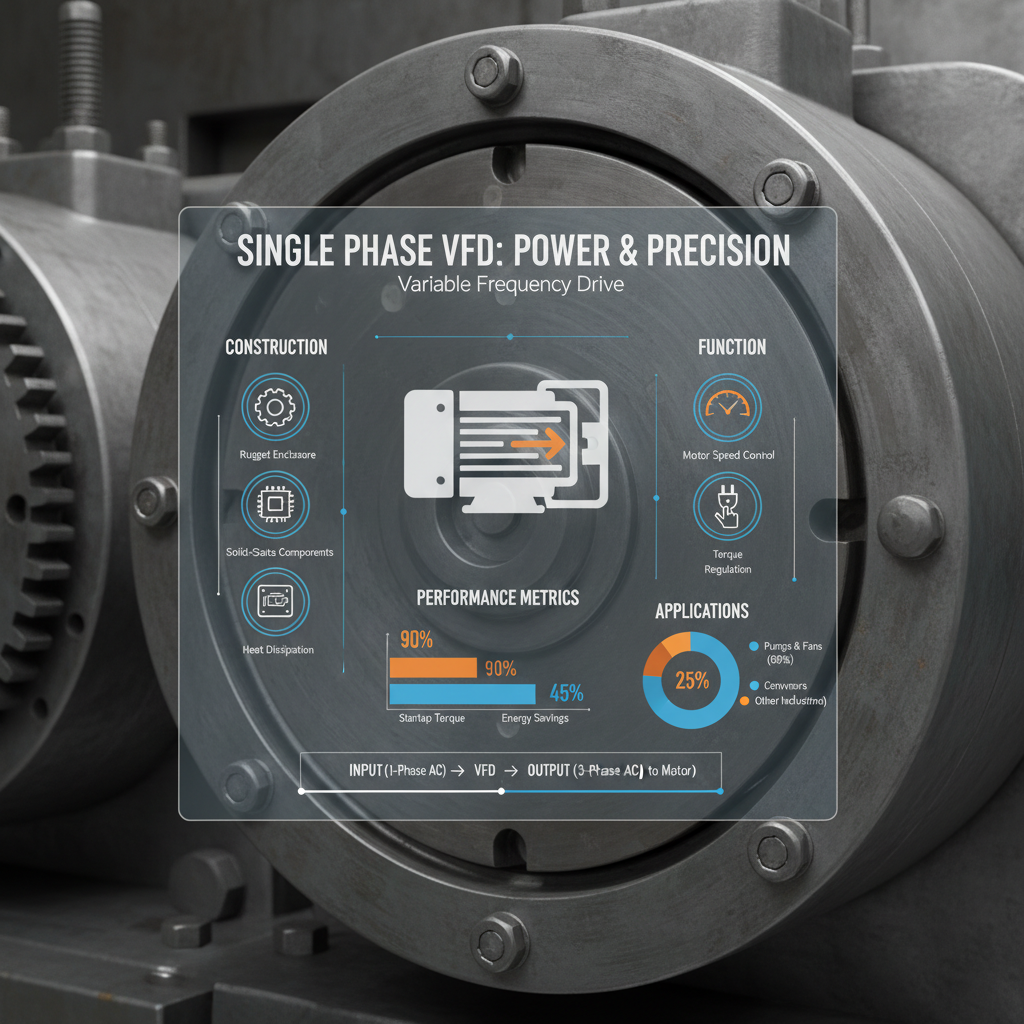
VFD Performance Metrics in Real-World Scenarios
How Users Actually Employ Variable Frequency Drives
You know, I always ask the guys on-site how they really use these things. And it's often different from what the engineers designed for. They'll bypass the safety features, tweak the settings to squeeze out a little more power, or just ignore the warning lights. It's frustrating, but it happens.
They also tend to be surprisingly rough on the equipment. Dropping tools, spilling liquids, leaving them exposed to the elements... You gotta design for the worst-case scenario, not the ideal one.
The Upsides and Downsides
Okay, the advantages are obvious: energy savings, precise control, extended equipment life. But the downsides? They can be complex to set up, require specialized training, and they're not cheap. And if something goes wrong, troubleshooting can be a nightmare. You need someone who understands the system, not just a guy with a screwdriver.
Anyway, I think the biggest challenge is the learning curve. A lot of technicians are used to dealing with simple on/off switches, not programmable logic controllers. You gotta invest in training, or you’re gonna end up with a lot of frustrated people and broken equipment.
Honestly, if I could wave a magic wand, I’d make these things more user-friendly. Simpler interfaces, better documentation, and more intuitive controls. That's what we need.
Customization and Real-World Adaptations
Now, customization is where variable frequency drives manufacturer really shine. Last month, this small boss in Shenzhen who makes smart home devices insisted on changing the interface to because he said "it looks more modern." It was a pain, let me tell you, but they did it. He wanted it to match his phone chargers, apparently. It drove the engineers crazy, but it made the customer happy.
And it’s not just about aesthetics. Sometimes you need to customize the control algorithms to match a specific application. For example, a customer in the food processing industry needed a VFD that could precisely control the speed of a conveyor belt to prevent product damage. We had to rewrite the software to get it just right.
The key is to find a manufacturer who’s willing to work with you, who understands your needs, and who can deliver a customized solution that meets your requirements. It's not always easy, but it's worth it in the end.
Summary of VFD Customization Options
| Customization Area |
Complexity Level |
Typical Cost Impact |
Lead Time (Weeks) |
| Interface Changes (e.g., Connector Type) |
Low |
Minimal |
2 |
| Enclosure Modifications (e.g., Size, Material) |
Medium |
Moderate |
4 |
| Firmware Adjustments (e.g., Speed Control) |
High |
Significant |
6 |
| Communication Protocol Integration |
Medium |
Moderate |
5 |
| Custom Cooling Solutions |
High |
Significant |
8 |
| Specialized Coating for Harsh Environments |
Low |
Minimal |
3 |
FAQS
Honestly, it varies wildly. Cheap ones? Maybe 3-5 years. Good ones, with proper maintenance and good cooling? 10 years or more. The biggest killer is heat. Keeping it clean and cool is half the battle. I've seen units that are 15 years old and still going strong, but those are the exception, not the rule. It also depends on the load cycle—constant full load will shorten lifespan considerably.
Oh boy, where do I start? Poor grounding is number one. You need a proper ground to prevent electrical noise and damage. Second, running the motor cables too close to the VFD cables. That creates interference. And finally, not using shielded cables. Shielded cables are essential for protecting the VFD from electromagnetic interference. People try to save a few bucks, and then they end up paying for it later.
It’s huge, especially in facilities with a lot of sensitive equipment. VFDs generate harmonic distortion, which can cause problems with other devices. Harmonic filters help to reduce that distortion. It’s not always necessary, but if you're experiencing issues with voltage fluctuations or equipment malfunctions, it's definitely something to consider. It’s like putting a silencer on a noisy engine, you know?
For pumps, you want a VFD that has built-in pump control functions. Things like constant pressure control, flow control, and sleep/wake functions. Those simplify the setup and operation. Also, look for a VFD that can handle the motor's starting torque without tripping. Pumps can be tough on VFDs, because they require a lot of torque to get started.
Yes, they absolutely can. VFDs can improve the power factor by reducing the reactive power demand. A better power factor means less energy waste and lower electricity bills. It’s not a huge impact, but it adds up over time. It’s a little bonus on top of all the other benefits.
First, check the power supply. Make sure the VFD is getting the correct voltage. Second, check the input and output fuses. Third, look for any error codes on the display. And finally, if you're still stuck, call a qualified technician. Don’t mess around with high voltage if you don’t know what you’re doing. It's not worth the risk.
Conclusion
So, there you have it. Variable frequency drives are becoming increasingly important in modern industry, offering significant benefits in terms of energy efficiency, control, and reliability. But they’re not a magic bullet. Proper installation, maintenance, and customization are crucial for getting the most out of them.
Ultimately, whether this thing works or not, the worker will know the moment he tightens the screw. It's about the real-world application, not just the numbers on a spec sheet. If you’re looking for a reliable variable frequency drives manufacturer, do your research, ask questions, and choose a partner who understands your needs.