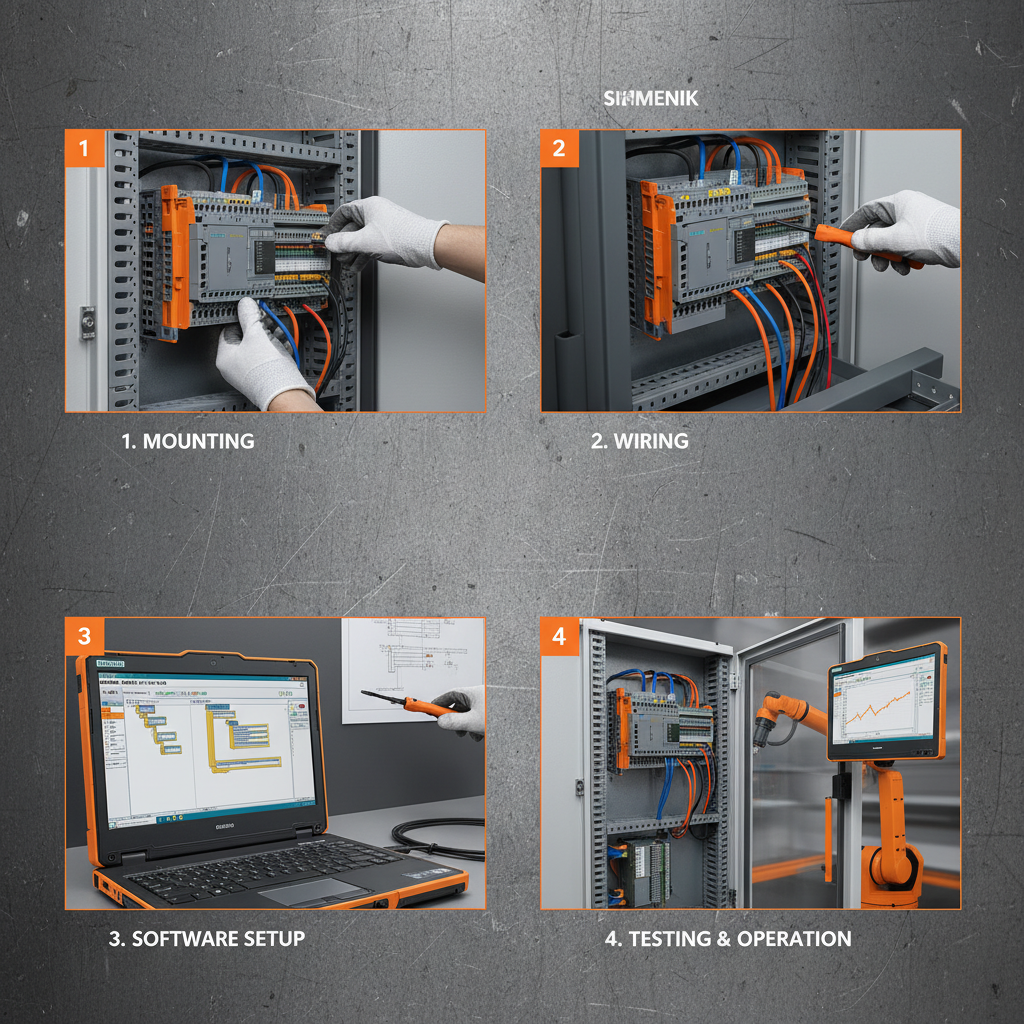
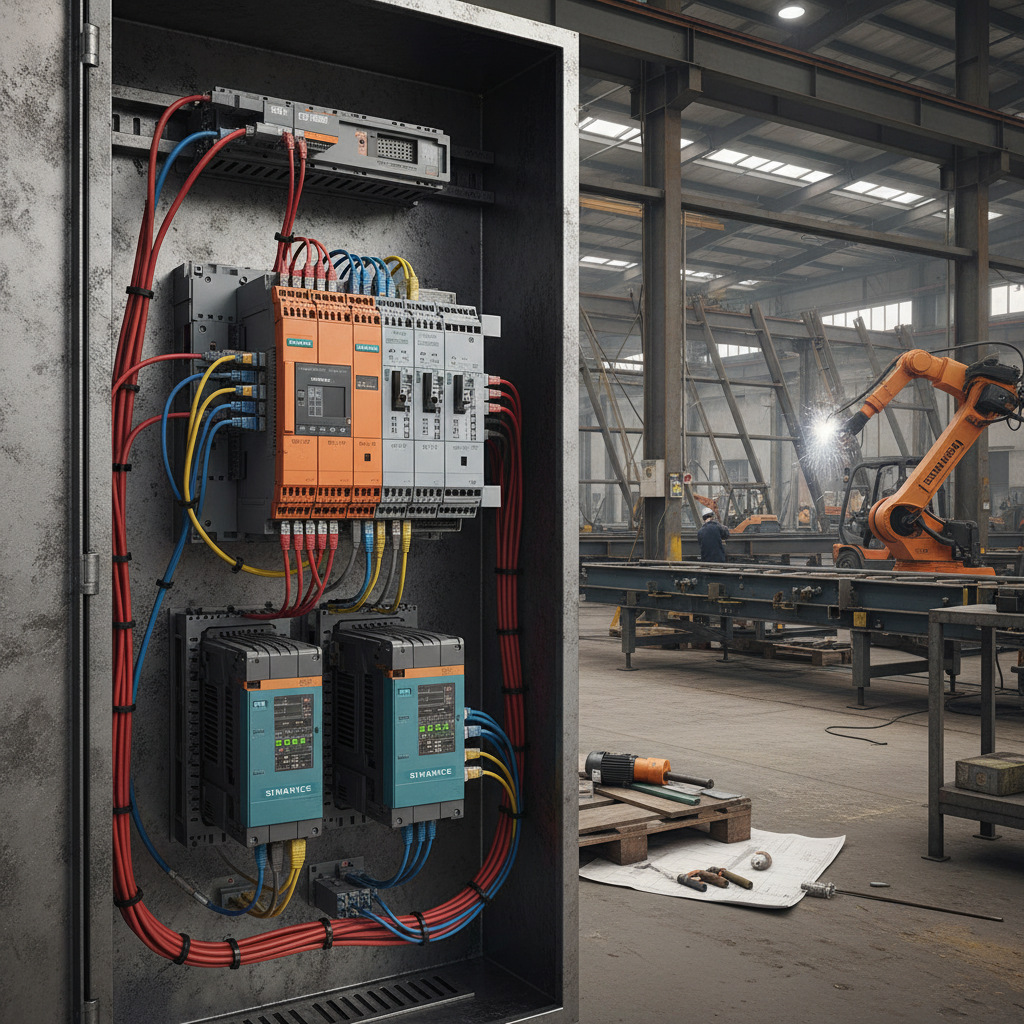
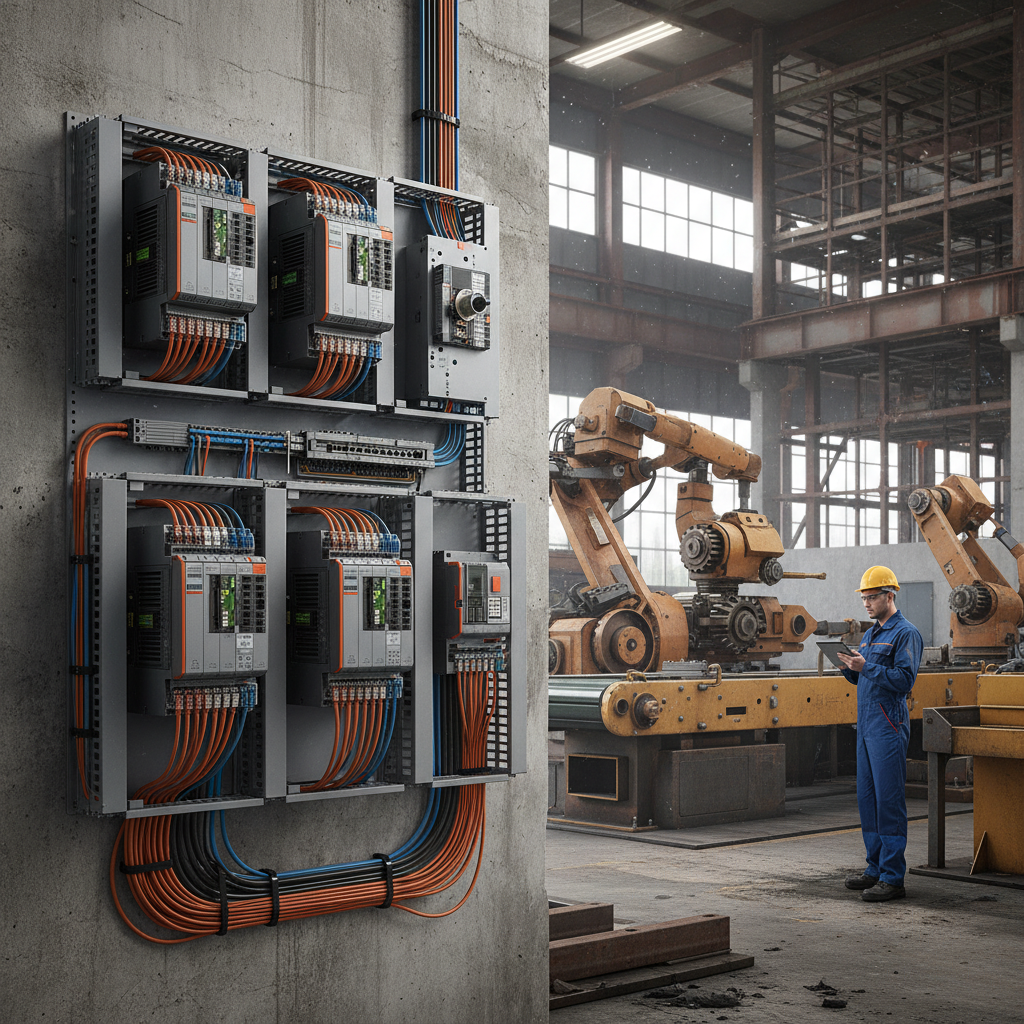
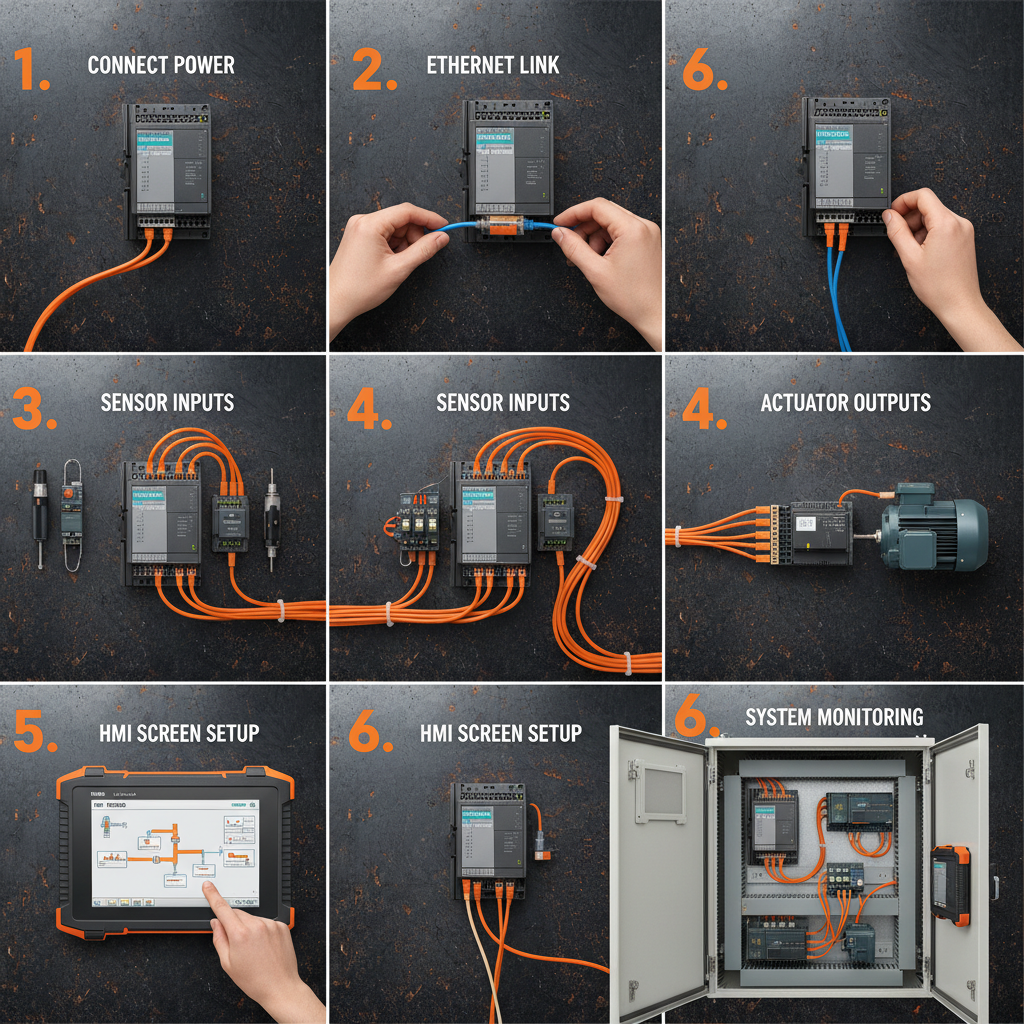
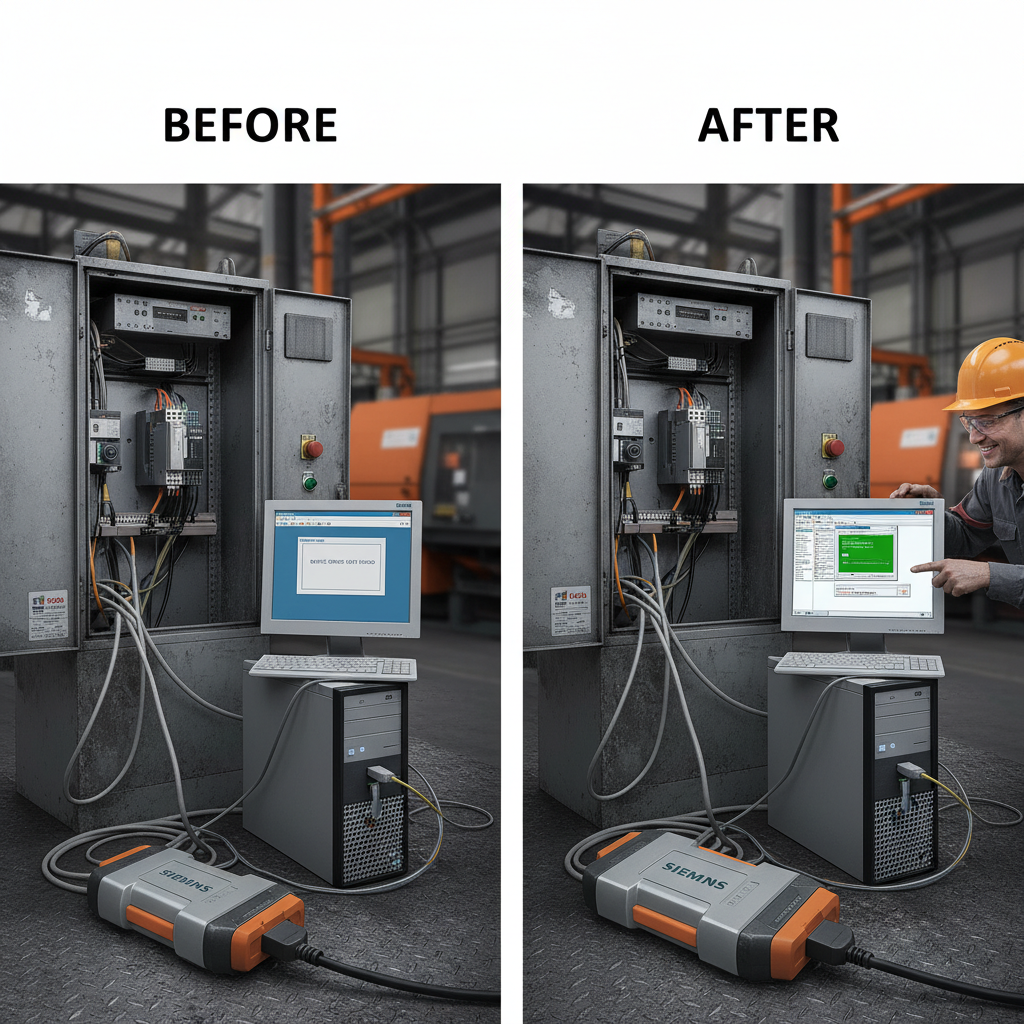
Best VFD for 10 HP Motor - Energy Efficient Variable Frequency Drives
Why a VFD for 10 HP Motor Matters Globally
Variable Frequency Drives (VFDs) for 10 HP motors might seem like a niche detail — but globally, they represent a key lever for energy efficiency and industrial modernization. According to the International Energy Agency, electric motors account for more than 40% of global electricity consumption in industry, so optimizing them has broad implications. A VFD allows precise speed control of motors, reducing energy waste, improving machinery lifespan, and enabling smarter automation.
Understanding VFDs in the context of typical 10 HP motors—common in many small- to medium-sized industrial setups—helps manufacturers, engineers, and facility managers save money and reduce carbon footprints. If you think about it, every facility globally that runs pumps, fans, conveyors, or compressors with these motors could benefit from a VFD upgrade.
Mini takeaway: VFDs are a small piece mechanically but a giant step for global energy savings and sustainable industry.
The Big Picture: Global Trends in VFD for 10 HP Motor
The push for energy efficiency is universal. The UN’s Sustainable Development Goal 7 emphasizes affordable, clean energy — and motors with VFDs fit right into that ambition by reducing energy waste. The World Bank reports that industry accounts for nearly 30% of global energy consumption, mostly electrical. By adding VFD technology to common 10 horsepower motors, industries worldwide — from Asia’s manufacturing hubs to Europe’s green initiatives — achieve significant operational improvements.
However, a major challenge is legacy equipment: many sites still operate fixed-speed motors without variable control, leading to energy loss and mechanical strain. Smart, adaptable VFD systems are key solutions, marrying old installations with modern efficiency goals.
What Exactly Is a VFD for 10 HP Motor?
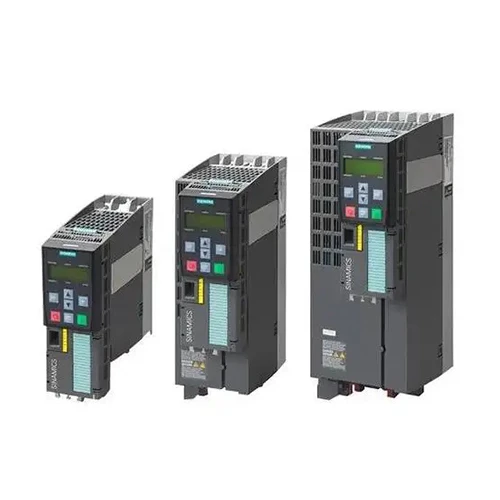
In simple terms: a Variable Frequency Drive (VFD) controls the speed of an electric motor by adjusting the frequency and voltage of its power supply. For a 10 HP (horsepower) motor—a common industrial size—the VFD customizes speed, matching actual load demands rather than running full throttle always. This flexibility means less wear, less energy consumption, and better process control.
These drives are integral to modern industry because they unlock automation, safety, and precision across countless applications, and humanitarian projects (think water pumping in disaster zones or remote power systems) rely on reliable, efficient motors, often with VFDs embedded for resilience.
Key Features of VFDs for 10 HP Motors
1. Energy Efficiency
By adjusting motor speed to precise needs, VFDs prevent energy waste. Many engineers say you can save up to 30% or more compared to fixed-speed operation—especially in varied-load scenarios like pumps or fans.
2. Durability and Protection
VFDs often include protection circuits against overload, short circuits, and overheating, which prolong the life of a 10 HP motor by avoiding harsh startups and sudden stops. This means fewer repairs and less downtime.
3. Scalability & Flexibility
Though designed for 10 HP motors, many VFDs support a range of operating voltages and can scale up or down in settings. This helps businesses adapt to changing needs without a full hardware swap.
4. Communication & Automation Integration
Modern VFDs come fitted with digital interfaces (like Modbus, Profibus) allowing them to plug into larger automated systems — factories today want everything interconnected, so this is essential.
5. Cost Efficiency Over Time
While the upfront cost can be a concern, saving energy, reduced maintenance, and improved process control generally make the investment worthwhile within 1-3 years.
Mini takeaway: VFDs combine technical smarts and practical benefits, fitting into modern management systems seamlessly.
Real-World Uses of VFD for 10 HP Motor
Think industrial plants running conveyors, HVAC systems in office buildings, or irrigation pumps on farms. Regions from India’s burgeoning manufacturing sector to North America’s green tech initiatives apply VFDs to optimize motor operation. For example, in post-disaster relief — say after floods — mobile water pumps equipped with VFD-controlled 10 HP motors ensure efficient, reliable water supply, adapting to differing pressure demands.
Oddly enough, some remote industrial zones without stable power grids rely on VFDs for maintaining motor performance when voltage fluctuates, reducing equipment failure. Even large-scale breweries or food processors benefit from the precise control a VFD enables on their standard 10 HP motors.
Advantages & Why They Matter Long-Term
- Cost Savings: Reduced power bills and maintenance expenses add up quickly.
- Sustainability: Lower energy use drops greenhouse gas emissions, crucial for climate goals.
- Safety & Dignity: Controlled motor start/stop cycles reduce workplace hazards.
- Innovation & Trust: Industries building on VFDs signal a commitment to modernization and reliability, which customers and partners appreciate.
Product Specification Table: Typical VFD for 10 HP Motor
| Parameter | Specification |
|---|---|
| Power Rating | 10 HP (7.5 kW) |
| Input Voltage | 3-phase, 380-480 V AC |
| Output Frequency | 0.1 – 600 Hz |
| Control Methods | V/Hz control, sensorless vector control |
| Communication | Modbus, CANopen, Ethernet/IP (optional) |
| Protection Features | Overcurrent, overvoltage, overheating, short circuit |
| Ambient Temperature | -10°C to 50°C |
Comparing Top Vendors of VFDs for 10 HP Motors
| Feature | Brand A | Brand B | Brand C |
|---|---|---|---|
| Price Range | $400–$600 | $450–$700 | $380–$650 |
| Ease of Installation | High | Medium | High |
| Customer Support | Excellent | Good | Fair |
| Communication Protocols | Modbus, Ethernet/IP | Modbus, CANopen | Modbus |
| Energy Savings (Typical) | Up to 30% | Up to 25% | Up to 28% |
Future Trends: What’s Next for VFDs and 10 HP Motors?
The future is heading towards smarter, greener, and more connected VFDs. Innovations such as AI-driven predictive maintenance will help reduce downtime even further. Integration with renewable energy sources (solar, wind) means VFDs will help motors adapt dynamically to changing grid inputs. On the materials front, advancements in power semiconductors like silicon carbide promise smaller, more efficient drives.
It’s also worth noting the push for eco-certifications (think ISO 50001 energy management) — which pushes companies to adopt VFDs broadly to meet benchmarks. I reckon digital transformation will rapidly make VFDs the default controller, even on smaller motors like 10 HP.
Common Challenges & How to Overcome Them
Adopting VFDs isn’t always straightforward. The upfront cost can be a sticking point, though rebates and incentives are increasingly available. Another challenge is technical know-how — poorly programmed drives can cause motor inefficiency or harmonic distortion in power systems.
Experts suggest thorough training and choosing vendors with good support is critical. Plus, emerging plug-and-play VFDs simplify installation. Lastly, the environmental harshness of some applications requires ruggedized drives, which are now much more common.
FAQ: Your Curious Questions on VFD for 10 HP Motor
- Q: How much energy can I realistically save with a VFD on my 10 HP motor?
A: Savings vary by application, but commonly 20–30% energy reduction is achievable by tailoring motor speed to load instead of full-speed running. - Q: Can a VFD extend the lifespan of a 10 HP motor?
A: Absolutely. By enabling soft starts and avoiding mechanical stress, VFDs reduce wear and tear, prolonging motor life. - Q: Are VFDs compatible with all 10 HP motors?
A: Most standard AC motors can be used with VFDs, but always check motor insulation class and cooling type with your supplier to avoid issues. - Q: Will installing a VFD require major electrical rewiring?
A: Usually, existing electrical infrastructure can accommodate VFDs with minor adjustments; however, a professional assessment is recommended to ensure compatibility and safety. - Q: Where can I find reliable VFD suppliers for a 10 HP motor?
A: You can explore options from established brands and local distributors. For specific trusted vendors, visit vfd for 10 hp motor.
Wrapping Up: Why You Should Consider VFDs for Your 10 HP Motor
In real terms, using a VFD with your 10 HP motor brings a blend of cost savings, operational control, and sustainability that’s hard to beat. Whether you’re running a factory, irrigation, or HVAC setup, this technology answers today’s efficiency demands while future-proofing your equipment. It’s a small step with wide-reaching impact — energy bills drop, carbon footprints shrink, and your machinery simply performs better.
Want to see exactly how you can optimize your systems? Visit vfd for 10 hp motor for detailed product info, expert advice, and solutions tailored to your needs. It’s honestly worth a look.