Comprehensive Guide to VFD for Three Phase Motor: Benefits, Applications & Future Trends
Understanding VFD for Three Phase Motor: A Global Industrial Game-Changer
If you've ever glanced at industrial machinery humming in factories or wondered how energy savings are actually realized in heavy-duty equipment, chances are you've brushed close to something called a VFD for three phase motor. Variable Frequency Drives (VFDs) play a surprisingly pivotal role in how modern industries optimize motor performance, saving energy and enhancing operational control worldwide. Frankly, in an era where energy efficiency is no longer a buzzword but a necessity, getting to grips with VFDs isn’t just technical jargon—it’s a global need.
Introduction: The Global Significance of VFD for Three Phase Motor
From manufacturing hubs in Germany to renewable energy plants in India, the application of VFD technology with three phase motors touches diverse industries. According to the International Energy Agency (IEA), electric motors contribute nearly 45% of global electricity consumption in industry. Without controls like VFDs, a ton of that energy is wasted. Addressing this inefficiency is key to both economic and environmental goals worldwide.
The challenge is clear: many industrial facilities still run motors at full speed regardless of load, wasting power and increasing wear. This is where VFDs step in, modulating motor speed and torque to exactly what's needed — reducing costs and carbon footprint alike.
What Is a VFD for Three Phase Motor?
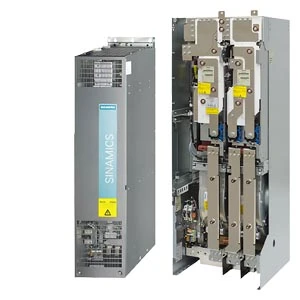
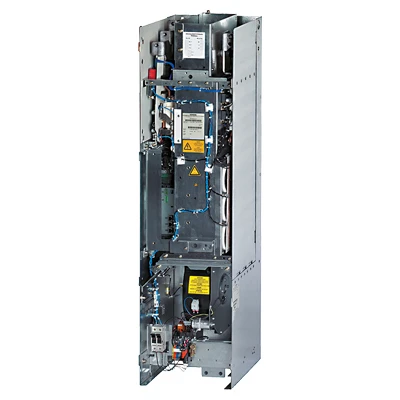
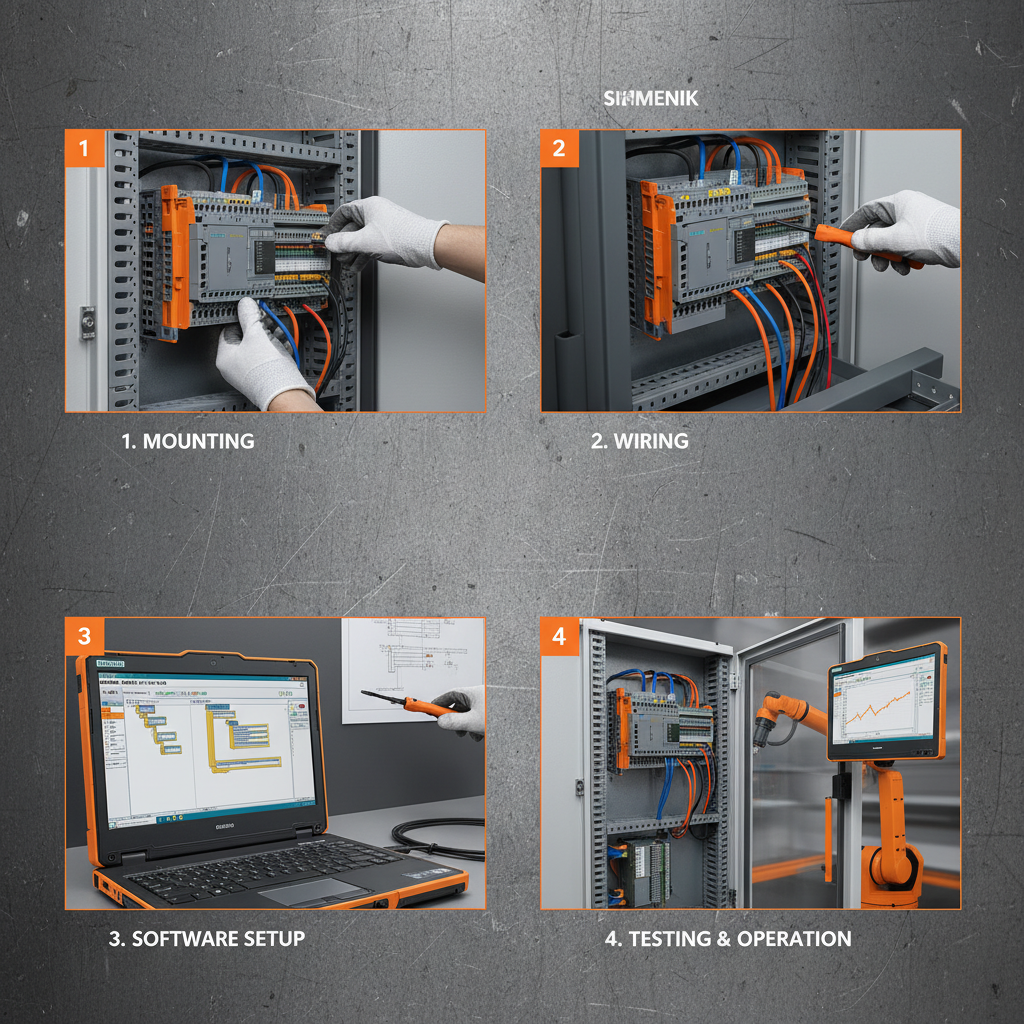
Simply put, a VFD (Variable Frequency Drive) is an electronic device that controls the speed and torque of a three phase motor by varying the input frequency and voltage. It's like giving your motor a dimmer switch instead of just on/off. This makes it an essential component in modern automation, allowing fine control over pumps, fans, compressors, and conveyors.
Beyond industrial utility, VFDs contribute to humanitarian and environmental efforts by making energy use smarter and equipment more reliable in challenging settings — for example, water pumping in remote regions or power management during disaster recovery.
Key Components & Factors of VFD for Three Phase Motor
1. Efficiency and Energy Savings
By matching motor speed to actual load demands, VFDs can reduce energy consumption by up to 50% in some applications. This is huge when you consider factories running dozens of motors continuously.
2. Durability and Reliability
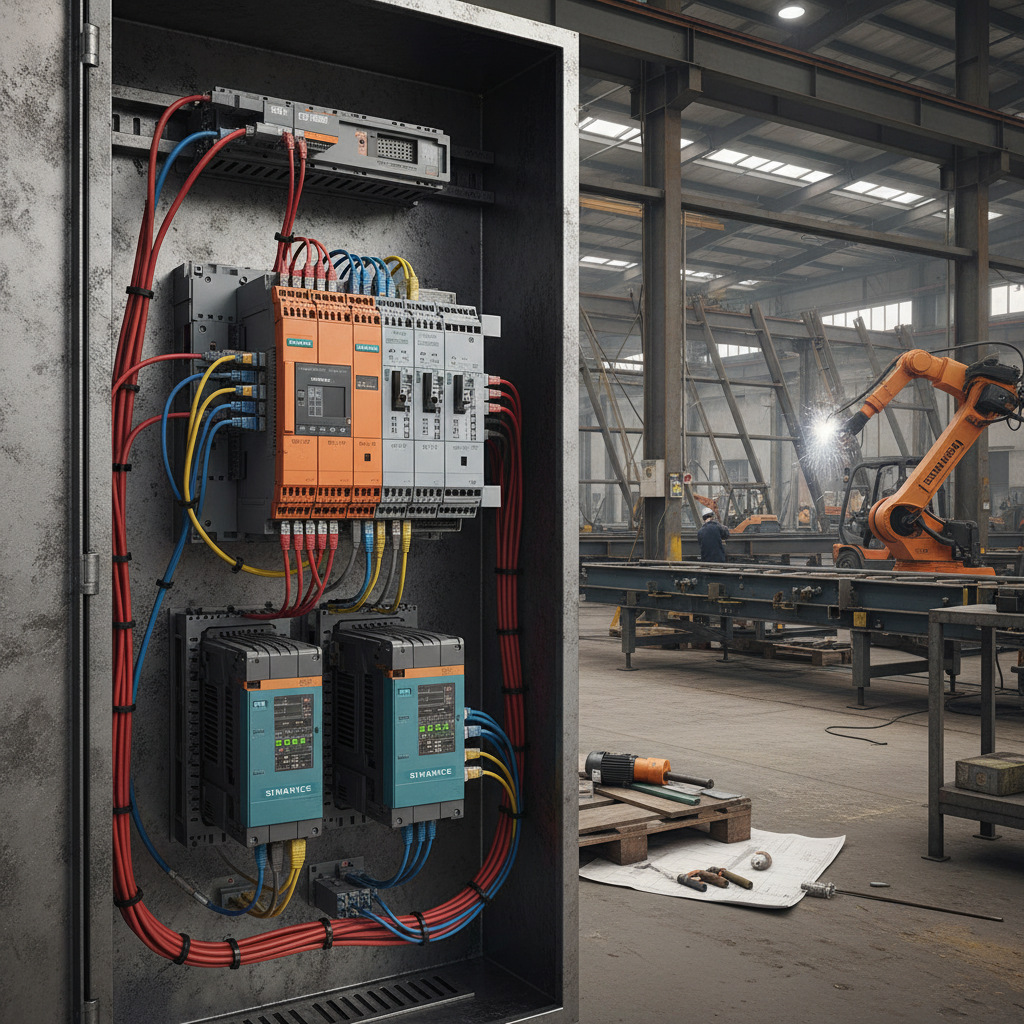
Good VFDs add protective features like overload, short circuit, and thermal protections that extend motor life. Engineers note that reliable VFDs reduce downtime and maintenance costs, which has real financial impact.
3. Scalability and Flexibility
Whether you're running a small factory or a massive plant, VFDs come in a broad range of power ratings. Plus, many models allow easy integration with industrial control systems, making upgrades feasible without total overhauls.
4. Cost Considerations
Initial investment can be a sticking point, but long-term savings on energy and maintenance often outweigh upfront costs. Plus, many utility companies offer rebates, making VFD adoption more affordable.
Product Specifications Snapshot
| Specification | Typical Value | Notes |
|---|---|---|
| Input Voltage | 380–480 V AC | Standard industrial voltage range |
| Output Frequency | 0–400 Hz | Allows wide motor speed control |
| Power Rating | 0.75 kW to 500 kW+ | Covers small to large industrial motors |
| Control Method | V/F Control, Vector Control | Precision and efficiency modes |
| Protection Features | Overvoltage, Overcurrent, Thermal | Extends motor and drive life |
Real-World Applications Around the Globe
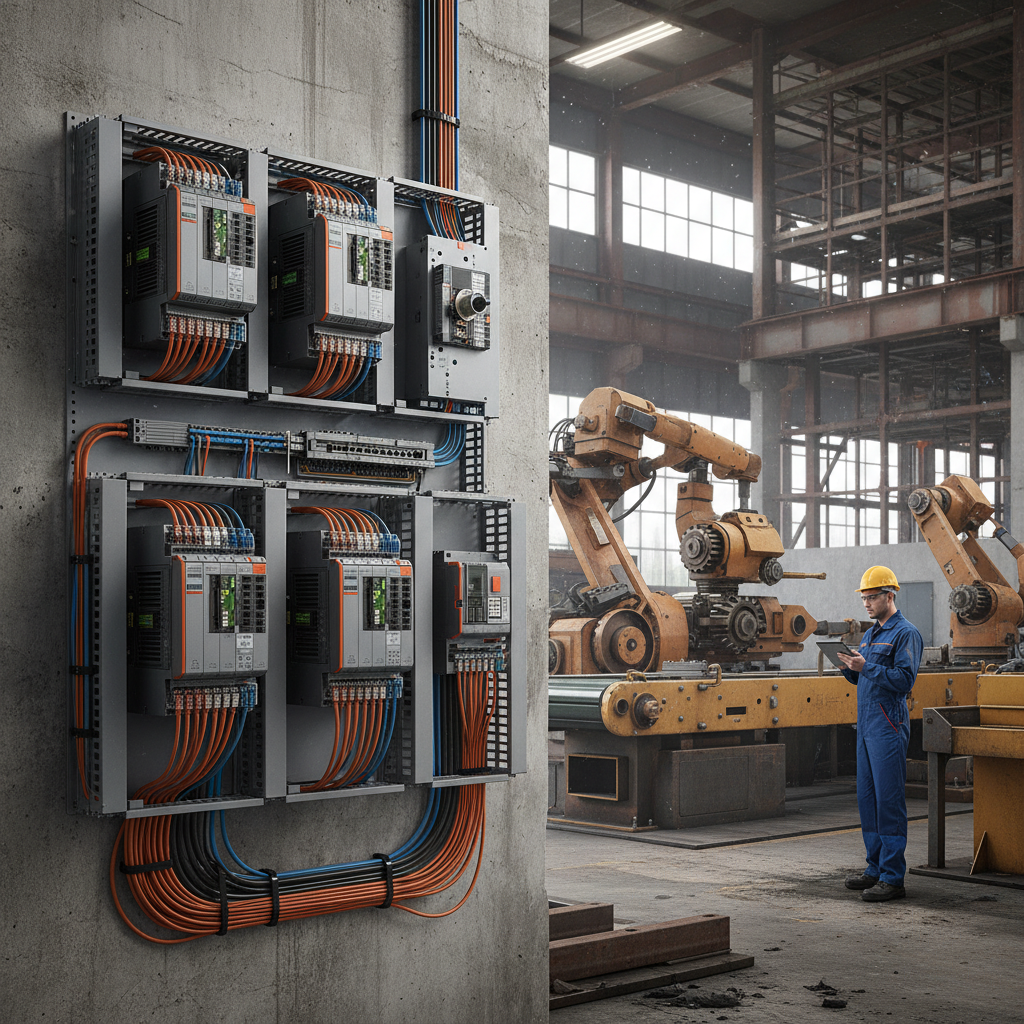
The versatility of vfd for three phase motor means it’s used everywhere—from the massive textile mills in Bangladesh adapting to unstable power grids, to water treatment plants in California optimizing flow rates to conserve water. Oddly enough, even offshore oil platforms rely on VFDs to manage pump speeds under harsh conditions.
In humanitarian circles, remote electrification projects use VFDs to ensure critical equipment runs efficiently on solar-hybrid microgrids. These contexts highlight how VFDs do more than improve factories—they help manage scarce resources and increase operational resilience.
Vendor Comparison: Leading VFD Solutions
| Vendor | Range (kW) | Efficiency (%) | Smart Features | Price Level |
|---|---|---|---|---|
| ABB | 0.75–560 | 98+ | Predictive Maintenance | High |
| Siemens | 0.5–500 | 97–98 | Integrated PLC | Medium-High |
| Yongkai | 0.75–450 | 96–97 | Modular Design, Easy Integration | Competitive |
Long-Term Advantages of Adopting VFD Technology
- Cost Savings: Lower energy bills thanks to precise motor speed control.
- Sustainability: Reduced carbon emissions by minimizing unnecessary consumption.
- Improved Motor Life: Less mechanical stress equals longer lasting equipment.
- Operational Safety: Softer starts and stops prevent sudden shocks and hazards.
- Enhanced Control: Real-time adjustments allow quick responses to fluctuating process demands.
It’s not just about dollars or kilowatt-hours; there’s an emotional side too. Workers feel safer, plant managers feel more in control, and communities benefit from less pollution. Trust in technology matters in real, human ways.
The Future: Innovations Shaping VFDs and Industry
Looking ahead, the interplay between VFDs and evolving tech is fascinating. Advances like IoT integration enable predictive maintenance alerts that reduce unexpected downtime. What’s more, as green energy adoption grows, VFDs help smoothly integrate renewable power sources with motors in smart grids.
Materials science is bringing more robust semiconductor devices that enhance efficiency even further. Plus, AI-driven control algorithms promise smarter energy use adapted to unique process needs — in short, the future looks both greener and smarter.
Challenges and Expert Solutions in VFD Implementation
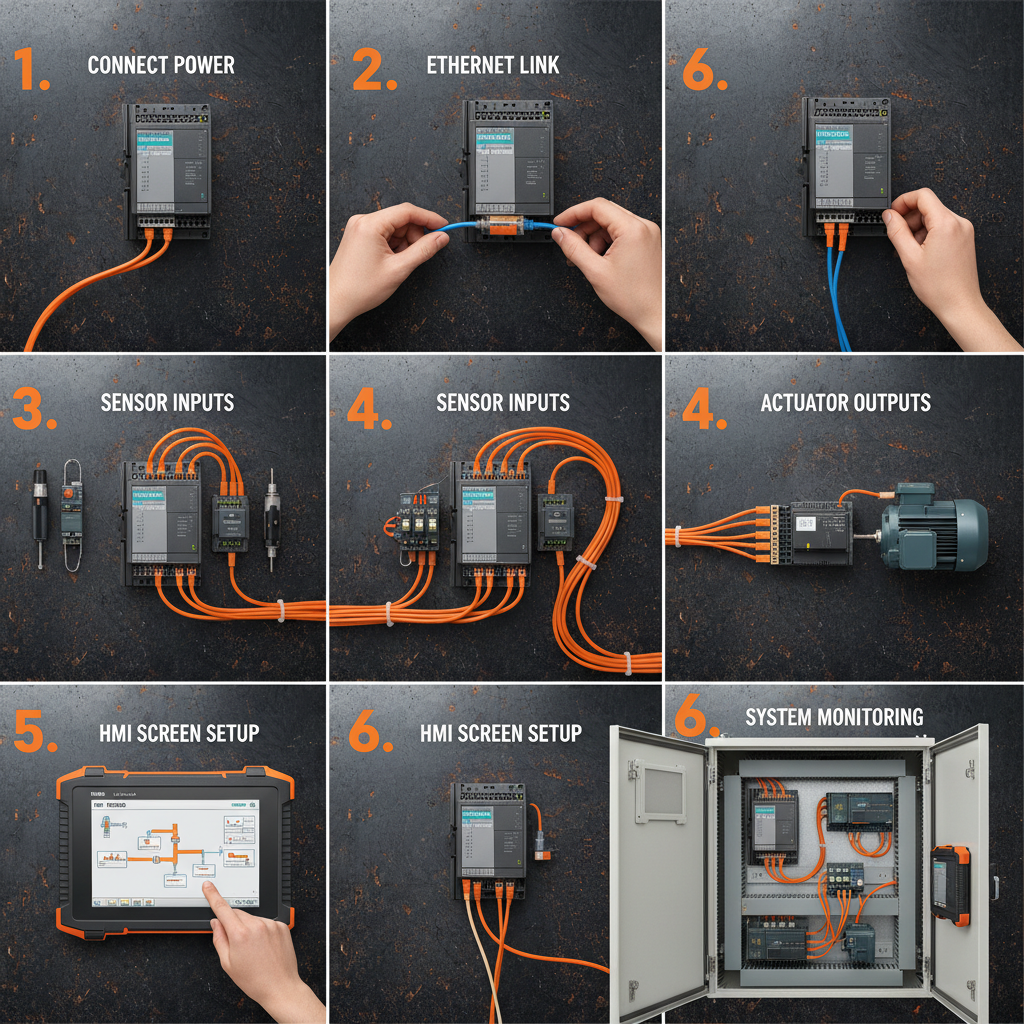
Of course, no technology is perfect. Challenges such as electromagnetic interference (EMI), harmonic distortion on the power line, and initial setup complexity can hold users back. But industry best practices, such as proper filtering, harmonic mitigation, and skilled commissioning, effectively address these issues.
Many engineers say the key is investing in training and choosing vendors who provide comprehensive support. It's kind of like buying any precision tool—you don’t just want the hardware; you want the expertise behind it.
FAQ: Your Practical Questions About VFD for Three Phase Motor
- Q: How much energy can a VFD save in typical industrial use?
A: Savings typically range from 20% to over 50%, depending on the application and how well the VFD is matched to load requirements. - Q: Can VFDs be retrofitted to older motors?
A: Yes, many VFDs are compatible with legacy three phase motors, but an evaluation of the motor’s insulation and thermal ratings is advisable. - Q: Are VFDs suitable for harsh environments?
A: Absolutely. Many models come with rugged enclosures and protective features to operate reliably in dust, humidity, and temperature extremes. - Q: What’s the role of VFDs in renewable energy integration?
A: VFDs adjust motor speeds to accommodate variable power from renewables, stabilizing operations and maximizing energy use.
Conclusion: Step Towards Efficiency and Sustainability with VFDs
Understanding and implementing vfd for three phase motor technologies is clearly more than a trend — it’s a practical solution to some of today’s biggest industrial and environmental challenges. Whether your goal is sustainability, cost reduction, or system modernization, VFDs deliver tangible, long-term value. Curious to see how it fits your needs? Visit our website: https://www.tianjinyongkai.com for in-depth info and support.
Mini Takeaway: VFDs turn the invisible energy squandered in motors into visible, controllable performance—helping industries worldwide work smarter and cleaner.
References: