Electrical VFD Working Principle Explained | Industrial Motor Control Insights
Understanding the Electrical VFD working principle in Industrial Equipment
Having spent more than a decade around industrial motors and control systems, I can tell you the Variable Frequency Drive (or VFD for short) is absolutely fascinating — and frankly, a game changer for controlling motor speed and efficiency. If you’re involved in industrial automation or equipment maintenance, the VFD working principle is likely something you’ll encounter a lot. I still remember the first time I saw one in action at a steel mill; it was oddly satisfying how smoothly it varied pump speeds in response to system demands.
In real terms, the VFD is essentially an electronic device that controls the speed and torque of a three-phase AC motor by varying the frequency and voltage of its power supply. This finely tuned control helps reduce energy consumption, minimize mechanical stress, and improve the overall process. Many engineers say this is the key to modern motor control, and I tend to agree.
How Does a VFD Work? A Quick Breakdown
The fundamental workings of a VFD are actually pretty straightforward if you break it down. The device has three main sections:
- Rectifier: This converts incoming AC power to DC. Often, it uses a diode or thyristor bridge.
- DC Bus: This section smooths out the DC power with capacitors and inductors, stabilizing the voltage for the inverter.
- Inverter: The heart of the VFD, this converts the DC back to AC at a selectable frequency and voltage using semiconductor switches like IGBTs (Insulated-Gate Bipolar Transistors).
By adjusting the inverter’s switching frequency, the VFD controls the output AC frequency. Why does this matter? Because the speed of an AC motor is directly proportional to the frequency of the electricity powering it. It’s a neat trick that lets you run motors slower or faster without mechanical gearboxes — and that means less wear and tear, and more precise performance.
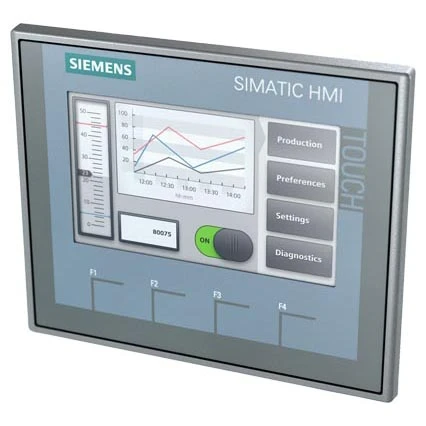
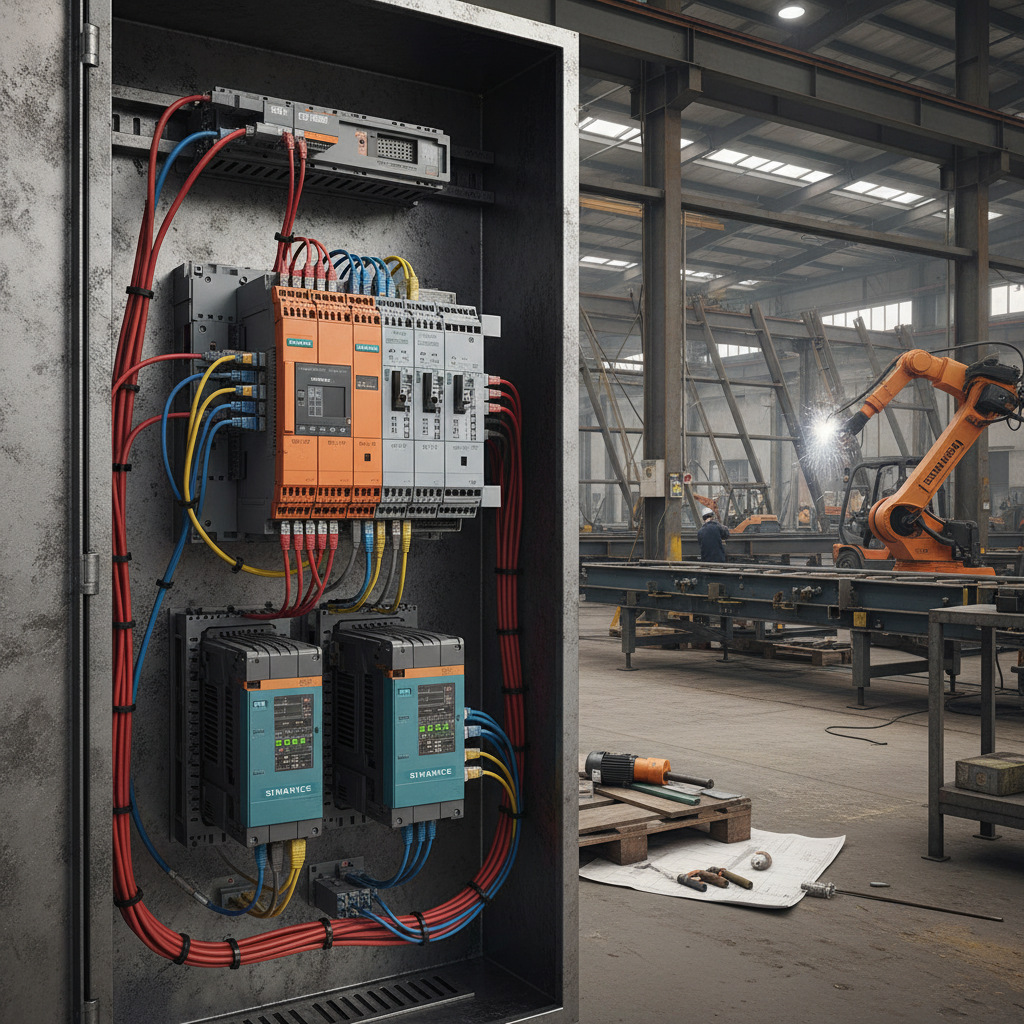
Oddly enough, the user interface for many VFDs is pretty simple – just a keypad for setting parameters and an LCD to show info, making it pretty approachable even for those new to this tech. But the engineering inside is really quite complex, relying on sophisticated electronics and software algorithms that handle everything from voltage optimization to protection against electrical faults.
Typical VFD Product Specifications
| Specification | Details |
|---|---|
| Input Voltage | 200–480 V AC, 3-phase |
| Output Frequency Range | 0.1 – 400 Hz (variable) |
| Control Methods | V/f control, Vector control, Sensorless vector control |
| Environment Rating | IP20 to IP54, depending on model |
| Communication Interfaces | Modbus, Profibus, Ethernet/IP |
| Typical Applications | Pumps, fans, conveyors, compressors |
Choosing the Right VFD Vendor: A Quick Comparison
From my experience, choosing a VFD vendor is just as important as the product specs. Support, customization options, and reliability all come into play. Here’s a quick vendor comparison table based on some commonly known players in the market:
| Vendor | Customization | Technical Support | Price Range | Industry Reputation |
|---|---|---|---|---|
| Vendor A | High | 24/7 Global Support | Premium | Excellent |
| Vendor B | Medium | Business Hours | Mid-range | Good |
| Vendor C | Low | Limited | Budget | Fair |
One memorable account I recall is from a client in the wastewater treatment industry. They switched from traditional fixed-speed motors to VFD-controlled pumps and reported a 30% drop in energy costs within the first six months. It felt like a small victory at the time but underscores the tangible benefits of understanding and leveraging the VFD working principle.
Finally, it’s worth noting that the integration of these drives is continuing to evolve, especially as smart factory concepts become mainstream. I suppose you could say a VFD isn’t just a piece of hardware anymore — it’s part of a larger ecosystem enabling real-time process data, predictive maintenance, and much more.
In summary, whether you’re a technician, engineer, or just curious about industrial automation, grasping the VFD working principle is a solid step toward understanding how modern manufacturing systems save energy and optimize performance.
As always, adapt your choice to your specific application — and if you’re interested in quality VFD products, check out Tianjin Yongkai. They have a solid lineup and offer customization that’s worth considering.
1. IEEE Industry Applications Society, "Variable Frequency Drives: Fundamentals, Controls, and Applications," 2019.
2. "Energy Efficiency in Motor Systems," US Department of Energy, 2021.
3. Personal experience and client project notes, 2015-2023.