Yangiliklar
-
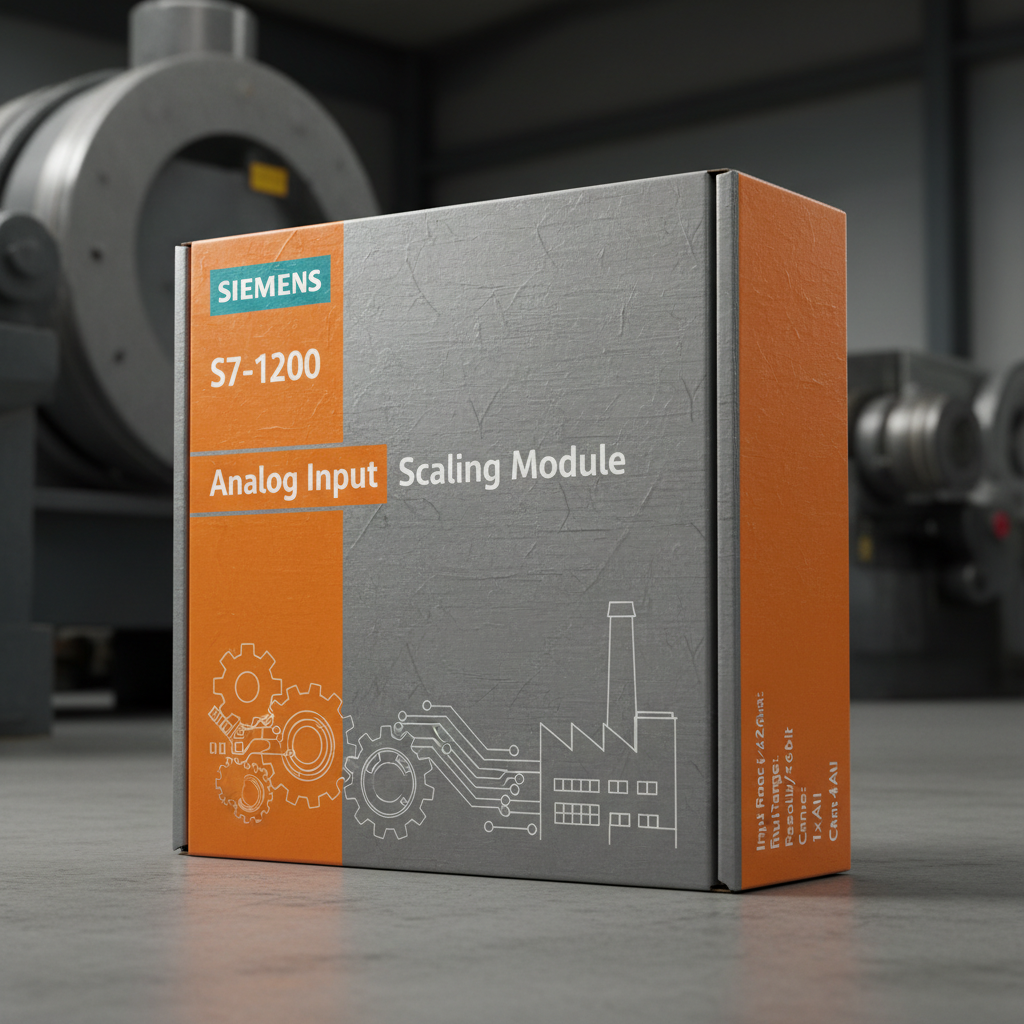
Siemens S7 1200 Analog Input Scaling for Accurate Industrial Control
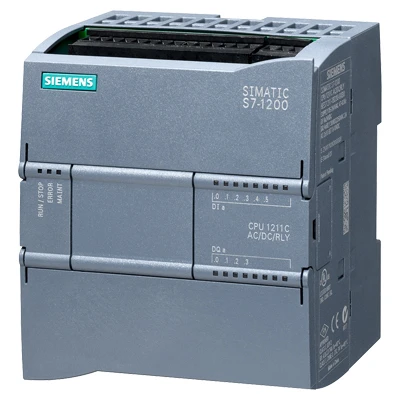
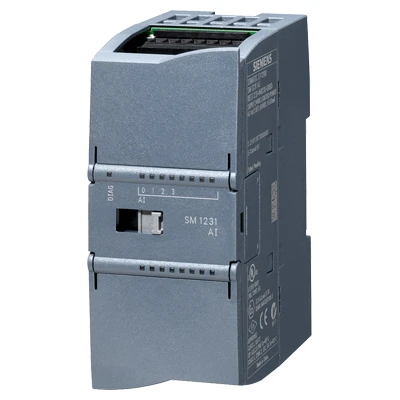
The Siemens S7-1200 PLC is a powerful and versatile controller widely used in industrial automation. A crucial aspect of utilizing its analog input capabilities is understanding analog input scaling. This process maps the physical signal from sensors (like temperature, pressure, or flow) into a usable numerical value within the PLC. Correct scaling ensures accurate data representation and reliable control system performance. This article will cover the essentials of S7-1200 analog input scaling, providing practical guidance for engineers and technicians. Properly configured scaling is essential for efficient and accurate automation processes. Without proper scaling, the PLC receives raw analog values that don't correspond to the actual physical measurement. For example, a 4-20mA signal representing 0-100°C would be read as a range of values that need to be translated. Scaling provides this translation, allowing the PLC to interpret the signal correctly and trigger appropriate actions.
-
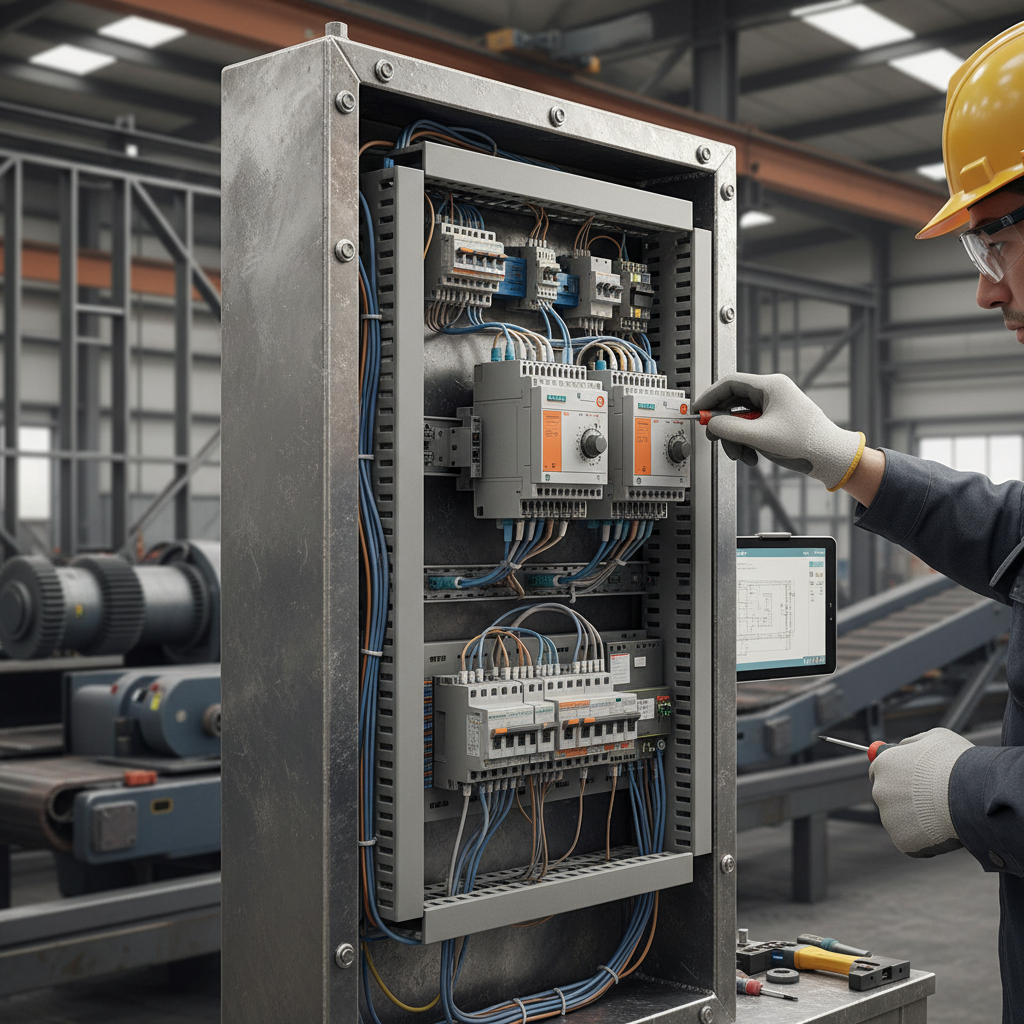
Comprehensive Guide to Siemens PLC Timers for Industrial Automation
Siemens Programmable Logic Controllers (PLCs) are the backbone of many industrial automation systems. A crucial component within these systems is the timer function, enabling precise control of processes based on time intervals. This article provides an in-depth exploration of Siemens PLC timers, covering their types, functionalities, programming examples, and applications. Whether you're a seasoned automation engineer or new to PLCs, this guide will equip you with the knowledge to effectively utilize Siemens PLC timers in your projects. Timers are essential for sequencing operations, creating delays, and monitoring process durations. Siemens PLCs offer various timer types, each suited for different applications. The most common include TON (Timer On Delay), TOF (Timer Off Delay), TP (Pulse Timer), and RTO (Retentive Timer On Delay). Choosing the right timer type is critical for achieving the desired control logic. Understanding the behavior of each timer will save debugging time and ensure accurate operation.
-
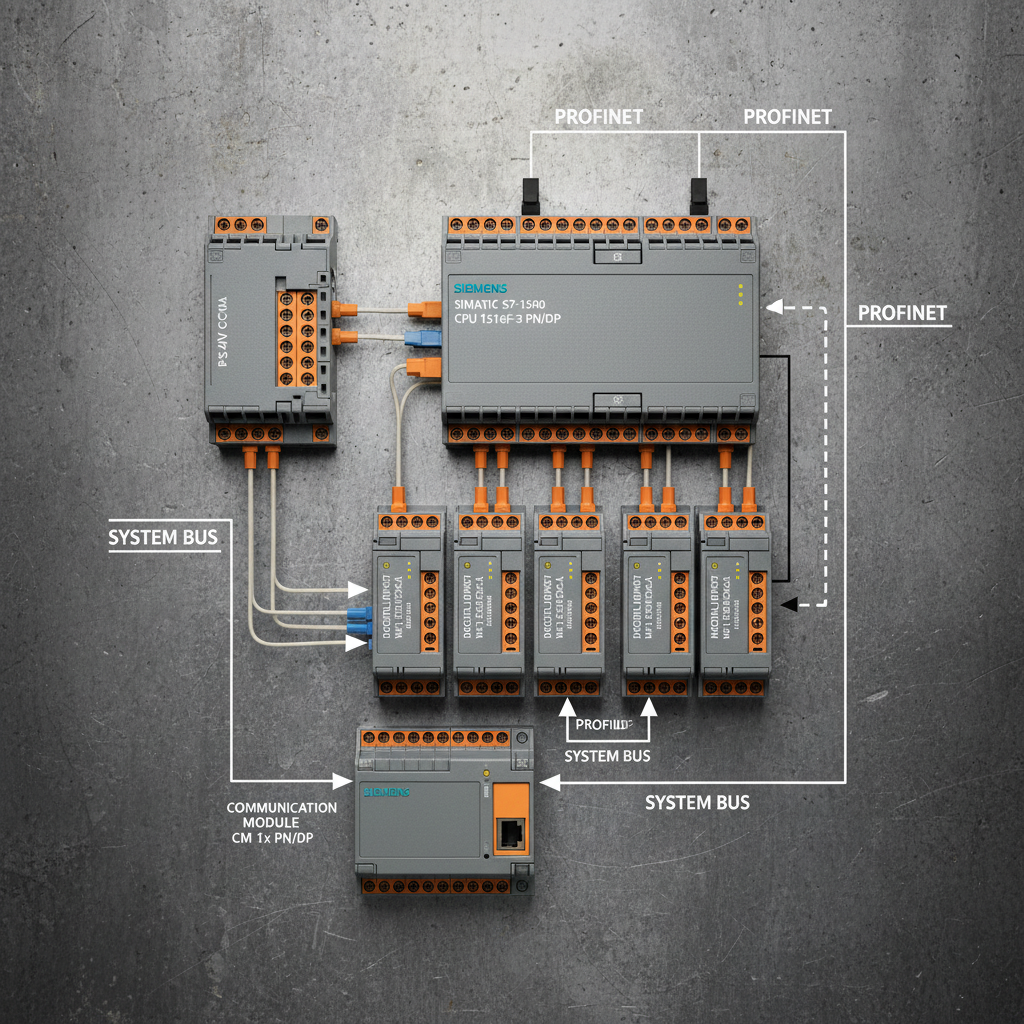
Comprehensive Guide to Siemens PLC Blocks for Industrial Automation
Siemens Programmable Logic Controllers (PLCs) are renowned for their reliability and efficiency in industrial automation. At the heart of these systems lie the PLC blocks, pre-defined software modules that perform specific functions. Understanding these blocks is crucial for effective PLC programming and troubleshooting. This article provides an in-depth look at Siemens PLC blocks, their types, applications, and how Tianjinyongkai can assist you with your Siemens PLC needs. We'll explore the core components and provide insight into maximizing the capabilities of your Siemens PLC system. Siemens PLCs utilize several key block types, each designed for a specific purpose. These include Function Blocks (FB), Function (FC), Organization Blocks (OB), and Data Blocks (DB). Function Blocks (FB) retain data between cycles, making them ideal for complex, stateful operations. Functions (FC) do not retain data and are used for calculations and logic operations. Organization Blocks (OB) control the PLC’s overall operation, including startup, shutdown, and cyclic execution. Finally, Data Blocks (DB) store data used by other blocks. Properly selecting and configuring these blocks is fundamental to developing a robust and efficient PLC program.
-
Comprehensive Guide to Siemens Function Blocks for Enhanced PLC Programming
Siemens Function Blocks (FBs) are a fundamental building block in programming Siemens PLCs, particularly within the TIA Portal environment. They encapsulate reusable code segments, promoting modularity, organization, and efficient PLC programming. This article will provide a detailed overview of Siemens FBs, their benefits, creation, usage, and best practices. We’ll explore how leveraging FBs can streamline your automation projects and enhance maintainability. Siemens Function Blocks are pre-defined or user-defined code modules that perform specific tasks. Unlike Function (FCs), FBs have internal memory, allowing them to retain data between scan cycles. This makes them ideal for tasks requiring state management, such as controlling processes, managing sequences, or handling complex algorithms. Each FB instance maintains its own data, ensuring that multiple instances of the same FB can operate independently without interfering with each other. Understanding this distinction is key to effective PLC programming with Siemens. Utilizing Siemens FBs offers numerous advantages. They promote code reuse, reducing development time and minimizing errors.
-
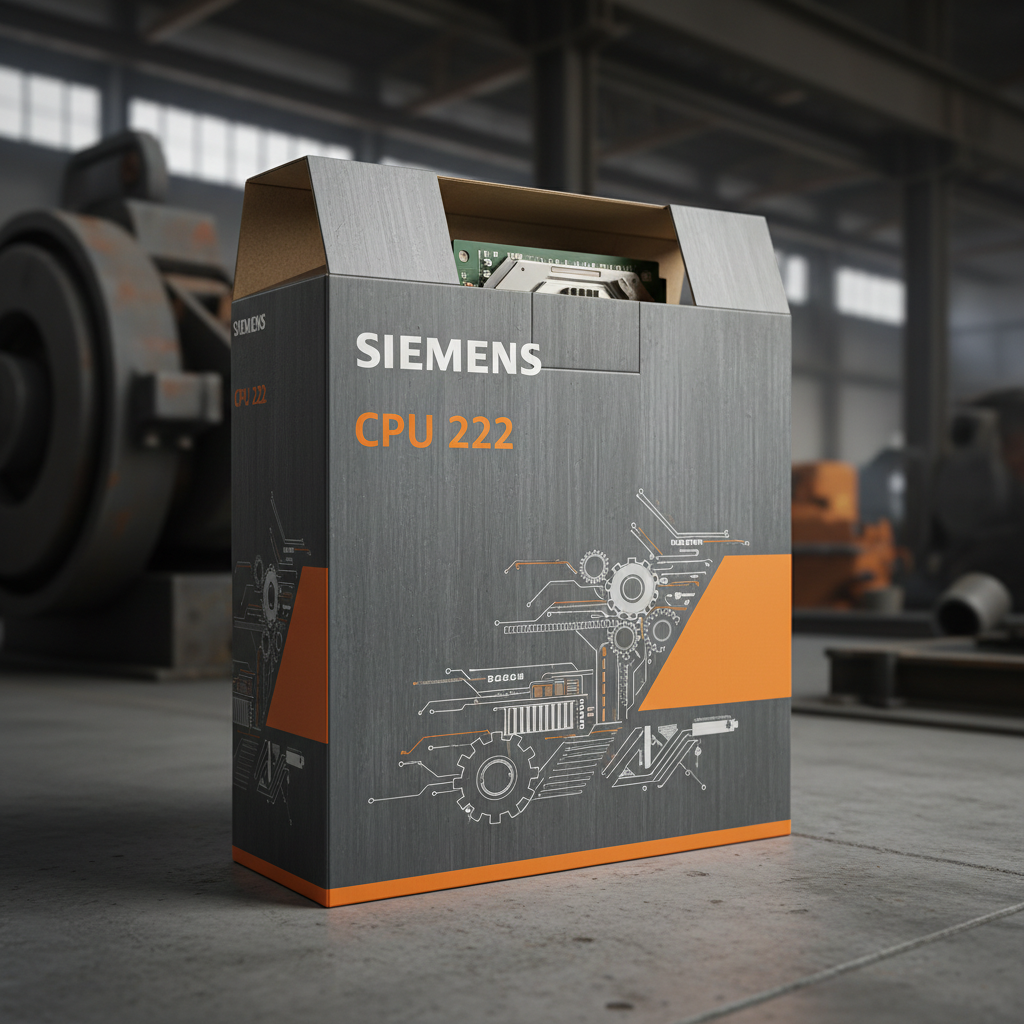
Siemens CPU 222 A Comprehensive Guide to Industrial Automation
The Siemens CPU 222 is a cornerstone component in many industrial automation systems. Renowned for its reliability and efficiency, this programmable logic controller (PLC) continues to be a popular choice for a wide array of applications. This article delves into the specifics of the CPU 222, covering its features, applications, programming, and benefits, aimed at both newcomers and experienced professionals in the field. Choosing the right PLC is crucial for optimal system performance, and the Siemens CPU 222 consistently delivers on that front. The Siemens CPU 222 boasts a compact design and a robust set of features. It supports a range of programming languages, including Ladder Logic (LAD), Function Block Diagram (FBD), and Statement List (STL), providing flexibility for developers. The CPU 222 integrates seamlessly with the Siemens SIMATIC S7-200 series, offering a cost-effective solution for smaller automation tasks. It’s equipped with 24V DC inputs and outputs, and features a real-time clock for time-dependent control applications.
-
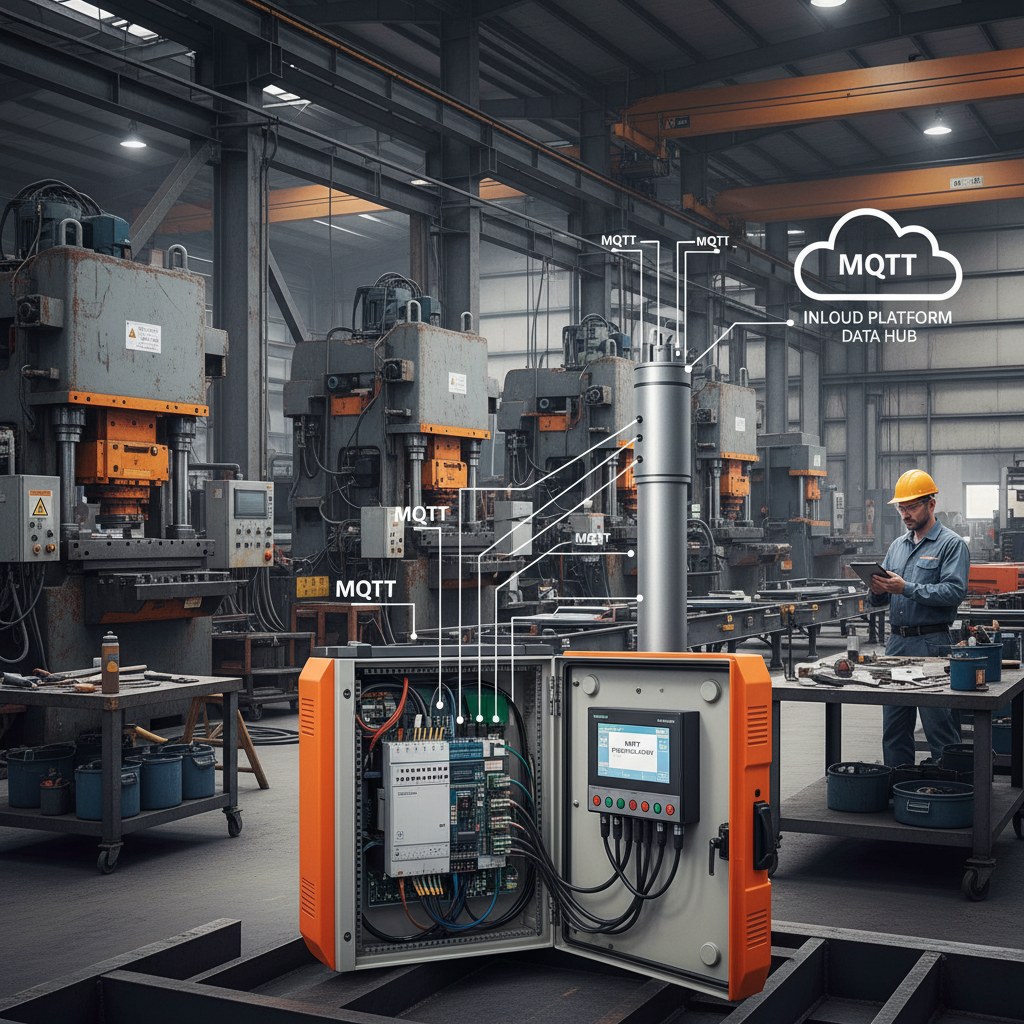
Siemens PLC MQTT Integration for Advanced Industrial Automation
In the realm of industrial automation, the seamless communication between Programmable Logic Controllers (PLCs) and other devices is paramount. MQTT (Message Queuing Telemetry Transport) is rapidly becoming the preferred protocol for achieving this, particularly when combined with Siemens PLCs. This article will delve into the benefits of using MQTT with Siemens PLCs, the architecture involved, practical applications, and considerations for successful implementation. Understanding how to leverage MQTT can significantly enhance your industrial IoT (IIoT) initiatives and improve overall operational efficiency. MQTT is a lightweight messaging protocol designed for constrained devices and low-bandwidth, high-latency networks. Its publish-subscribe architecture makes it ideal for IIoT applications. Instead of direct communication, devices publish data to a central broker, and other devices subscribe to the topics of interest. This decoupling offers several advantages, including scalability, reliability, and efficiency. For Siemens PLCs, MQTT enables seamless integration with cloud platforms, SCADA systems, and other IoT devices, facilitating real-time data monitoring, remote control, and predictive maintenance.
-
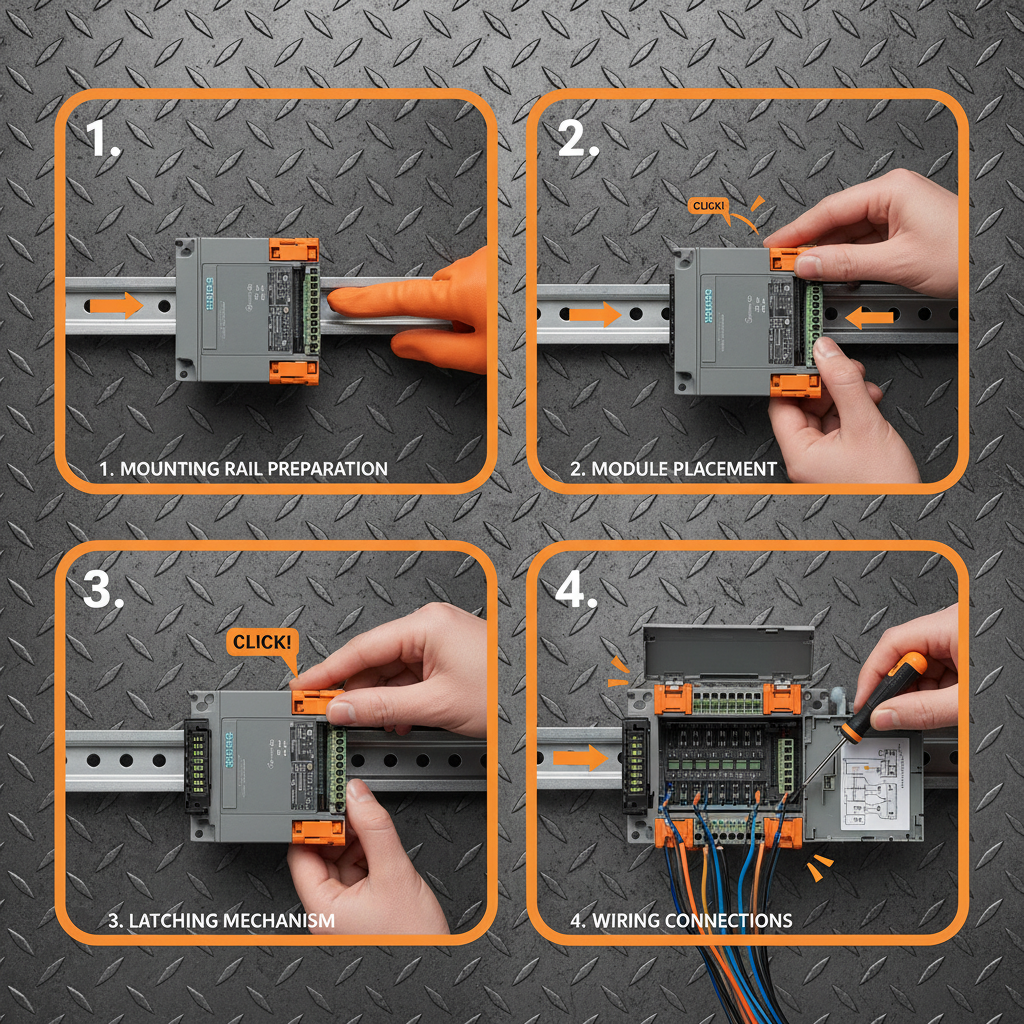
Comprehensive Guide to Siemens Module PLC for Industrial Automation
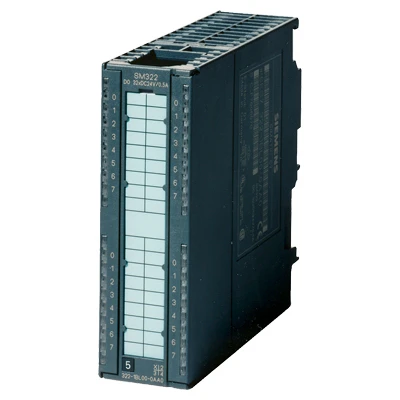
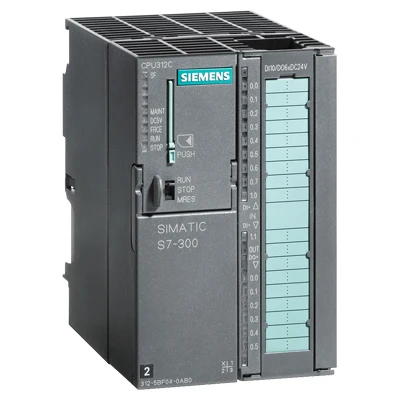
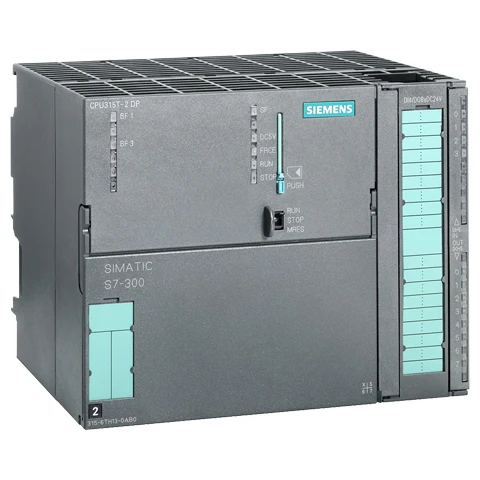
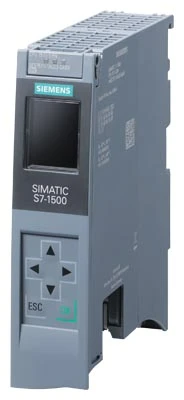
Programmable Logic Controllers (PLCs) are the backbone of modern industrial automation, and Siemens PLCs are renowned for their reliability, performance, and scalability. This article provides an in-depth look at Siemens module PLCs, covering their key features, applications, benefits, and considerations for selecting the right modules for your automation needs. From basic control tasks to complex processes, understanding the Siemens module PLC ecosystem is crucial for optimizing industrial efficiency. A Siemens module PLC is a modular automation system built around a central processing unit (CPU) and a range of interchangeable modules. These modules handle specific tasks, such as digital input/output (I/O), analog I/O, communication, and specialized functions. The modularity allows for a tailored system, easily adapted to changing requirements. Unlike monolithic PLCs, modular systems offer flexibility, scalability, and cost-effectiveness. Common Siemens PLC families include SIMATIC S7-1200, S7-1500, and S7-300/400, each catering to different levels of complexity and application demands.
-
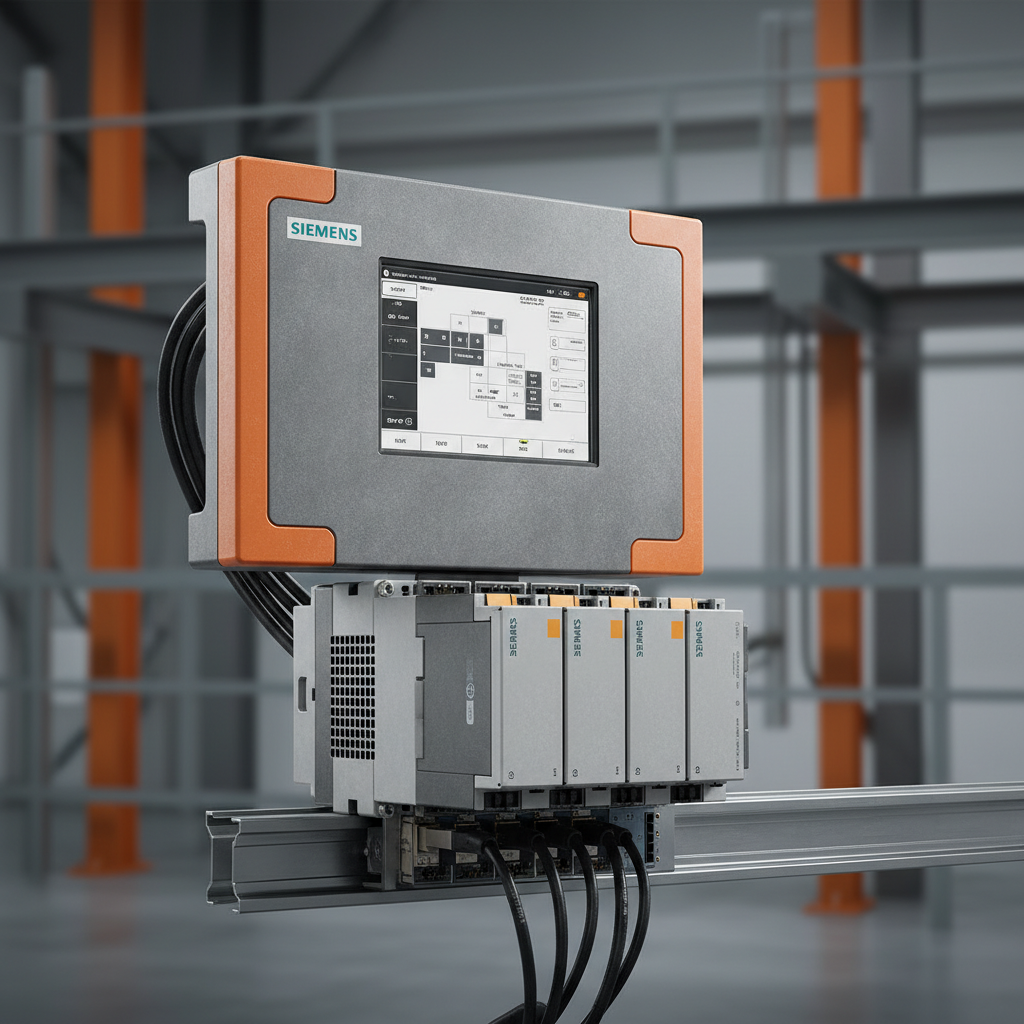
HMI PLC Siemens Integration for Advanced Industrial Automation Systems
In the realm of industrial automation, the integration of Human Machine Interface (HMI), Programmable Logic Controllers (PLC), and Siemens technology is paramount. This combination delivers powerful control, monitoring, and optimization capabilities for a wide range of applications. This article will explore the synergy between HMI PLC Siemens systems, covering their components, benefits, applications, and key considerations for implementation. Understanding these elements is crucial for businesses seeking to enhance efficiency, reduce downtime, and improve overall productivity. Let's begin by defining the core components. A PLC (Programmable Logic Controller) is a specialized computer used to automate industrial processes, such as controlling machinery on factory assembly lines. An HMI (Human Machine Interface) serves as the bridge between the operator and the PLC, providing a user-friendly interface for monitoring, controlling, and troubleshooting the system. Siemens, a global technology powerhouse, provides both PLCs and HMIs, offering a seamless and integrated solution. Siemens PLCs are renowned for their reliability, performance, and scalability. Their HMIs provide intuitive visualization and control, empowering operators to manage complex processes effectively.
-
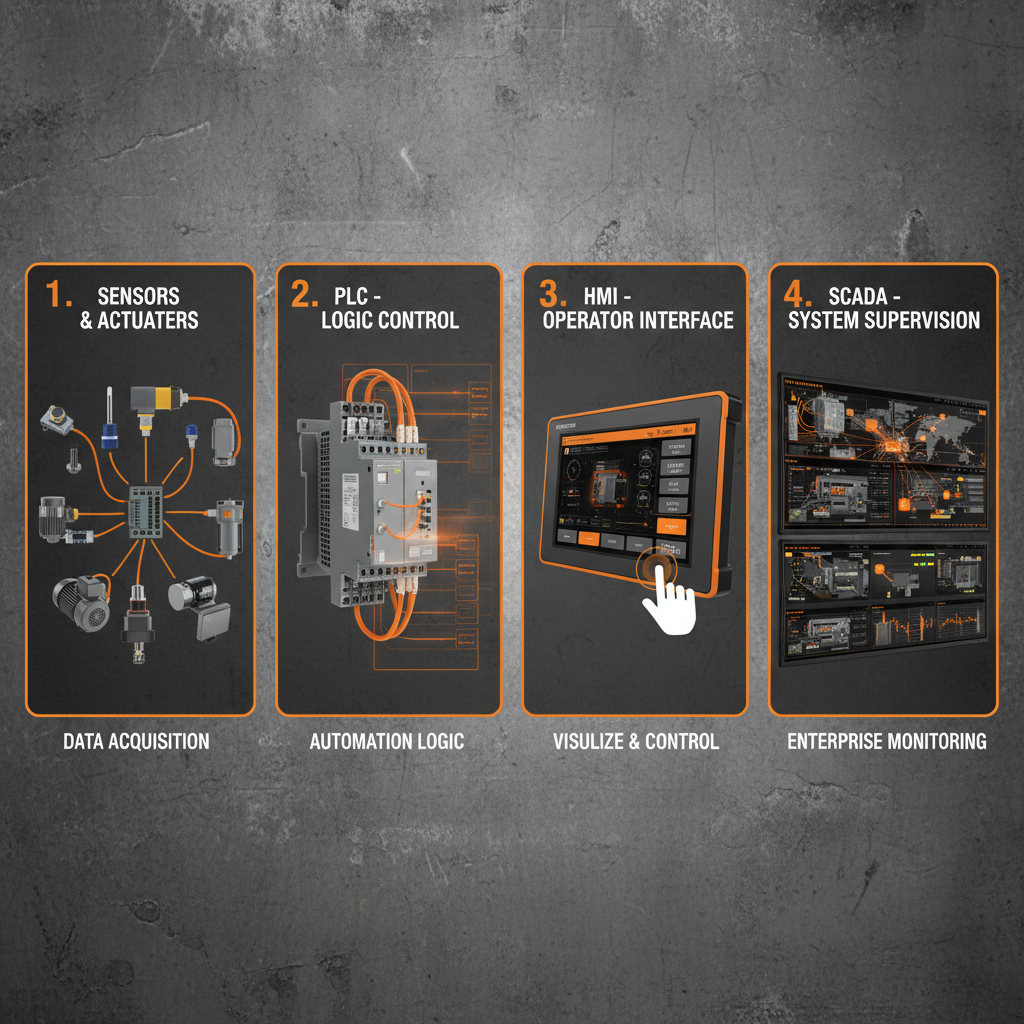
Comprehensive Guide to HMI PLC SCADA Systems for Industrial Automation
In today’s industrial landscape, automation is key to efficiency, productivity, and safety. At the heart of this automation lie three critical technologies: Human-Machine Interface (HMI), Programmable Logic Controller (PLC), and Supervisory Control and Data Acquisition (SCADA) systems. These systems work in synergy to control and monitor industrial processes. Tianjin Yongkai Automation Technology Co., Ltd. specializes in providing comprehensive solutions incorporating these technologies, helping businesses streamline operations and optimize performance. This article will delve into each component, exploring their functions, benefits, and how they interact to create a robust automation system. Understanding these systems is crucial for businesses looking to improve their manufacturing processes and gain a competitive edge. The PLC is the ‘brain’ of the industrial automation system. It’s a specialized computer used to control machinery and processes.
-
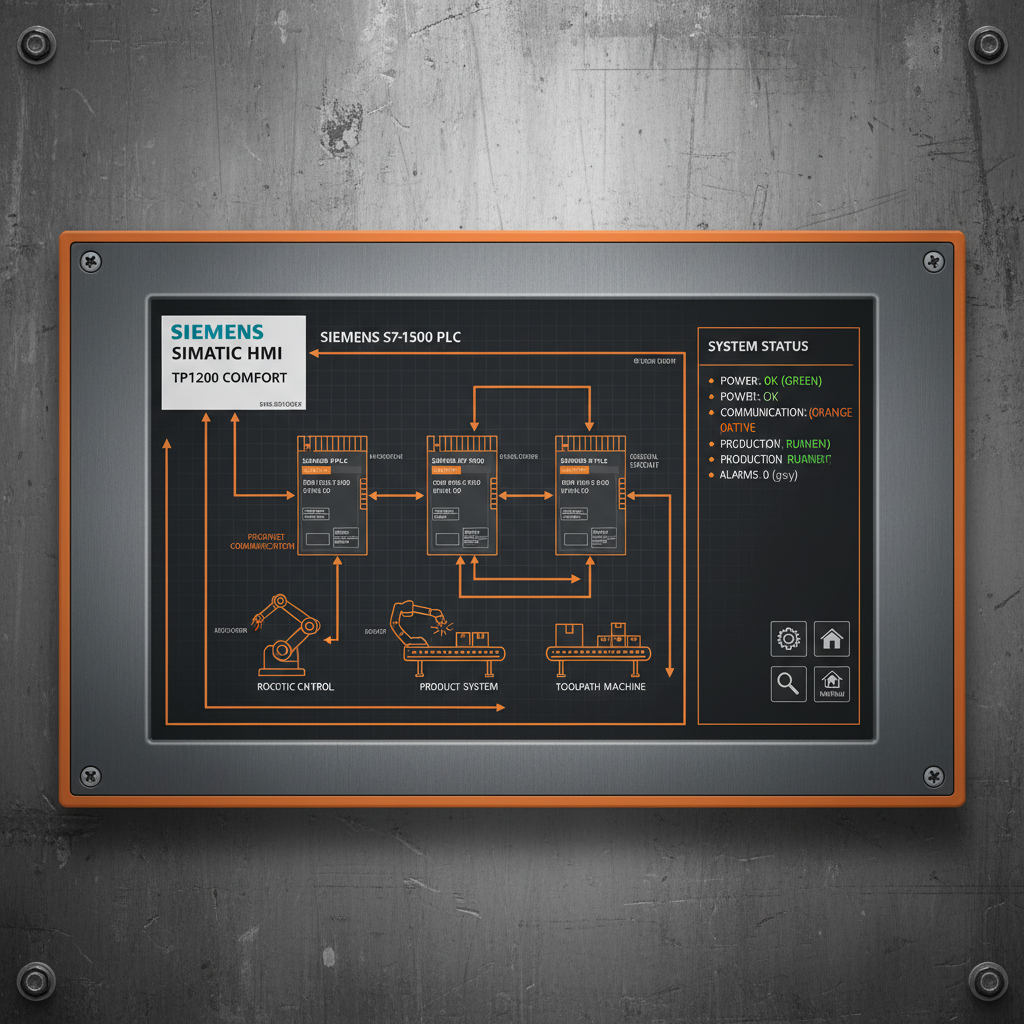
Comprehensive Guide to HMI for Siemens PLC Systems and Industrial Automation
Human Machine Interfaces (HMIs) are critical for effective control and monitoring of industrial processes. When working with Siemens PLCs, choosing the right HMI is paramount. This article provides a detailed overview of HMIs for Siemens PLCs, exploring their features, benefits, communication protocols, selection criteria, and current trends. Understanding the capabilities of an HMI can significantly enhance operational efficiency, reduce downtime, and improve overall system performance. We'll cover everything you need to know to make an informed decision for your automation needs. An HMI serves as the bridge between the operator and the PLC, providing a user-friendly interface for visualizing process data, controlling equipment, and acknowledging alarms. For Siemens PLCs, the HMI allows operators to interact with the program logic developed in platforms like TIA Portal. Key functions include displaying real-time data, enabling manual control of devices, setting parameters, and providing historical trending.
-
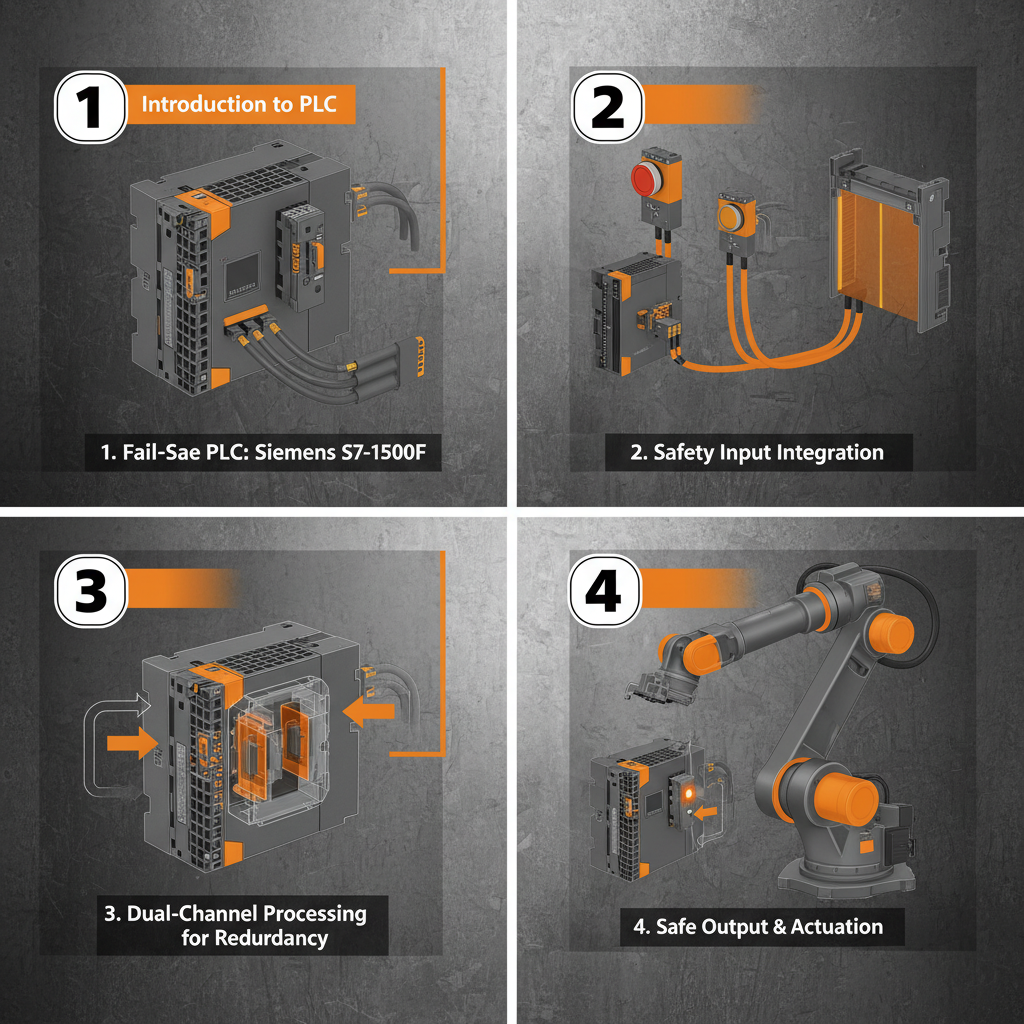
Siemens Fail Safe PLC A Comprehensive Guide to Industrial Safety
In the realm of industrial automation, ensuring operational safety is paramount. A Fail Safe PLC (Programmable Logic Controller) from Siemens offers a robust solution for critical applications demanding high reliability and safety integrity. This article will delve into the intricacies of Siemens’ fail-safe PLCs, their benefits, applications, and how they contribute to a safer and more efficient industrial environment. We will explore the key features and functionalities that make Siemens’ fail-safe PLCs a preferred choice for a wide range of industries. Tianjin Yongkai is a trusted provider of Siemens PLC solutions. A standard PLC is designed to control processes, but in a failure situation, it may enter an undefined state, potentially leading to hazardous conditions. A fail safe PLC, like those offered by Siemens, is specifically engineered to react predictably and safely in the event of a fault. This is achieved through redundant systems, diagnostic capabilities, and certified safety functions.
-
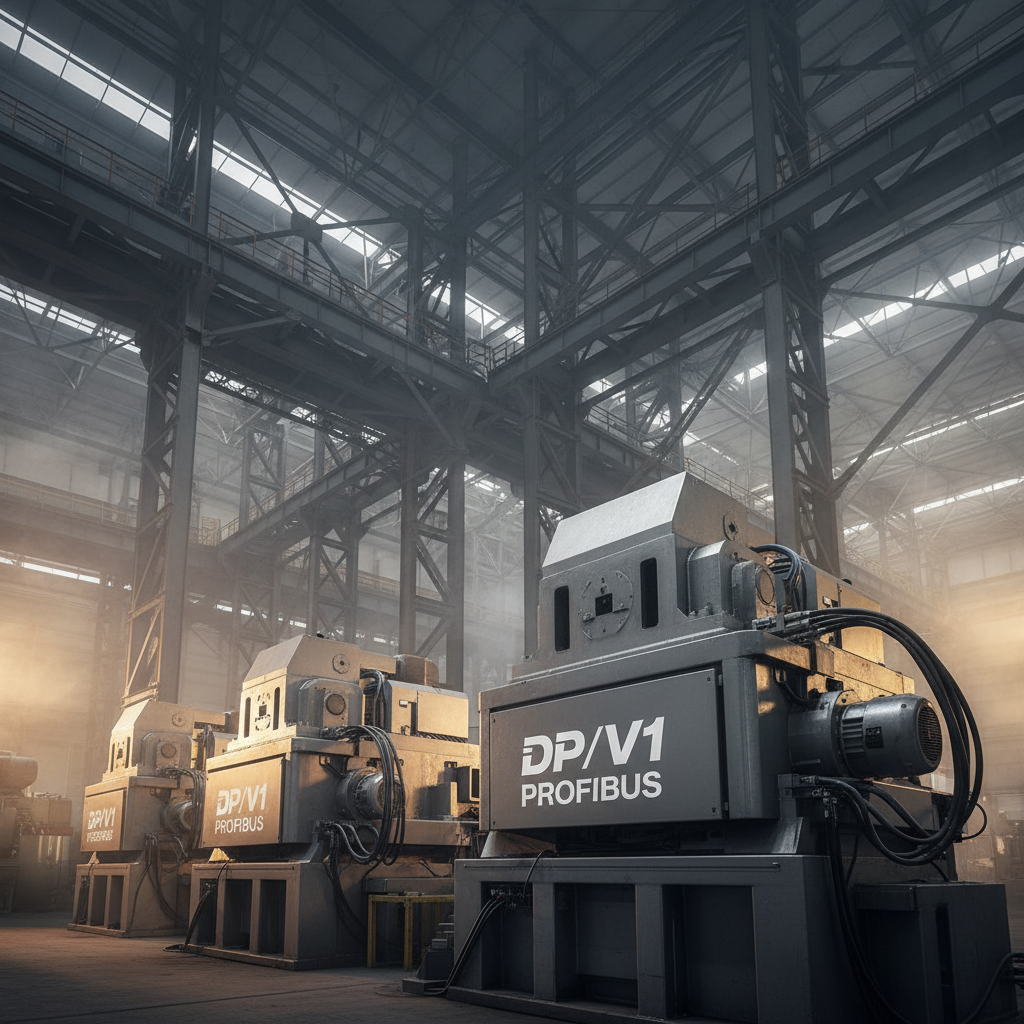
Comprehensive Guide to DPV1 PROFIBUS for Enhanced Industrial Networking
In the realm of industrial automation, reliable and efficient communication is paramount. DPV1 PROFIBUS stands as a widely adopted standard for fieldbus communication, offering robust data exchange and deterministic control. This article delves into the intricacies of DPV1 PROFIBUS, exploring its features, benefits, applications, and how it enhances industrial processes. Understanding DPV1 PROFIBUS is crucial for engineers, technicians, and professionals involved in industrial automation and control systems. We'll discuss its advantages over other protocols and its role in modernizing industrial infrastructure. DPV1 PROFIBUS (Decentralized Peripheral V1) is a layer 2 protocol built on top of the PROFIBUS DP (Decentralized Peripheral) standard. It leverages the robust physical layer of PROFIBUS DP while adding enhanced functionalities for data exchange and diagnostics. Key to its operation is the master-slave principle, where a master station (typically a PLC or PC) controls communication with multiple slave devices (sensors, actuators, drives). DPV1 introduces cyclical data exchange, where the master regularly polls slaves for data, ensuring deterministic timing and real-time control.