Robust Communication Modules | Enhanced PLC Connectivity
Driving Industrial Connectivity with Advanced Communication Modules
In the rapidly evolving landscape of industrial automation, seamless and reliable data exchange is paramount. The communication module serves as the crucial bridge, enabling intelligent devices, sensors, actuators, and controllers to interact efficiently within a complex industrial network. These modules are not merely data conduits; they are sophisticated components designed for robustness, high-speed data transfer, and secure communication, fulfilling the stringent demands of Industry 4.0 and the Industrial Internet of Things (IIoT).
From connecting Programmable Logic Controllers (PLCs) in a factory to integrating remote telemetry units in a sprawling utility network, the effectiveness of an industrial system often hinges on the performance of its underlying communication infrastructure. This article delves into the intricacies of these essential devices, exploring their technical facets, manufacturing processes, diverse applications, and the strategic advantages they offer to modern industrial operations.
Industry Trends and the Evolution of Industrial Communication
The industrial sector is experiencing a profound shift towards digitalization, driven by the imperatives of efficiency, productivity, and data-driven decision-making. Key trends influencing the development and adoption of the industrial communication module include:
- IIoT and Edge Computing: The proliferation of connected devices at the edge of the network demands robust and efficient communication module capabilities for data aggregation, local processing, and secure transmission to cloud platforms.
- Ethernet-Based Protocols: There's a strong trend towards standard Ethernet-based protocols like Profinet, EtherNet/IP, and OPC UA, replacing legacy fieldbuses due to their higher bandwidth, greater flexibility, and seamless integration with IT networks. Companies, including leading siemens plc supplier firms, are heavily investing in Profinet-enabled modules.
- Enhanced Cybersecurity: As industrial networks become more interconnected, the vulnerability to cyber threats increases. Modern communication module solutions incorporate advanced security features, including encryption, authentication, and secure boot processes, to protect critical infrastructure.
- Time-Sensitive Networking (TSN): For applications requiring deterministic and ultra-low latency communication, TSN is emerging as a critical enabler, ensuring synchronized operation across complex distributed control systems.
- Wireless Communication: Industrial Wi-Fi, 5G, and other wireless technologies are gaining traction for applications where cabling is impractical or too costly, such as mobile robotics or remote asset monitoring.
These trends collectively push the boundaries of what a communication module must deliver, demanding higher performance, greater resilience, and more sophisticated functionalities to support the smart factories of tomorrow.
Manufacturing Process of a Communication Module
The manufacturing of a high-reliability industrial communication module is a multi-stage process, meticulously designed to ensure durability, precision, and consistent performance under harsh operating conditions. It combines advanced electronics fabrication with robust mechanical engineering.
Schematic Steps of Production:
-
Component Sourcing & Quality Inspection:
Acquisition of industrial-grade electronic components (microcontrollers, transceivers, memory, passive components) and high-quality raw materials for the enclosure (e.g., anodized aluminum, high-impact polycarbonate, stainless steel). All incoming materials undergo rigorous testing against industry standards like IPC-A-610 for electronic components and ASTM for metals/plastics.
-
Printed Circuit Board (PCB) Fabrication:
Design and manufacturing of multi-layer PCBs, often using FR-4 material for its excellent electrical insulation and mechanical properties. This involves photolithography, etching, plating, and drilling processes to create the circuit traces and pads.
-
Surface Mount Technology (SMT) Assembly:
Automated placement of surface-mount components onto the PCB using high-precision pick-and-place machines. This is followed by reflow soldering, where solder paste is melted to form electrical connections. Critical for achieving compact designs and high component density.
-
Through-Hole Technology (THT) & Wave Soldering:
Manual or automated insertion of larger components (e.g., connectors, relays) into pre-drilled holes on the PCB, followed by wave soldering for robust electrical and mechanical connections. This process ensures the structural integrity of critical interfaces.
-
Enclosure Manufacturing:
Fabrication of the module's housing, often through CNC machining of metal blocks (e.g., aluminum alloy for heat dissipation and EMI shielding) or injection molding of engineering plastics (e.g., flame-retardant ABS, PA-GF for high impact resistance). This ensures protection against environmental factors.
-
Functional Testing & Calibration:
Each assembled PCB undergoes comprehensive automated functional testing (AFT) to verify all electrical parameters, communication protocols, and logic. Calibration ensures accurate data transmission and reception.
-
Environmental & Stress Testing:
Modules are subjected to burn-in tests, temperature cycling (-40°C to +85°C), vibration, shock, and EMC/EMI compliance testing according to standards like IEC 61000, UL, and CE. This ensures a service life typically exceeding 100,000 hours MTBF (Mean Time Between Failures).
-
Final Assembly & Quality Control:
Mounting the tested PCB into its protective enclosure, securing connectors, and applying relevant labeling. A final visual inspection and functional check complete the process before packaging.
Emphasis is placed on using corrosion-resistant materials and robust design principles, especially for target industries like petrochemicals and water supply & drainage, where exposure to harsh chemicals or moisture is common. This meticulous process ensures the longevity and reliability of every communication module.
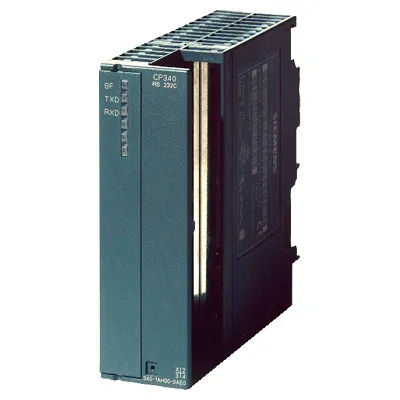
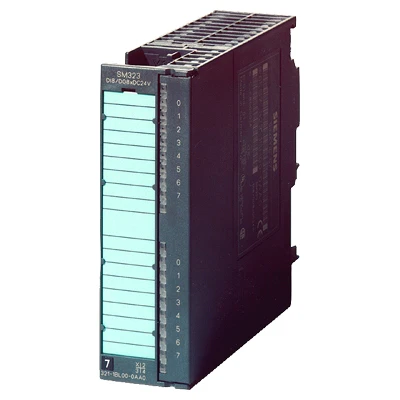
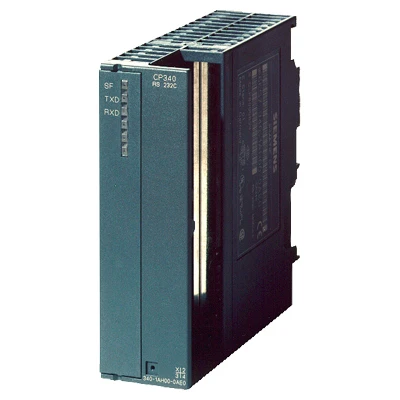
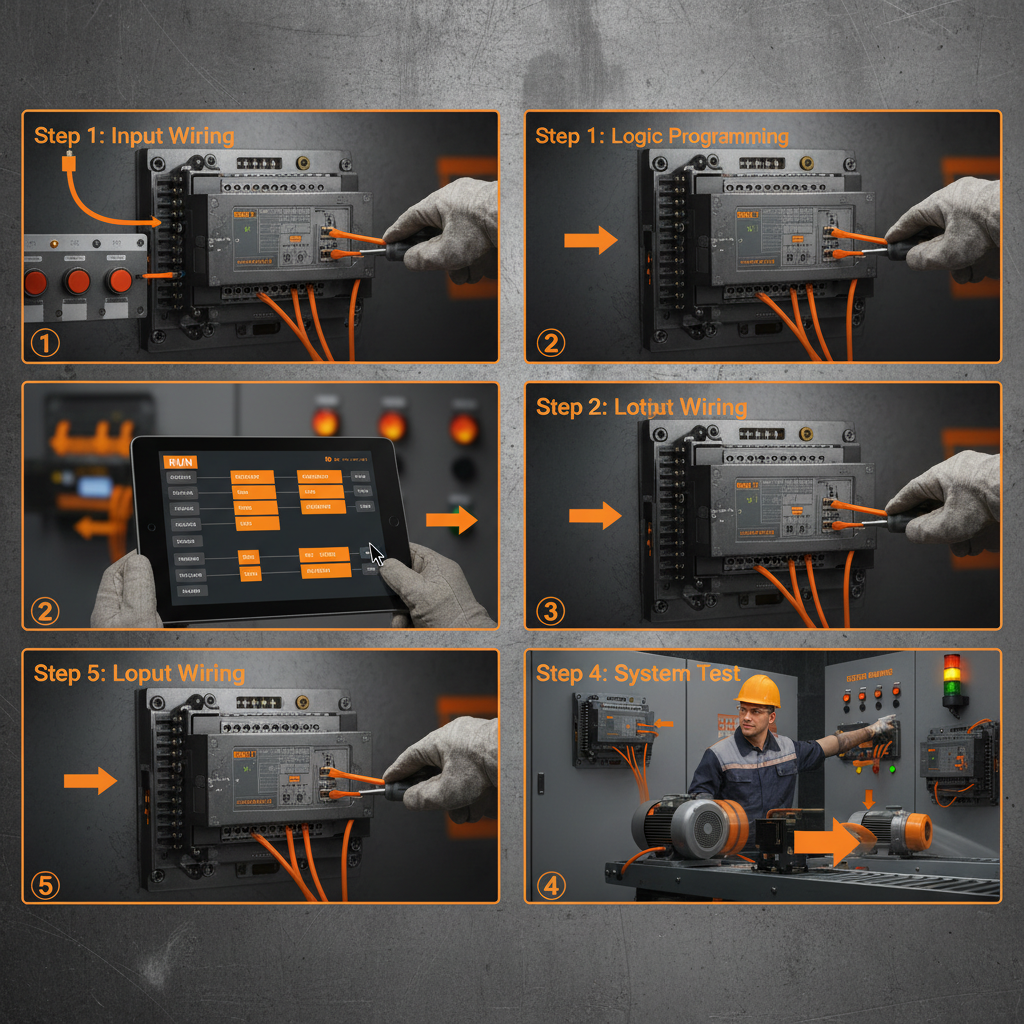
Illustration of a robust industrial communication module designed for demanding environments.
Key Technical Specifications and Performance Parameters
The performance of a communication module is defined by a range of technical specifications crucial for seamless integration and reliable operation within diverse industrial environments. Understanding these parameters is essential for selecting the appropriate module for a given application.
| Parameter | Description | Typical Range/Value |
|---|---|---|
| Supported Protocols | Ethernet/IP, Profinet, Modbus TCP/RTU, OPC UA, PROFINET IO, FOUNDATION Fieldbus, HART | Multiple options, often configurable |
| Data Transfer Rate | Maximum speed for data transmission | 10/100 Mbps (Fast Ethernet), 1 Gbps (Gigabit Ethernet) |
| Isolation Voltage | Electrical isolation between port and power supply | 500 Vrms to 2500 Vrms |
| Operating Temperature | Range of ambient temperatures for reliable operation | -40°C to +70°C (-40°F to +158°F) |
| Storage Temperature | Range of ambient temperatures for storage | -40°C to +85°C (-40°F to +185°F) |
| Ingress Protection (IP) Rating | Protection against dust and water ingress | IP20 (cabinet mounted) to IP67 (field-mounted) |
| Shock/Vibration Resistance | Ability to withstand physical impact and vibration | IEC 60068-2-27 (Shock), IEC 60068-2-6 (Vibration) |
| EMC/EMI Compliance | Electromagnetic compatibility/interference standards | EN 61000-6-2, EN 61000-6-4 (Industrial Environment) |
| Mean Time Between Failures (MTBF) | Statistical prediction of operating time between failures | Typically > 200,000 hours |
These specifications, combined with certified compliance to standards like ISO 9001 for quality management and relevant product-specific certifications (e.g., ATEX for hazardous areas), ensure the reliability and long-term performance demanded by critical industrial applications.
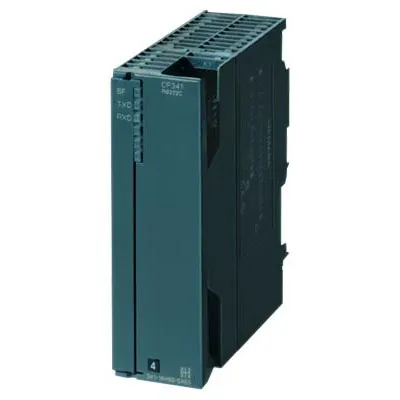
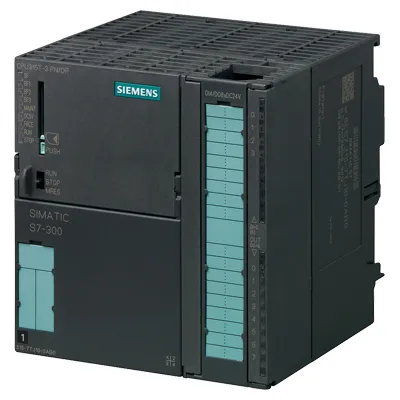
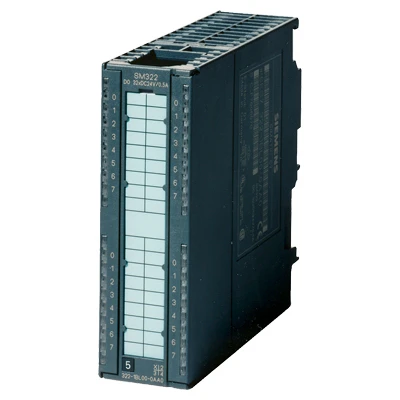
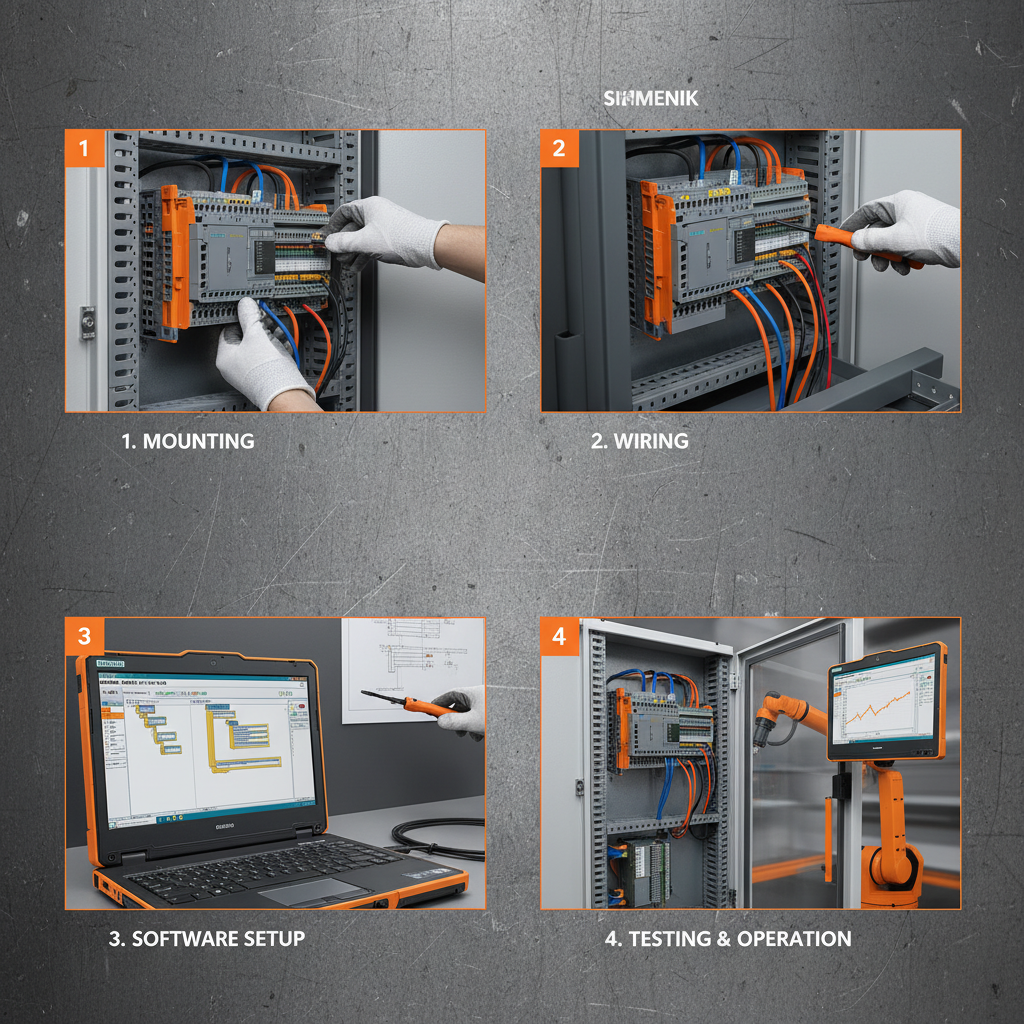
An industrial communication module integrated into a PLC system for enhanced connectivity.
Diverse Application Scenarios and Technical Advantages
The versatility and robustness of the industrial communication module enable its deployment across a broad spectrum of industries, each with unique challenges and requirements. The technical advantages translate directly into operational benefits, improving efficiency, safety, and control.
Target Industries & Key Advantages:
-
Petrochemical Industry:
In environments with hazardous atmospheres and corrosive chemicals, modules with ATEX/IECEx certification and superior corrosion resistance (e.g., marine-grade coatings, stainless steel enclosures) are critical. Advantages include enhanced safety through reliable data integrity for process control, preventing costly downtime, and ensuring compliance with stringent environmental regulations. The high reliability and secure data exchange provided by a robust communication module are paramount for preventing critical incidents.
-
Metallurgy & Heavy Manufacturing:
These sectors demand modules capable of operating in high-temperature, high-vibration, and dust-laden environments. The advantages include resilient data links for critical machinery, enabling real-time monitoring and control of smelting, rolling, and casting processes. Energy saving is achieved through optimized process control, reducing material waste and energy consumption. Features like fanless design and extended temperature ranges are crucial here.
-
Water Supply & Drainage:
Remote monitoring of pump stations, treatment plants, and distribution networks requires modules with robust ingress protection (IP67 for outdoor installations) and resistance to humidity and corrosive elements. Technical advantages include reliable remote telemetry, enabling efficient resource management, early leak detection, and reduced maintenance costs. The ability to perform in isolated, unheated locations contributes to the overall energy saving and operational efficiency of large-scale water networks.
-
Automotive & Logistics:
High-speed, real-time communication is vital for production lines, robotic cells, and automated guided vehicles (AGVs). Modules supporting deterministic protocols like PROFINET IRT ensure precise synchronization and control, leading to increased throughput, reduced production errors, and improved overall operational efficiency.
Across these diverse applications, the core technical advantages remain consistent: unparalleled reliability, high data integrity, enhanced network security, seamless integration with existing control systems, and modularity for future scalability. These attributes collectively contribute to significant operational efficiencies, energy savings, and a lower total cost of ownership (TCO).
Vendor Comparison: Leading Communication Module Providers
Selecting the right communication module often involves evaluating offerings from several prominent manufacturers. While many provide high-quality solutions, their strengths can vary based on ecosystem integration, specific protocol support, and environmental ratings. Below is a comparison focusing on general characteristics often found in industrial communication solutions, with Siemens as a key siemens plc supplier representative.
| Feature/Vendor | Siemens (as a siemens plc supplier) | Rockwell Automation | Schneider Electric |
|---|---|---|---|
| Primary Ecosystem | SIMATIC (TIA Portal) | Allen-Bradley (Studio 5000) | Modicon (EcoStruxure) |
| Preferred Ethernet Protocol | Profinet (incl. IRT) | EtherNet/IP | Modbus TCP, EtherNet/IP |
| Module Diversity | Extensive, from basic to highly specialized (e.g., AS-i, IO-Link, Industrial Wireless) | Broad range for ControlLogix, CompactLogix, Micro800 series | Comprehensive for M580, M340 PLCs |
| Cybersecurity Features | Integrated security functions (firewall, secure boot, VPN) | CIP Security, defense-in-depth architecture | Cybersecurity by Design, embedded security |
| Environmental Ruggedness | High IP ratings, extended temp, vibration resistance (SIPLUS extreme options) | Hardened modules, conformal coating options | Heavy-duty variants for harsh conditions |
| Integration Ease | Seamless within Siemens ecosystem; open for other systems via gateways | Strong integration with Logix platforms | Good integration within EcoStruxure |
While major players like Siemens offer a comprehensive range of solutions, specialized vendors may provide niche communication module products tailored for specific high-performance or extreme environment applications. The choice often depends on the existing control infrastructure, required protocols, and specific environmental demands of the project.
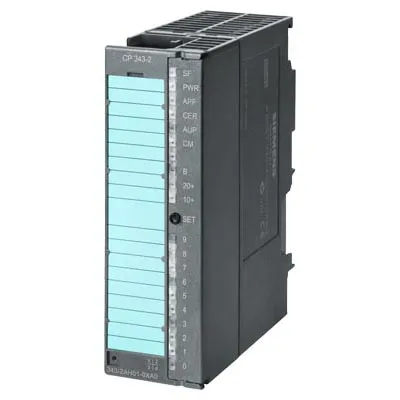
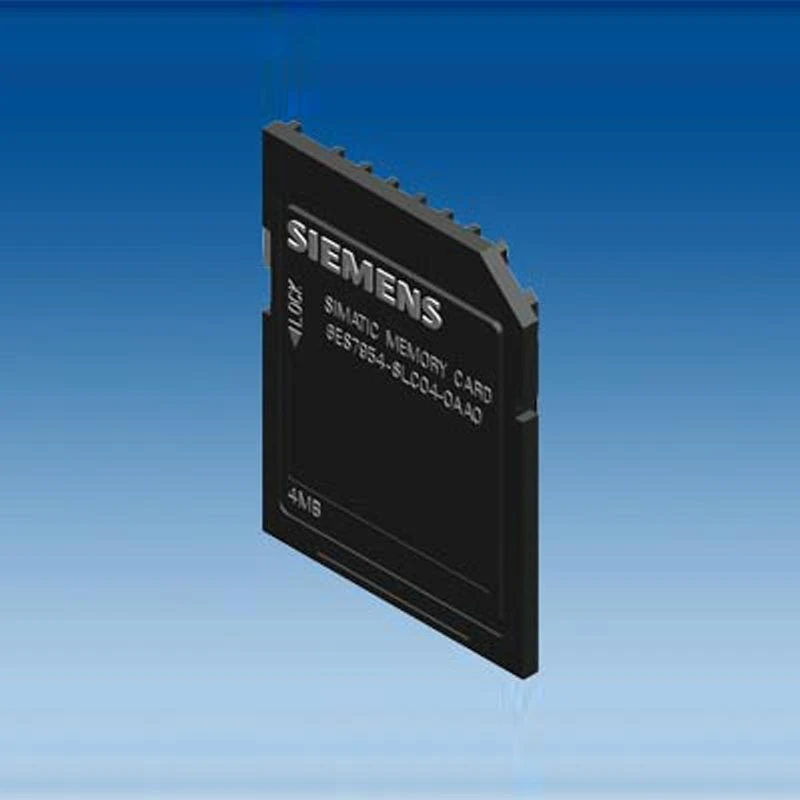
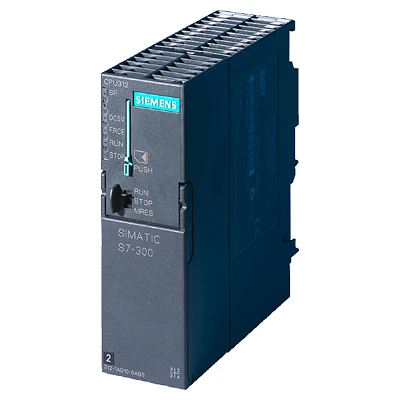
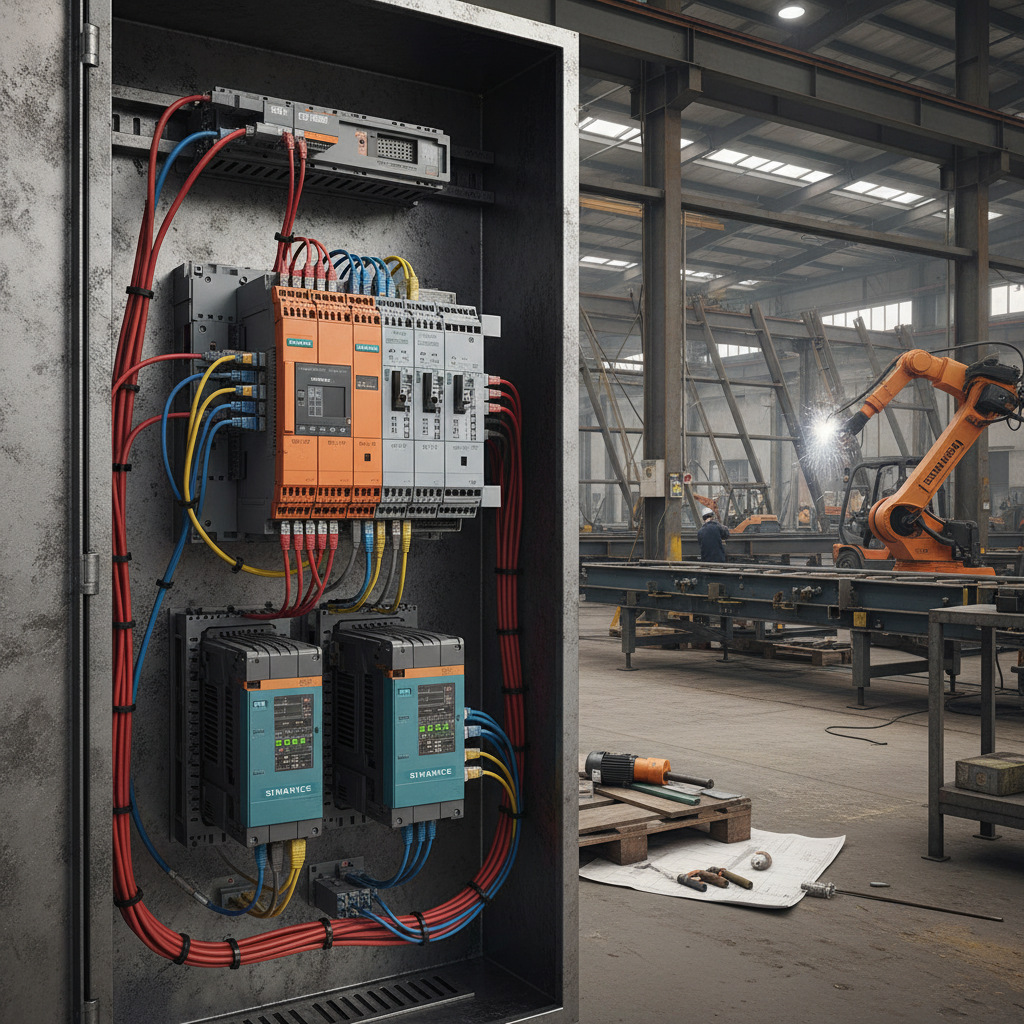
A specialized industrial communication module with advanced features for complex network architectures.
Customized Solutions for Unique Industrial Demands
While off-the-shelf industrial communication module units cater to a wide range of applications, many industrial processes have unique requirements that necessitate tailored solutions. Customization allows for optimization of performance, footprint, and cost-efficiency, ensuring the module perfectly integrates with the specific operational context.
Customization options for a communication module can include:
- Protocol Adaptations: Development of specific protocol stacks for legacy systems or proprietary communication methods not widely supported by standard modules.
- Form Factor & Mounting: Designing modules to fit specific space constraints (e.g., ultra-compact designs) or unique mounting requirements (e.g., panel-mount, DIN-rail, custom enclosure integrations).
- Environmental Hardening: Enhanced protection against extreme temperatures, humidity, corrosive agents, or vibration beyond standard industrial ratings, through specialized coatings, potting, or ruggedized enclosures.
- Power over Ethernet (PoE) Integration: Implementing PoE capabilities for simplified wiring and power delivery in remote or distributed sensor networks.
- Integrated Security Features: Adding specific hardware-level security measures, secure elements, or cryptographic modules for applications demanding the highest level of data protection.
- Specific I/O Combinations: Integrating additional digital, analog, or serial I/O directly into the module for compact control solutions.
Our expertise in both hardware and firmware development enables us to provide bespoke communication module solutions that meet precise client specifications, from initial concept and prototyping to full-scale production and post-deployment support. This flexibility is crucial for industries requiring highly specialized, mission-critical communication links.
Application Case Studies
Case Study 1: Enhanced Oil & Gas Pipeline Monitoring
Challenge:
A major energy company required a robust and secure solution for real-time monitoring of pressure, temperature, and flow rates across thousands of kilometers of remote oil and gas pipelines. Existing communication infrastructure was unreliable, prone to environmental interference, and lacked advanced cybersecurity features, leading to delayed anomaly detection and increased operational risks.
Solution:
We deployed a custom-designed industrial communication module equipped with integrated 4G/LTE connectivity, an IP67-rated enclosure for extreme weather protection, and an embedded VPN client for secure data transmission. The module supported Modbus TCP over cellular and included robust electromagnetic compatibility (EMC) shielding. Each unit was powered by a low-power, solar-charged battery system, optimized for energy saving in remote locations.
Results:
- 99.8% Data Uptime: Significantly improved data acquisition reliability from remote sensor nodes.
- 50% Reduction in Response Time: Faster detection and response to pipeline anomalies, preventing potential environmental hazards and production losses.
- Enhanced Security: Data encrypted end-to-end, meeting industry cybersecurity standards (e.g., IEC 62443).
- Reduced Maintenance: Robust design minimized site visits for communication equipment servicing, reducing operational costs by 30%.
Case Study 2: Smart Factory Automation for Automotive Production
Challenge:
A leading automotive manufacturer aimed to upgrade its assembly line with more agile robotics and AGVs, requiring ultra-low latency and highly deterministic communication between over 500 devices. Their existing Ethernet infrastructure, heavily relying on a siemens plc supplier's standard controllers, struggled with bandwidth and real-time synchronization, causing micro-delays in critical processes and impacting production efficiency.
Solution:
We integrated high-performance PROFINET IRT (Isochronous Real-Time) enabled communication module units directly into their SIMATIC PLC network. These modules provided deterministic data exchange with cycle times down to 31.25 µs, leveraging the existing Siemens ecosystem while drastically improving synchronization. The modules facilitated seamless data transfer from edge sensors to cloud analytics platforms, enhancing predictive maintenance capabilities.
Results:
- 15% Increase in Throughput: Optimized robot and AGV synchronization led to faster cycle times and reduced idle periods.
- 99.99% Determinism: Achieved ultra-reliable, predictable communication for precision tasks, minimizing production errors.
- Improved OEE (Overall Equipment Effectiveness) by 12%: Real-time data enabled proactive maintenance and optimized resource allocation.
- Seamless Integration: Leveraged existing Siemens infrastructure, minimizing disruption and training costs.
These case studies highlight how specialized industrial communication module solutions deliver tangible benefits, transforming operational challenges into significant competitive advantages.
Trustworthiness: FAQ, Lead Time, Warranty & Support
Frequently Asked Questions (FAQ)
Q1: What protocols does your industrial communication module support?
A: Our modules are designed for broad compatibility, supporting industry-standard protocols such as Profinet, EtherNet/IP, Modbus TCP/RTU, OPC UA, and can be customized for specific fieldbus integrations or proprietary protocols.
Q2: What environmental conditions can your modules withstand?
A: Our standard industrial communication module products operate reliably from -40°C to +70°C and meet IP20-IP67 ratings, along with IEC 60068 standards for shock and vibration. We also offer extreme-duty versions for even harsher environments (e.g., ATEX-certified, extended temperature ranges).
Q3: How do your modules ensure cybersecurity?
A: Our modules incorporate multiple layers of security, including secure boot, encrypted communication (TLS/VPN), user authentication, and robust firmware updates. We adhere to industry best practices and standards like IEC 62443 to protect against cyber threats.
Q4: Can you provide customized communication module solutions?
A: Absolutely. We specialize in developing customized modules, adapting to unique form factors, specific protocol requirements, enhanced environmental hardening, and integrated functionalities to perfectly match your application needs.
Lead Time & Fulfillment
For standard industrial communication module products, typical lead times range from 2-4 weeks, depending on order volume and specific configuration. For customized solutions, lead times will be determined after a detailed consultation and design phase, typically ranging from 8-16 weeks for prototyping and initial production. We maintain a robust supply chain and optimized manufacturing processes to ensure timely delivery and offer expedited options for urgent requirements.
Warranty & Customer Support
All our industrial communication module products come with a standard 3-year warranty against manufacturing defects and material failures. Extended warranty options are available upon request. Our dedicated technical support team is available 24/7 via phone, email, and a comprehensive online knowledge base. We offer global field support, remote diagnostics, and regular firmware updates to ensure the continuous optimal performance and longevity of our modules.
References
- IEC 62443 Series - Industrial communication networks – Network and system security. International Electrotechnical Commission.
- Ethernet/IP - Common Industrial Protocol (CIP). ODVA, Inc.
- PROFINET - The Leading Industrial Ethernet Standard. PI (PROFIBUS & PROFINET International).
- OPC UA - The interoperability standard for secure and reliable information exchange. OPC Foundation.
- ISO 9001 - Quality management systems – Requirements. International Organization for Standardization.