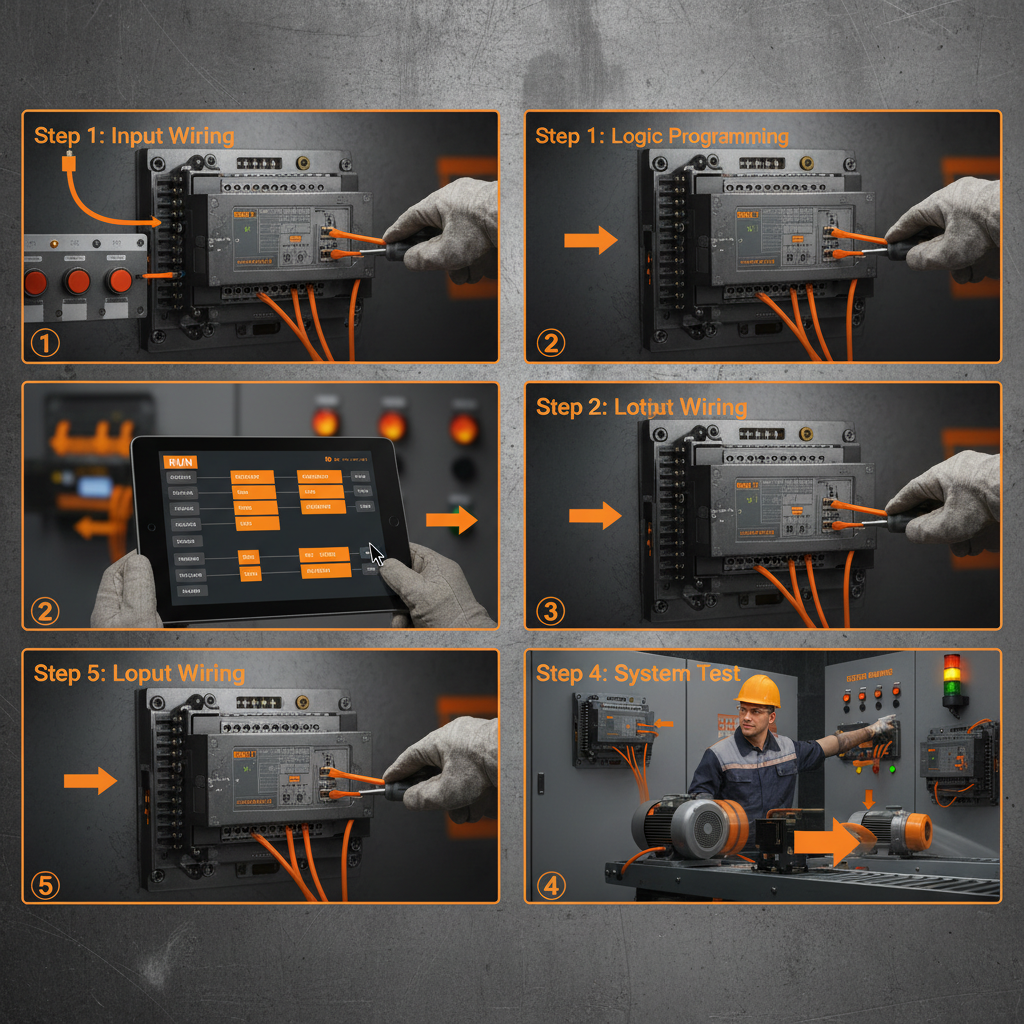
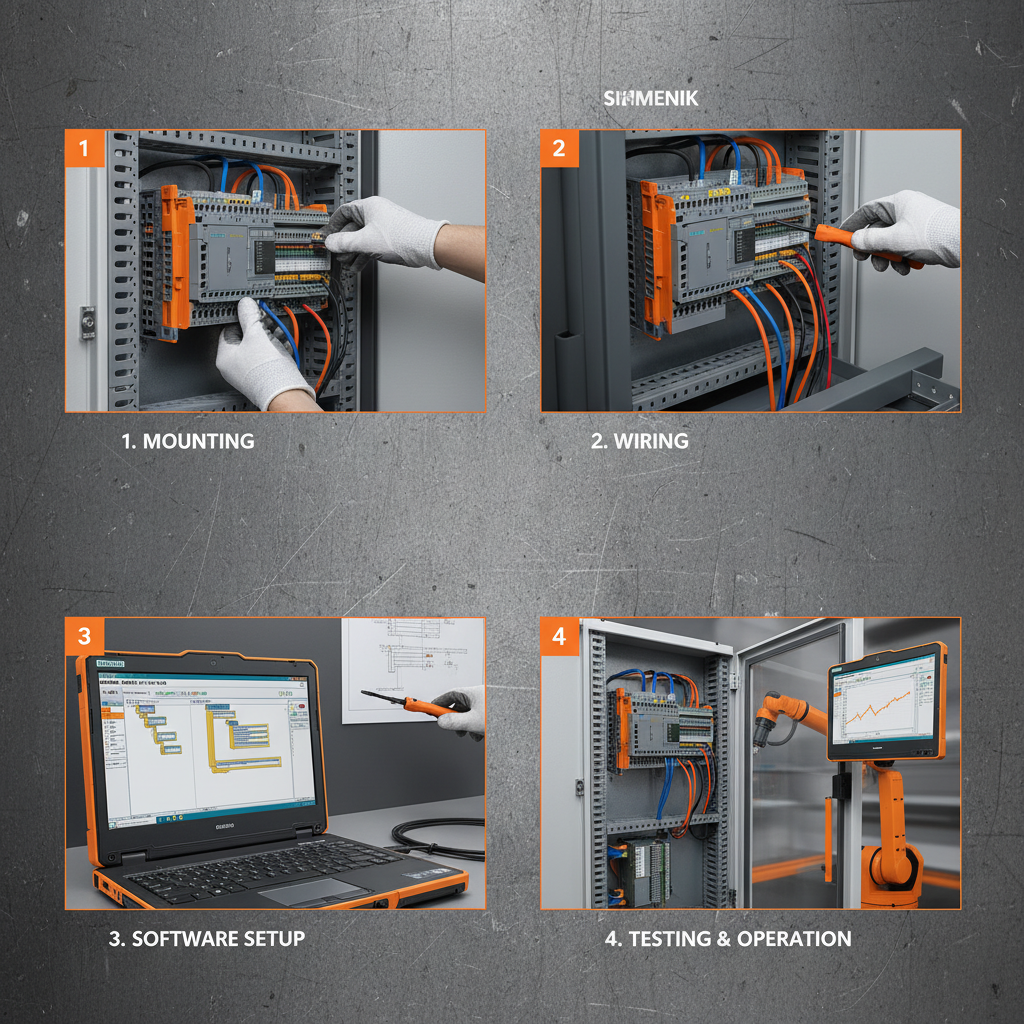
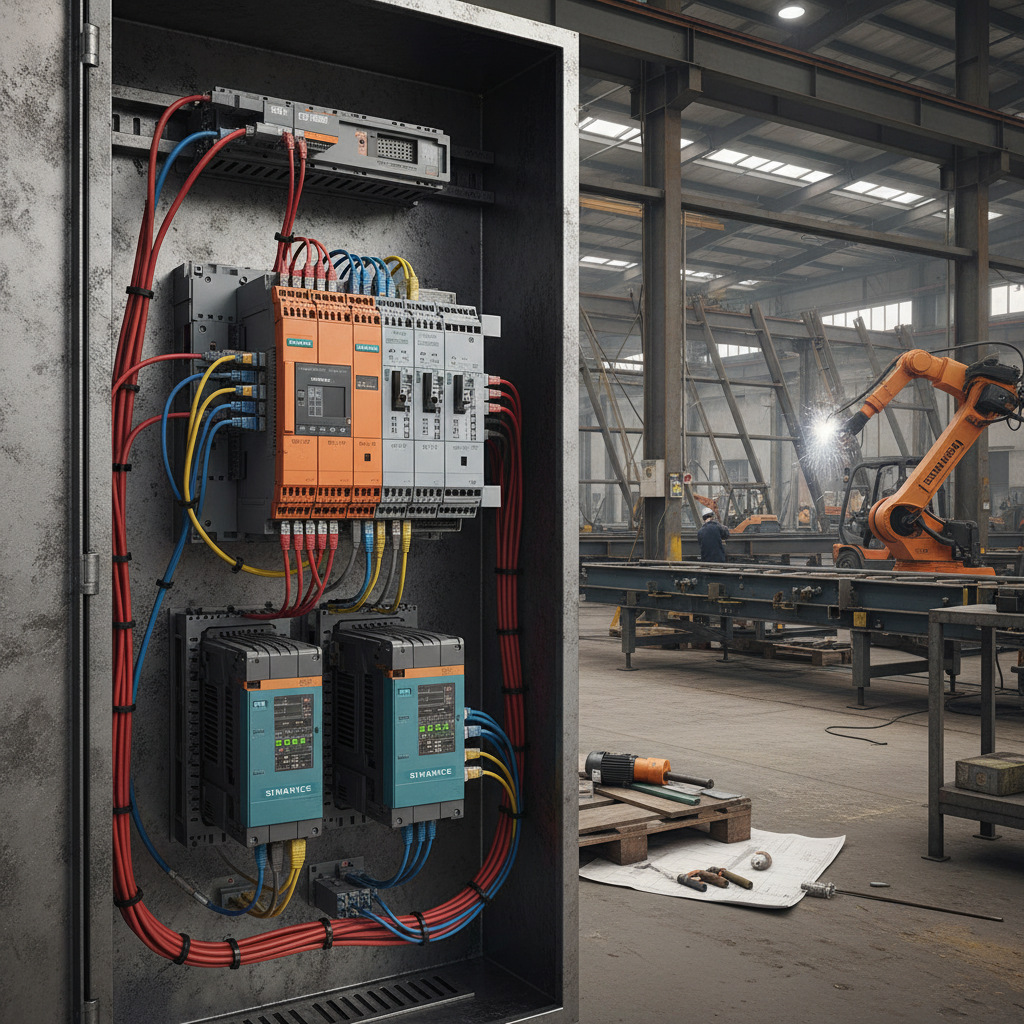
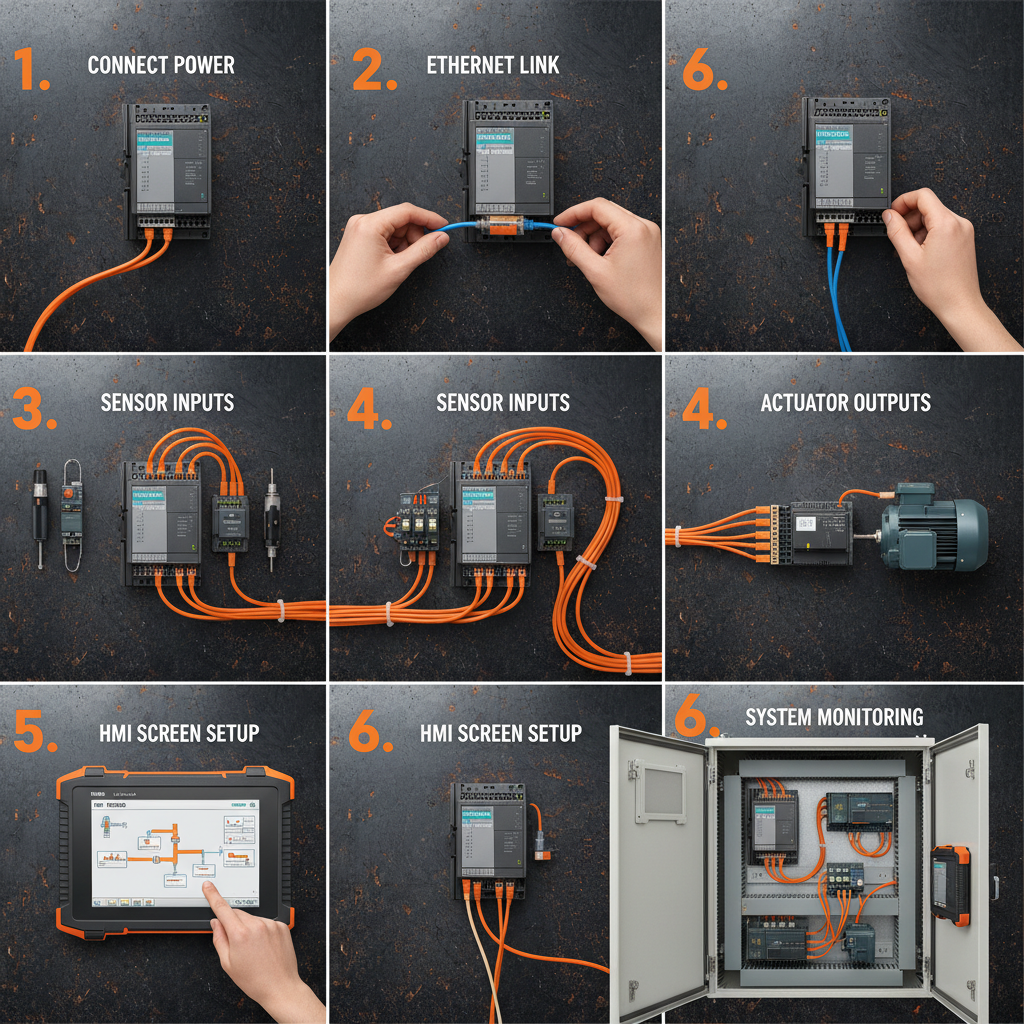
S7-300 AI Controller-Tianjin Yongkai|Precision&Reliability
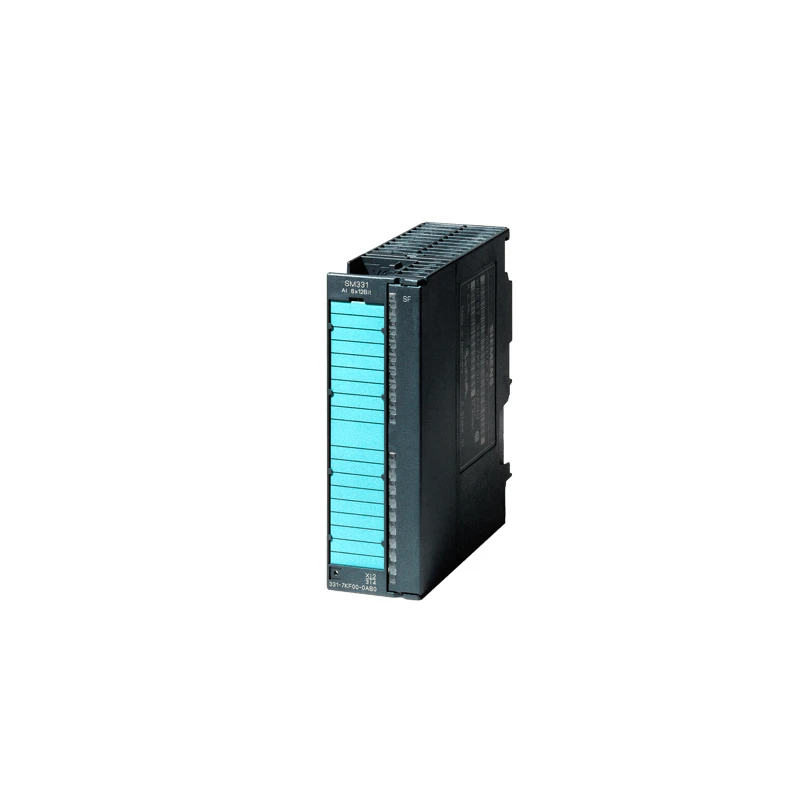
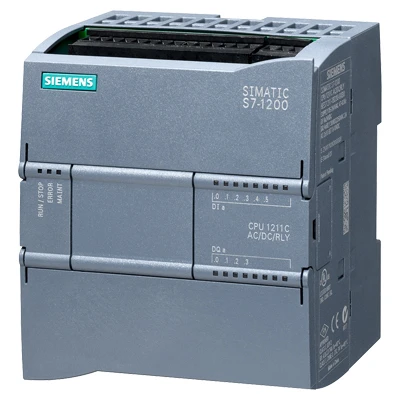
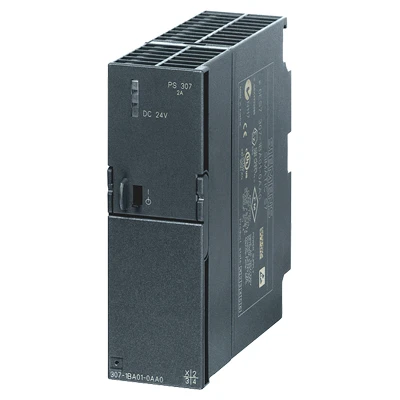
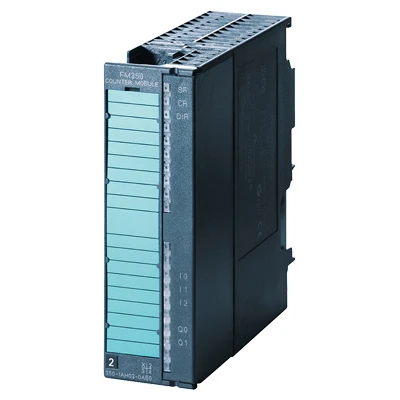
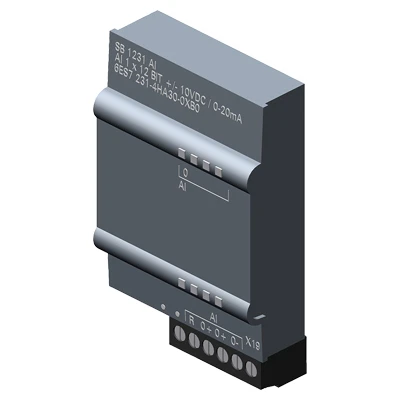
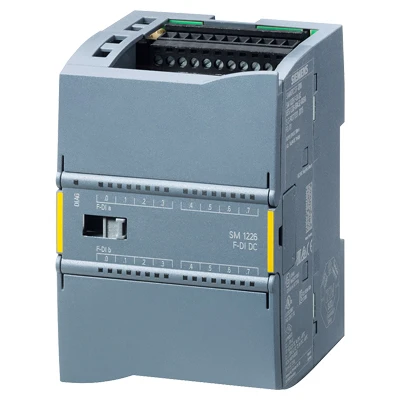
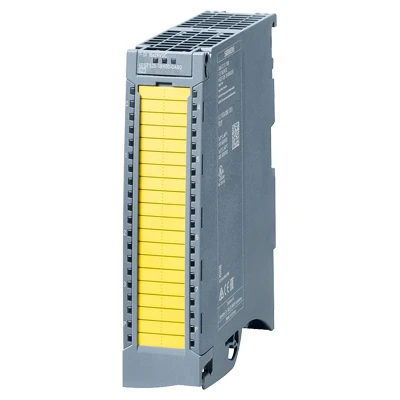
The S7-300 analog input module is a critical component in modern industrial automation systems, offering exceptional precision and adaptability for diverse applications. Developed by Tianjin Yongkai International Trade Co., Ltd., this module is designed to meet the rigorous demands of industrial environments, ensuring reliable data acquisition and seamless integration with control systems. This article explores the features, advantages, technical specifications, and application scenarios of the S7-300 analog input module, while also highlighting the company's commitment to innovation and quality.
Key Features of the S7-300 Analog Input Module
The S7-300 analog input module is engineered to deliver high-performance data acquisition capabilities. Its core features include:
- 8 Analog Input Channels: The module supports up to 8 analog inputs, enabling the simultaneous monitoring of multiple sensors and devices.
- High Bit Accuracy: Available in 13-bit precision, with optional configurations for 9/12/14-bit accuracy, ensuring flexibility for varying application requirements.
- Wide Compatibility: Designed to interface with voltage and current sensors, thermoelectric couples, resistors, and resistance thermometers, making it suitable for a broad range of industrial applications.
- Robust Design: Built to withstand harsh industrial environments, the module ensures long-term reliability and minimal maintenance.
Advantages of the S7-300 Analog Input Module
The S7-300 analog input module offers several advantages that make it a preferred choice for industrial automation systems:
- Enhanced Precision: The module's high bit accuracy ensures minimal signal distortion, enabling accurate monitoring of critical parameters such as temperature, pressure, and voltage.
- Scalability: With its modular design, the S7-300 can be easily expanded to accommodate additional input channels, making it suitable for both small-scale and large-scale applications.
- Seamless Integration: The module is compatible with Siemens' S7-300 PLC systems, allowing for smooth integration into existing industrial control architectures.
- Cost-Effectiveness: By reducing the need for multiple modules and minimizing downtime, the S7-300 provides a cost-effective solution for industrial data acquisition.
Technical Specifications Table
| Parameter | Specification |
|---|---|
| Input Channels | 8 analog inputs |
| Bit Accuracy | 13-bit (options for 9/12/14-bit) |
| Compatibility | Voltage/current sensors, thermoelectric couples, resistors, resistance thermometers |
| Operating Temperature | -20°C to +60°C |
| Power Supply | DC 24V |
| Communication Interface | PROFIBUS DP |
Application Scenarios
The S7-300 analog input module is designed for a wide range of industrial applications, including:
- Process Control: Monitoring temperature, pressure, and flow rates in chemical, pharmaceutical, and food processing industries.
- Energy Management: Measuring voltage and current in power distribution systems to optimize energy efficiency.
- Environmental Monitoring: Collecting data from sensors to track environmental conditions in manufacturing plants and warehouses.
- Automotive Manufacturing: Ensuring precise control of production lines by monitoring mechanical and electrical parameters.
About Tianjin Yongkai International Trade Co., Ltd.
Tianjin Yongkai International Trade Co., Ltd. is a leading provider of industrial automation solutions, specializing in the design, manufacturing, and distribution of high-quality control systems and components. With years of experience in the field, the company has established itself as a trusted partner for businesses seeking reliable and innovative automation technologies. Their commitment to excellence is reflected in the development of products like the S7-300 analog input module, which combines cutting-edge engineering with practical usability.
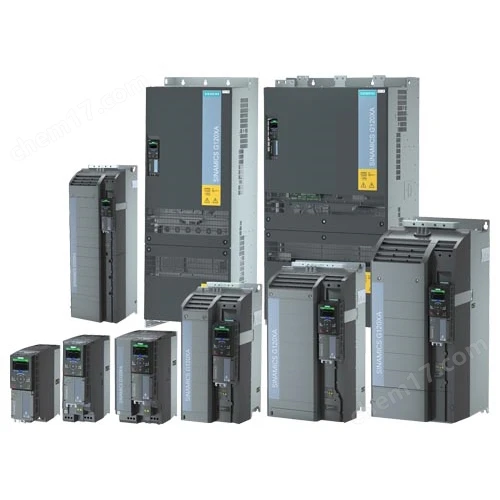
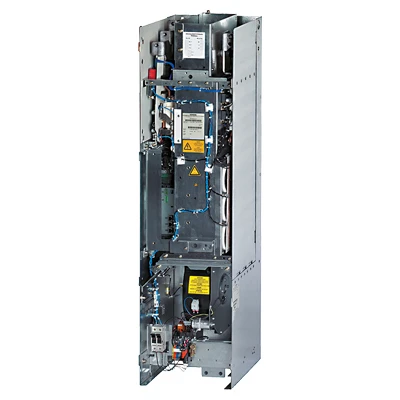
As a key player in the vfd manufacturers and vfd suppliers industry, Tianjin Yongkai ensures that its products meet the highest standards of performance and durability. The company's focus on customer satisfaction and continuous improvement has enabled it to maintain a strong presence in both domestic and international markets.
Compliance with Industry Standards
While specific NIST standards for the S7-300 analog input module could not be retrieved due to technical limitations during the search process, the module is designed to adhere to general industrial standards for precision, reliability, and safety. These standards, often developed by organizations like the National Institute of Standards and Technology (NIST), ensure that industrial equipment meets the required performance criteria for real-world applications.
NIST (National Institute of Standards and Technology) plays a vital role in advancing technology and innovation through its research and development initiatives. Although direct citations for the S7-300 module were not found, the principles outlined by NIST in its publications on industrial automation and measurement systems provide a framework for evaluating the performance of such modules. For more information on NIST's contributions to industrial standards, visit their official website https://www.nist.gov/.
Conclusion
The S7-300 analog input module from Tianjin Yongkai International Trade Co., Ltd. is a testament to the company's dedication to delivering high-quality industrial automation solutions. With its advanced features, robust design, and wide range of applications, this module is an essential component for modern industrial systems. Whether used in process control, energy management, or environmental monitoring, the S7-300 ensures accurate data acquisition and reliable performance.
For more information about the S7-300 analog input module, visit the product page here. To learn more about Tianjin Yongkai, explore their company profile here.
References
NIST (National Institute of Standards and Technology). "Advancing Technology Through Innovation." https://www.nist.gov/. (Note: Specific citations for the S7-300 module could not be retrieved due to technical constraints during the search process.)