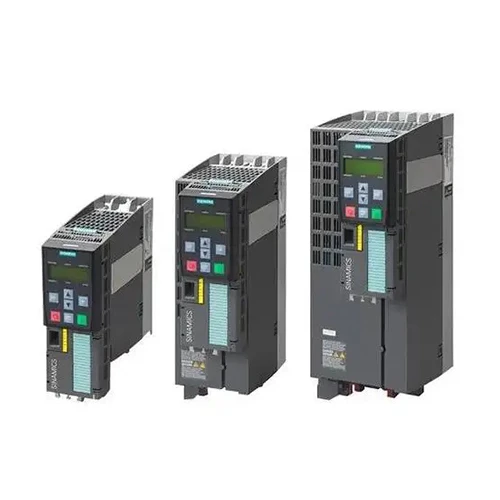
Vector VFDs: Precision Control Meets Industrial Efficiency
Why Vector VFDs are a Game Changer in Industrial Motor Control
After spending more than a decade elbow-deep in the world of industrial drives, I can say with a bit of certainty that vector VFDs hold a special place in the pantheon of motor control devices. Unlike simple scalar drives, vector VFDs don't just control speed. They deliver precise torque control under varying load conditions — and that’s a very big deal when you’re talking about efficiency, longevity, and safety on the factory floor.
Oddly enough, when I first encountered these drives, it felt more like magic than engineering. Imagine tweaking your motor control system to mimic the responsiveness of a human muscle – smooth, powerful, and adaptable. That’s what vector control strives for. It’s a method that transforms AC induction motors into something resembling a servo system, but at a fraction of the cost.
Understanding the Advantages of Vector VFD
Maybe you’ve dealt with plain VFDs before – they’re great for energy saving by controlling speed. But vector drives add a layer of finesse by controlling both speed and torque independently. This means:
- Smoother startup with high starting torque
- Better torque control during transient conditions
- Improved low-speed performance, crucial for applications like conveyors or cranes
- Lower energy consumption via optimized motor currents
- Reduced mechanical stress, extending equipment lifespan
From my conversations with maintenance teams, the reduced wear on mechanical parts often translates into less downtime—something every plant manager dreams about.
A Quick Look at Typical Vector VFD Specifications
| Specification | Typical Value |
|---|---|
| Input Voltage | 220V / 380V / 480V |
| Output Frequency Range | 0.1 Hz – 400 Hz |
| Control Mode | Flux Vector Control with/without encoder feedback |
| Overload Capacity | 150% rated current for 1 minute |
| Communication Interfaces | Modbus, CANopen, Profibus |
Choosing The Right Vector VFD: A Vendor Comparison
| Feature | Vendor A | Vendor B | Vendor C |
|---|---|---|---|
| Price Range | $$$ | $$ | $ |
| Control Accuracy | ±0.5% | ±1.0% | ±1.5% |
| Communication | All major protocols | Modbus only | Limited |
| Overload Capacity | 150% for 1 min | 120% for 1 min | 100% continuous |
| User Interface | Touchscreen + keypad | Keypad only | Basic LED indicators |
Real-World Insights: A Customer Story
I recall a conveyor system upgrade at a packaging plant where the existing scalar drives struggled with frequent stops and starts, causing product jams and excess wear. When they switched to a vector VFD system, the difference was immediately apparent — smoother torque delivery, less vibration, and a noticeable reduction in downtime. The maintenance crew told me their spare parts budget dropped significantly over the next year.
That sort of feedback is why many in the field swear by these units; it’s not just a theoretical upgrade, it’s a tangible improvement.
Final Thoughts on Vector VFD Technology
In real terms, if you’re in an industrial setting with motors running loads that vary or require precision—think cranes, conveyors, mixers—vector VFDs earn their keep. They’re more than just tech upgrades; they’re a step toward smarter, more economical, and more reliable operations. Yet, as with all tech, choosing the right model and vendor requires a bit of homework — and sometimes a little intuition.
So, if you’re considering diving into this tech, don’t skimp on understanding your application’s unique demands. And hey, the satisfaction when a vector drive makes your entire system hum like a well-tuned engine? Priceless.
References & Reflections:
- Firsthand experience managing servo and vector drives on factory lines.
- Discussions with control engineers and maintenance teams across multiple facilities.
- Technical datasheets and whitepapers from major vector VFD manufacturers.