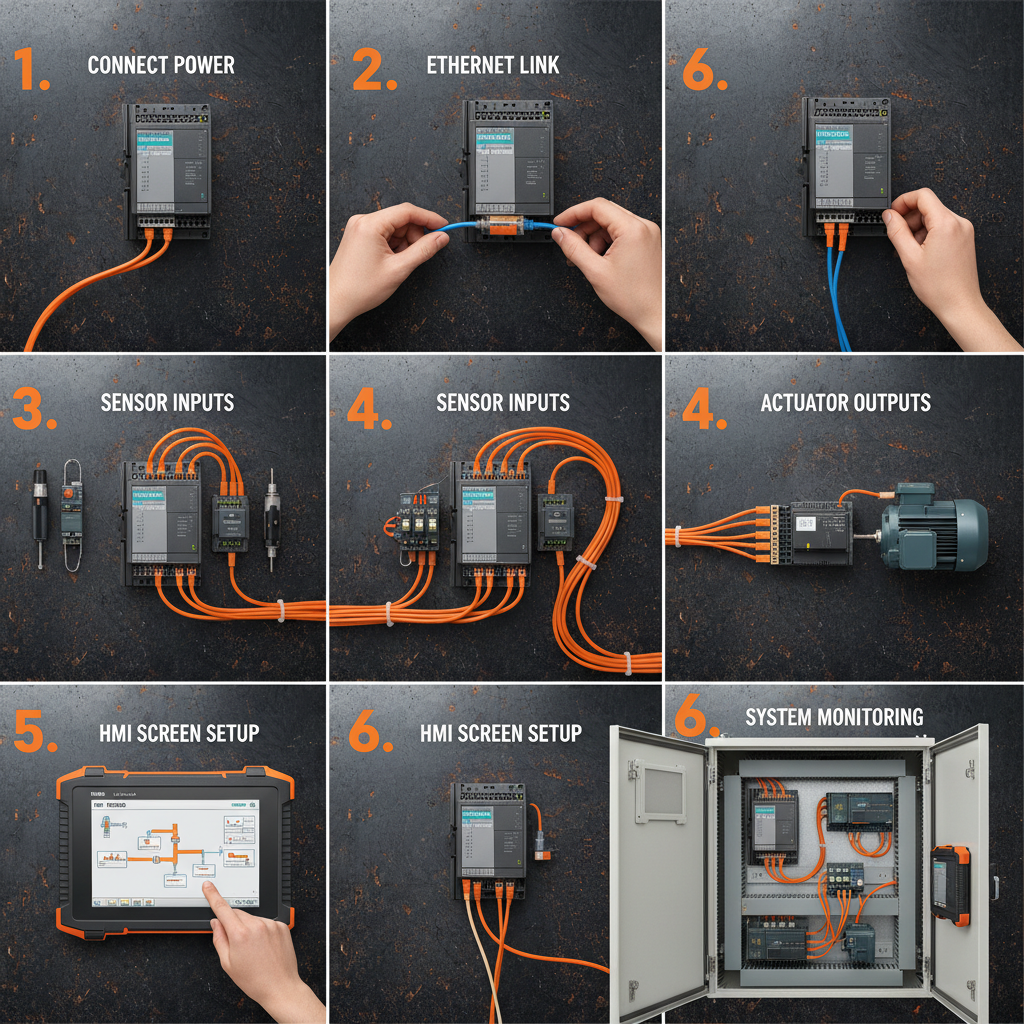
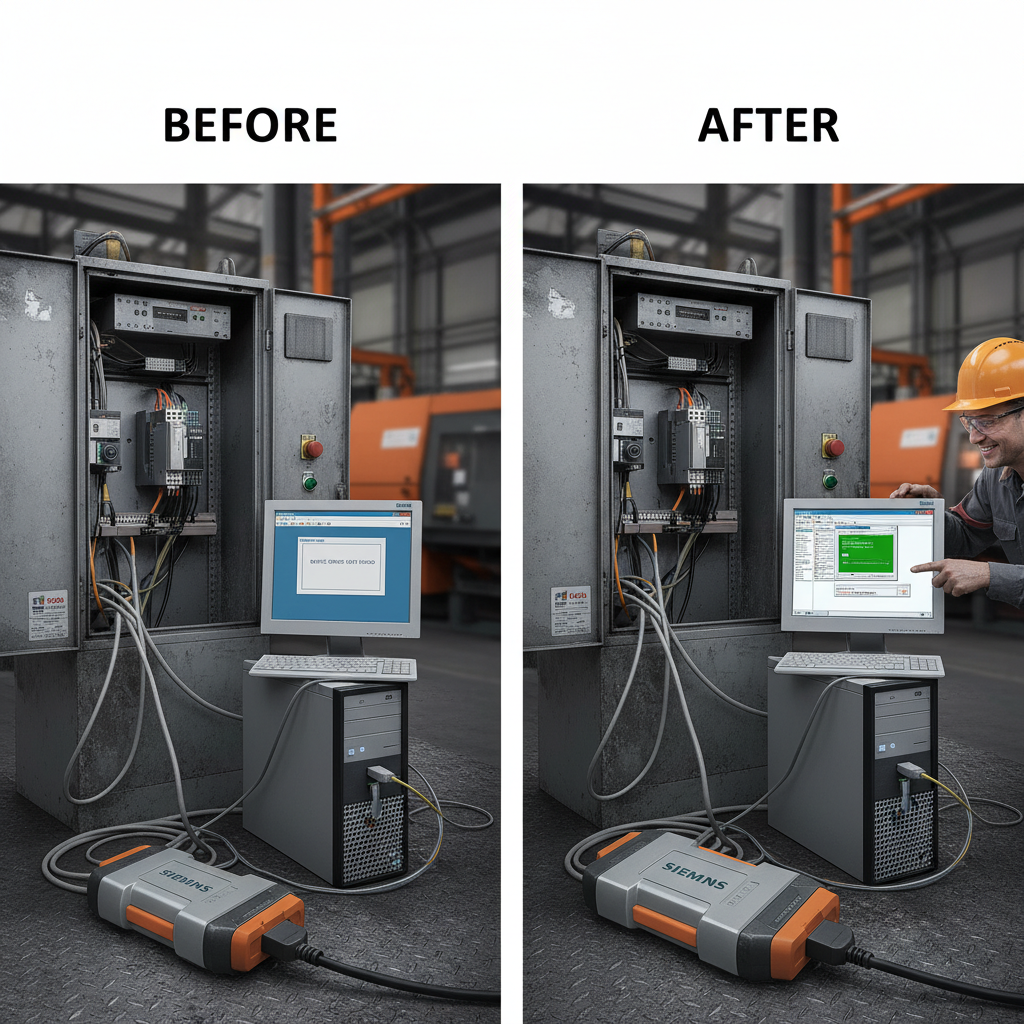
What is a DC to AC Variable Frequency Drive? Benefits, Applications & Vendors
Understanding DC to AC Variable Frequency Drives and Why They Matter Globally
In an increasingly electrified world, the way we control and convert power isn't just a technical detail—it's a cornerstone for industrial efficiency, energy savings, and smarter automation. A dc to ac variable frequency drive might sound like jargon reserved for engineers, but it’s a key technology underpinning everything from factory conveyor belts to renewable energy systems. Understanding its significance can unlock long-term benefits, both economically and environmentally.
Why bother? Well, these drives facilitate smooth motor control by converting direct current (DC) into alternating current (AC) at variable frequencies. This capability isn’t just technical wizardry—it’s the backbone of flexible, energy-conscious industries running across the globe.
Mini Takeaway: DC to AC variable frequency drives enable precise motor control and energy efficiency, directly impacting global industrial and environmental progress.
Why the World Needs DC to AC Variable Frequency Drives Now More Than Ever
According to the International Energy Agency (IEA), industries consume over 40% of global electricity. Within this sector, electric motors alone account for roughly 70% of consumption. That’s staggering when you think about it. In real terms, any innovation that saves power from motor-driven processes can have outsized impacts on carbon footprints and operational costs. Variable frequency drives (VFDs), especially those converting DC to AC, come into play here by optimizing motor speeds dynamically rather than running at full steam all the time.
ISO standards on energy efficiency have further reinforced the adoption of VFDs, especially in regions like Europe and North America, which aim to cut greenhouse gas emissions aggressively. Meanwhile, emerging economies in Asia and Africa see these drives as cost-effective means to modernize infrastructure and make energy grids smarter.
Yet challenges remain: fluctuating power quality, initial investment hurdles, and technical know-how barriers. That’s what makes understanding dc to ac variable frequency drives both timely and essential.
Mini Takeaway: The widespread adoption of these drives addresses major industrial energy waste and supports global sustainability targets.
What Exactly Is a DC to AC Variable Frequency Drive?
Let’s break it down simply. A dc to ac variable frequency drive is an electronic system that takes in direct current—think batteries, solar panels, or rectified incoming AC power—and outputs alternating current where both the voltage and frequency can be adjusted continuously. This means motors connected to the drive don’t just run at “on” or “off,” but at speeds tailored to exact process needs.
This ability is crucial in modern industry: from conveyor lines speeding up during bulk loads to water pumps operating only as needed. Moreover, humanitarian and off-grid settings use such drives to capitalize on intermittent DC sources (like solar arrays), turning them into controllable AC power for equipment. In a way, these drives represent the pulse of modern electrical control.
Mini Takeaway: By converting stable DC power into flexible AC output, these drives offer precise motor speed control vital to modern electrical systems.
Core Components and Key Features You Should Know
1. Power Conversion Efficiency
The heart of the drive is its inverter — turning DC into variable frequency AC with minimal loss. Many engineers report efficiency rates above 95%, which matters big time in energy-lean contexts.
2. Control Algorithms
Modern drives use microprocessors and sophisticated feedback loops to tailor motor behavior—think soft starts, torque control, and fault detection. This means less wear and tear, longer equipment life.
3. Durability and Protection
These drives often operate in tough industrial environments, so features like thermal protection, overload and short-circuit safeguards are vital.
4. Scalability and Integration
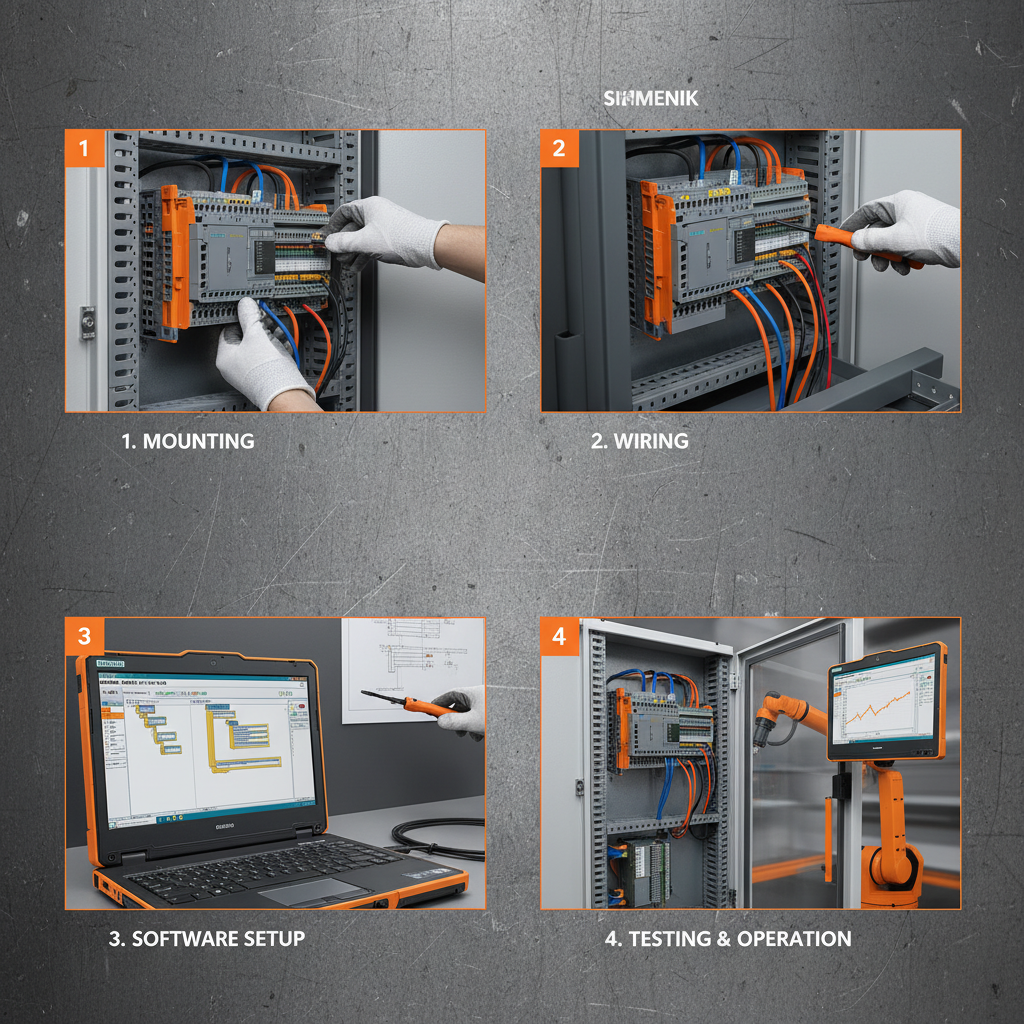
Whether running a tiny water pump or a massive factory line motor, drives come in modular formats to scale accordingly. Many also offer communication protocols that play nice with industry 4.0 setups.
5. User Interface and Diagnostics
Modern units often feature displays or remote monitoring options, helping technicians troubleshoot before issues escalate.
Mini Takeaway: From efficient power conversion to robust control and smart feedback, these drives embody technological sophistication tailored for diverse industrial uses.
Global Applications: Where DC to AC Variable Frequency Drives Really Shine
Their real-world uses are vast, but here are some striking examples:
- Renewable Energy Integration: Solar farms generate DC power, but most grids and equipment require AC. These drives help convert and modulate power flow smoothly.
- Water Treatment Plants: Pump speeds can vary based on demand or filtration needs, saving power in municipalities worldwide.
- Disaster Relief Operations: Portable DC sources (like battery banks or generators) often require AC-driven equipment. Variable drives enable safer and efficient motor operation.
- Manufacturing Hubs: Asian manufacturing zones increasingly invest in these drives to improve production flexibility and reduce downtime.
One remote mining operation in Australia noted a 20% cut in energy costs after integrating dc to ac variable frequency drives across its conveyor systems — a neat example of turning technology into tangible savings.
Mini Takeaway: From deserts to cities, these drives empower industries and communities by adapting DC power sources for essential, variable-speed AC applications.
Advantages and Long-Term Value of DC to AC Variable Frequency Drives
Beyond the obvious energy savings, there’s a social and environmental story here. By enabling more efficient motor control, these drives reduce carbon emissions, lower maintenance needs, and increase equipment lifespan. That’s a win-win, especially for companies aiming at sustainability goals or humanitarian nonprofits managing fragile infrastructure.
Emotionally, the technology builds trust in systems—when a pump maintains steady water flow during drought, or conveyors respond accurately to production surges, it fosters reliability and safety. It’s a quiet innovation that anchors many modern comforts.
Mini Takeaway: Energy, cost savings, sustainability, and reliability combine to make dc to ac variable frequency drives a smart long-term investment.
What’s Next? Trends and Innovations in DC to AC Variable Frequency Drives
The future is frankly exciting. Developers are enhancing drives with AI-powered predictive maintenance, integrating them fully into digital twins of factories. Meanwhile, materials innovation aims to reduce losses even further with silicon carbide semiconductors.
Green energy is a big driver here—smarter inverters that manage DC from solar + battery setups seamlessly into microgrids. Add industrial IoT connectivity, and you get live analytics informing energy managers almost in real time.
Mini Takeaway: Emerging tech promises drives that are more efficient, smarter, and greener, perfect for a digitalized, sustainable future.
Challenges and How Industry Addresses Them
Admittedly, upfront costs can be a barrier, especially in developing regions. Complexity in installation and maintenance also demands skilled technicians.
Solutions? Modular designs simplify integration, while training programs and remote assistance support knowledge gaps. Some startups focus on plug-and-play models tailored for humanitarian sectors—reducing hassle and increasing adoption.
Mini Takeaway: Addressing cost and complexity through innovation and education is key to broader adoption worldwide.
Frequently Asked Questions About DC to AC Variable Frequency Drives
- Q: Can DC to AC variable frequency drives improve the lifespan of motors?
- A: Absolutely. By allowing soft starts and variable speeds, these drives reduce mechanical stress and overheating, which are major wear factors. This can add several years to motor lifespan with proper maintenance.
- Q: Are these drives compatible with solar power systems?
- Yes, many VFDs are designed to work seamlessly with DC from solar arrays, converting power for AC motors used in pumps, fans, or industrial machinery, making renewable energy more practical and efficient.
- Q: How difficult is it to retrofit existing equipment with a dc to ac variable frequency drive?
- Retrofitting can vary from straightforward to complex, depending on motor type and control infrastructure. Many drives come with flexible control options, but professional assessment is advised to ensure compatibility.
- Q: What maintenance do these drives require?
- Routine cleaning, firmware updates, and periodic diagnostics keep drives running smoothly. Many modern units offer self-diagnostics and remote monitoring to ease upkeep.
- Q: Do variable frequency drives contribute significantly to energy savings?
- Yes, especially in applications where motors don’t need to run at full speed constantly. By matching output speed and torque to demand, VFDs can cut energy use by up to 30–50% in some cases.
Product Specification Table
| Specification | Details |
|---|---|
| Input Voltage | 24 - 600 V DC |
| Output Voltage | 3-phase AC, 0 - 480 V adjustable |
| Power Rating | 0.5 kW to 500 kW |
| Control Modes | V/f, Vector Control, Sensorless Vector Control |
| Communication Protocols | Modbus, CANopen, Ethernet/IP |
| Protection Features | Overcurrent, Overvoltage, Thermal, Short Circuit |
Vendor Comparison Table
| Vendor | Power Range | Efficiency | Key Features | Average Cost |
|---|---|---|---|---|
| DriveX Solutions | 0.5 – 200 kW | 96% | Integrated IoT, Remote Diagnostics | $$$ |
| VoltMaster Tech | 1 – 500 kW | 95.5% | Modular Design, Wide Protocol Support | $$$$ |
| EcoDrive Corp. | 0.3 – 150 kW | 94.8% | Green Compliance, Easy Setup | $$ |
Interested in learning more? Feel free to explore our detailed product page on dc to ac variable frequency drive for specs, customer stories and support.
Wrapping It Up: Why These Drives Are More Than Just Electronics
In a nutshell, dc to ac variable frequency drives are quietly transforming the mechanics of modern life. They save energy, extend equipment lifetime, and link renewable energy more naturally with traditional machinery. They’re a practical answer to some of the toughest industrial and environmental challenges we face.
In the years ahead, as innovations accelerate and green priorities rise, these drives will only grow in importance. So whether you’re an engineer, a factory manager, or someone looking to empower remote communities with reliable power, understanding this technology — and making it work for you — will pay dividends.
Ready to upgrade your systems? Visit https://www.tianjinyongkai.com today for expert advice, product info, and support.
Quick References: