What Is a VFD in Electrical Systems? | Industrial Motor Control Explained
What Is a VFD in Electrical Systems?
Working in the industrial equipment sector for over a decade, I've come to appreciate how something as seemingly simple as a VFD quietly revolutionizes motor control in factories and plants worldwide. You might have heard the acronym tossed around during maintenance talks or machine upgrades, but what exactly is a VFD?
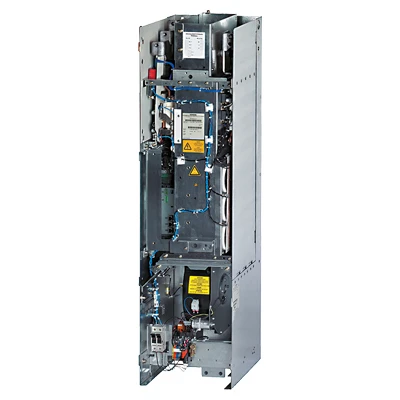
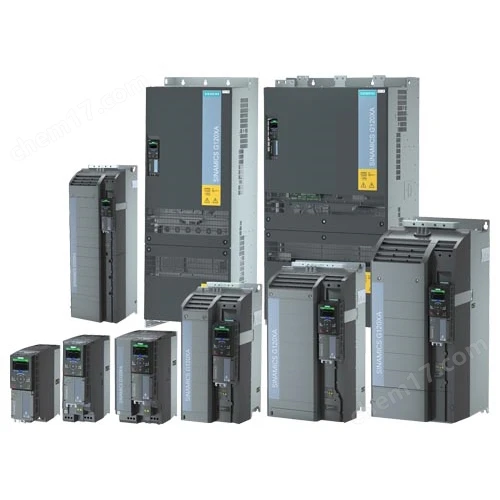
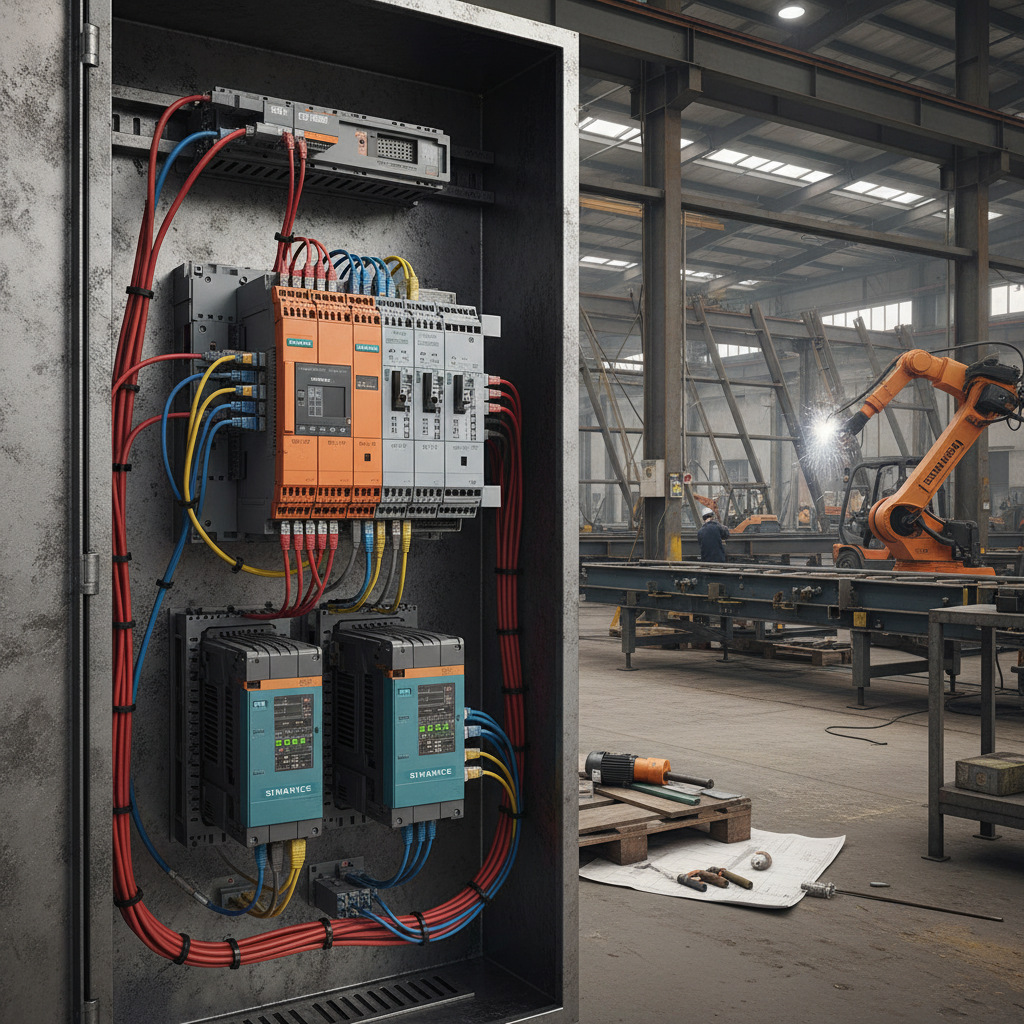
In essence, a Variable Frequency Drive (VFD) is an electronic device that controls the speed and torque of an electric motor by varying the frequency and voltage of the power supplied. Oddly enough, for something so technical, it has a tangible effect you can almost feel on the shop floor—smoother startups, less wear on motors, and often significant energy savings.
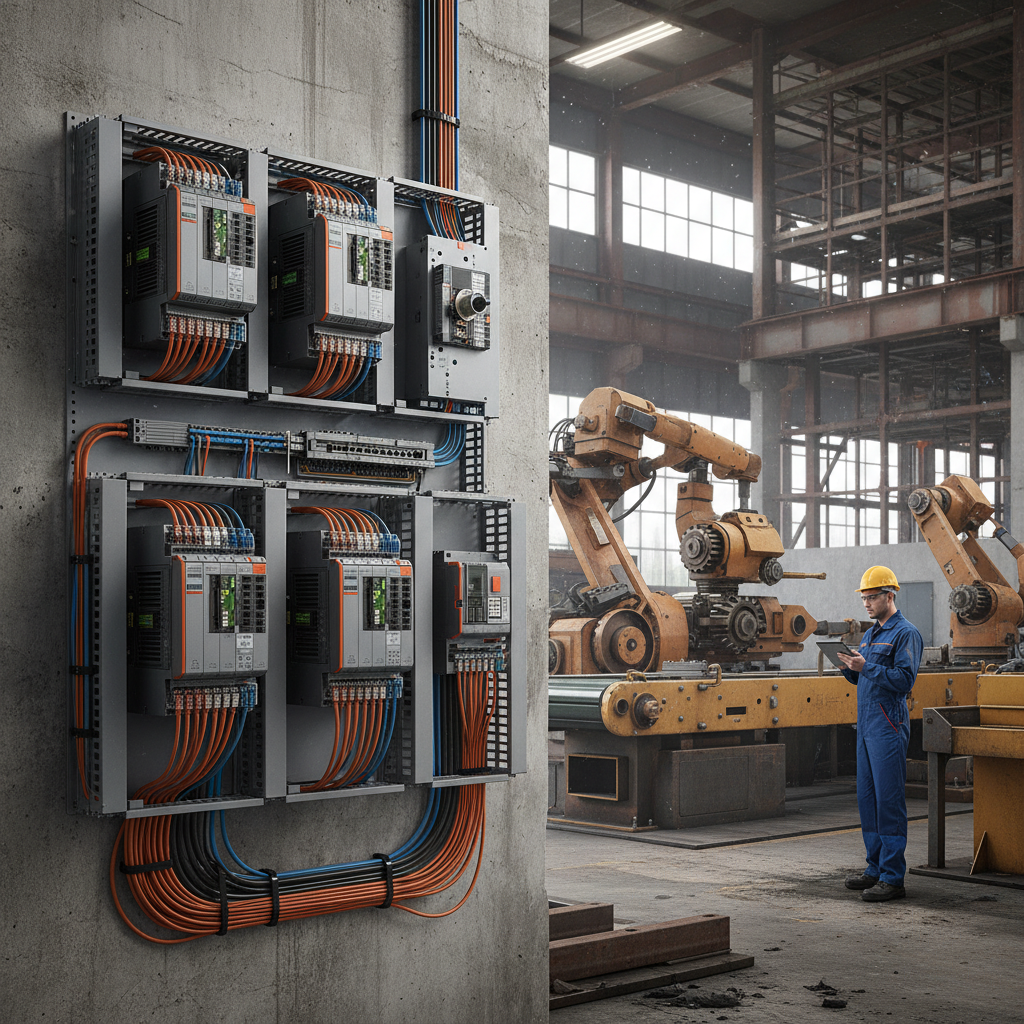
I recall a client who retrofitted their conveyor motors with VFDs and reduced downtime drastically. The smoother acceleration meant fewer jams and less shock on the mechanical parts, which frankly delighted their maintenance crew. Beyond that, the energy bills took a noticeable dip, an unexpected bonus for many managers who had only focused on reliability in the past.
Why Are VFDs Important?
The days of rudimentary motor starts and stops are fading fast. VFDs allow precise motor speed control, which means processes can be optimized rather than just running at full bore constantly. This not only preserves equipment life but also aligns operations better with production demands.
Many engineers I’ve chatted with highlight how VFDs also help to reduce the inrush current during motor startup. That “current spike” used to trip breakers or at least require beefier wiring, but now it’s controlled, making system design simpler.
There’s also a notable environmental angle. By adjusting motor speed to actual load needs, power consumption decreases — a straightforward way to improve sustainability without drastic equipment changes. It’s a win-win when you think about regulatory pushes and cost containment.
Common Specs of a Typical VFD
| Specification | Typical Range/Value |
|---|---|
| Input Voltage | 200-480 V AC (3-Phase) |
| Output Voltage | Variable, up to input voltage rating |
| Output Frequency | 0 to 400 Hz (variable speed) |
| Power Capacity | Fractional HP up to several hundred HP |
| Control Methods | V/F, Vector control, Sensorless vector |
| Communication | Modbus, CAN, Ethernet, other protocols |
Choosing the Right VFD: A Quick Vendor Comparison
Not all VFDs are created equal, and after years of troubleshooting and retrofits, I’ve noticed subtle but important differences between manufacturers. Here’s a quick rundown of three common vendors with their key strengths:
| Vendor | Strengths | Typical Use Cases | Price Range |
|---|---|---|---|
| Tianjin Yongkai | Good balance of cost & reliability, strong support | General industrial, conveyor systems, pumps | $500 - $5,000 |
| Siemens | High-end features, robust software integration | Automotive, heavy industry, high precision | $1,000 - $10,000+ |
| Delta Electronics | Energy efficiency focus, compact design | HVAC, light manufacturing, packaging | $400 - $4,000 |
In real terms, if you’re on a tight budget yet need a dependable VFD that handles everyday tasks well, I’d say Tianjin Yongkai is worth considering — especially with their solid customer support. I’ve seen teams adopt their drives with minimal tweaking needed, which can save headaches down the line.
That said, applications requiring deep integration or super-tight motor control might lean toward brands with broader software ecosystems. It’s all about balancing cost, features, and long-term maintenance.
Ultimately, the VFD you choose can impact not only machine uptime but also energy efficiency and system flexibility—areas increasingly vital as industries modernize. It feels like we’re just scratching the surface of what these drives can do.
So, if you’re stepping into motor speed controls and want to optimize your electrical setups, understanding the basics of a VFD is a great place to start. The blend of hardware, control algorithms, and application know-how is what makes it all work in harmony.
To wrap up with a small reflection: the more you work around variable frequency drives, the more you recognize their quiet importance—often out of sight but critical to efficient industrial operations.
References
- Electrical Motor Drives: Modeling, Analysis, and Control – R. Krishnan
- “Energy Management in Industry” – International Energy Agency, 2022 Report
- Vendor datasheets and product manual reviews from Tianjin Yongkai, Siemens, Delta Electronics