What Is the Purpose of a VFD Drive in Industrial Equipment?
What Is the Purpose of a VFD Drive in Industrial Equipment?
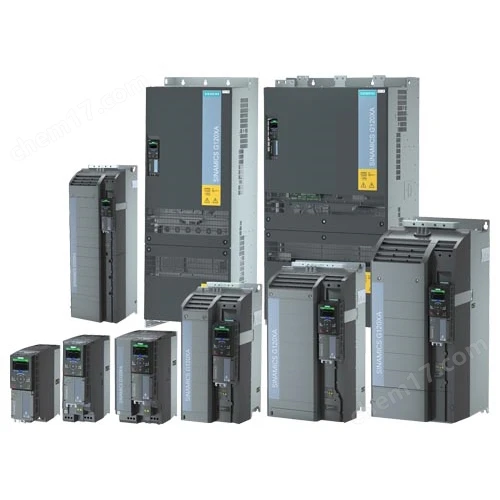
Working in the industrial equipment world for over a decade, I’ve come to appreciate how vital variable frequency drives, or VFD drives, are in modern systems. Honestly, they’re the unsung heroes of motor control. If you haven’t encountered one up close, a VFD drive essentially regulates the speed and torque of electric motors by controlling the frequency and voltage of the power supply.
Why does that matter? Well, motors are everywhere in industry – from pumps and conveyors to fans and compressors. In older setups, motors ran at fixed speeds, which often meant wasting energy or causing unnecessary wear. VFD drives changed the game by allowing precise speed control — which, frankly, translates into efficiency and extended equipment life.
I remember when a client in a facility producing packaging materials switched to motors equipped with VFD drives. They reported a 20% energy saving just in the first six months. That kind of impact isn't just impressive; it feels like a signpost for smart operations from the get-go.
On the design side, most VFDs incorporate microprocessors and sophisticated algorithms to optimize motor response. You get better starting torque, fewer mechanical shocks, and even improved process control. The magic mostly happens inside the drive’s inverter section, which converts incoming AC power into controlled variable frequency output.
| Specification | Typical Range / Feature |
|---|---|
| Input Voltage | 220-480V AC (3-phase common) |
| Output Frequency | 0 - 400 Hz |
| Control Methods | V/Hz, Vector Control, Sensorless Vector |
| Power Ratings | 0.5 kW to 500 kW+ |
| Communication Protocols | Modbus, Profibus, Ethernet/IP |
| Cooling Type | Fan-cooled or Natural Cooling |
One thing many engineers will agree on: not all VFD drives are built equal. You’ve got the budget models and the high-end systems with expanded functionality. And oddly enough, the choice often depends on application specifics — from load types to ambient conditions.
| Vendor | Price Range | Key Advantage | Support & Warranty |
|---|---|---|---|
| Tianjin Yongkai | Mid-range | Reliable quality with flexible customization | 2-year standard warranty, responsive tech support |
| Vendor B | Low-end | Cost-effective but limited features | 1-year warranty, basic support |
| Vendor C | High-end | Advanced diagnostics, extensive protocol support | 3-year warranty, premium support packages |
In real terms, selecting a VFD drive depends on your system’s rhythm — what the motors need to handle day in and day out. Some clients want simple and robust, others demand cutting-edge control with remote monitoring. The good news is vendors like Tianjin Yongkai offer customization that’s hard to beat if you need something tailored.
Maintenance-wise, VFD drives also make life easier. Many include self-diagnosis functions (which, frankly, save hours of troubleshooting) and protect the motor from overloads or voltage sags. When I was on a job site last year, I observed how quickly technicians pinpointed faults thanks to integrated alarms – that’s efficiency you can’t overlook.
To wrap this up: if your goal is to improve energy efficiency, prolong motor life, and enhance process control, a VFD drive is basically your best bet. They’re not just accessories anymore; they’re essential components of responsible industrial design.
“Choosing the right VFD could mean the difference between a system that just runs and one that runs smart.”
—
References:
1. IEEE Industry Applications Society – VFD Fundamentals
2. Tianjin Yongkai Product Documentation
3. Energy Savings Case Studies in Industrial Motors