What Is the Purpose of a VFD? | Industrial Motor Speed Control
What Is the Purpose of a VFD?
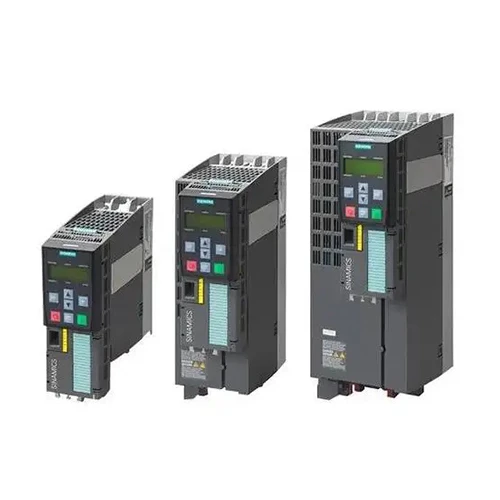
If you've spent any time around industrial equipment, you've probably bumped into the acronym VFD — or Variable Frequency Drive, to spell it out. Oddly enough, while the term sounds technical, its actual purpose is rather intuitive. Simply put, a VFD controls the speed and torque of electric motors by adjusting the frequency and voltage of the power supplied. But there's a good deal more to unpack here, especially if you care about efficiency, equipment lifespan, or just plain better control on the factory floor.
I remember the first time I saw a VFD installed on a heavy-duty pump system. The company wanted better speed control to improve process flow but also realized the energy savings could be substantial. Energy costs are no joke, especially as motors often run 24/7 in many industrial settings. A VFD enables operators to dial the motor’s speed exactly where it needs to be, rather than running full throttle constantly. Frankly, that’s a game changer.
Why Do Industrial Operators Care?
A conventional fixed-speed motor just hums away at one pace, whether the task requires it or not. That’s kind of like driving your car only at full gas pedal — very inefficient and hard on the engine. With a VFD, you gain flexibility. The motor speeds up for heavy load situations and slows down for lighter tasks. This precision ultimately reduces wear and tear (which inevitably means lower maintenance costs) and enhances process control.
Another benefit that many engineers often mention is the soft-start capability. Instead of the motor jerking to life and causing sudden mechanical stress and power surges, the VFD smoothly brings it up to speed — essentially extending the equipment’s lifetime. In industries where downtime costs thousands, this smooth control isn’t just a nice feature; it’s a critical one.
Product Specifications Snapshot
| Spec | Typical Value |
|---|---|
| Voltage Input Range | 200–600 V AC |
| Frequency Output | 0–400 Hz |
| Power Capacity | 0.75 kW to 630 kW |
| Control Methods | V/F, Sensorless Vector, Closed Loop Vector |
| Protection Features | Overcurrent, Overvoltage, Undervoltage, Thermal |
Choosing Your VFD Vendor: A Quick Comparison
With so many manufacturers out there, picking a VFD isn’t just about specs — it’s about trust, service, and real-world usability. Here’s a quick rundown of some popular players and what they bring to the table, based on my years working alongside industry experts.
| Vendor | Strengths | Weaknesses | Typical Price Range |
|---|---|---|---|
| Tianjin Yongkai | Customizable, robust build, competitive pricing, excellent after-sales support | Limited global presence, less extensive product ecosystem | $$ |
| Siemens | Industry-leading innovation, extensive global network, wide product variety | Higher cost, complexity for simple applications | $$$ |
| Schneider Electric | User-friendly interface, excellent energy management features | Some models can be pricey for smaller businesses | $$$ |
Customization and Real-Life Experience
Over the years, what I've found fascinating is how vendors like Tianjin Yongkai have evolved to offer tailored solutions. It feels like every plant has its quirks — dusty, humid, or downright rough environments — and a one-size-fits-all VFD just won’t cut it. Options like enhanced casing protection or specific communication protocols often make all the difference.
A customer I worked with in food processing upgraded to a VFD with integrated sanitation-compliant coatings — a smart move. The drive handled the unique washdown environment without fail, which is no small feat. It’s experiences like these that convince me how vital the right VFD selection is beyond just its technical datasheet.
Final Thoughts
The purpose of a VFD is plain, yet powerfully impactful: give you control over your motor's speed and optimize energy use while protecting your system. In real terms, a VFD isn’t just a component; it’s an operational mindset, aimed at smarter, leaner, and greener industrial processes. If you haven’t yet explored the potential benefits of adding a VFD to your machinery, maybe now’s the time.
References:
- IEC Standards for Variable Frequency Drives, 2022
- Energy Efficiency in Industrial Motor Systems, DOE Report 2021
- Field Study: VFD Impact in Food Processing Plants, Tech Journal 2023