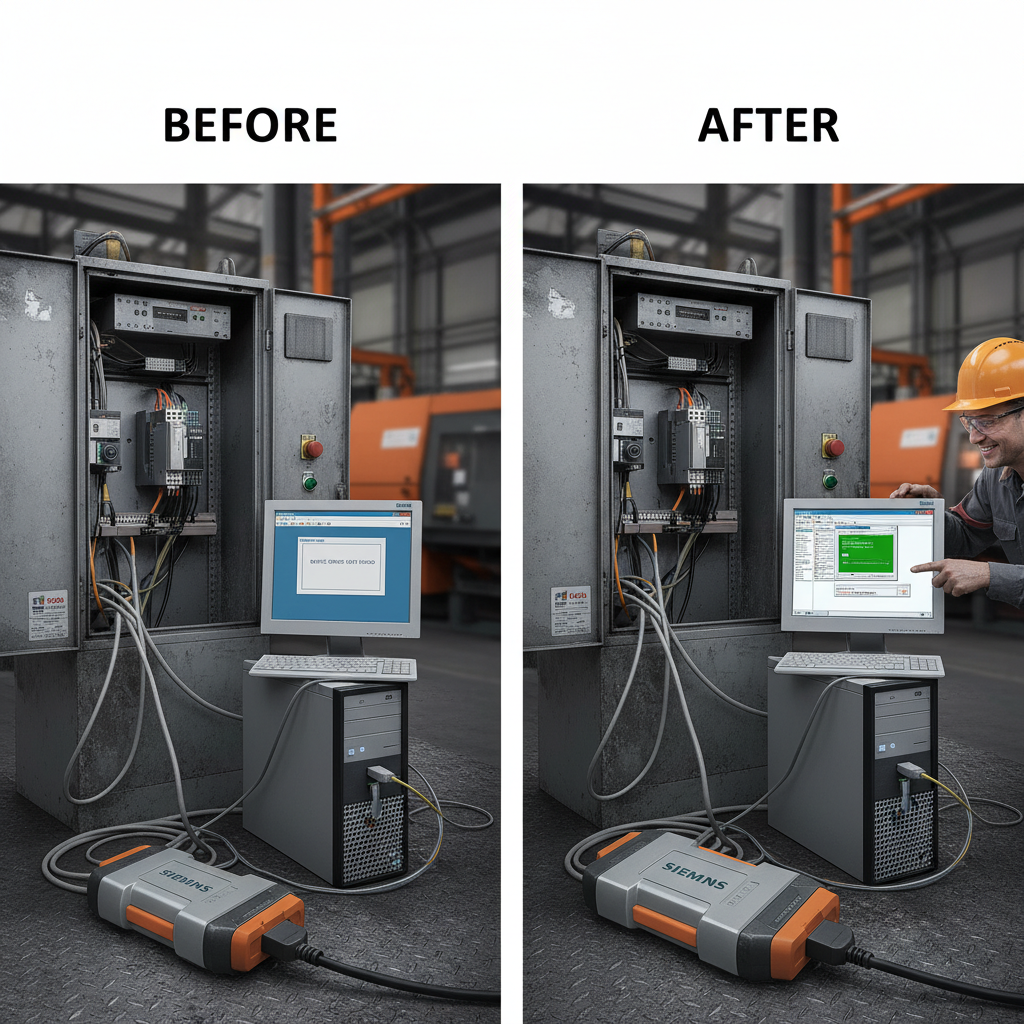
Trusted Siemens PLC Suppliers | Genuine Automation & Support
The Strategic Importance of siemens plc suppliers in Modern Industrial Automation
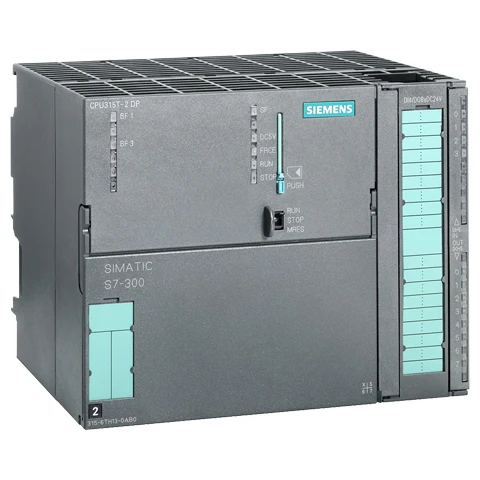
In the rapidly evolving landscape of industrial automation, the role of reliable siemens plc suppliers is paramount. Siemens Programmable Logic Controllers (PLCs) form the backbone of countless manufacturing and process control systems globally, renowned for their robustness, versatility, and advanced capabilities. These devices are crucial for automating machinery, controlling complex processes, and ensuring operational efficiency across diverse sectors. Choosing a competent supplier goes beyond merely procuring hardware; it involves establishing a partnership that ensures access to genuine products, expert technical support, and comprehensive after-sales services. This article delves into the critical aspects of selecting a top-tier supplier, covering everything from technical specifications to real-world application advantages and the crucial support infrastructure.
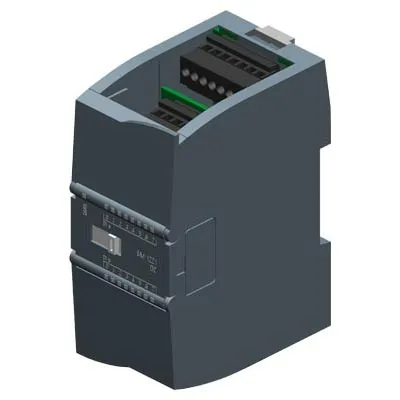
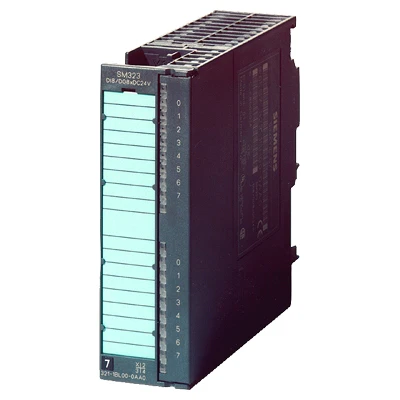
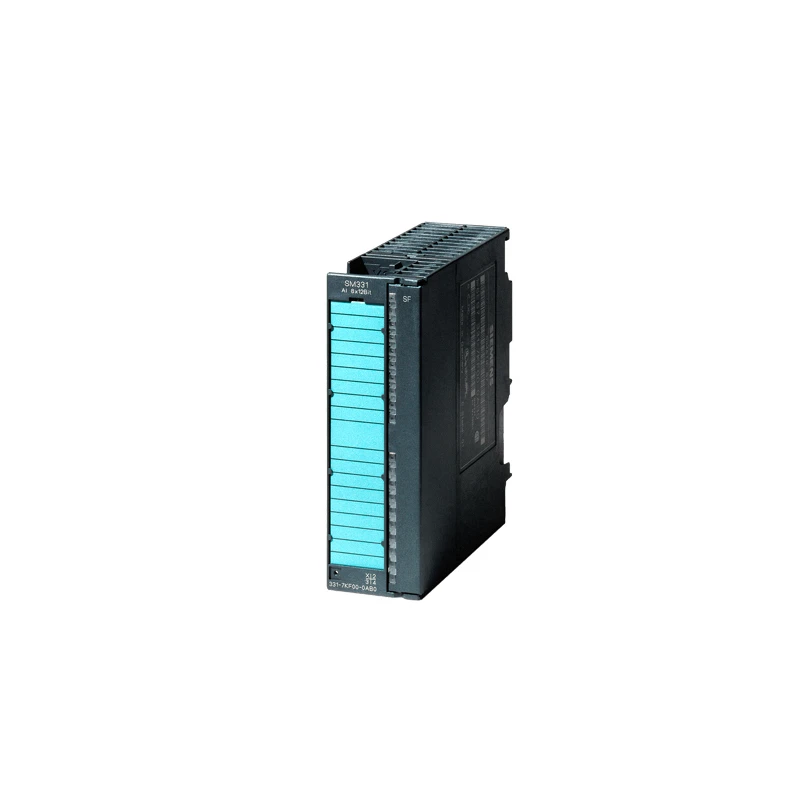
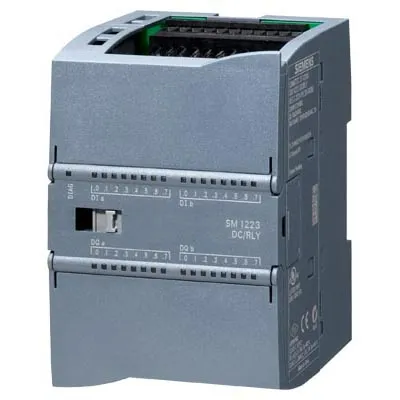
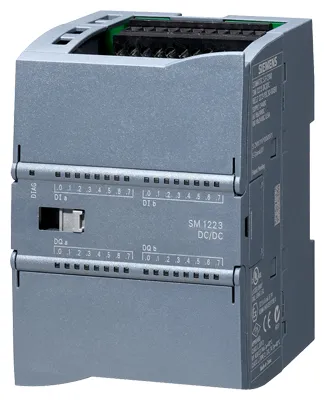
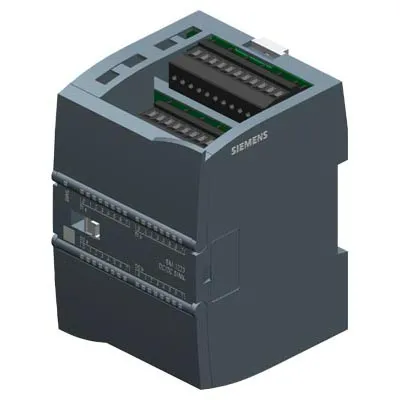
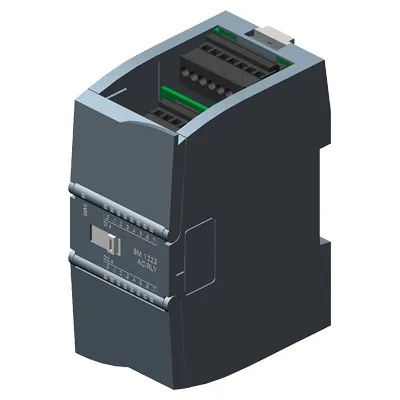
Our focus extends to the intricacies of Siemens PLC offerings, including essential components like Digital Expansion Modules, which are vital for extending the I/O capabilities of base PLCs. These modules allow systems to scale efficiently, adapting to more complex automation tasks without requiring a complete overhaul of the control architecture. Understanding the technical depth and operational benefits provided by leading siemens plc suppliers is key to optimizing industrial operations.
Industry Trends: The Evolving Landscape of Industrial Automation
The industrial automation sector is currently undergoing a significant transformation, driven by advancements in digitalization, connectivity, and artificial intelligence. Key trends include the proliferation of Industry 4.0, the Industrial Internet of Things (IIoT), and the increasing demand for integrated, data-driven control systems. Modern PLCs, supplied by proficient siemens plc suppliers, are at the forefront of this evolution, offering enhanced communication capabilities (e.g., PROFINET, OPC UA), integrated cybersecurity features, and edge computing functionalities.
- Digitalization and IIoT Integration: PLCs are becoming central nodes in connected factories, enabling real-time data exchange between machines, sensors, and cloud platforms for predictive maintenance and operational analytics.
- Enhanced Connectivity: Support for a wider range of industrial communication protocols ensures seamless integration with various devices and systems, from distributed I/O to enterprise-level MES/ERP solutions.
- Cybersecurity: With increased connectivity comes a greater risk of cyber threats. Modern Siemens PLCs are equipped with advanced security features to protect intellectual property and operational integrity.
- Modular and Scalable Architectures: The demand for flexible systems that can be easily expanded or modified is growing. Digital Expansion Modules exemplify this trend, allowing for custom configurations without extensive re-engineering.
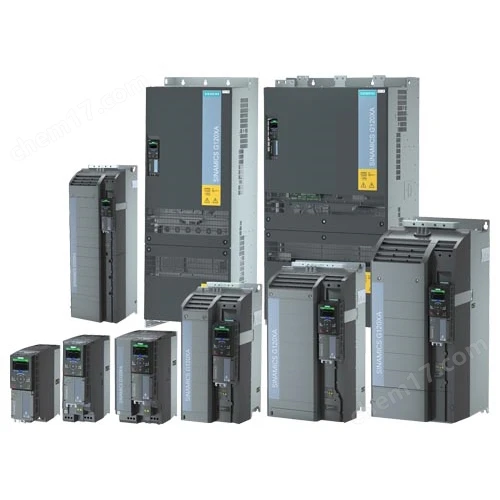
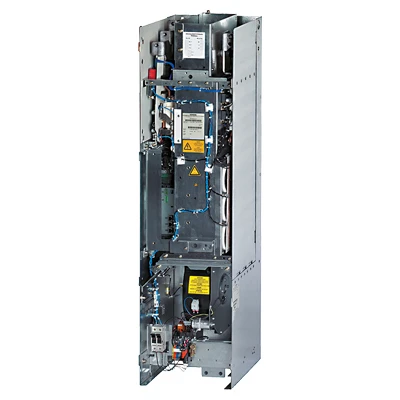
- Energy Efficiency: A significant focus is placed on optimizing energy consumption in industrial processes. This is where components like Variable Frequency Drives (VFDs) play a crucial role. Leading vfd drive manufacturers and vfd suppliers are integrating their offerings more closely with PLC systems to achieve precise motor control and substantial energy savings.
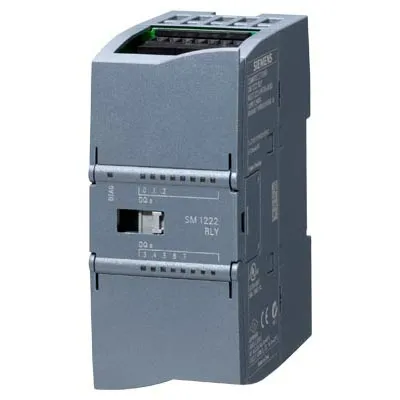
The convergence of IT and OT (Operational Technology) demands systems that are not only robust but also intelligent and adaptable. This necessitates a deep understanding of both hardware and software, a specialization that top siemens plc suppliers consistently demonstrate.
The Manufacturing Process Excellence Behind Siemens PLCs and Expansion Modules
The reliability and longevity of Siemens PLCs and their Digital Expansion Modules are direct results of a meticulously engineered manufacturing process. This process ensures that each component meets stringent quality and performance criteria, critical for industrial environments where uptime is paramount. Reputable siemens plc suppliers guarantee products manufactured under these rigorous standards.
Process Flow for a Digital Expansion Module (Conceptual Representation):
- Material Sourcing & Quality Control:
High-grade industrial plastics (e.g., ABS, polycarbonate for housing) for shock resistance and flame retardancy. Electronic components (semiconductors, resistors, capacitors, connectors) sourced from certified vendors (e.g., RoHS compliant, REACH certified) ensuring thermal stability and electrical integrity.
- PCB Fabrication & Assembly (SMT/Through-Hole):
Printed Circuit Boards (PCBs) are manufactured with multiple layers for optimal signal integrity and power distribution. Automated Surface Mount Technology (SMT) lines place miniature components with high precision. Manual assembly for larger, through-hole components or specialized connectors. Each step undergoes Automated Optical Inspection (AOI) and X-ray inspection.
- Component Integration & Enclosure Assembly:
Assembled PCBs are integrated into the robust housing. This often involves intricate mechanical design, potentially including precision CNC machining for specific module interfaces or heat dissipation elements. Ergonomic considerations for installation and maintenance are key.
- Firmware Loading & Initial Functional Testing:
Proprietary firmware is loaded onto the module's microcontroller. Comprehensive functional testing is performed, simulating real-world I/O signals and communication protocols to verify all features. This includes rigorous tests for digital input/output response times, signal integrity, and power consumption.
- Environmental Stress Testing:
Modules undergo accelerated life testing, including thermal cycling (-40°C to +85°C), vibration, and shock tests (e.g., IEC 60068-2 standards). This ensures a long service life, typically 10+ years under industrial conditions, especially in harsh environments like petrochemical or metallurgy plants where corrosion resistance is crucial.
- Electromagnetic Compatibility (EMC) Testing:
Testing against international standards (e.g., IEC 61000 series, EN 55022) to ensure the module operates reliably in the presence of electromagnetic interference and does not emit excessive interference itself. This is critical for stable operations in electrically noisy industrial settings.
- Final Quality Assurance & Certification:
Final visual inspection, packaging, and adherence to global standards such as ISO 9001 (Quality Management), CE, UL, and optionally ATEX/IECEx for hazardous areas. Batch traceability is maintained throughout.
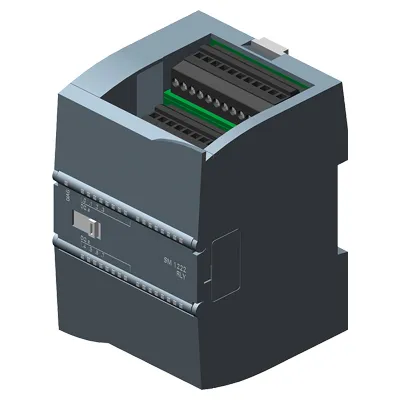
The emphasis on robust materials, precision manufacturing (often involving advanced techniques like precision injection molding for housings or sophisticated soldering processes), and comprehensive testing ensures that the products from leading siemens plc suppliers deliver unparalleled reliability and performance in demanding environments like water supply & drainage systems where equipment must withstand continuous operation and environmental challenges.
Technical Specifications of Digital Expansion Modules for Siemens PLCs
Digital Expansion Modules are fundamental for tailoring PLC systems to specific application requirements, providing additional input/output channels. These modules are meticulously engineered to seamlessly integrate with Siemens SIMATIC PLCs, extending their capabilities without compromising system integrity or performance. Here's a look at typical specifications you can expect from products offered by proficient siemens plc suppliers:
Typical Digital Expansion Module Specifications (e.g., SIMATIC S7-1200/S7-1500 Compatible)
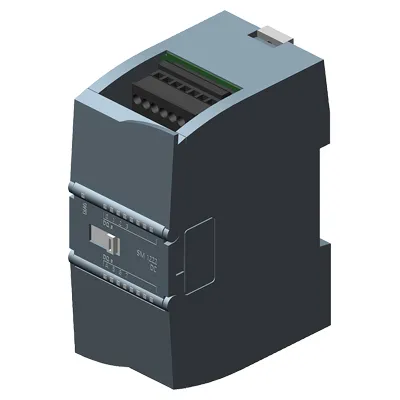
These specifications highlight the industrial-grade design and robust engineering that define Siemens automation hardware. The adherence to high isolation voltages, broad temperature ranges, and fast response times ensures reliable operation even in the most demanding control applications. For critical operations, understanding these precise technical parameters is vital, and trusted siemens plc suppliers provide all necessary documentation and verification.
Unlocking Efficiency: Technical Advantages of Siemens PLC Solutions
Siemens PLCs, supported by expert siemens plc suppliers, offer a distinct set of technical advantages that contribute to their pervasive adoption in industrial automation:
- Integrated Architecture (TIA Portal): Siemens' Totally Integrated Automation (TIA Portal) provides a unified engineering framework for controllers, HMI, drives, and motion control. This streamlines development, reduces engineering time, and facilitates easier system integration and diagnostics.
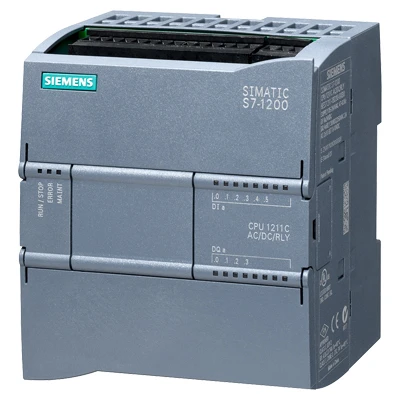
- Scalability and Modularity: From compact S7-1200 series for smaller applications to powerful S7-1500 for complex processes, Siemens offers a range of PLCs complemented by a vast array of expansion modules (digital, analog, communication). This modularity allows systems to grow and adapt without costly overhauls.
- Robustness and Reliability: Engineered for harsh industrial environments, Siemens PLCs boast high immunity to electromagnetic interference, wide operating temperature ranges, and robust mechanical designs. This ensures long-term, uninterrupted operation, minimizing downtime.
- Advanced Diagnostics: Integrated diagnostic functions simplify troubleshooting and maintenance. Error indicators, system messages, and online diagnostics through TIA Portal help identify and resolve issues quickly, improving system availability.
- High-Performance Processing: Modern Siemens PLCs feature powerful processors, enabling faster program execution, precise control loops, and high-speed data acquisition. This is critical for applications requiring rapid response times and complex calculations.
- Integrated Safety (Safety Integrated): Siemens offers safety PLCs and modules that can be seamlessly integrated into standard automation systems, meeting international safety standards (e.g., IEC 61508, ISO 13849). This simplifies safety implementation and reduces hardware complexity.
- Network Communication: Extensive support for industrial Ethernet protocols like PROFINET, as well as PROFIBUS, enhances connectivity across the plant floor, facilitating efficient data exchange and distributed control architectures.
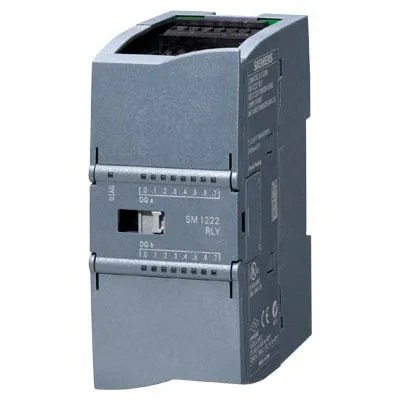
These advantages translate directly into benefits for end-users, including reduced operational costs, increased productivity, improved product quality, and enhanced worker safety. The emphasis on energy saving through optimized control algorithms and compatibility with energy-efficient drives is a significant benefit for industries focused on sustainability.
Diverse Application Scenarios Across Key Industries
The versatility of Siemens PLCs, supplied by knowledgeable siemens plc suppliers, allows for their deployment across an extensive range of industries, addressing specific automation challenges with tailored solutions.
- Petrochemical Industry:
PLCs are critical for controlling complex refining processes, pipeline management, and safety interlocks. Their robust design, including features for corrosion resistance, is essential in environments exposed to corrosive chemicals and extreme temperatures. Advantages include enhanced safety, precise process control, and compliance with industry standards like API and IEC.
- Metallurgy Industry:
From blast furnaces to rolling mills, PLCs manage temperature control, material handling, and precise positioning of heavy machinery. The demand for high-speed data processing and integration with vfd drive manufacturers solutions for motor control is significant. Benefits include improved product quality, reduced waste, and optimized energy consumption in energy-intensive operations.
- Water Supply & Drainage:
Automated control of pumping stations, filtration plants, and wastewater treatment facilities. PLCs ensure efficient flow management, chemical dosing, and monitoring of water quality parameters. Long service life and reliability are paramount for public utility infrastructure, coupled with energy saving from optimized pump operations via VFDs from reliable vfd suppliers.
- Food & Beverage:
Controlling batch processes, packaging lines, and clean-in-place (CIP) systems. Hygienic design considerations and precise temperature/pressure control are vital for product quality and safety, often requiring specialized stainless steel enclosures and corrosion-resistant components.
- Automotive Manufacturing:
Managing robotic assembly lines, welding cells, paint shops, and material handling systems. High-speed communication and synchronization capabilities of Siemens PLCs are essential for complex, sequential operations.
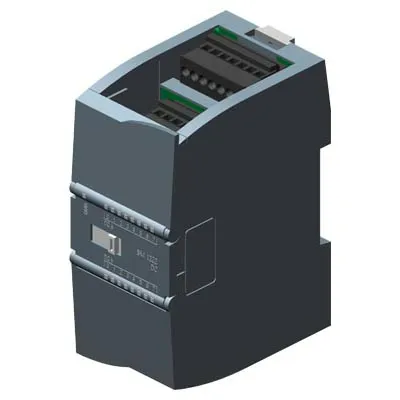
In each of these scenarios, the ability of siemens plc suppliers to provide not just the hardware, but also the integration expertise and software support, proves invaluable. Their solutions often feature specialized modules and software libraries tailored for specific industry applications, enhancing efficiency and meeting compliance requirements.
Choosing Your Partner: A Comparison of Leading Siemens PLC Suppliers
Selecting the right siemens plc suppliers is as crucial as selecting the right hardware. A superior supplier offers more than just products; they provide a partnership built on expertise, experience, and trust. Here's a comparative overview of what distinguishes top-tier suppliers:
Supplier Comparison Matrix
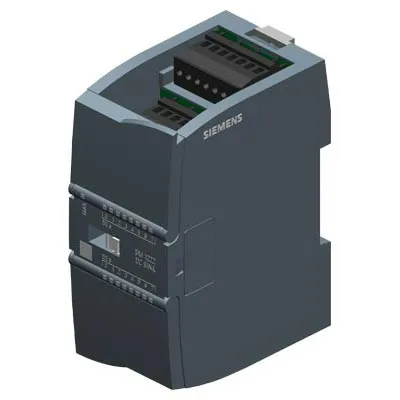
A strong partnership with a certified siemens plc suppliers ensures not only the authenticity and quality of components but also provides a strategic advantage through superior technical insight and dedicated support throughout the project lifecycle.
Tailored for Success: Customized Solutions from Leading Suppliers
Recognizing that no two industrial applications are exactly alike, top-tier siemens plc suppliers excel in providing customized solutions. This goes beyond merely selling a standard product; it involves understanding the client's unique operational challenges and designing a system that perfectly addresses them.
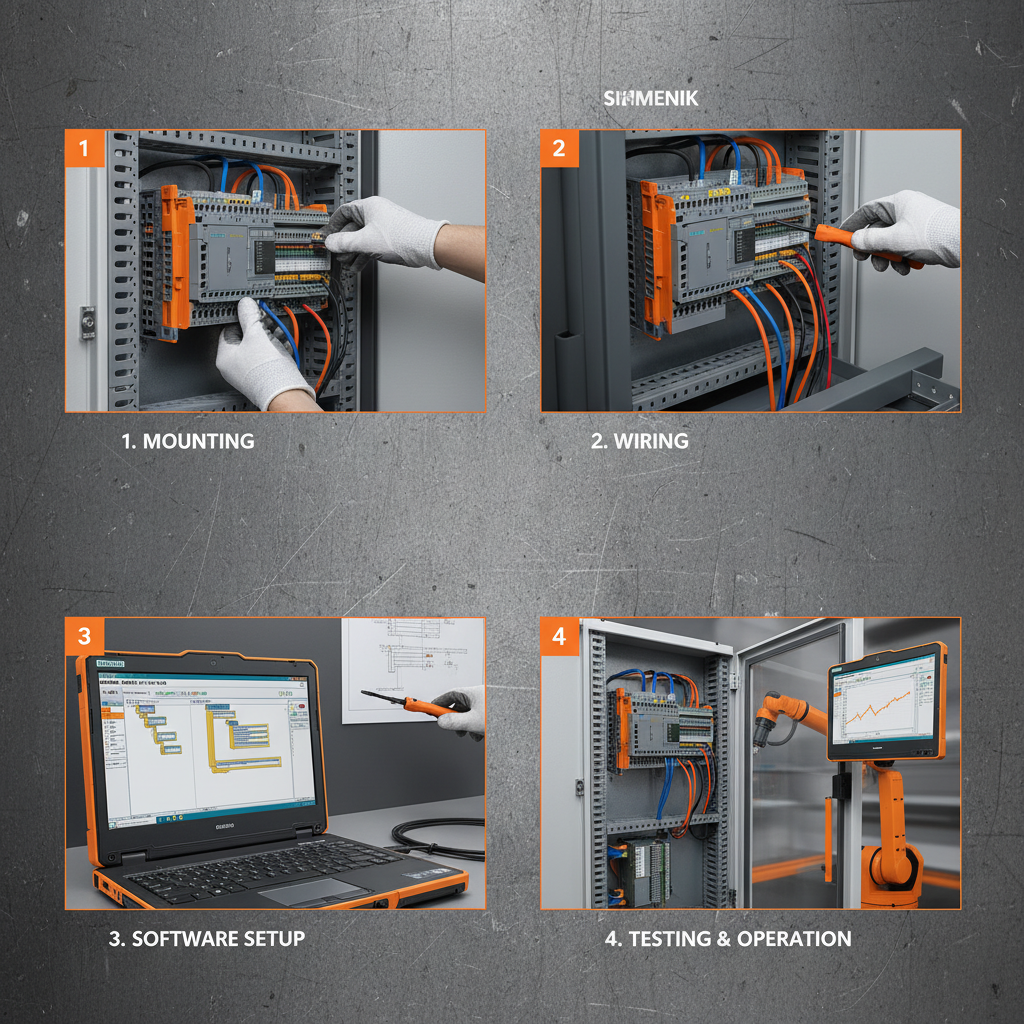
- System Integration: Customization often begins with seamless integration of Siemens PLCs with existing machinery, other control systems, and enterprise software (MES, SCADA). This involves developing specific communication interfaces and data mapping strategies.
- Software Development: Expert suppliers can develop bespoke PLC programs, HMI screens, and SCADA applications tailored to specific process flows, user interfaces, and reporting requirements. This ensures intuitive operation and optimal control logic.
- Panel Building & Enclosure Design: For demanding environments, custom control panels and enclosures may be required. This includes designing for specific IP ratings, hazardous area classifications (ATEX, IECEx), specific cooling requirements, or corrosion-resistant materials for applications in industries like petrochemicals.
- Specialized Module Configurations: While Siemens offers a broad range of modules, custom solutions might involve combining specific Digital Expansion Modules with specialized communication modules or even developing bespoke I/O interfaces for legacy equipment.
- Energy Optimization Strategies: Incorporating energy-saving measures, such as integration with advanced VFDs from specialist vfd suppliers, can be a crucial part of a customized solution, leading to significant operational cost reductions.
By offering such in-depth customization capabilities, a premier siemens plc suppliers acts as a true engineering partner, translating complex industrial requirements into efficient, reliable, and future-proof automation solutions.
Real-World Impact: Application Case Studies
These examples showcase the tangible benefits derived from partnering with expert siemens plc suppliers and implementing their robust solutions.
Case Study 1: Water Treatment Plant Modernization
- Challenge: An aging municipal water treatment plant faced frequent breakdowns, high energy consumption for pumping, and insufficient data logging for regulatory compliance.
- Solution: A leading siemens plc suppliers implemented an upgrade featuring Siemens S7-1500 PLCs with integrated Digital Expansion Modules for granular control of pumps, valves, and filtration units. New vfd drive manufacturers VFDs were integrated to optimize pump speeds.
- Outcome: The plant achieved a 25% reduction in energy costs, 99.8% uptime, and automated compliance reporting. Customer feedback: "The system is incredibly stable, and the energy savings have exceeded our expectations. The technical support was exceptional throughout the entire process."
Case Study 2: Automotive Body Shop Automation
- Challenge: An automotive manufacturer needed to increase the throughput of their body shop and improve weld quality while integrating new robotic cells.
- Solution: The chosen siemens plc suppliers deployed Siemens S7-1500 T-CPUs (Technology CPUs) for motion control, coordinating multiple robots and conveyors with high precision. Digital Expansion Modules provided the necessary I/O for sensors and actuators.
- Outcome: Production throughput increased by 18%, weld defect rates dropped by 12%, and commissioning time for new robots was halved due to the TIA Portal's unified engineering. Customer feedback: "The TIA Portal's integration made our complex multi-robot system manageable. The supplier's engineers understood our process intimately."
These case studies illustrate the practical value of robust Siemens automation solutions and the strategic advantage of partnering with experienced siemens plc suppliers who can translate technological capabilities into measurable business results.
Frequently Asked Questions (FAQ)
About Siemens PLCs and Suppliers
- Q: Why should I choose Siemens PLCs over other brands?
A: Siemens PLCs are renowned for their exceptional reliability, powerful processing capabilities, extensive product range, and the comprehensive TIA Portal engineering framework. This leads to higher uptime, easier integration, and faster development cycles, offering a lower total cost of ownership in the long run.
- Q: How do I ensure I'm getting genuine Siemens products from siemens plc suppliers?
A: Always choose an authorized Siemens Solution Partner or a supplier with a proven track record and certifications (e.g., ISO 9001). Verify their credentials, check for clear warranty policies, and request original manufacturer documentation and traceability information. Reputable suppliers will gladly provide this.
- Q: Are Digital Expansion Modules compatible across different Siemens PLC series?
A: Compatibility varies. For example, a module designed for an S7-1200 CPU may not be compatible with an S7-1500 CPU. It is crucial to check the specific part numbers and documentation provided by your siemens plc suppliers to ensure correct pairing and functionality.
- Q: What is the typical service life of a Siemens PLC in an industrial setting?
A: With proper installation and environmental control, Siemens PLCs are designed for a service life of 10-15 years, often exceeding this. Regular maintenance, adherence to operating conditions, and periodic firmware updates contribute to maximizing longevity.
- Q: Can siemens plc suppliers assist with migration from older Siemens PLC generations?
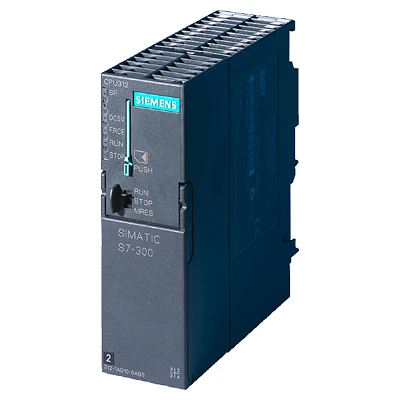
A: Absolutely. Experienced suppliers often provide migration services from older SIMATIC S5/S7-300/400 systems to the latest S7-1200/1500 platforms, including code conversion, hardware replacement, and commissioning, ensuring minimal downtime and preserving existing investments.
Logistics & Assurance: Lead Time, Warranty, and Customer Support
Beyond product quality, the operational efficiency and trustworthiness of siemens plc suppliers are significantly defined by their logistical capabilities and commitment to customer satisfaction.
Lead Time & Fulfillment
Reliable siemens plc suppliers understand the critical nature of lead times in industrial projects. They maintain robust inventory levels of popular Siemens PLCs, Digital Expansion Modules, and accessories to facilitate rapid deployment. For standard products, typical lead times can range from 1-3 business days for in-stock items, extending to 2-4 weeks for specialized or back-ordered components. Transparent communication regarding stock status and estimated delivery is a hallmark of a trustworthy supplier. Expedited shipping options are usually available for urgent requirements.
Warranty Commitments
A professional supplier provides a clear warranty policy, typically aligning with Siemens' standard manufacturer warranty (e.g., 12-24 months from date of delivery for new products). This covers defects in materials and workmanship. Some suppliers may offer extended warranty options or enhanced service level agreements (SLAs) for critical components, providing an additional layer of assurance for your investment.
Customer Support & After-Sales Service
Comprehensive customer support is non-negotiable. This includes:
- 24/7 Technical Hotline: Access to expert engineers for troubleshooting and immediate assistance, minimizing downtime.
- On-Site Support: For complex issues or system commissioning, on-site engineering support can be invaluable.
- Training Programs: Offering training sessions on Siemens products, TIA Portal, and specific application areas to empower client teams.
- Repair & Maintenance Services: Dedicated repair centers and proactive maintenance contracts to extend product life and prevent failures.
- Spare Parts Management: Assistance with identifying and sourcing spare parts, especially for legacy systems, ensuring long-term operational continuity.
These services collectively build a foundation of trustworthiness, demonstrating a supplier's commitment to not just selling a product but ensuring its successful, long-term operation within your industrial infrastructure. Such comprehensive support is a hallmark of truly authoritative and experienced siemens plc suppliers.
References
- Siemens AG. (n.d.). SIMATIC S7-1500 Manuals. Retrieved from Industry Online Support.
- International Electrotechnical Commission (IEC). (n.d.). IEC 61000 Series - Electromagnetic Compatibility (EMC) Standards.
- International Organization for Standardization (ISO). (n.d.). ISO 9001: Quality Management Systems.
- Gartner Research. (2023). Report on Industrial IoT Platforms and Automation Trends.
- Rockwell Automation. (n.d.). Whitepaper on Process Control System Migration Strategies.