What Is a Variable Frequency Drive Inverter and Why It Matters Globally
Understanding the Variable Frequency Drive Inverter: A Key to Modern Efficiency
If you’ve ever wondered how industries manage to precisely control motor speeds while saving energy, the variable frequency drive inverter (VFD inverter) is the unsung hero behind the scenes. Globally, this technology plays a huge role—from manufacturing plants humming perfectly to air conditioning systems that adapt seamlessly to your comfort needs. Understanding this technology isn’t just technical jargon; it’s about appreciating how energy efficiency, sustainability, and operational control come together in one neat package.
Global Context: Why Variable Frequency Drive Inverters Matter Today
Oddly enough, as we push industries to be greener, the demand for smarter energy management skyrockets. According to the International Energy Agency (IEA), industrial motors consume nearly half of the world’s electricity, making them a prime focus for efficiency improvements. Variable frequency drive inverters help reduce electricity consumption by altering motor speeds to match demand rather than running at full tilt constantly. The United Nations underscores energy efficiency as crucial to meeting climate goals, and VFD inverters are front and center in this mission.
Yet, many industrial operations still waste energy with constant-speed motors. This challenge is precisely what variable frequency drive inverters tackle — allowing businesses to balance energy usage and boost productivity while cutting overall carbon footprints.
Defining Variable Frequency Drive Inverter
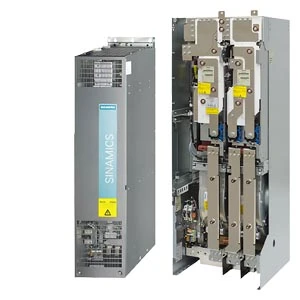
In simplest terms, a variable frequency drive inverter is an electronic device that adjusts the frequency and voltage supplied to an electric motor. This lets the motor speed up or slow down instead of just running at one fixed pace. It’s like giving your motor a dimmer switch, rather than just an on/off button.
These devices tie deeply into modern industry needs — anything from conveyor belts in factories to pumps in water treatment plants — providing flexibility and control that was nearly impossible decades ago. Plus, humanitarian efforts like remote water supply systems increasingly rely on variable frequency drive inverters to optimize power consumption where energy resources are limited.
Core Components & Key Factors
Durability
VFD inverters are designed to withstand harsh environments — humidity, dust, temperature extremes. This durability is essential in sectors like mining or construction, where equipment faces tough conditions.
Scalability
Whether you’re running a small HVAC system or a vast industrial motor lineup, VFDs come in sizes that can scale to your needs, which means efficiency is accessible at many levels.
Energy Efficiency
The heart of the VFD inverter’s appeal — by controlling motor speed to match real-time demand, it slashes unnecessary power consumption, cutting your electric bill and environmental impact simultaneously.
Cost Efficiency
While upfront costs might seem steep, the payback from energy savings is usually quick. Plus, many regions offer incentives for installing energy-saving technologies.
Ease of Integration
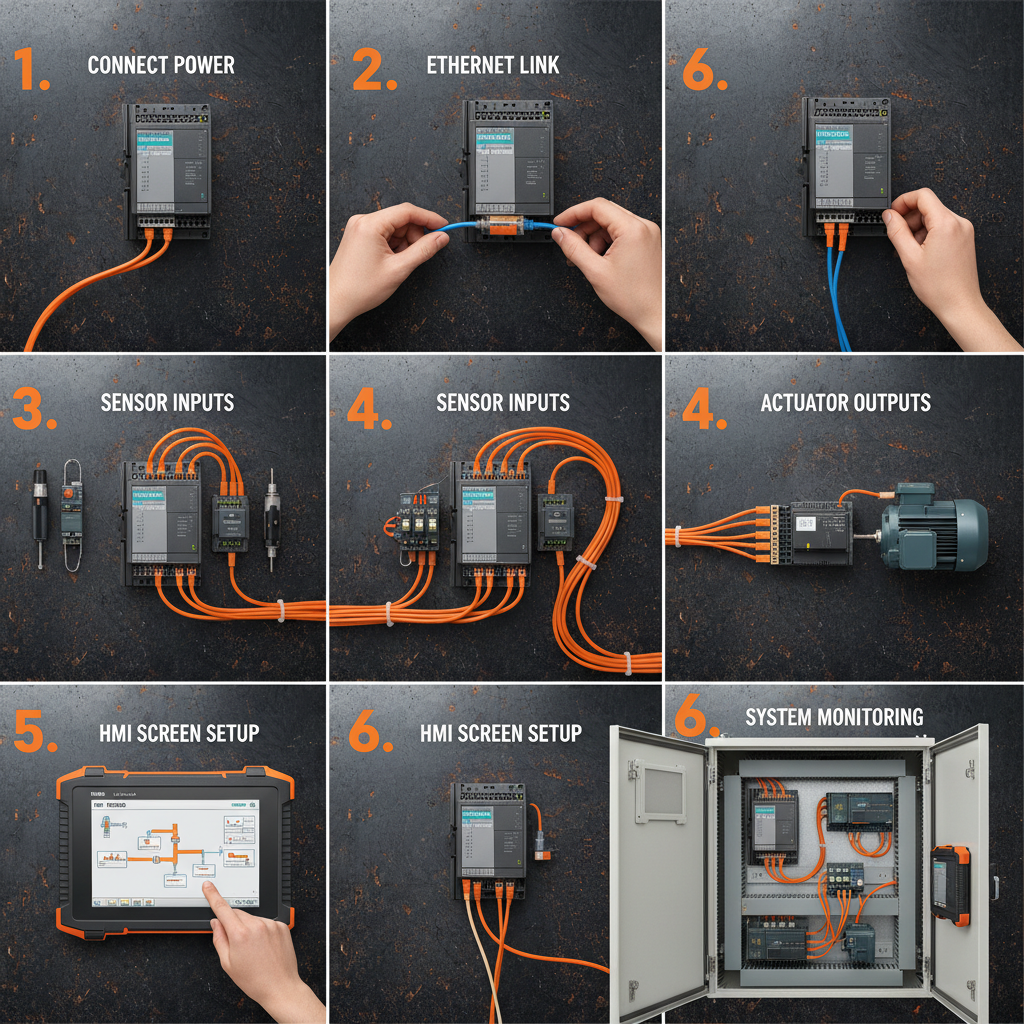
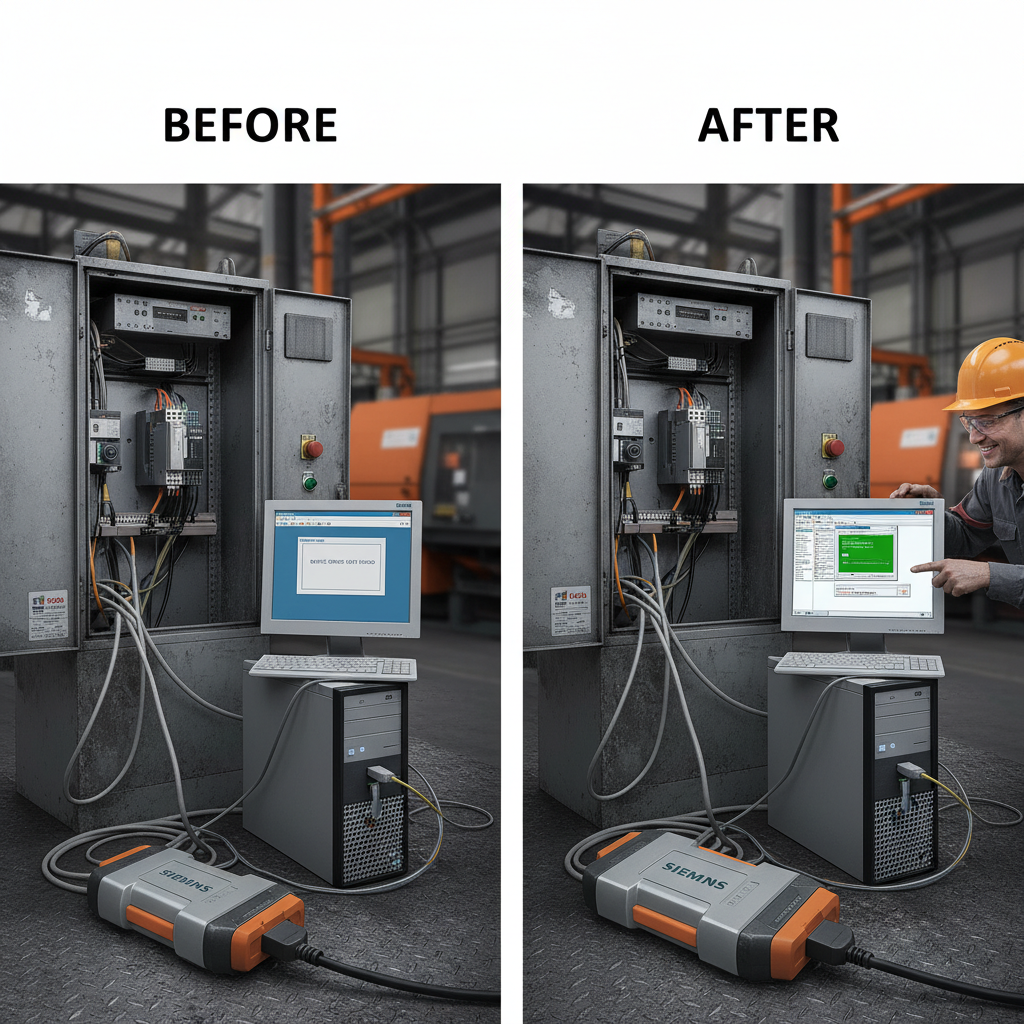
Modern inverters are designed to integrate smoothly into existing systems, with smart communication protocols allowing automation and remote control.
| Specification | Typical Values |
|---|---|
| Power Range | 0.5 kW – 1000 kW |
| Input Voltage | 230 V – 690 V (3-phase) |
| Output Frequency | 0 – 400 Hz |
| Control Mode | V/Hz, Vector Control, Sensorless Vector |
| Communication | Modbus, CAN, Ethernet/IP |
Global Applications & Use Cases
The reach of variable frequency drive inverters truly spans the globe and industries. In manufacturing hubs across Europe and Asia, VFDs precisely control conveyor speeds, boosting product quality and production uptime. In the Middle East, large-scale desalination plants depend on these inverters to optimize pump motors, minimizing energy usage.
Then there’s humanitarian work — imagine post-disaster water pumping stations powered by variable frequency drive inverters, adapting smoothly as demand fluctuates amid uncertain power availability. Remote industrial zones in Africa use VFDs in off-grid facilities to harness solar power efficiently, making clean water and electricity more accessible.
| Vendor | Power Range | Key Feature | Price Range |
|---|---|---|---|
| Vendor A | 0.75 – 500 kW | Advanced vector control | $$$ |
| Vendor B | 1.5 – 1000 kW | Built-in IoT compatibility | $$$$ |
| Vendor C | 0.5 – 300 kW | Cost-effective retrofit solutions | $$ |
Advantages & Long-Term Value
Okay, so beyond the specs, why do these devices really matter? First, cost savings. You pay less on energy bills over time—not to mention less wear on your motors because gradual starts and stops reduce mechanical stress. That reliability builds trust, especially in critical infrastructure where downtime means real money lost.
Then there’s the emotional side: it feels good to know you’re part of the green energy movement, doing your bit to cut emissions. Many organizations cite improved workplace safety too — smooth motor speed control reduces dangerous jolts and unexpected shutdowns.
Future Trends & Innovations
Frankly, the future looks exciting. Variable frequency drive inverters are merging with digital twins and AI analytics, enabling predictive maintenance and smarter energy management. Materials have gotten more robust and heat tolerant, allowing smaller, more powerful units. Plus, as renewable energy sources like solar and wind become prevalent, VFD inverters play a vital role in adapting motor-driven systems to variable power inputs.
Challenges & Solutions
But it’s not all smooth sailing. One challenge is the initial cost, which can deter small businesses. However, expert consultants often point out government subsidies and leasing options that help spread the investment. Interference from harmonics in older electrical systems can also cause trouble, but recent technological improvements in inverter design and filters are mitigating these issues effectively.
FAQ: Frequently Asked Questions About Variable Frequency Drive Inverter
-
Q: How much energy can a variable frequency drive inverter save?
A: Energy savings can range from 20% to 50%, depending on the application and motor load variability. For pumps and fans running below full speed most of the time, savings tend to be higher. -
Q: Can I retrofit a variable frequency drive inverter into an old motor?
A: Yes, most VFDs are designed to retrofit existing motors, but it’s important to check compatibility and sometimes add protection devices to avoid overheating. -
Q: Are variable frequency drive inverters environmentally friendly?
A: Definitely. By reducing unnecessary power consumption, VFDs help lower greenhouse gas emissions and improve overall system sustainability. -
Q: How difficult is it to integrate VFD inverters into existing systems?
A: Modern VFDs usually feature multiple communication protocols and user-friendly interfaces, making integration straightforward, especially with professional assistance.
Conclusion & Call to Action
To sum up, a variable frequency drive inverter isn’t just a piece of electrical equipment — it’s a cornerstone of smarter, greener, and more efficient industrial operation. For companies aiming to cut costs, reduce environmental impact, and improve system reliability, this technology offers real long-term value. If you’re curious to explore options or upgrade your systems, check out resources and products at variable frequency drive inverter.
Mini takeaway: The VFD inverter is quietly revolutionizing energy use and industrial control worldwide — and it might be exactly what your industry needs next.