What Does a VFD Do For a Motor Understanding Benefits and Applications
What Does a VFD Do For a Motor?
Variable Frequency Drives (VFDs) have revolutionized industrial motor control. But what does a VFD do for a motor exactly? Simply put, a VFD controls the speed of an electric motor by varying the frequency and voltage supplied to the motor. This precise control offers numerous benefits, from energy savings and improved process control to extended equipment life. This article will explore the functions, advantages, applications, and key considerations when implementing a VFD system. Understanding these aspects is crucial for maximizing efficiency and minimizing costs in your operations.
Understanding the Core Function of a VFD
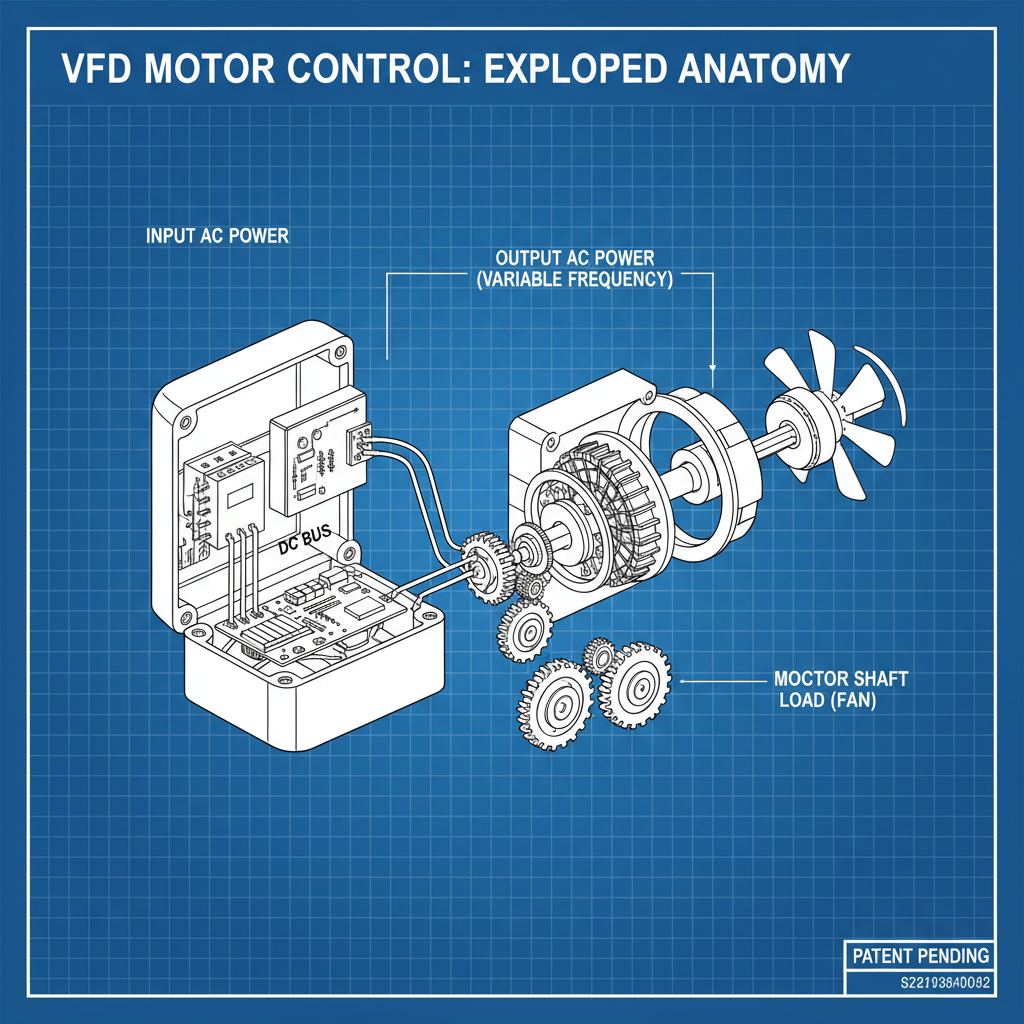
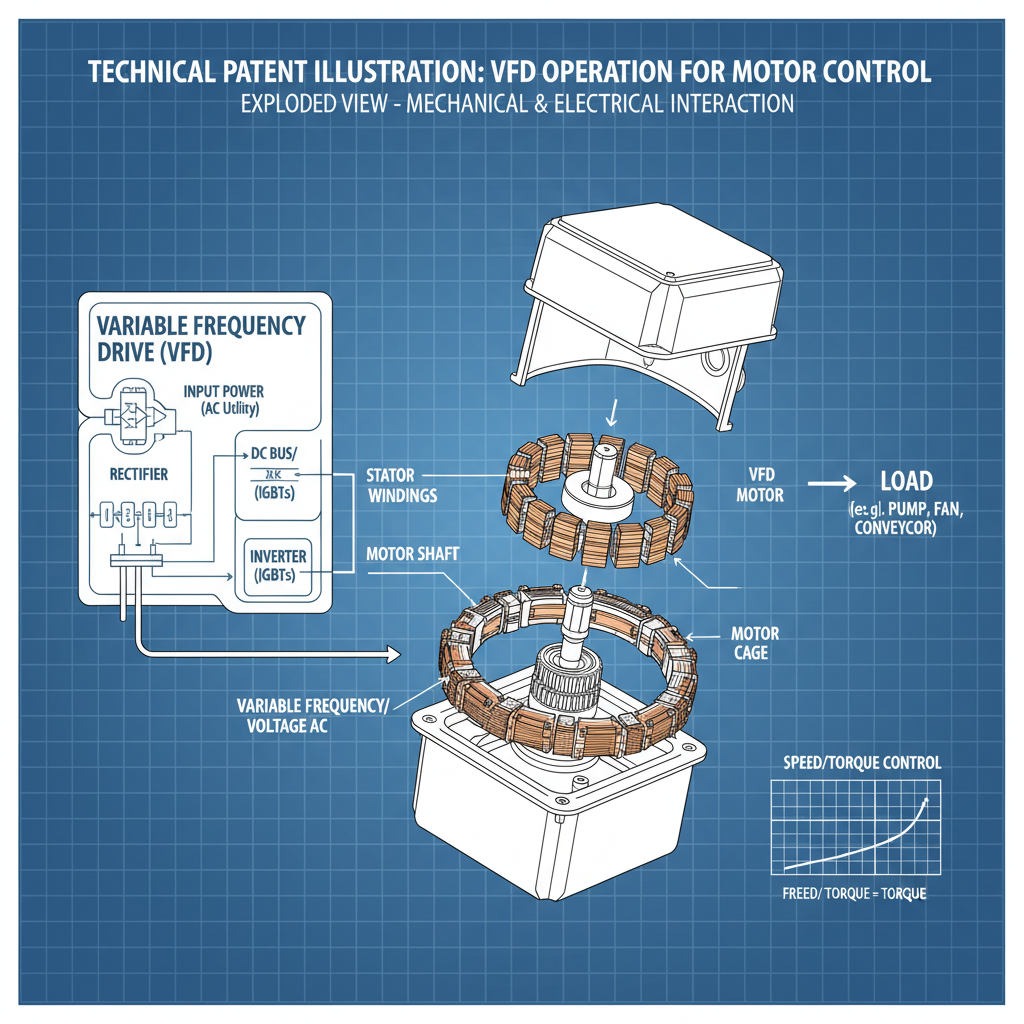
At its heart, a VFD takes standard AC power and converts it into a variable-frequency, variable-voltage power source. This is accomplished through a process involving rectification, filtering, and inversion. The rectification stage converts AC to DC. The filtering stage smooths the DC voltage. The final inversion stage then transforms the DC voltage back into AC, but at a controlled frequency and voltage. By altering these parameters, the VFD precisely controls the motor’s rotational speed and torque. This is dramatically more efficient than older methods of speed control like mechanical dampers or starters. The ability to fine-tune motor speed allows for optimized performance across a wide range of applications. A VFD’s ability to provide soft starting reduces mechanical stress on the equipment.
Key Takeaway: A VFD doesn't just control speed; it transforms power to enable precise and efficient motor operation.
Benefits of Using a VFD with Your Motor
Implementing a VFD offers a multitude of benefits. Firstly, significant energy savings are achievable, particularly in applications with variable loads like pumps and fans. By matching motor speed to actual demand, VFDs avoid the energy waste associated with throttling or using full speed when not required. Secondly, VFDs improve process control, providing precise speed regulation for optimal performance. Thirdly, they extend equipment life by reducing mechanical stress during starts and stops. Finally, VFDs offer advanced features like overload protection and remote monitoring, enhancing overall system reliability and safety. These benefits translate directly into reduced operating costs and increased productivity.
VFD Benefits at a Glance:
• Energy Savings
• Improved Process Control
• Extended Equipment Life
• Reduced Mechanical Stress
VFDs for Motor Control: A Comparative Look
Historically, motor speed control relied on methods like mechanical gears, eddy current drives, and autotransformers. However, these methods have significant drawbacks. Mechanical gears are inefficient and require maintenance. Eddy current drives are limited in speed range and efficiency. Autotransformers consume substantial energy, especially at lower speeds. VFDs outperform these traditional methods in virtually every aspect. They offer superior efficiency, wider speed control, precise regulation, and advanced features. The initial investment in a VFD is often quickly offset by long-term energy savings and reduced maintenance costs. Investing in a VFD is a long-term investment in efficiency.
Common Applications of VFDs
VFDs are employed in a vast array of industries and applications. These include pumps, fans, compressors, conveyors, and mixers. In HVAC systems, VFDs optimize fan speed based on cooling or heating demand, reducing energy consumption. In manufacturing, they provide precise speed control for conveyors and assembly lines. In water treatment facilities, VFDs regulate pump speed to match flow requirements. The versatility of VFDs makes them an essential component in modern industrial automation. Selecting the right VFD requires careful consideration of the motor specifications and application requirements. Tianjin Yongkai offers a range of VFD solutions tailored to various industrial needs.
Choosing the Right VFD: Key Considerations
Selecting the appropriate VFD involves considering several factors. Motor horsepower and voltage are critical. The VFD must be rated to handle the motor’s requirements. The application's load type (constant torque, variable torque, or constant horsepower) also influences VFD selection. Environmental conditions, such as temperature and humidity, should be considered to ensure the VFD can operate reliably. Finally, advanced features like communication protocols and braking resistors may be necessary depending on the specific application. Consulting with a VFD specialist, like the team at Tianjin Yongkai, is highly recommended to ensure optimal performance and compatibility.
Conclusion: Harnessing the Power of VFDs for Efficiency
The VFD is a transformative technology for electric motor control. By providing precise speed control, energy savings, and improved process reliability, VFDs deliver significant benefits to a wide range of industries. Investing in a VFD is an investment in efficiency, sustainability, and long-term cost savings.
Frequently Asked Questions (FAQs)
What is the typical payback period for a VFD installation?
The payback period for a VFD installation varies depending on the application, energy costs, and motor load profile. However, in many cases, the energy savings alone can result in a payback period of less than two years. Furthermore, the reduced mechanical stress and extended equipment life contribute to long-term cost savings. A detailed energy audit can help determine the potential savings and payback period for your specific application. Factors like operating hours and the degree of load variation significantly influence the payback time.
Can a VFD be used with any type of electric motor?
While VFDs are commonly used with induction motors, they can also be used with synchronous motors and certain types of DC motors. However, it's crucial to ensure compatibility between the VFD and the motor. Some older motors may require modifications or derating when used with a VFD. It’s important to check the motor’s insulation class and ensure it’s suitable for inverter duty. Consulting with a VFD specialist will help determine compatibility and ensure proper operation.
What are the maintenance requirements for a VFD?
VFDs generally require minimal maintenance. Regularly check and clean the heatsink and fan to prevent overheating. Periodically inspect the input and output terminals for loose connections. Monitor the VFD’s operating parameters and alarms for any unusual behavior. Depending on the environment, periodic inspection of the capacitors may be necessary. Following the manufacturer’s recommended maintenance schedule will ensure reliable operation and extend the VFD’s lifespan.
What safety precautions should be taken when working with VFDs?
VFDs deal with high voltages and currents, so safety is paramount. Always disconnect the power supply before performing any maintenance or inspection. Never open the VFD enclosure while it’s energized. Ensure proper grounding to prevent electrical shock. Use appropriate personal protective equipment (PPE), such as insulated gloves and safety glasses. Follow all relevant electrical safety codes and regulations. Only qualified personnel should work on VFD systems.