To be honest, things are moving fast in the VFD world these days. Everyone's talking about Industry 4.0, IoT, and all that jazz. But down on the factory floor, what really matters is reliability and getting the job done. I’ve been seeing a lot more demand for compact, high-performance drives, especially from companies trying to retrofit older equipment. It’s a pain, let me tell you, squeezing these new drives into spaces designed for dinosaurs.
Have you noticed how everyone’s obsessed with efficiency ratings? It's good, sure, but sometimes the drive is so complicated you need a PhD to program it. I prefer something straightforward, something a regular electrician can troubleshoot without needing to call in a specialist. That's where vfd manufacturers in china really shine, they tend to focus on practicality.
The biggest issue I see is designers getting caught up in features they think users want, instead of focusing on what they actually need. I encountered this at a pump factory in Zhejiang province last time – they had a drive with a fancy touchscreen interface, but the guys running the pumps just wanted something that started and stopped reliably. It was a total waste of money.
Key Trends in vfd manufacturers in china
Strangely enough, a lot of the smaller vfd manufacturers in china are really pushing the boundaries with sensorless vector control. It means you don’t need an encoder on the motor, which simplifies things and saves money. But it’s not always perfect, you know? It can be a little finicky with certain loads.
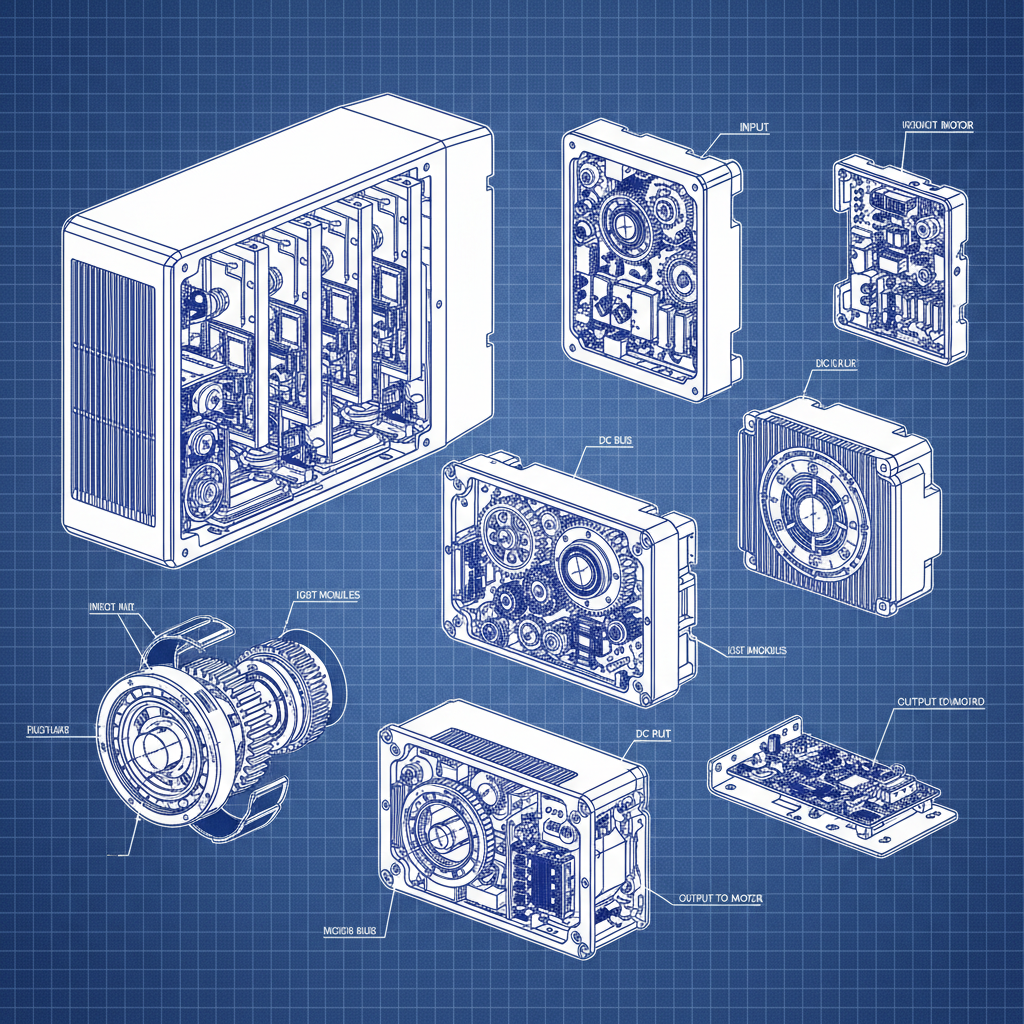
Another big thing is the move towards more modular designs. Makes maintenance a lot easier. Instead of replacing the whole drive, you can just swap out a module. And let’s be real, on a construction site, quick repairs are the name of the game.
Design Pitfalls and Common Mistakes
I’ve seen so many drives with ridiculously complicated cooling systems. Over-engineered, if you ask me. A simple heatsink and a fan usually does the job just fine. The more parts you add, the more that can go wrong. Anyway, I think simple is always better.
Another common mistake is using cheap connectors. You wouldn’t believe how many drives fail just because of a faulty connector. It's frustrating, especially when you're on a tight schedule. I always tell the engineers, spend the extra few bucks on quality connectors – it'll save you headaches in the long run.
And don’t even get me started on drives that aren't properly shielded. All that electromagnetic interference can wreak havoc on other equipment.
Core Materials and Their Characteristics
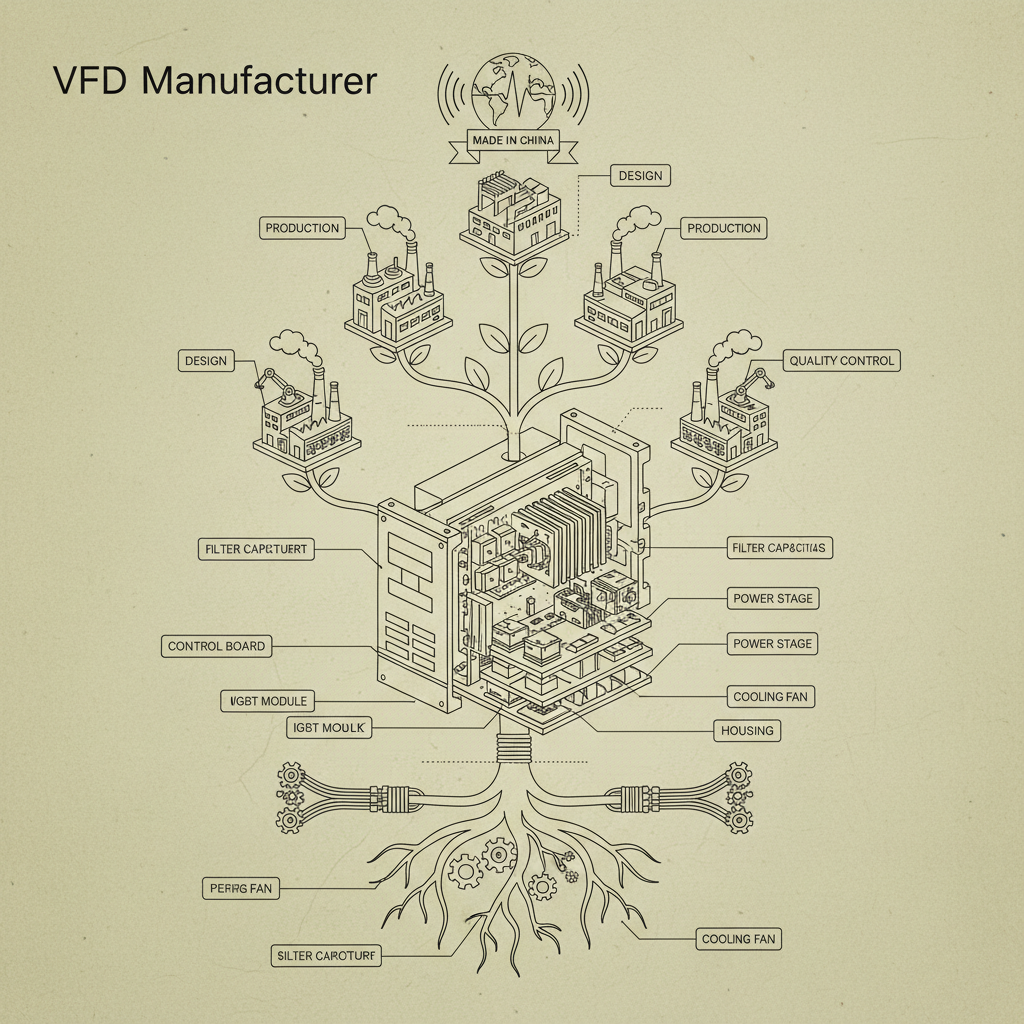
The IGBTs, the heart of any VFD, have to be good. I’ve worked with some drives that use really cheap IGBTs, and they just burn out too quickly. You can usually tell the quality just by looking at the markings – the better ones are always more precisely stamped. They smell different too… a cleaner, less burnt smell.
Capacitors are another critical component. They’re often overlooked, but they take a beating with all the voltage fluctuations. The Japanese-made ones are generally the most reliable, but they're also the most expensive. The Chinese-made ones are getting better, but you have to be careful about quality control. The feel is different too, the Japanese ones have a heavier weight.
The PCB material also matters. A thicker, more robust PCB will withstand the vibrations and temperature changes better. I once saw a drive fail because the PCB cracked after just a few weeks of use. It was a disaster. Later… forget it, I won't mention it.
Real-World Testing Procedures
Forget the lab tests, honestly. Those don't tell you much about how a drive will perform in the real world. We do our testing on-site, under actual operating conditions. We run the drives at full load for extended periods, subjecting them to all sorts of stress – temperature fluctuations, voltage spikes, vibration, dust, and humidity.
We also do a lot of "bump testing." We simulate sudden load changes to see how the drive responds. It’s a brutal test, but it's a good way to identify weak points. We look for overheating, unusual noises, and any signs of instability.
VFD Manufacturers in China Performance Evaluation
Actual User Applications and Feedback
I was at a textile mill in Shaoxing last month. They were using our drives to control the speed of their spinning machines. They were really impressed with the smooth speed control, which reduced the number of yarn breaks. That’s a big deal in that industry.
They also told me they appreciated the easy-to-use interface. They weren't engineers, just operators, so they needed something simple and intuitive.
Advantages, Disadvantages, and Trade-offs
The main advantage of vfd manufacturers in china drives is the price, obviously. You get a lot of bang for your buck. But you sometimes sacrifice a little bit of performance or features compared to the big European brands.
Another advantage is the availability of spare parts. They're usually readily available, which is important for minimizing downtime. But sometimes the quality control isn’t as consistent, so you have to be careful. It's a trade-off, really.
And let's be honest, some of the documentation is… lacking. It's often translated poorly, and it can be difficult to understand.
Customization Options and Examples
We had a customer, a small boss in Shenzhen who makes smart home devices, insisted on changing the interface to last month. He wanted it to be more “modern.” It was a pain to implement, honestly, because the drive wasn’t designed for it, and we had to redesign the entire control board. The result? It didn’t actually make any difference to the performance, and it added a lot of cost and complexity.
But we do offer a lot of other customization options. We can adjust the control parameters to match specific motor characteristics, add custom protection features, or even change the enclosure material.
We can also pre-program the drives with specific application profiles, which saves the customer time and effort.
Summary of Key Customization Parameters for VFD Drives
| Parameter |
Description |
Customization Range |
Typical Application |
| Acceleration Time |
Time to reach maximum speed. |
0.1 – 60 seconds. |
Conveyor systems. |
| Deceleration Time |
Time to come to a complete stop. |
0.1 – 60 seconds. |
Lifting applications. |
| Current Limit |
Maximum allowable current. |
10% - 150% of rated current. |
Motor protection. |
| Frequency Limit |
Maximum output frequency. |
10 – 100 Hz. |
Fan control. |
| V/F Curve |
Voltage-to-Frequency ratio. |
Linear, quadratic, custom. |
Pump applications. |
| PID Control Parameters |
Proportional, Integral, Derivative gains. |
Adjustable for optimal performance. |
Process control. |
FAQS
Honestly, it depends a lot on the environment and how well it's maintained. But generally, you can expect a good quality VFD to last anywhere from 5 to 10 years. The capacitors are usually the first thing to go, and overheating is a big killer. Regular cleaning and proper ventilation are key.
Not necessarily, but you need a qualified electrician who understands motor control. It's not just a matter of wiring it up. You need to configure the parameters correctly, and make sure the motor is properly grounded. I’ve seen some real messes from guys trying to DIY it. Don’t risk it, especially with higher horsepower motors.
Overheating, voltage spikes, and dirty power are the big three. Dust and debris can also build up inside the drive and cause problems. And, as I mentioned earlier, cheap components will fail faster. Proper filtering and surge protection are essential, especially in industrial environments.
Generally, yes, but it’s best suited for induction motors. You need to make sure the VFD is compatible with the motor's voltage and frequency. And you might need to derate the motor if you're running it at very low speeds for extended periods. It's a bit complicated, so always check the documentation.
Very important. VFDs generate harmonics that can distort the power supply and cause problems with other equipment. Harmonic filters can help to mitigate this, but they add cost and complexity. It's something to consider, especially in sensitive applications like hospitals or data centers.
Reliability, support, and price, in that order. Don't just go for the cheapest option. Look for a manufacturer with a good reputation and a solid track record. And make sure they offer good technical support, because you’re going to need it at some point. vfd manufacturers in china are stepping up their game on the support side, which is good to see.
Conclusion
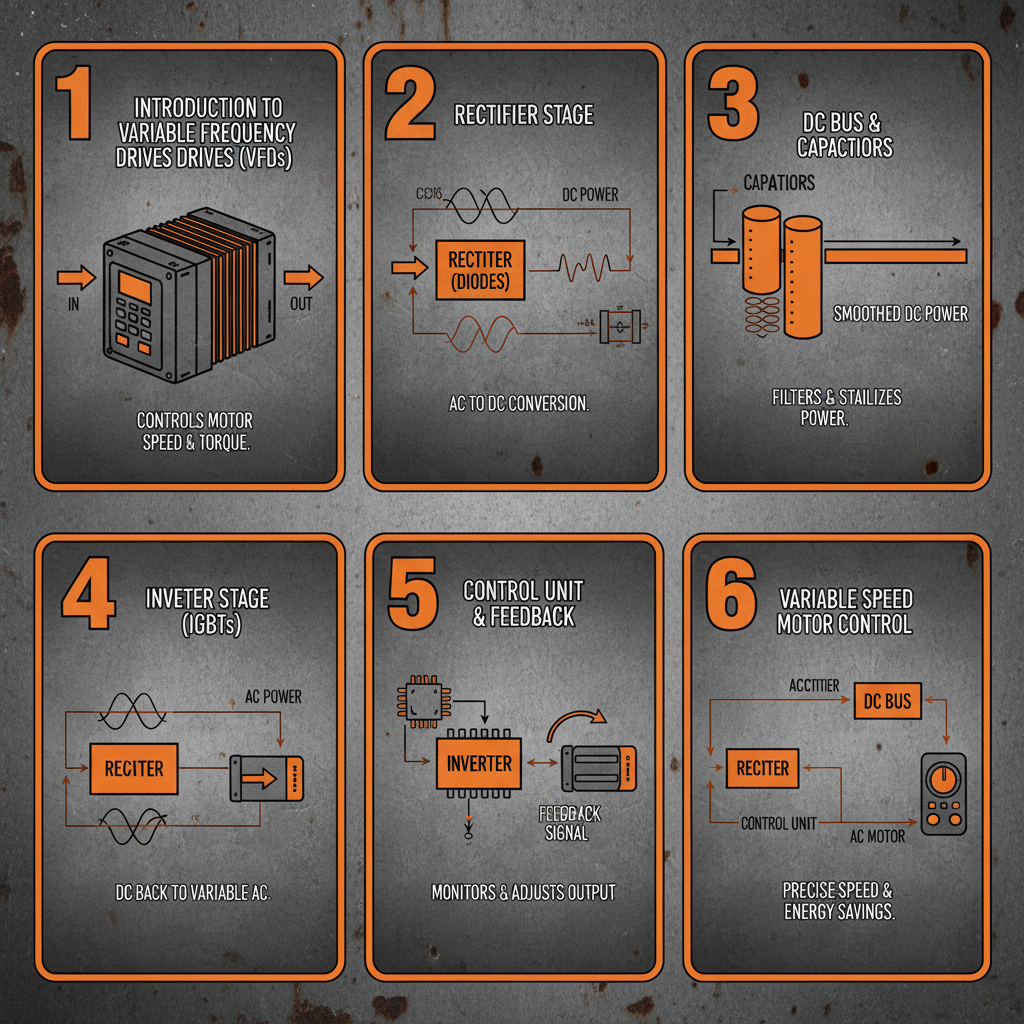
So, where does that leave us? VFDs are essential for controlling motor speed and improving efficiency. vfd manufacturers in china are becoming increasingly competitive, offering reliable drives at reasonable prices. But it’s not just about the technology, it’s about understanding the application, choosing the right components, and ensuring proper installation and maintenance.
Ultimately, whether this thing works or not, the worker will know the moment he tightens the screw. He’ll feel it – the smoothness, the stability, the reliability. And if it feels right, then you know you’ve got a good drive. And that’s what really matters.