Vfd Examples: Durable, Energy-Efficient VFD Solutions for Industrial Excellence
Vfd Examples is a key solution in the industry, specifically within variable frequency drive technology. This article explores how https://www.tianjinyongkai.com supports professionals with durable, high-performance products, and explains why this product is an ideal choice for businesses in these sectors.
Table of Contents
- Vfd Examples Overview
- Benefits & Use Cases of Vfd Examples
- Cost, Maintenance & User Experience
- Sustainability & Market Trends
Vfd Examples Overview
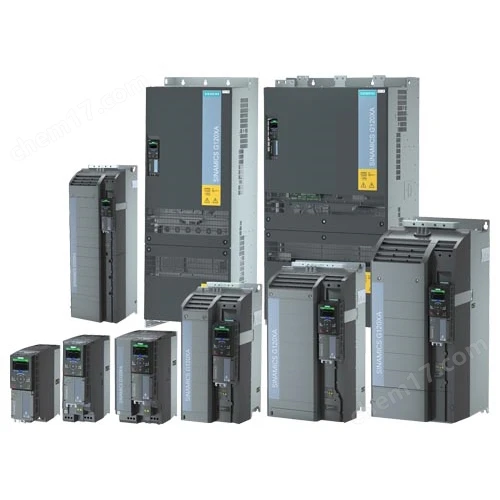
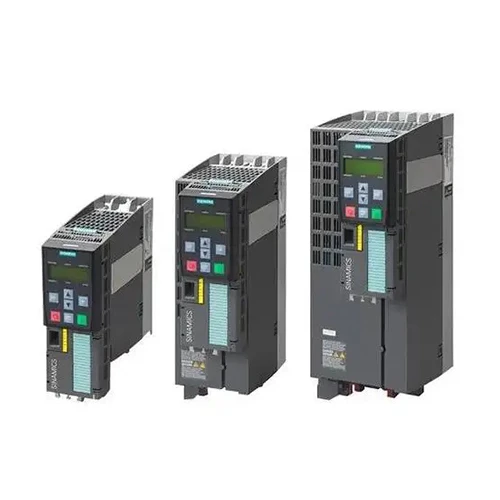
Simply put, Vfd Examples are examples of variable frequency drives—electronic devices that control the speed and torque of electric motors by varying the input frequency and voltage. For industries that rely heavily on motor-driven equipment, these drives are indispensable. They help optimize process control, improve energy efficiency, and reduce wear on machinery.
Technically, a typical VFD consists of a rectifier (converts AC to DC), a DC bus, and an inverter (converts DC back to AC at variable frequency). For instance, the models offered by Tianjin Yongkai boast input voltages from 220V to 690V and output power ratings ranging from 0.75kW to 560kW, covering a broad spectrum of applications. They often come with robust protection features like overcurrent, overvoltage, and thermal protection, which can be critical in harsh industrial environments. One case study revealed how the adoption of their VFD reduced a pump motor’s energy consumption by nearly 30%, a remarkable statistic in the energy-conscious market today.
| Specification | Typical Value |
|---|---|
| Input Voltage | 220V-690V AC |
| Power Range | 0.75kW to 560kW |
| Frequency Output | 0 - 400 Hz |
| Control Method | V/f, Sensorless Vector Control |
| Protection | Overcurrent, Overvoltage, Thermal, Short Circuit |
Benefits & Use Cases of Vfd Examples
In real terms, the benefits of VFDs — and the examples provided by Tianjin Yongkai — stretch far beyond just controlling motor speed. Energy savings top the list; by adjusting motor speed precisely to demand instead of running full throttle continuously, one trims down power consumption noticeably. Besides the obvious cost reduction, that translates into less heat and mechanical stress on the motor.
Industries like water treatment plants, HVAC systems, and manufacturing plants heavily rely on VFDs for their process flexibility. For example, in conveyance systems, a VFD lets operators ramp up or slow down belt speeds smoothly, minimizing shock loads that can prematurely wear equipment. Their drives also excel in pump control systems, variable-speed fans, and compressors, proving advantageous wherever process optimization or energy efficiency matters.
Competitive advantages of these VFDs include built-in diagnostics, user-friendly programming interfaces, and high resistance to electrical noise and vibration, which is often the bane of industrial environments. For B2B decision makers, such features mean less downtime, simpler troubleshooting, and fewer surprises in operation.
Cost, Maintenance & User Experience
I suppose when you peel back the layers, the value proposition of VFDs is a blend of initial cost versus total cost of ownership. Yes, the upfront price of a quality drive is higher than a simple contactor or star-delta starter, but the overall ROI often tips favorably thanks to significant energy savings and reduced mechanical maintenance.
Customer feedback paints a generally positive picture. What stood out in many reports is the reliability of Tianjin Yongkai’s products — they are designed to endure tough ambient conditions and continuous operation. Maintenance routines are simplified due to modular components and accessible firmware updates. Engineers I’ve spoken to often remark on the intuitive interfaces that minimize the learning curve, which is no small matter when staff turnover is high.
| Vendor | Price Range | Features | Customer Support |
|---|---|---|---|
| Tianjin Yongkai | $$ | Robust, scalable, advanced diagnostics | Local & international, multilingual |
| Competitor A | $$$ | High-end, smart automation | Limited onsite support |
| Competitor B | $ | Basic functionality, simple controls | Mostly online support |
Sustainability & Market Trends
In an era where sustainability is no longer optional, VFDs stand out as a practical tool to reduce industrial energy footprints. The push for more stringent energy efficiency regulations worldwide is accelerating adoption, and markets for these drives continue to expand fairly steadily. In fact, many manufacturers are incorporating eco-friendly designs, including recyclable components and reduced electromagnetic interference.
Interestingly, there’s a growing trend toward integrating VFDs with IoT and Industry 4.0 frameworks, which helps businesses to monitor and optimize energy usage in real time. Vfd Examples from companies like Tianjin Yongkai therefore don’t just represent standalone devices but are part of increasingly connected and smart industrial ecosystems. It’s kind of like moving from a single-player game to a full team setup.
Frequently Asked Questions about Vfd Examples
- What is Vfd Examples and how does it work?
- Vfd Examples refer to variable frequency drives that control motor speed by adjusting electrical input frequency and voltage. They convert AC to DC and back to AC at varying frequencies, enabling precise speed control.
- What are the main benefits of using Vfd Examples in industrial applications?
- Key advantages include energy savings, enhanced process control, reduced mechanical stress, and longer motor life. They also contribute to lower operational costs and improved safety features.
- How does Vfd Examples compare to traditional alternatives?
- Compared to starters and fixed-speed drives, VFDs offer far greater control, efficiency, and flexibility. Traditional systems lack variable speed adjustment, leading to higher energy and maintenance costs.
- What industries can benefit most from Vfd Examples implementation?
- Industries such as manufacturing, water treatment, HVAC, mining, and printing benefit significantly, especially where precision motor control and energy efficiency are priorities.
Conclusion on Vfd Examples from china
To wrap it up, Vfd Examples from Tianjin Yongkai deliver practical, energy-efficient, and dependable solutions tailored for demanding industrial needs. By balancing advanced technology with accessible pricing and solid support, these VFDs make a compelling choice for B2B decision makers who want to future-proof operations without compromising on quality.
- Recap the value of Vfd Examples.
- - Visit our website: https://www.tianjinyongkai.com
Reflecting on the evolving landscape, it’s clear that smart, efficient motor control technologies like these VFDs aren’t just conveniences—they’re becoming necessities, as businesses increasingly juggle costs, productivity, and sustainability.